• Home
  • Latest
  • Fortune 500
  • Finance
  • Tech
  • Leadership
  • Lifestyle
  • Rankings
  • Multimedia
EnvironmentEPA

Colorless liquid that emits a toxic vapor known to cause liver cancer and reproductive problems banned from use in paint stripper

By
Matthew Daly
Matthew Daly
and
The Associated Press
Down Arrow Button Icon
By
Matthew Daly
Matthew Daly
and
The Associated Press
Down Arrow Button Icon
April 30, 2024, 8:59 PM ET
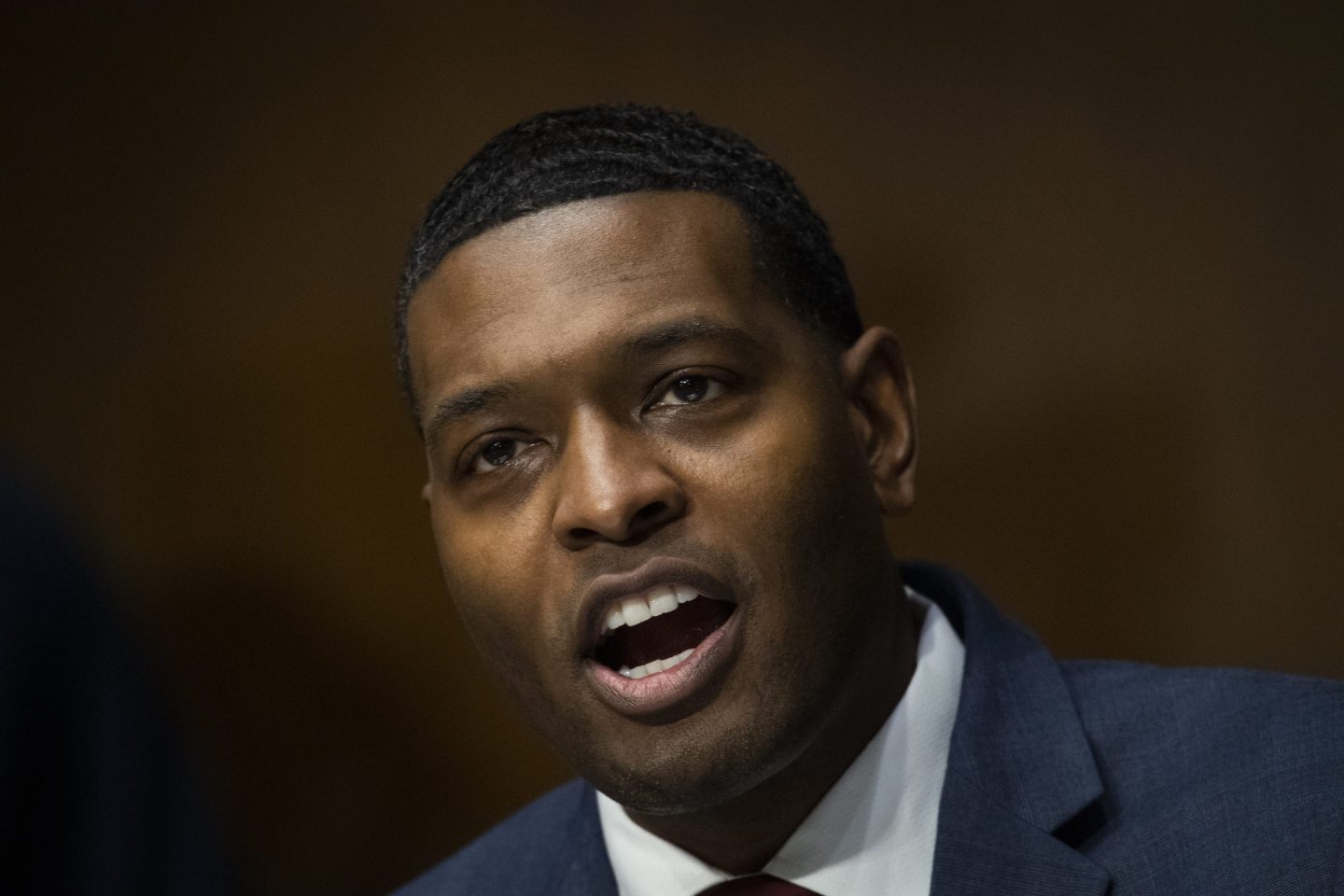
Environmental Protection Agency Administrator Michael Regan in 2021.
Environmental Protection Agency Administrator Michael Regan in 2021.Caroline Brehman—Getty Images

The Environmental Protection Agency said Tuesday it has finalized a ban on consumer uses of methylene chloride, a chemical that is widely used as a paint stripper but is known to cause liver cancer and other health problems.

Recommended Video

The EPA said its action will protect Americans from health risks while allowing certain commercial uses to continue with robust worker protections.

The rule banning methylene chloride is the second risk management rule to be finalized by President Joe Biden’s administration under landmark 2016 amendments to the Toxic Substances Control Act. The first was an action last month to ban asbestos, a carcinogen that kills tens of thousands of Americans every year but is still used in some chlorine bleach, brake pads and other products.

“Exposure to methylene chloride has devastated families across this country for too long, including some who saw loved ones go to work and never come home,” EPA Administrator Michael Regan said in a statement. The new rule , he said, “brings an end to unsafe methylene chloride practices and implements the strongest worker protections possible for the few remaining industrial uses, ensuring no one in this country is put in harm’s way by this dangerous chemical.”

Methylene chloride, also called dichloromethane, is a colorless liquid that emits a toxic vapor that has killed at least 88 workers since 1980, the EPA said. Long-term health effects include a variety of cancers, including liver cancer and lung cancer, and damage to the nervous, immune and reproductive systems.

The EPA rule would ban all consumer uses but allow certain “critical” uses in the military and industrial processing, with worker protections in place, said Michal Freedhoff, assistant administrator for the EPA’s Office of Chemical Safety and Pollution Prevention.

Methylene chloride will continue to be allowed to make refrigerants as an alternative to other chemicals that produce greenhouse gases and contribute to climate change, Freedhoff said. It also will be allowed for use in electric vehicle batteries and for critical military functions.

“The uses we think can safely continue (all) happen in sophisticated industrial settings, and in some cases there are no real substitutes available,” Freedhoff said.

The chemical industry has argued that the EPA is overstating the risks of methylene chloride and that adequate protections have mitigated health risks.

The American Chemistry Council, the industry’s top lobbying group, called methylene chloride “an essential compound” used to make many products and goods Americans rely on every day, including paint stripping, pharmaceutical manufacturing and metal cleaning and degreasing.

An EPA proposal last year could introduce “regulatory uncertainty and confusion” with existing exposure limits set by the federal Occupational Safety and Health Administration, the group said.

The chemical council also said it was concerned that the EPA had not fully evaluated the rule’s impacts on the domestic supply chain and could end up prohibiting up to half of all end uses subject to regulation under the Toxic Substances Control Act.

While the EPA banned one consumer use of methylene chloride in 2019, use of the chemical has remained widespread and continues to pose significant and sometimes fatal danger to workers, the agency said. The EPA’s final risk management rule requires companies to rapidly phase down manufacturing, processing and distribution of methylene chloride for all consumer uses and most industrial and commercial uses, including in home renovations.

Consumer use will be phased out within a year, and most industrial and commercial uses will be prohibited within two years.

Liz Hitchcock, director of a safer chemicals program for the advocacy group Toxic-Free Future, praised the new rule but added: “As glad as we are to see today’s rule banning all consumer and most commercial uses, we are concerned that limits to its scope will allow continued exposure for too many workers to methylene chloride’s dangerous and deadly effects.”

Consumers should look for labels indicating that a product is free from methylene chloride, said the toxic-free group, which has published a list of paint and varnish strippers and removers sold by major U.S. retailers that do not contain it.

Wendy Hartley, whose son Kevin died from methylene chloride poisoning after refinishing a bathtub at work, called the new rule “a huge step that will protect vulnerable workers.”

Kevin Hartley, 21, of Tennessee, died in 2017. He was an organ donor, Wendy Hartley said, adding that because of the EPA’s actions, “Kevin’s death will continue to save lives.”


Join us at the Fortune Workplace Innovation Summit May 19–20, 2026, in Atlanta. The next era of workplace innovation is here—and the old playbook is being rewritten. At this exclusive, high-energy event, the world’s most innovative leaders will convene to explore how AI, humanity, and strategy converge to redefine, again, the future of work. Register now.
About the Authors
By Matthew Daly
See full bioRight Arrow Button Icon
By The Associated Press
See full bioRight Arrow Button Icon

Latest in Environment

loon
EnvironmentMaine
Maine is getting Loony again as population of beloved bird doubles since 1983
By Patrick Whittle and The Associated PressDecember 14, 2025
6 hours ago
North AmericaMexico
U.S., Mexico strike deal to settle Rio Grande water dispute
By Fabiola Zerpa and BloombergDecember 13, 2025
18 hours ago
carbon
Commentaryclimate change
Banking on carbon markets 2.0: why financial institutions should engage with carbon credits
By Usha Rao-MonariDecember 13, 2025
1 day ago
mackenzie
Personal Financephilanthropy
‘This year, I really see education and climate’: Patterns in billionaire MacKenzie Scott’s massive giving emerge with time
By Thalia Beaty and The Associated PressDecember 11, 2025
3 days ago
Google DeepMind cofounder and CEO Demis Hassabis
AIU.K.
Google DeepMind agrees to sweeping partnership with U.K. government focused on science and clean energy
By Jeremy KahnDecember 10, 2025
4 days ago
InnovationBrainstorm AI
Rivian CEO says buying an EV isn’t a political choice, pointing out that R1 buyers are split evenly between Republicans and Democrats
By Jason MaDecember 10, 2025
4 days ago

Most Popular

placeholder alt text
Economy
Tariffs are taxes and they were used to finance the federal government until the 1913 income tax. A top economist breaks it down
By Kent JonesDecember 12, 2025
2 days ago
placeholder alt text
Success
Apple cofounder Ronald Wayne sold his 10% stake for $800 in 1976—today it’d be worth up to $400 billion
By Preston ForeDecember 12, 2025
2 days ago
placeholder alt text
Success
40% of Stanford undergrads receive disability accommodations—but it’s become a college-wide phenomenon as Gen Z try to succeed in the current climate
By Preston ForeDecember 12, 2025
2 days ago
placeholder alt text
Economy
The Fed just ‘Trump-proofed’ itself with a unanimous move to preempt a potential leadership shake-up
By Jason MaDecember 12, 2025
2 days ago
placeholder alt text
Uncategorized
Transforming customer support through intelligent AI operations
By Lauren ChomiukNovember 26, 2025
18 days ago
placeholder alt text
Success
Apple CEO Tim Cook out-earns the average American’s salary in just 7 hours—to put that into context, he could buy a new $439,000 home in just 2 days
By Emma BurleighDecember 12, 2025
2 days ago
Rankings
  • 100 Best Companies
  • Fortune 500
  • Global 500
  • Fortune 500 Europe
  • Most Powerful Women
  • Future 50
  • World’s Most Admired Companies
  • See All Rankings
Sections
  • Finance
  • Leadership
  • Success
  • Tech
  • Asia
  • Europe
  • Environment
  • Fortune Crypto
  • Health
  • Retail
  • Lifestyle
  • Politics
  • Newsletters
  • Magazine
  • Features
  • Commentary
  • Mpw
  • CEO Initiative
  • Conferences
  • Personal Finance
  • Education
Customer Support
  • Frequently Asked Questions
  • Customer Service Portal
  • Privacy Policy
  • Terms Of Use
  • Single Issues For Purchase
  • International Print
Commercial Services
  • Advertising
  • Fortune Brand Studio
  • Fortune Analytics
  • Fortune Conferences
  • Business Development
About Us
  • About Us
  • Editorial Calendar
  • Press Center
  • Work At Fortune
  • Diversity And Inclusion
  • Terms And Conditions
  • Site Map

© 2025 Fortune Media IP Limited. All Rights Reserved. Use of this site constitutes acceptance of our Terms of Use and Privacy Policy | CA Notice at Collection and Privacy Notice | Do Not Sell/Share My Personal Information
FORTUNE is a trademark of Fortune Media IP Limited, registered in the U.S. and other countries. FORTUNE may receive compensation for some links to products and services on this website. Offers may be subject to change without notice.