The markets got their hopes up at the start of the year: Inflation would finally slow down, and the Fed would lower rates. But now it seems like neither of those will happen. The consumer price index came in higher than expected, and Wall Street analysts and Fed officials alike have been telegraphing there will be only one or two rate cuts this year—if they happen at all.
The CPI, which measures the average price change in goods and services in the economy and serves as a measure of inflation, rose 0.4% in March, according to Bureau of Labor Statistics data. Most economists expected a slightly lower increase of just 0.3%. The full-year inflation rate was also slightly higher than analysts had forecasted, coming in at 3.5% instead of the predicted 3.4%. The March data marks the third straight month of higher than anticipated inflation numbers, weakening the case for much-anticipated rate cuts from the Fed.
“Inflation right now is like the stubborn child that refuses to heed the parent’s call to leave the playground,” said Glenmede chief of investment strategy and research Jason Pride.
As inflation remains high, it’s likely that rate cuts will be delayed. The consensus was that they would arrive in March. That got pushed back to June, and now, after yet another disappointing inflation report, the date moved again to September. Three consecutive months of increasing inflation signal a trend that will be harder for the Fed to reverse. “The lack of moderation in inflation will undermine Fed officials’ confidence that inflation is on a sustainable course back to 2%, and likely delays rate cuts to September at the earliest and could push off rate reductions to next year,” said Nationwide chief economist Kathy Bostjancic, referring to the Fed’s target inflation rate.
Fed officials have been warning cuts weren’t a given
But some Fed officials had been telegraphing for weeks that multiple rate cuts were increasingly unlikely. The fact that Fed officials themselves would float ideas about only one rate cut, or none at all, is notable because the Fed rarely previews its moves. That leaves investors and analysts to try and parse clues from its intentionally measured public statements—often referred to as “Fed speak.”
But creeping inflation rates are keeping the Fed further from the elusive 2% inflation rate it set for itself. It also has investors scrambling to readjust their own forecasts or risk misreading the market.
Many analysts and investors had ended 2023 hopeful that there would be a raft of rate cuts, with some forecasting as many as six or seven over the course of this year. Those predictions proved to be far too optimistic.
“The Fed has a bias toward cutting interest rates this year, but the strength of the labor market and recent gains in inflation are giving the central bank the wiggle room to be patient,” Oxford Economics chief U.S. economist Ryan Sweet wrote in an analyst note.
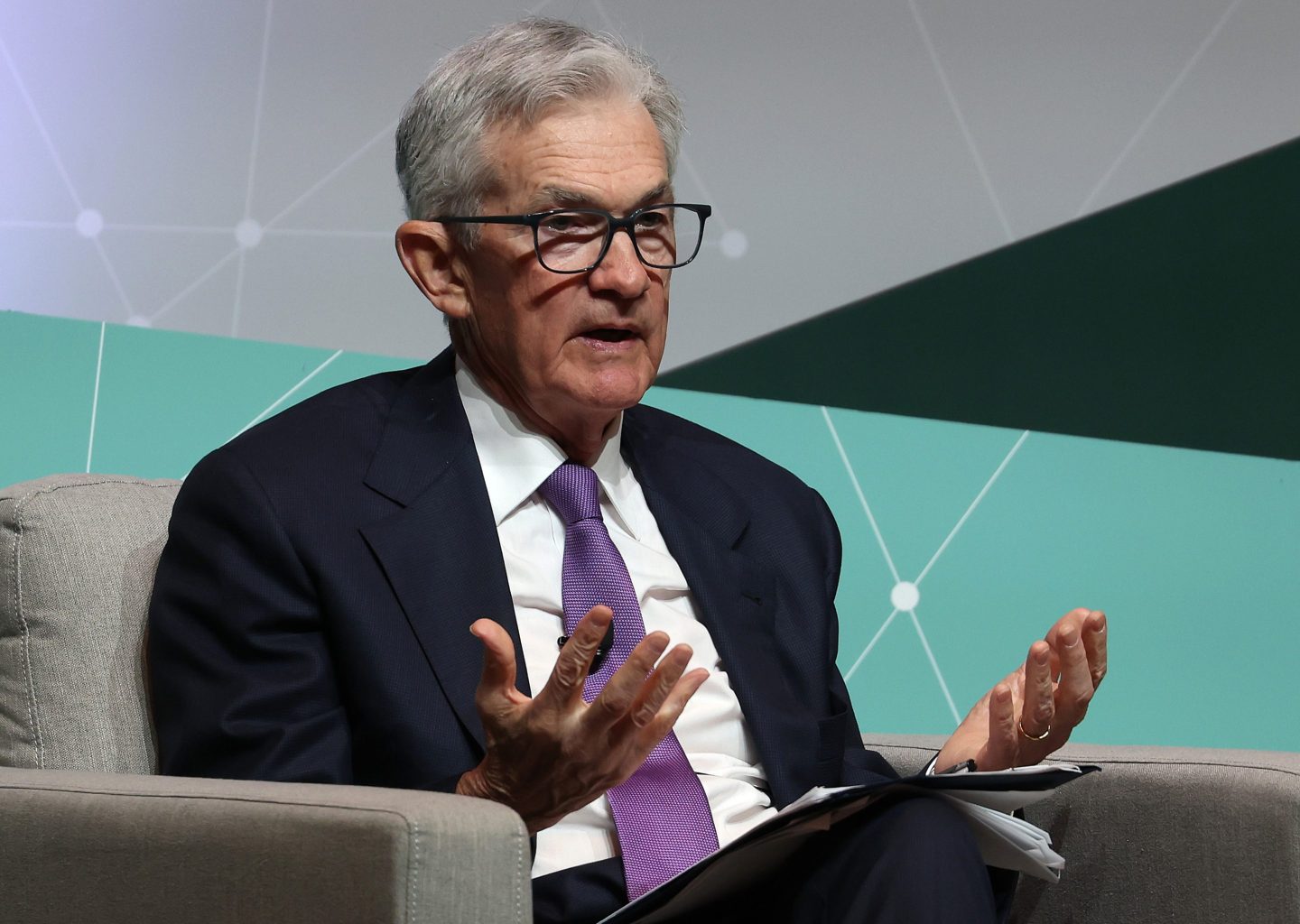
Federal Reserve chair Jerome Powell was always clear that rate cuts would only come when inflation went down. Even in January when the inflation rate dropped to 3.1% from 3.4% the month before, Powell was clear that he needed to see it go lower, for longer before he certified rate cuts.
After that message Wall Street forecasted three or maybe four rate cuts. Gradually over the course of the year as inflation stayed high, more analysts lowered their rate forecasts. Now the March data “may push more policymakers into the two rate-cut camp,” said Sweet.
In recent weeks a few Fed officials, though notably not Powell himself, thought even two cuts might be uncertain. President of the Federal Reserve Bank of Atlanta Raphael Bostic said he could easily see one rate cut being appropriate, even though he said that wasn’t a given, just a possibility. While Minneapolis Federal Reserve Bank president Neel Kashkari went a step further, saying in his mind there wouldn’t be any interest rate cuts this year if inflation didn’t improve.
Inflation might be up, but unemployment is low
Officials have to get inflation under control before they can cut rates. If they don’t, then a rate cut just leads to higher inflation down the road because the economy risks overheating. That’s why the Fed raises rates to lower inflation, but since it can’t keep them high forever, it has to get the timing of a rate cut just right. “There are still embers of inflation here and there in the economy,” said Vanguard chief economist Joe Davis.
Moving too early risks squandering all the work done so far to get inflation down from its high of 9.1% in June 2022.
“I have been confused as to why the rush to cut,” Davis said. “The data coming in on the labor market and today’s inflation report show concerns of racing too soon to cut.”
The labor market does in fact remain strong. In March the U.S. added 303,000 jobs, way above the 205,000 economists expected. The relatively low unemployment rate of 3.8% is essential for the Fed’s hope of pulling off a soft landing and avoiding a recession. To do so, it hopes to defy conventional wisdom by lowering inflation without spiking the unemployment rate. For a while that seemed to be the case, but now inflation isn’t just flatlining, it’s actively getting worse.