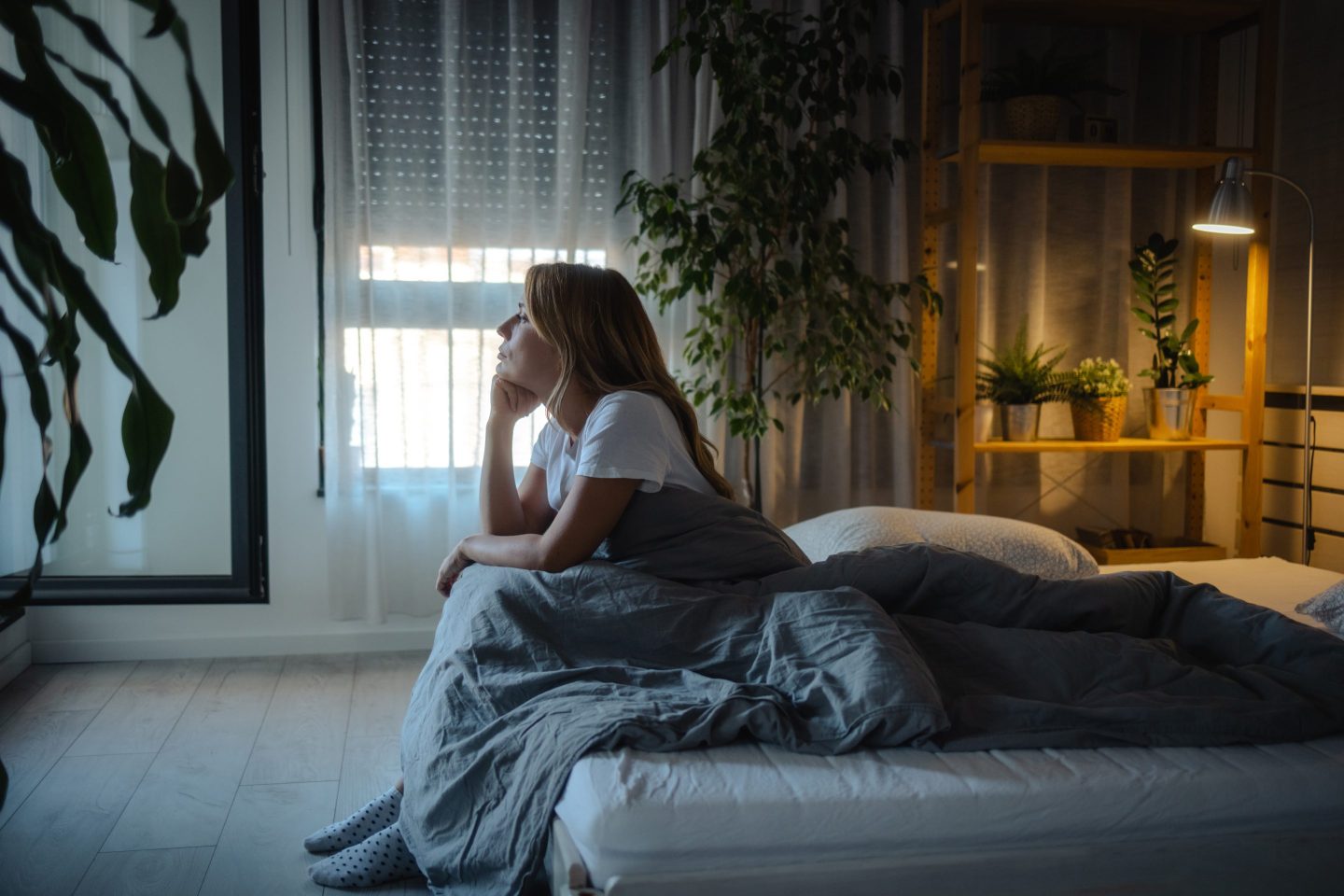
Take one last look at the night owl, because it’s becoming extinct— or at the very least a rare bird. The sun is seemingly setting on the nation’s tradition of the youth going out and staying up late. Americans are trudging through a loneliness epidemic, an economy marked by high inflation, a world rife with socioeconomic turmoil and climate change. It’s enough to make people get a little sleepy.
Gen Zers and millennials are tuning into the wellness space and turning in especially early, as the Wall Street Journal’s Rachel Wolfe reports that young adults are going to bed around 9 p.m. Part of what is happening is a greater access to information and lifestyle trends, as health influencers take off on TikTok. But data points to a larger societal change across generations, as the economy and current state of the world impose new living habits.
It might not seem like a tidal-wave-level-change, but it’s a ripple that might represent what is to come. Compared to just one year ago, people of all ages are going to bed earlier and sleeping more. The average bedtime has been bumped from 10:19 last year to 10:09 these days, per data from Sleep Number.
First off, we can’t ignore the pandemic’s role in this society of sleepytime tea bears. Americans slowly started to sleep more throughout the last decade, but once COVID-19 struck they began to snooze more, according to the American Time Use Survey from the Labor Department. The difference becomes especially pronounced when looking at younger and older adults, as respondents aged 25 to 34 went from sleeping 8.52 hours in 2003 to 9.07 hours in 2022. In 2018, these young respondents were sleeping 8.78 hours on average, a number that jumped to 9.04 just two years later. Boomers too are resting more, experiencing the greatest increase in sleep times from 2019 to 2022.
It’s no coincidence that the people sleeping the most are also the ones most likely to be struck by the rising loneliness epidemic. Post-lockdown, some of Americans’ habits have stuck for both health and sociological reasons. Many report feelings of isolation whether it be because of being immunocompromised, a surge in social anxiety after the pandemic hit, or simply changing preferences. While some report that their introversion has stoked loneliness, others have found that working from home and staying in was more their speed after lockdown lifted. It’s created a new economy controlled by introverts, per Bloomberg’s Allison Schrager.
It might be the economy itself that’s creating the introverts, though. Studies have been cropping up that show that Gen Zers are drinking and going out less than they used to, citing greater awareness of substance abuse and the cost of letting loose as major factors. Less compelled to join a dying drinking culture, it seems as if young adults are simply putting themselves to bed. Madelyn Sugg, 25, told the Journal that she’s saved hundreds of dollars monthly by cutting out her late nights for a nine o’clock bedtime. “I was afraid of that feeling of FOMO or of feeling like I’m not succeeding at building a community, but it’s actually turned out to be an improvement in all these areas,” Sugg explained.
Most susceptible to the volatile economy, many young adults report high burnout as they struggle to gain a living wage and stave off layoffs. While some might turn to leisure activities to dull the pain, it seems as if these generations, burdened by ill-timed recessions and oversize student loans, can’t afford to burn a hole in their wallets. Even when adding extra gigs to their day, many young adults still don’t have enough for discretionary spending, per analysis from Bank of America.
Young adults might just be late bloomers. Earning less than previous generations did when they were the same age and staying at home longer to afford a more expensive economy, Gen Zers and millennials might be saving their roaring twenties for their older adulthood. Partly because of the price of milestones, major life events are pushed back these days, from having kids to retirement. It follows, then, that our party time is delayed as well, as young adults can’t afford rounds of drinks like they once did.
The bed is just calling more these days. Economic and mental fatigue play a role in likely making everyone simply so tired that they stay under the covers more than they did in the past. Dealing with an inundation of information and bad news, many people also find that their workplaces are less than satisfying. Americans report a dissolving faith in most professions as malaise peaks in the workforce. It’s no surprise that sleepers across the board are looking to just shut their eyes, especially young adults who are growing up in an age of dissolution and older adults who are aging into a loneliness crisis. People might not feel like they can control much between their work, personal life, and current events, but one thing they can set is their own bedtime.