Good morning!
Employers are rethinking their approach to training and upskilling employees. But there’s one problem standing in their way: Traditional training techniques are, to be frank, mind-numbingly dull.
To fix this, some companies, including Walmart and Coca-Cola, have started offering gamified training, or a video game-like educational platform, instead of forcing workers to sit through video courses or hour-long PowerPoint sessions.
One study from researchers at Harvard Business School and Columbia Business School analyzing the effects of a specific gamified training platform at professional services firm KPMG was able to gauge how practical this training is over a long-term period.
The researchers studied a training platform, KPMG Globerunner, used by client-facing employees at 24 KPMG global offices over 29 months to help employees learn more about the firm and its services. After creating a video game character, players “travel” around the globe, answering questions about the firm and earning points for every question answered correctly. Players receive instant feedback and a detailed explanation of questions answered incorrectly.
To gauge the effectiveness of the gamified training, researchers analyzed several variables, including changes in fees collected (a revenue generator for the firm), the number of clients served, and the total number of new business opportunities per office. The study found that the gamified training led to a 36% increase in fees collected by participating offices, a 16% increase in clients, and a 22% increase in business opportunities with new clients.
However, the effects on performance were not equal across all employees. Overall, workers who already exhibited high levels of engagement at the firm were more likely to see a boost in performance. In fact, offices with a higher concentration of workers willing to use the training saw a 16% higher increase in fees collected than other offices. Leadership support was also important. Employees were more willing to sign up for the game when more leaders registered for the game as well. Offices whose leaders used the game saw a 19% increase in fees collected and a 7% increase in clients.
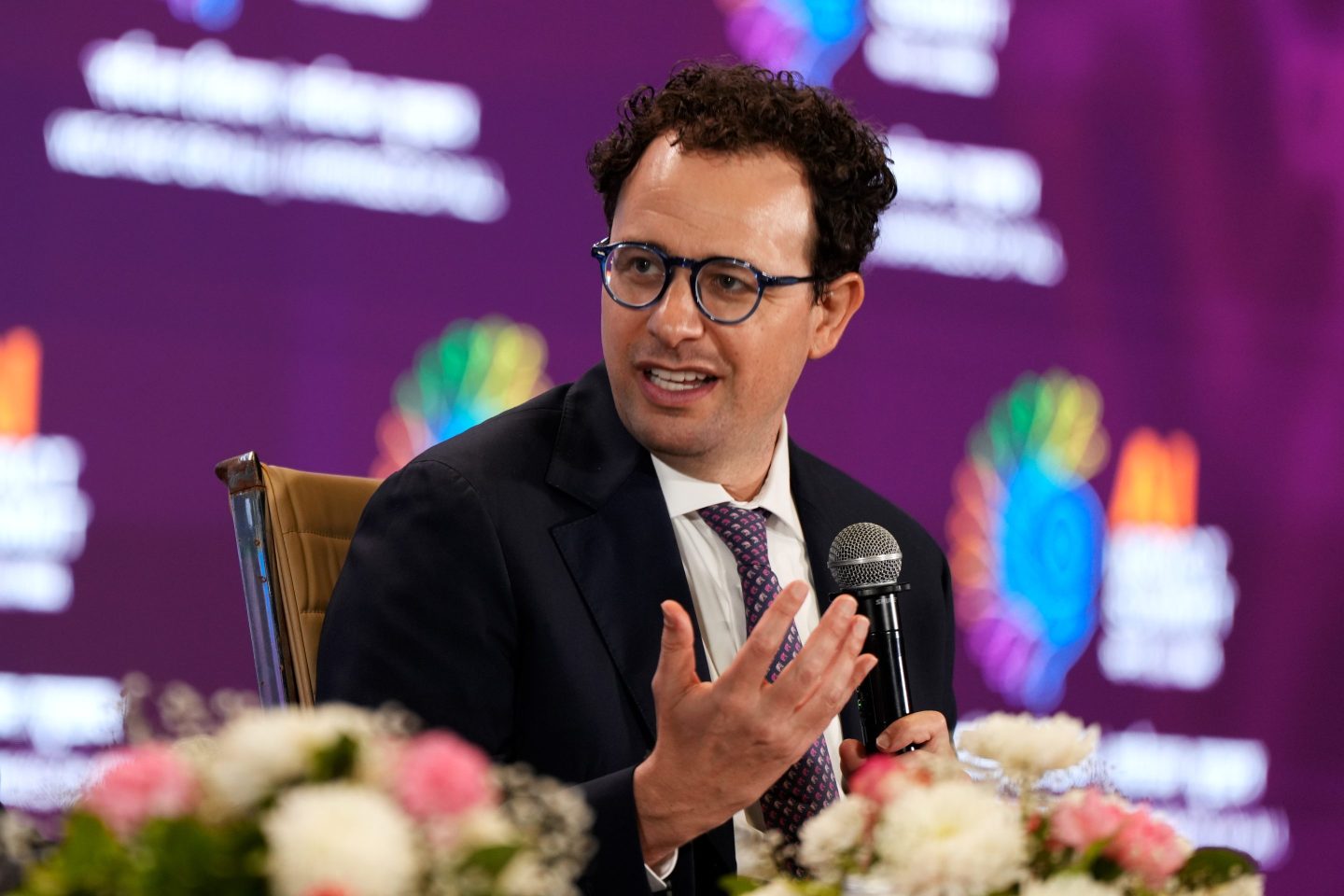
These conditions were the most surprising discovery for Wei Cai, an assistant professor of business at Columbia University and co-author of the study. Gamified trainings can be a useful tool for other workforces, and “if [HR leaders] want to improve the engagement in the training, then maybe encourage the leaders to play the game first,” Cai says.
Lastly, leaders might need to wait for the full benefits of the training to take effect. The study found that the performance increase happened in the second or third quarter after offering the training.
“Managers or leaders need to be very patient because we find it takes some time for the effects to show up,” Cai says.
Paige McGlauflin
paige.mcglauflin@fortune.com
@paidion
Reporter's Notebook
The most compelling data, quotes, and insights from the field.
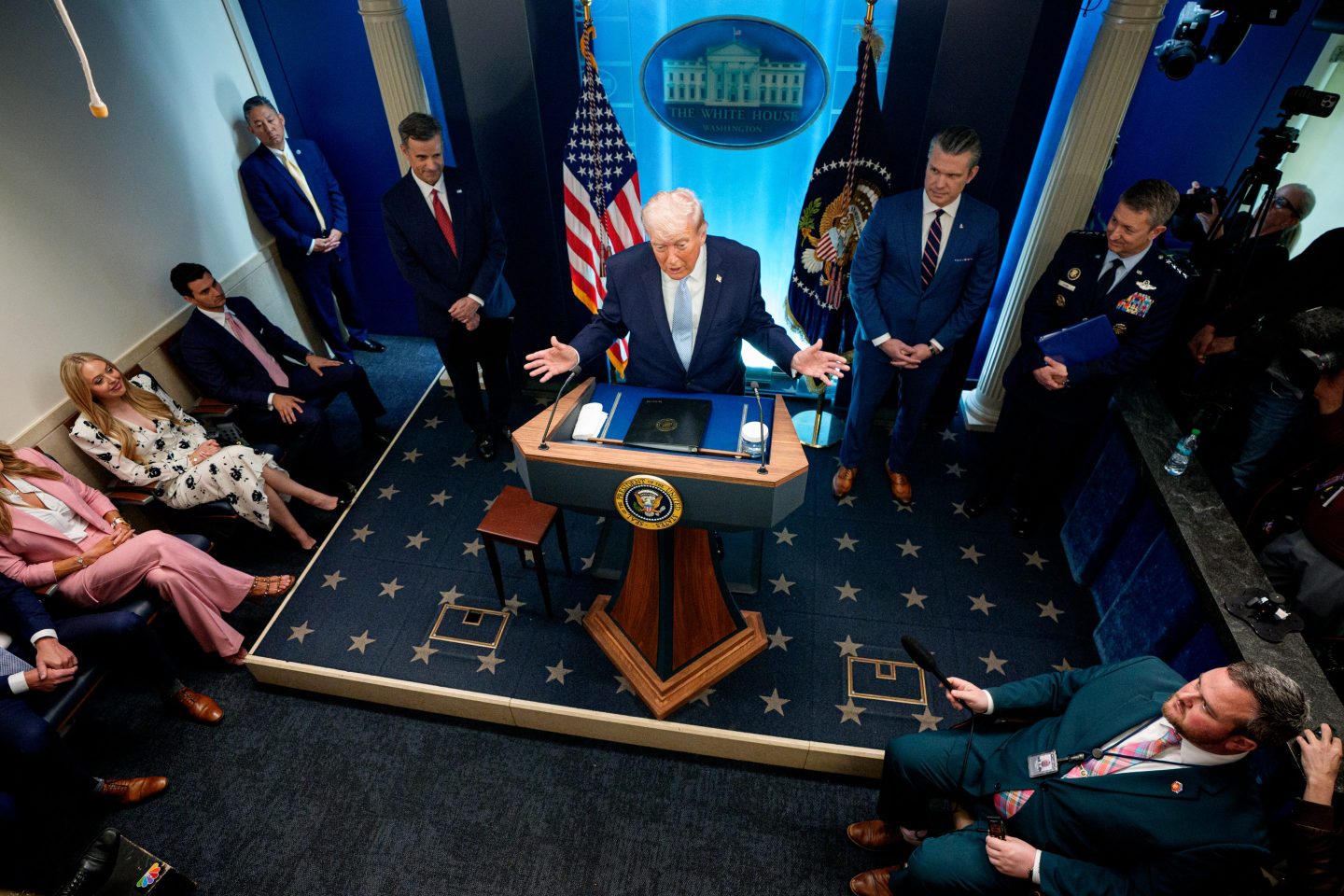
As a government shutdown starting on Oct. 1 looms, it could create far-reaching consequences for the private sector.
In addition to the millions of federal workers who will become furloughed or forced to work without pay, federal contracts with private-sector employers would halt, forcing HR teams to figure out how to support affected employees financially and how their business will be impacted.
Around the Table
A round-up of the most important HR headlines.
- Regulators are cracking down on companies seeking reimbursement for training and business trips after an employee leaves the company. Lawmakers say the practice can trap employees in bad jobs, but companies argue it's their only protection against chronic job hoppers. New York Times
- Appliance company Dyson was among the first to push for in-person work, asking certain departments to come to the U.K. office even amid countrywide lockdowns. More than two dozen former employees are now speaking up about the company’s return-to-office mandate, reporting that they felt pressured to send “aggressive” reminders to their staff and threaten employees. Financial Times
- A new Adobe survey of over 1,000 Gen Z employees finds that only 52% have a mentor despite 83% saying mentorship is essential to their workplace development. Fast Company
Watercooler
Everything you need to know from Fortune.
No-gotiations. More than half of professionals say they didn’t negotiate their salary the last time they had pay discussions. Professionals aged 36 to 40 were most likely to negotiate, while workers aged 21 to 25 were the least, according to a Glassdoor survey. —Jane Thier
EV faceoff. Elon Musk cautioned that the striking United Auto Workers' demands, like a 40% pay raise and a four-day workweek, could bankrupt GM, Ford, and Stellantis. UAW head Shawn Fain is optimistic about a future where similar demands are brought to Musk’s Tesla, which has terminated employees in the past for trying to organize. —Christiaan Hetzner
Something on the side. Almost three-quarters of Gen Z have side hustles to make more money, a trend that EY Americas’ cultural insights and customer strategy leader says is a defense against Great Recession-like collapses. —Paolo Confino
This is the web version of CHRO Daily, a newsletter focusing on helping HR executives navigate the needs of the workplace. Sign up to get it delivered free to your inbox.