Europe is looking to outmaneuver the geopolitical tensions threatening its supply chain by tempting the world’s largest technology companies to its doorstep—a plan which seems to be working.
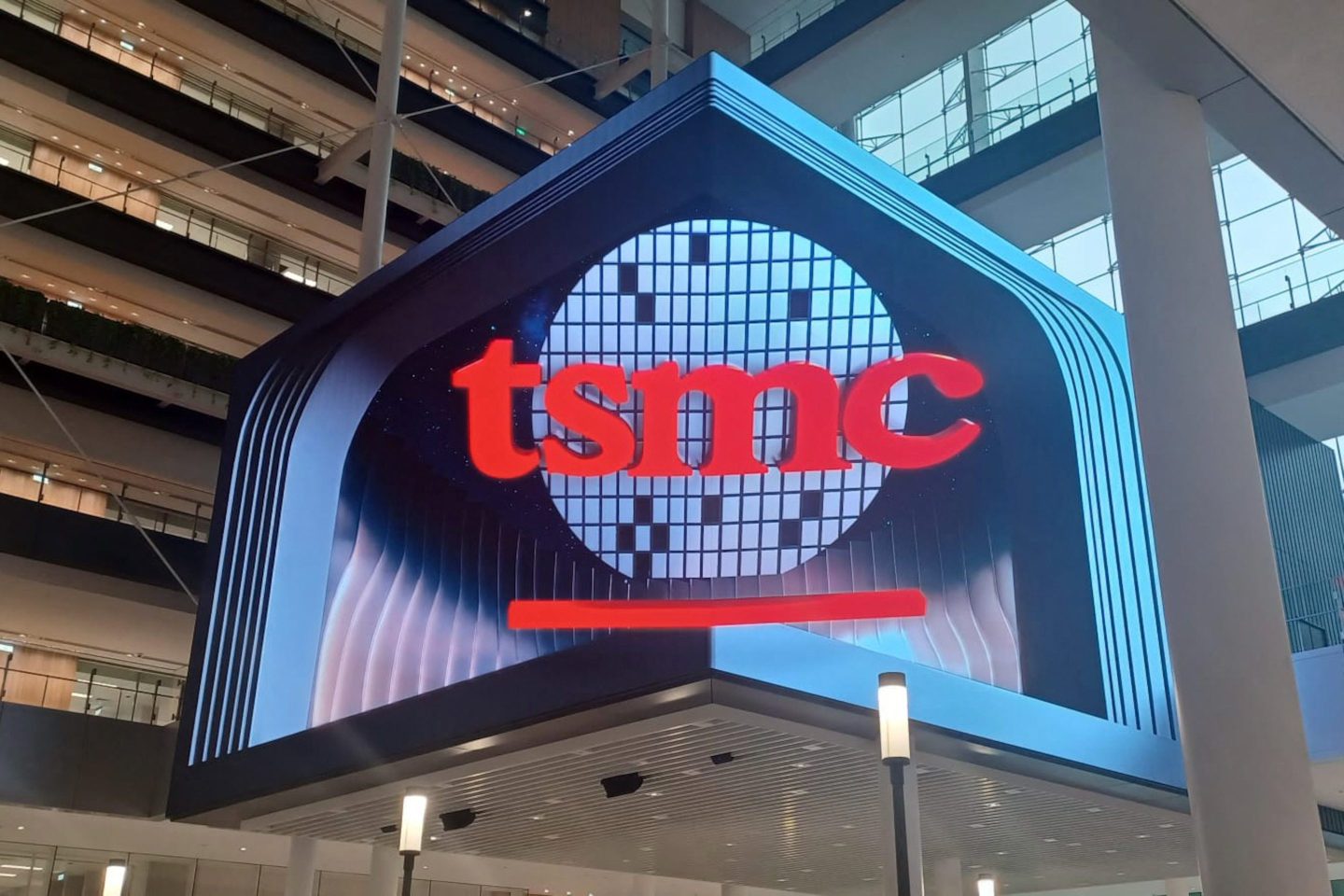
The world’s second-largest chip manufacturer, the Taiwan Semiconductor Manufacturing Company (TSMC), announced on Tuesday it will be opening a €10 billion ($11 billion) factory in the German city of Dresden.
Welcome to Germany 🇩🇪, TSMC @TWSemicon ! TSMC, Bosch, Infineon, and NXP just announced that they will establish a joint venture to bring advanced semiconductor manufacturing to Europe in Dresden, Germany with the construction of a 300mm fab to support the future capacity needs of…
— Jörg Kukies (@joergkukies) August 8, 2023
The move comes just months after Intel, another chip manufacturing giant, announced a €30 billion ($32 billion) factory in Magdeburg, making it one of the largest foreign direct investments in Germany’s history.
But both factories have come with a silver lining courtesy of the German government—a subsidy. The country’s central government announced this summer it had earmarked €20 billion ($22 billion) in subsidies to bolster the semiconductor industry.
It’s not the first time such tactics have been employed by central governments to tempt critical tech manufacturers to their door.
In an effort to cut reliance on foreign suppliers a year ago, U.S. President Joe Biden announced the CHIPS and Science Act to start making chips in his own country eventually.
The program will invest $280 billion in the American semiconductor industry, including $52 billion in subsidies. Semiconductor company Micron Technology said it would pour $40 billion in making chips by 2030, marking a significant domestic investment in the U.S.
In Germany, Intel will reportedly receive a €10 billion ($11 billion) subsidy, while Bloomberg reports TSMC’s Dresden factory will win €5 billion ($5.5 billion) in subsidies.
TSMC looks keen to hit the ground running. Construction of the factory will begin in the latter half of 2024, while the production of chips—used in a variety of automotive and industrial applications—is slated for 2027.
The company—which reported revenue of $15.68 billion in Q2 2023—said it will work with Robert Bosch, Infineon Technologies and NXP Semiconductors in the east German city of Dresden on its new facility, according to a statement by the companies. TSMC will own 70% of the joint venture while the other companies will each have a 10% equity stake.
“This investment in Dresden demonstrates TSMC’s commitment to serving our customers’ strategic capacity and technology needs,” TSMC CEO CC Wei said in a statement.
Likewise the goal of Intel’s expansion would be to secure the semiconductor supply chain within the European Union by making it “more resilient,” the company said in June.
Europe joins the game
Geopolitical tensions in chip-making hubs like Taiwan have spooked investors and governments alike.
Veteran investor Warren Buffett sold his multibillion-dollar stake in TSMC earlier this year, saying his money felt better deployed in geographies like Japan.
Issues have arisen in Taiwan as China has claimed sovereignty over the island, considering the territory a renegade province. Beijing has threatened to use force if Taiwan unilaterally declares independence as a separate country.
The European Union has similarly moved to sure-up supplies of the vital chips: approving the EU Chips Act in July, pledging to invest €43 billion ($47 billion) into the semiconductor industry.
The European Commission also relaxed rules governing aid to companies like Intel and TSMC in the lead up to the Chips Act’s enactment. And although Europe hasn’t competed directly with Asia for chip supremacy, it has, over time, built a niche focused on processors and semiconductors for specific uses, making it an area of immense opportunity for chip companies.
Europe also has a goal to achieve—it aims to hit 20% in global semiconductor market share by 2030, up from about 8% today.
“Europe is a highly promising place for semiconductor innovation, particularly in the automotive and industrial fields, and we look forward to bringing those innovations to life on our advanced silicon technology with the talent in Europe,” Wei said.
German Chancellor Olaf Scholz has put Germany at the forefront of Europe’s mission to build out chip-making capacity. Last month, China announced export restrictions on two rare earths, gallium and germanium, that are used to make computer chips, which left many countries scrambling for alternatives. Germany is among the largest importers of those metals, and Scholz said he was committed to making itself and the European region less reliant on Chinese trade.
“Many people around the world have understood that we have to become resilient, and that there are certain industries that should necessarily be located here in Europe and in Germany,” Scholz said in July, according to Reuters.