Since the fall of Roe v Wade a year ago, returning the issue of abortion rights to the states has resulted in chaos–and created an unfunded burden for employers. Currently, 24 states restrict abortion access, and of those, 14 ban most abortions. In the 100 days post-Roe, 90% of counties did not have a facility that provided abortion, and 48% of women in America aged 15–44 lived in these counties.
In the aftermath of the leak and subsequent ruling of the U.S. Supreme Court on Dobbs v. Jackson Women’s Health Organization, hundreds of companies sought to mitigate harm to workers by adapting benefits to support travel or healthcare costs out of state in anticipation of the aftermath of abortion restrictions and bans.
However, the patchwork of state laws and uncertain legal landscape make it harder for employers to mitigate the harm caused when workers and their families cannot get the healthcare they need. Recent telehealth and medication-by-mail restrictions, laws criminalizing travel across states, and attempts to punish employers who help their workers access care exacerbate the issue.
Simultaneously, no amount of time off, insurance benefits, and bus or plane tickets from employers can prevent widespread harm. The restrictions and bans are already having their intended impact: reducing the number of abortion providers. Additionally, it’s generating collateral damage across the healthcare industry. States with bans are already seeing a decline in medical residency students, obstetricians, and gynecologists, among other kinds of doctors.
The recent passage of bans in the Carolinas leaves the country’s Southeast region without abortion access. Unfortunately, this also impacts the availability of assisted reproductive technology such as IVF, LGBTQ+ inclusive healthcare, family planning, and maternal healthcare.
The medical fallout is eerily invisible, but complex stories of forced pregnancy are starting to surface. A Florida mother was reportedly forced to continue an unviable pregnancy, traumatizing her husband and four-year-old. In Louisiana, two emergency rooms reportedly turned a mother away when she was experiencing a miscarriage. In Texas, a woman and her partner may be unable to have children because of delays and dangerous complications to her obstetric care. A woman in Georgia was reportedly denied Mifepristone because of ambiguity around the litigation, which makes some providers reluctant to provide it. She experienced severe complications, leading her and her husband to speak out.
While demographic trends take time to assess, early polling indicates that abortion bans will likely depress talent mobility. By a margin of 2:1, workers prefer to live in a state where abortion is legal and accessible, consistent with statewide races and ballot measures on abortion in states like Kansas, Kentucky, Michigan, and Wisconsin.
The current and future workforce vote with their feet: More than 81% of currently enrolled students and 85% of yet-unenrolled students say they would prefer to attend a university in a state with greater access to reproductive health services. In contrast, fewer than two in 10 prefer college in a more restrictive state. And more than half of young women plan where to live based on whether abortion is accessible in a state.
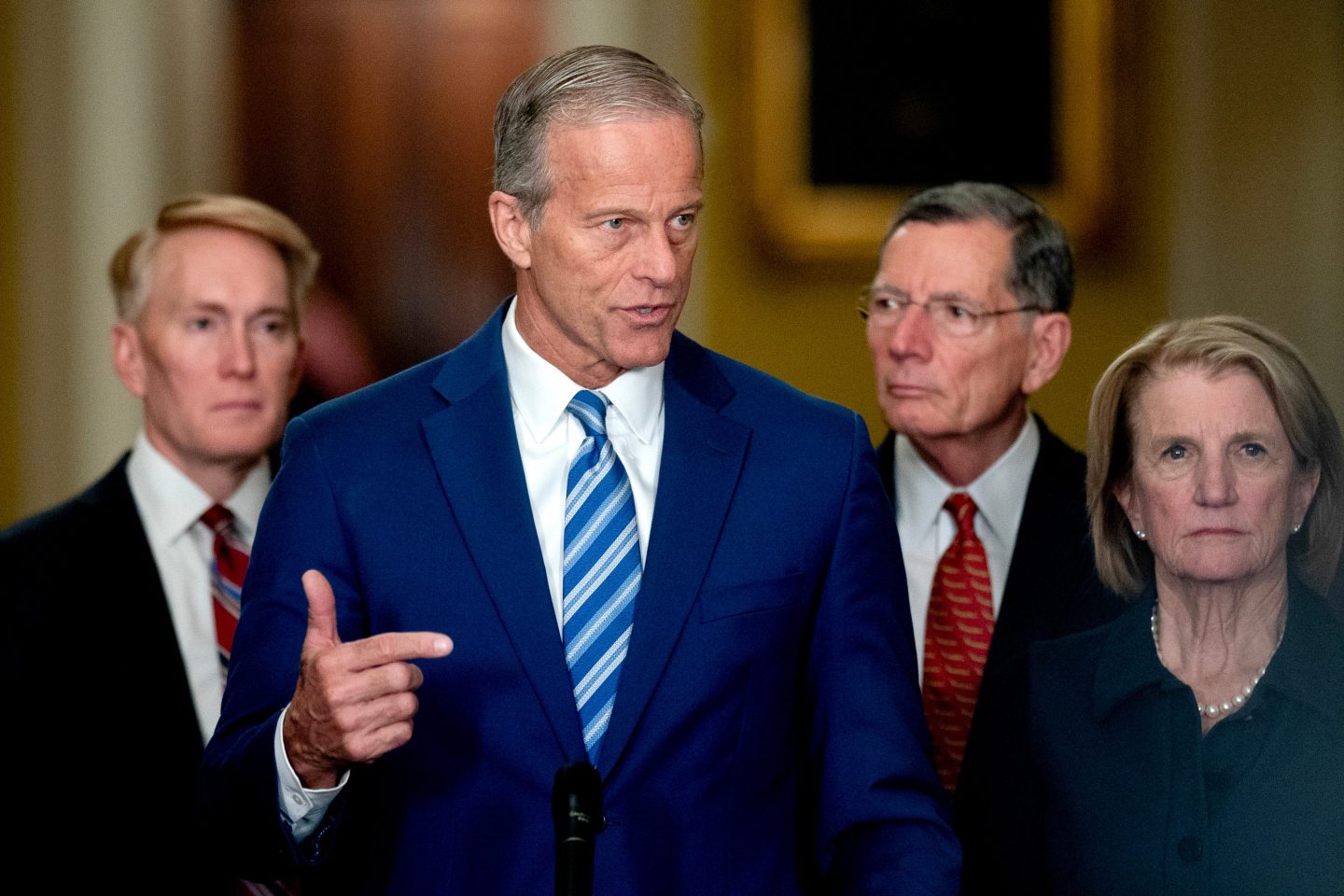
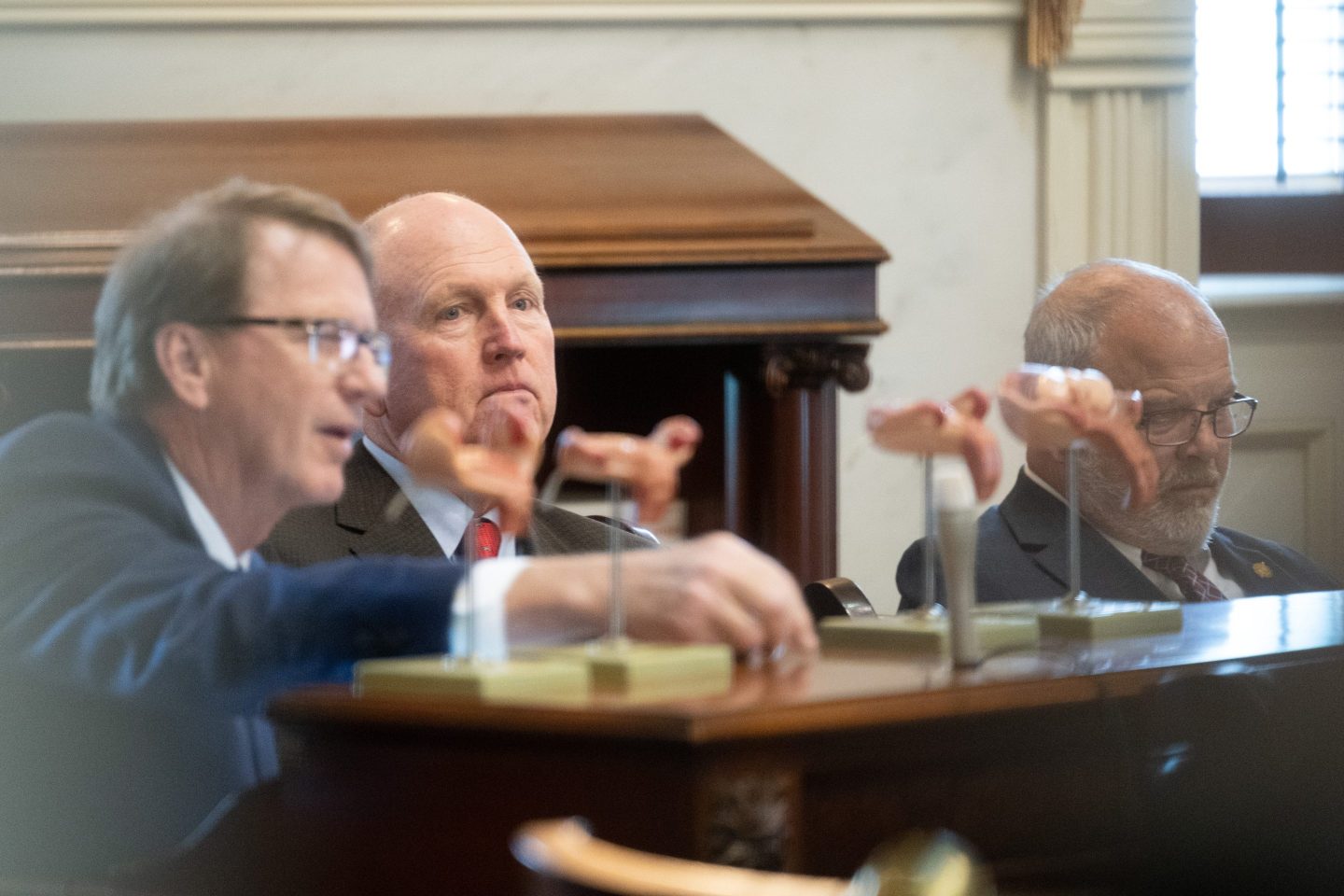
The unsustainable patchwork of state laws and tumultuous litigation landscape demands a federal standard to clarify and codify access to reproductive healthcare for the workforce and employers. Only Congress can enact a 50-state solution to end the chaos and administrative burdens stretching across state lines.
Government overreach, judicial interference, diminishing data privacy, and threats to interstate commerce create significant instability for corporate America. The health care industry’s specific concerns are glaring–and have unforeseen consequences for other sectors: Threats to the authority of regulatory agencies such as the FDA endangers innovation in the pharmaceutical and biotech industries. Companies in the health insurance, retail, and financial services industries are navigating an increasingly complex liability landscape. Industries including tech and retail have to manage consumer vulnerability to data tracking and surveillance. All employers face potential legal risks presented by the potential for coercive workplaces as a result of efforts in some states to reward bounties for reporting “aiding and abetting.”
The fall of Roe v. Wade a year ago was just the end of the beginning. The burden left to businesses of all sizes to mitigate the harm of returning the issue to the states while expecting a ready and healthy workforce is too much for the private sector to bear alone. Congress must step up.
Jen Stark is the co-director of business and social justice at BSR (Business for Social Responsibility) and a founding coalition member of Don’t Ban Equality (DBE).
The opinions expressed in Fortune.com commentary pieces are solely the views of their authors and do not necessarily reflect the opinions and beliefs of Fortune.
More must-read commentary published by Fortune:
- The ‘Elon Paradox’: He sells Teslas–but you’d expect him to drive a Ram. Here’s what your car says about your politics
- The alt-right economy is failing. Here’s the real performance of anti-woke entrepreneurs
- E-bike injuries: ‘We’re only seeing the tip of the iceberg,’ trauma experts warn
- Asana CEO: ‘The way we work right now will soon look vestigial. Here’s how A.I. will make work more human’