Americans think their money is safe in their banks–but they’re more split regarding exactly how secure those institutions are. At least nine in 10 respondents said that they feel their money is safe at their bank or credit union, regardless of its size, according to a new Harris Poll survey of 2,054 Americans, whose responses have been weighted for age, sex, race and ethnicity, education, region, household income, and propensity to be online to bring them into line with their actual proportions within the U.S. population.
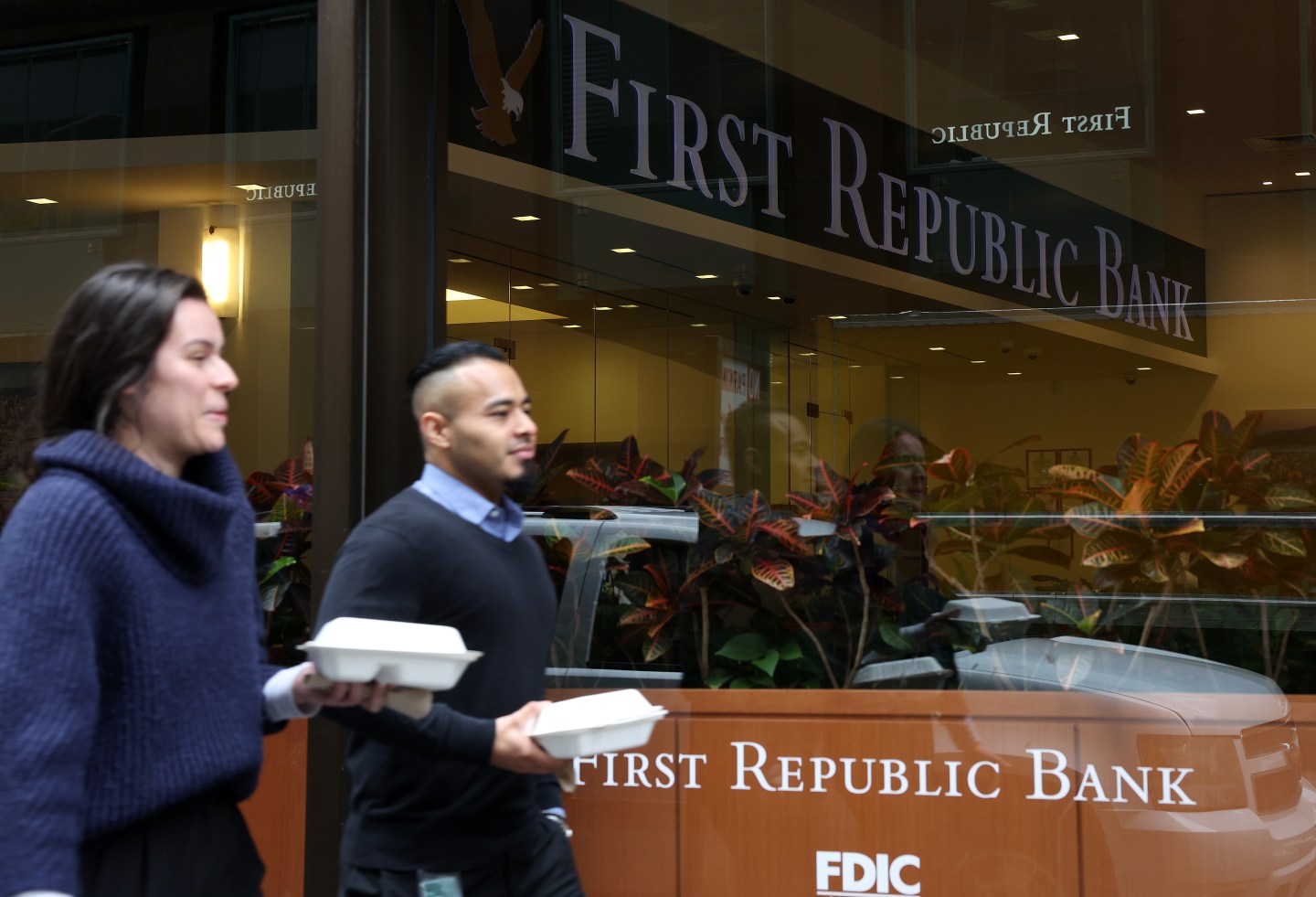
This is good news for banks, assuming that Americans act on their beliefs or, more precisely, don’t act by pulling their money out, which would exacerbate the banking crisis. Surprisingly, the customers of small financial institutions were slightly more likely to believe that their money is safe (93%) than the customers of medium and large banks. The remarkable disconnect between how safe the public believes their money is and the state of the institutions in which it resides is likely due to the federal government’s proclaimed backstop for depositors at Silicon Valley Bank and Signature Bank, as well as the rescue of First Republic by large banks.
Federal law protects deposits of up to $250,000 in FDIC-insured institutions but the Silicon Valley and Signature bailout–where more than 90% of deposits were uninsured because they exceeded that threshold–took care of every depositor, regardless of account size. That has raised the question of whether the Fed will now bail out accounts of any size.
While Federal Reserve Chairman Jerome Powell recently told reporters that the Silicon Valley and Signature bailouts “demonstrate that all depositors’ savings in the banking system are safe,” Treasury Secretary Janet Yellen has ruled out universal deposit insurance as “not something we have looked at…not something we’re considering.”
Judging by our survey, Americans expect something like the Powell declaration will play out. However, judging by the S&P 500’s net 1.7% drop after Yellen backtracked, markets still have Yellen-powered jitters.
Here are three other noteworthy trends:
Younger Americans still have scars from 2008
Younger Americans, especially those who watched their parents wrestle with the financial crisis of 2008, are more worried than older Americans. Generation Z respondents aged 18 to 26 are least often confident in their money’s safety. And they are especially wary of larger institutions: 81% of small-bank customers said that their money is safe and 84% of medium-bank customers said the same–but just 78% of large bank customers felt the same.
Those with the most to lose worry the most
Unsurprisingly, wealthier Americans are the most worried about bank failures. A majority–55%–of those with household incomes of over $100,000 worry about small banks closing (versus 46% overall), 50% are concerned about medium-sized banks (compared with 44% overall) and 48% worry about large banks (compared with 42% nationally). It’s the only financial range with at least a plurality expressing concern about closings.
Where you work affects your outlook
The through line is the endless anxiety loop that has characterized this decade: War abroad, and social and political upheaval at home. The COVID era recently has entered its fourth year with thousands still dying weekly. Inflation remains high and a recession may well be in the offing.
The good news? This state of continuous crisis has prompted Americans to reprioritize, with an emphasis on experiences together.
In-person workers are less concerned about banks closing than their remote and hybrid colleagues. Those who go into the office every day are the only net-unconcerned demographic group, regardless of bank size. Clear majorities of remote and hybrid workers worry about bank failures. Perhaps generalized insecurity stemming from nontraditional work arrangements is making them more nervous.
Banks may come, go, or merge–but nothing beats spending time with family and friends. They have taken on unique importance in today’s post-pandemic world. Perhaps more than ever, Democrats, Independents, and Republicans agree that time spent with family and friends is meaningful and fulfilling. For most Americans, time is more important than money.
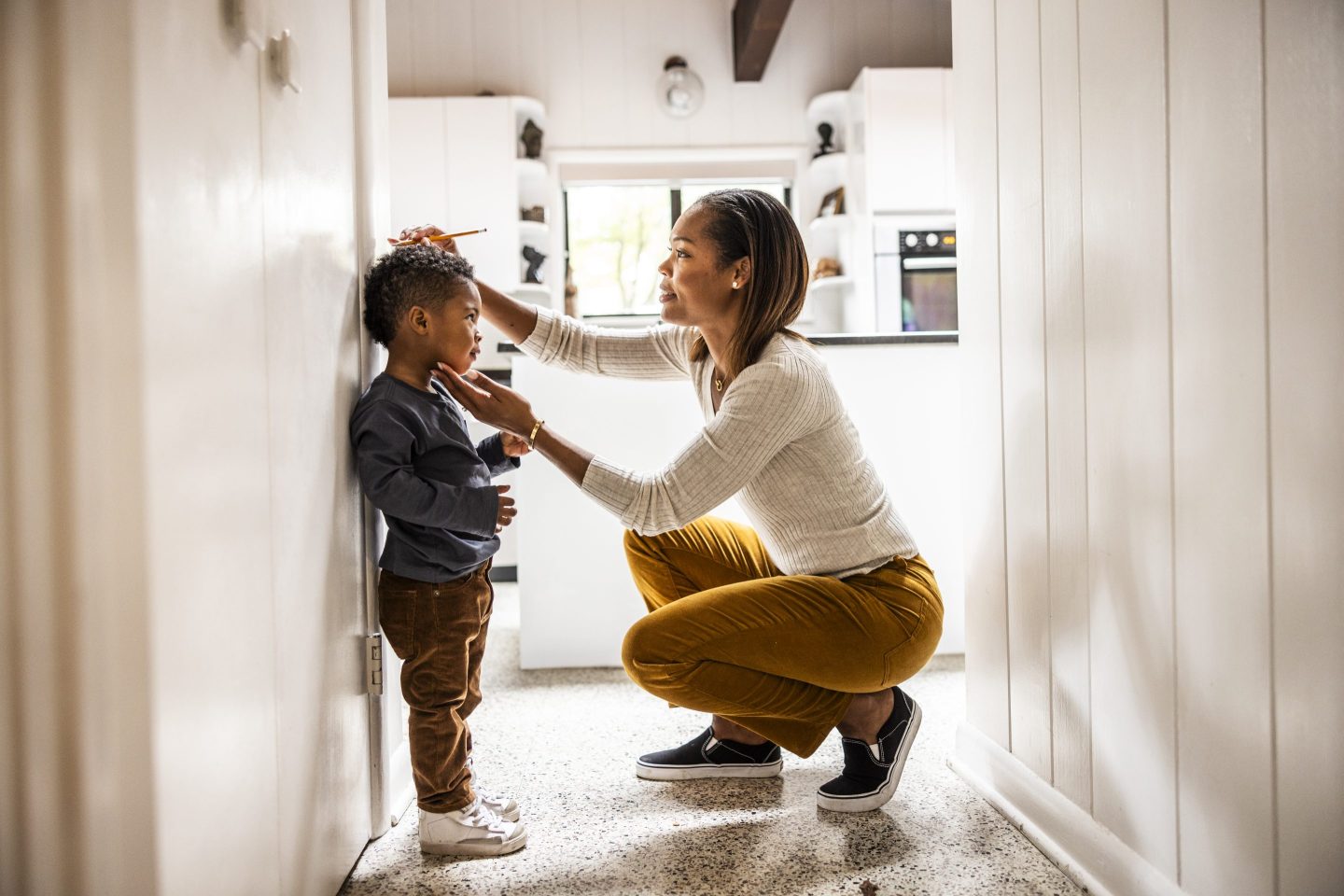
As a father of two sons myself, it’s encouraging to see parents spend more time with their children, teaching lessons and creating memories. Face-to-face fathering is on the rise, and that can only bode well for future generations.
Americans face crises at home and abroad, but our social circles can provide a safe haven while the outside world corrects itself.
Will Johnson is the CEO of The Harris Poll.
The opinions expressed in Fortune.com commentary pieces are solely the views of their authors and do not necessarily reflect the opinions and beliefs of Fortune.
More must-read commentary published by Fortune:
- A recession in 2023 is now inevitable. Layoffs in tech and finance will spread to other sectors
- Energy analysts have been making gaseous calls since Russia invaded Ukraine. It’s time to clear away the smoke of economic groupthink
- I am a Starbucks barista who doesn’t qualify for all the wonderful benefits you keep hearing about. We want the ‘different kind of company’ that Howard Schultz promised but failed to deliver
- The average NFL owner is 75–and not rich enough to hang onto their team