• Home
  • Latest
  • Fortune 500
  • Finance
  • Tech
  • Leadership
  • Lifestyle
  • Rankings
  • Multimedia
TechNet neutrality

Netflix, Meta and other U.S. internet companies could be forced to pay to reach users in Europe. Here’s why a new net neutrality fight is erupting.

By
David Meyer
David Meyer
Down Arrow Button Icon
By
David Meyer
David Meyer
Down Arrow Button Icon
March 4, 2023, 4:30 AM ET
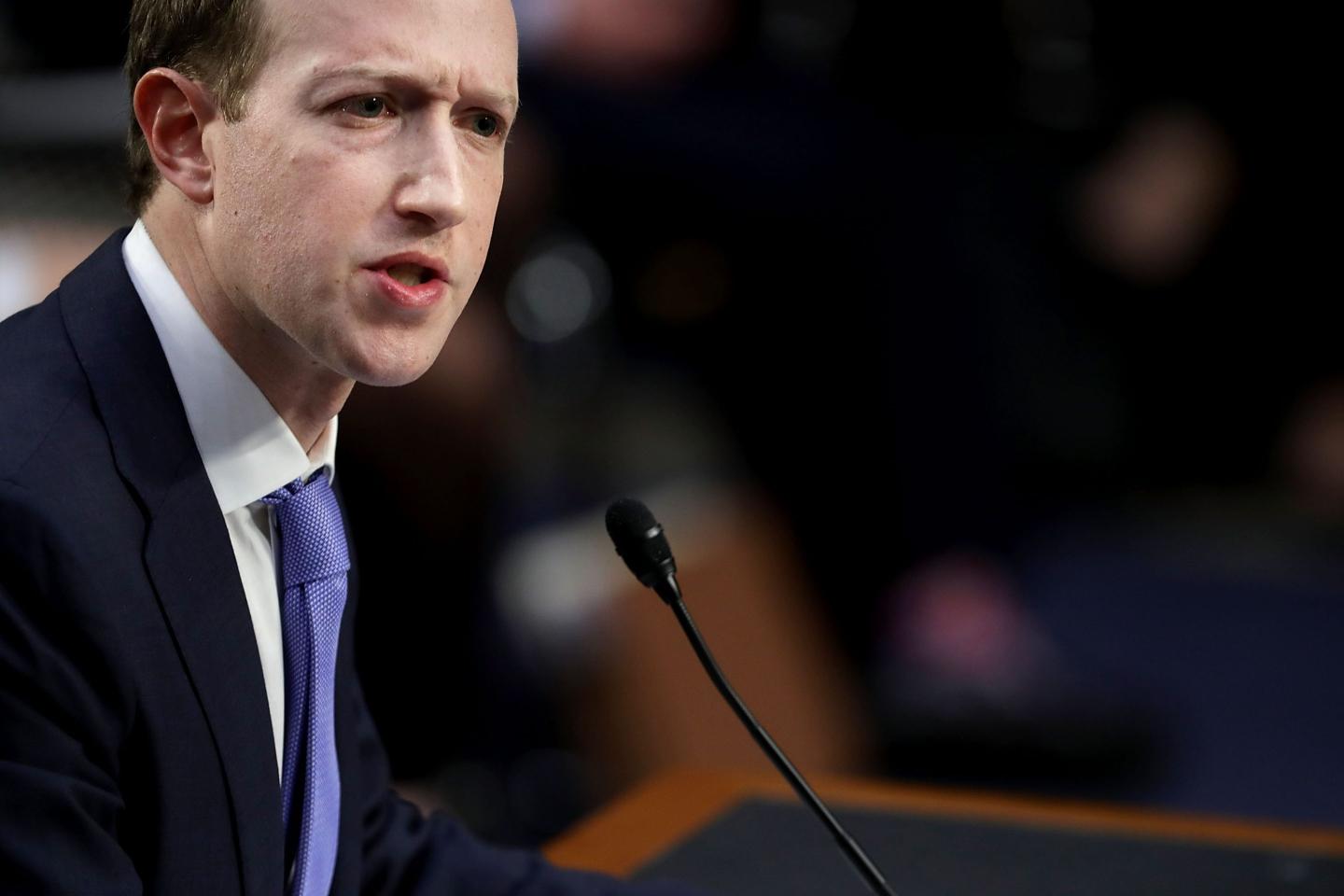
Meta CEO Mark Zuckerberg
Meta CEO Mark ZuckerbergChip Somodevilla—Getty Images

It is now more than seven years since the European Union adopted a “net neutrality” law, banning internet service providers from favoring one tech firm’s traffic over another’s. Blocking or slowing down internet services for commercial reasons in the EU is strictly verboten—a matter of settled law—unlike in the U.S. where net neutrality rules can be suspended or reinstated depending on who is in power.

Or so it seemed.

Since the rules were adopted in 2015, the world’s fondness for globalization has shifted towards protectionism. That’s opened a window for revisiting past business disputes and debates such as the longstanding feud between the companies that provide the internet’s “pipes” and those that provide its content.

U.S. Big Tech has become richer and more powerful thanks to apps that generate ever-larger volumes of content, from streaming videos and music to Zoom calls. But the European network operators carrying all that content for its denizens face ultra-competitive markets that force down their rates. What’s more, Europe needs as much as €400 billion in extra infrastructural investment to meet its metaverse-friendly target of giving everyone access to “gigabit connectivity”—5G and fast fiber—by 2030. 

If Europe’s network operators were feeling gloomy about all this, they got a ray of sunshine in late February when Internal Market Commissioner Thierry Breton—a former CEO of France Télécom, now known as Orange—launched a consultation to address what he called “questions about the fair share of funding for the next generation of connectivity infrastructure.” 

The questionnaire includes a section entitled “Fair contribution by all digital players,” setting out the operators’ demands to have the likes of Netflix and Meta chip in for their costs rolling out new networks. The document also includes some of the counter-arguments to making content providers pay for network access, such as claims that it would endanger the fundamental model that makes the internet work and likely breach net neutrality rules.

An epic battle of industry superpowers

Indeed, there have been howls of protest from nearly every corner since May, when Breton signaled his intentions by declaring that operators are no longer getting “the right return on their investments [and] it is necessary to reorganize the fair remuneration of the networks.”

Consumer organizations warned of a “potential distortion of competition on the telecom market, negatively impacting the diversity of products, prices and performance,” while civil society groups added that the so-called sender-pays model could negatively affect freedom of speech and trade.

“We will be talking about a potential fragmentation of the internet” if the fees are baked into EU law, Konstantinos Komaitis, a veteran internet policy expert who spearheaded a letter from dozens of internet experts opposed to Breton’s plans, told Fortune.

When Breton finally triggered the showdown last week, U.S. tech giants and their lobbyists were incandescent. “By not recognizing that value flows both ways between telecoms companies and content-hosting platforms, this consultation is based on a false premise,” thundered a Meta spokesperson. “Europeans already pay telecom operators for internet access, they should not have to pay telcos a second time through pricier streaming and cloud services,” Christian Borggreen, who heads the European branch of the Computer & Communications Industry Association, said in a statement. 

The EU’s Thierry Breton – the former CEO of one of Europe’s largest telecom operators – has put net neutrality back on the agenda.
Thierry Monasse—Getty Images

At Mobile World Congress in Barcelona this week, Netflix co-CEO Greg Peters reminded his network-operator keynote audience that his company had invested over $1 billion on a content-delivery network that improves the quality for their Netflix-watching customers. He also rejected claims that operators are facing rising infrastructural costs due to ballooning traffic volumes.

“It’s worth noting that our operating margins are significantly lower than either British Telecom or Deutsche Telekom. So we could just as easily argue that network operators should compensate entertainment companies for the cost of our content—exactly as happened under the old pay-TV model,” Peters noted. “But, we aren’t asking for that. I believe the better approach is for entertainment companies and operators to focus on what we each do best—creating a rising tide that will lift all boats.”

Look what happened in South Korea

As far as the big network operators are concerned, Netflix and its peers aren’t doing as much as they say they are to keep data volumes manageable.

“There is no real incentive for [tech giants] to properly and fully manage the traffic that they send to the network,” said Alessandro Gropelli, the deputy director general of the European Telecommunications Network Operators’ Association (ETNO). “A fair share [fee] would rebalance this relationship.” 

Gropelli warned that, at its current pace of network investment, the EU would miss its universal high-speed-access target by 45 million citizens. He also dismissed fears that “fair share” fees would violate net neutrality, insisting that operators would never block or throttle the traffic of content providers who refuse to pay up. 

“We are not talking about traffic prioritization, which is forbidden in Europe,” Gropelli said. “The proposal of telcos right now is to establish a principle that you should be allowed to add a certain fair share of cost recovery in the context of the commercial negotiation. We are not fundamentally changing how the internet works.”

But some argue that South Korea’s experience suggests otherwise. The country introduced a sender-pays system in 2016 and remains the only nation to have done so. Experts say the decision reduced service quality, because foreign content providers stopped hosting their services within Korea in a bid to sidestep having to pay the new connection fees. 

There is no clear policy objective for Europe to follow the South Korean example, says Komaitis, a non-resident fellow at the Lisbon Council (a think tank that is partially funded by Meta, Amazon and Google, though Komaitis says this has not influenced his longstanding views on internet policy.)

“The interconnection market is working perfectly,” Komaitis say. “We’re creating a problem.”

The European Commission insists it hasn’t made up its mind about anything. “The Commission will wait for the results of the exploratory consultation before engaging in a debate about the potential solutions that could be conceivable to address the connectivity challenges,” a spokesperson told Fortune. “We need to have a solid evidence base and a good understanding of the ongoing transformations before tabling any proposal.”

The spokesperson added that “the strong commitment by the Commission to protect a neutral and open internet sends a clear message, that any potential solutions will not break the currently established internet access service providers’ obligations and thus they will continue to be in line with the currently established net neutrality rules.”

When the Commission does decide what it wants to do, its proposals would have to be amended and cleared by the European Parliament and national governments—so the stage has now been set for an epic lobbying battle. And with the current Commission facing the end of its term next year, there may be pressure to advance the bill at speed.

Like a website straining under the load of too many users however, Europe’s net neutrality debate is turning into a longer process than expected.

Learn how to navigate and strengthen trust in your business with The Trust Factor, a weekly newsletter examining what leaders need to succeed. Sign up here.

About the Author
By David Meyer
LinkedIn icon
See full bioRight Arrow Button Icon

Latest in Tech

Finance
Lorem ipsum dolor sit amet, consectetur adipiscing elit, sed do eiusmod tempor incididunt ut labore et dolore magna aliqua. Ut enim ad minim veniam
By Fortune Editors
October 20, 2025
Finance
Lorem ipsum dolor sit amet, consectetur adipiscing elit, sed do eiusmod tempor incididunt ut labore et dolore magna aliqua. Ut enim ad minim veniam
By Fortune Editors
October 20, 2025
Finance
Lorem ipsum dolor sit amet, consectetur adipiscing elit, sed do eiusmod tempor incididunt ut labore et dolore magna aliqua. Ut enim ad minim veniam
By Fortune Editors
October 20, 2025
Finance
Lorem ipsum dolor sit amet, consectetur adipiscing elit, sed do eiusmod tempor incididunt ut labore et dolore magna aliqua. Ut enim ad minim veniam
By Fortune Editors
October 20, 2025
Finance
Lorem ipsum dolor sit amet, consectetur adipiscing elit, sed do eiusmod tempor incididunt ut labore et dolore magna aliqua. Ut enim ad minim veniam
By Fortune Editors
October 20, 2025
Finance
Lorem ipsum dolor sit amet, consectetur adipiscing elit, sed do eiusmod tempor incididunt ut labore et dolore magna aliqua. Ut enim ad minim veniam
By Fortune Editors
October 20, 2025

Most Popular

Finance
Lorem ipsum dolor sit amet, consectetur adipiscing elit, sed do eiusmod tempor incididunt ut labore et dolore magna aliqua. Ut enim ad minim veniam
By Fortune Editors
October 20, 2025
Finance
Lorem ipsum dolor sit amet, consectetur adipiscing elit, sed do eiusmod tempor incididunt ut labore et dolore magna aliqua. Ut enim ad minim veniam
By Fortune Editors
October 20, 2025
Finance
Lorem ipsum dolor sit amet, consectetur adipiscing elit, sed do eiusmod tempor incididunt ut labore et dolore magna aliqua. Ut enim ad minim veniam
By Fortune Editors
October 20, 2025
Finance
Lorem ipsum dolor sit amet, consectetur adipiscing elit, sed do eiusmod tempor incididunt ut labore et dolore magna aliqua. Ut enim ad minim veniam
By Fortune Editors
October 20, 2025
Finance
Lorem ipsum dolor sit amet, consectetur adipiscing elit, sed do eiusmod tempor incididunt ut labore et dolore magna aliqua. Ut enim ad minim veniam
By Fortune Editors
October 20, 2025
Finance
Lorem ipsum dolor sit amet, consectetur adipiscing elit, sed do eiusmod tempor incididunt ut labore et dolore magna aliqua. Ut enim ad minim veniam
By Fortune Editors
October 20, 2025
Fortune Secondary Logo
Rankings
  • 100 Best Companies
  • Fortune 500
  • Global 500
  • Fortune 500 Europe
  • Most Powerful Women
  • World's Most Admired Companies
  • See All Rankings
  • Lists Calendar
Sections
  • Finance
  • Fortune Crypto
  • Features
  • Leadership
  • Health
  • Commentary
  • Success
  • Retail
  • Mpw
  • Tech
  • Lifestyle
  • CEO Initiative
  • Asia
  • Politics
  • Conferences
  • Europe
  • Newsletters
  • Personal Finance
  • Environment
  • Magazine
  • Education
Customer Support
  • Frequently Asked Questions
  • Customer Service Portal
  • Privacy Policy
  • Terms Of Use
  • Single Issues For Purchase
  • International Print
Commercial Services
  • Advertising
  • Fortune Brand Studio
  • Fortune Analytics
  • Fortune Conferences
  • Business Development
  • Group Subscriptions
About Us
  • About Us
  • Press Center
  • Work At Fortune
  • Terms And Conditions
  • Site Map
  • About Us
  • Press Center
  • Work At Fortune
  • Terms And Conditions
  • Site Map
  • Facebook icon
  • Twitter icon
  • LinkedIn icon
  • Instagram icon
  • Pinterest icon

Latest in Tech

hollywood
CommentaryMarketing
I spent 20 years learning to navigate an industry. Then I built a campaign for the man who’s dismantling it
By Matti YahavApril 29, 2026
2 hours ago
Current price of Ethereum for April 29, 2026
Personal FinanceEthereum
Current price of Ethereum for April 29, 2026
By Joseph HostetlerApril 29, 2026
2 hours ago
An excavator works to clear rubble after the East Wing of the White House was demolished on October 23, 2025 in Washington, DC. The demolition is part of U.S. President Donald Trump's plan to build a multimillion-dollar ballroom on the eastern side of the White House.
PoliticsWhite House
Meet all 37 White House ballroom donors funding the $400 million build, including Silicon Valley tech giants, crypto bros and the Lutnicks
By Nino Paoli and Fortune EditorsApril 29, 2026
3 hours ago
gen z
Commentarydisruption
AI won’t kill your job — it will kill the path to your first one
By Jeffrey Sonnenfeld, Stephen Henriques, Johan Griesel, Andrew Alam-Nist and Peter YuApril 29, 2026
3 hours ago
Christina Cacioppo poses while sitting down in a suit jacket
NewslettersTerm Sheet
Exclusive: Vanta hits $300 million ARR as ‘shadow AI’ explodes across corporate America
By Lily Mae LazarusApril 29, 2026
5 hours ago
Tariff-proof pay: How boardrooms quietly made sure Trump’s trade war stopped at the CEO’s door
Big TechMarkets
Tariff-proof pay: How boardrooms quietly made sure Trump’s trade war stopped at the CEO’s door
By Jim EdwardsApril 29, 2026
6 hours ago

Most Popular

Apple cofounder Ronald Wayne—whose stake would be worth up to $400 billion had he not sold it in 1976—says that at 91, he has no regrets
Success
Apple cofounder Ronald Wayne—whose stake would be worth up to $400 billion had he not sold it in 1976—says that at 91, he has no regrets
By Preston ForeApril 27, 2026
2 days ago
‘The cost of compute is far beyond the costs of the employees’: Nvidia executive says right now AI is more expensive than paying human workers
AI
‘The cost of compute is far beyond the costs of the employees’: Nvidia executive says right now AI is more expensive than paying human workers
By Sasha RogelbergApril 28, 2026
1 day ago
'Take the money and run': Johns Hopkins economist Steve Hanke on why the UAE quit OPEC
Energy
'Take the money and run': Johns Hopkins economist Steve Hanke on why the UAE quit OPEC
By Shawn TullyApril 29, 2026
8 hours ago
Current price of gold as of April 28, 2026
Personal Finance
Current price of gold as of April 28, 2026
By Danny BakstApril 28, 2026
1 day ago
The U.S. military may have already used up half of its most expensive missiles, and it could take up to 4 years to rebuild its stockpiles
Politics
The U.S. military may have already used up half of its most expensive missiles, and it could take up to 4 years to rebuild its stockpiles
By Sasha RogelbergApril 24, 2026
5 days ago
Current price of silver as of Tuesday, April 28, 2026
Personal Finance
Current price of silver as of Tuesday, April 28, 2026
By Joseph HostetlerApril 28, 2026
1 day ago

© 2026 Fortune Media IP Limited. All Rights Reserved. Use of this site constitutes acceptance of our Terms of Use and Privacy Policy | CA Notice at Collection and Privacy Notice | Do Not Sell/Share My Personal Information
FORTUNE is a trademark of Fortune Media IP Limited, registered in the U.S. and other countries. FORTUNE may receive compensation for some links to products and services on this website. Offers may be subject to change without notice.