• Home
  • Latest
  • Fortune 500
  • Finance
  • Tech
  • Leadership
  • Lifestyle
  • Rankings
  • Multimedia

Trendingnow

1

He worked 100-hour weeks to save a nearly bankrupt boat company. At 83, he’s just turned down $400 million for it—and gave it all to charity instead

2

Costco's $14 million email settlement: Who qualifies for an up-to $500 payment and how to claim before the Aug. 24 deadline

3

Mamdani’s pied-à-terre tax was designed to hit the wealthy, but it’s sending most New Yorkers to their estate lawyers

1

He worked 100-hour weeks to save a nearly bankrupt boat company. At 83, he’s just turned down $400 million for it—and gave it all to charity instead

2

Costco's $14 million email settlement: Who qualifies for an up-to $500 payment and how to claim before the Aug. 24 deadline

3

Mamdani’s pied-à-terre tax was designed to hit the wealthy, but it’s sending most New Yorkers to their estate lawyers
Commentarytrust

To regain public trust, governments need to work with the only institution people believe in—the private sector

By
Charles Dunst
Charles Dunst
Down Arrow Button Icon
By
Charles Dunst
Charles Dunst
Down Arrow Button Icon
January 31, 2023, 7:30 PM ET
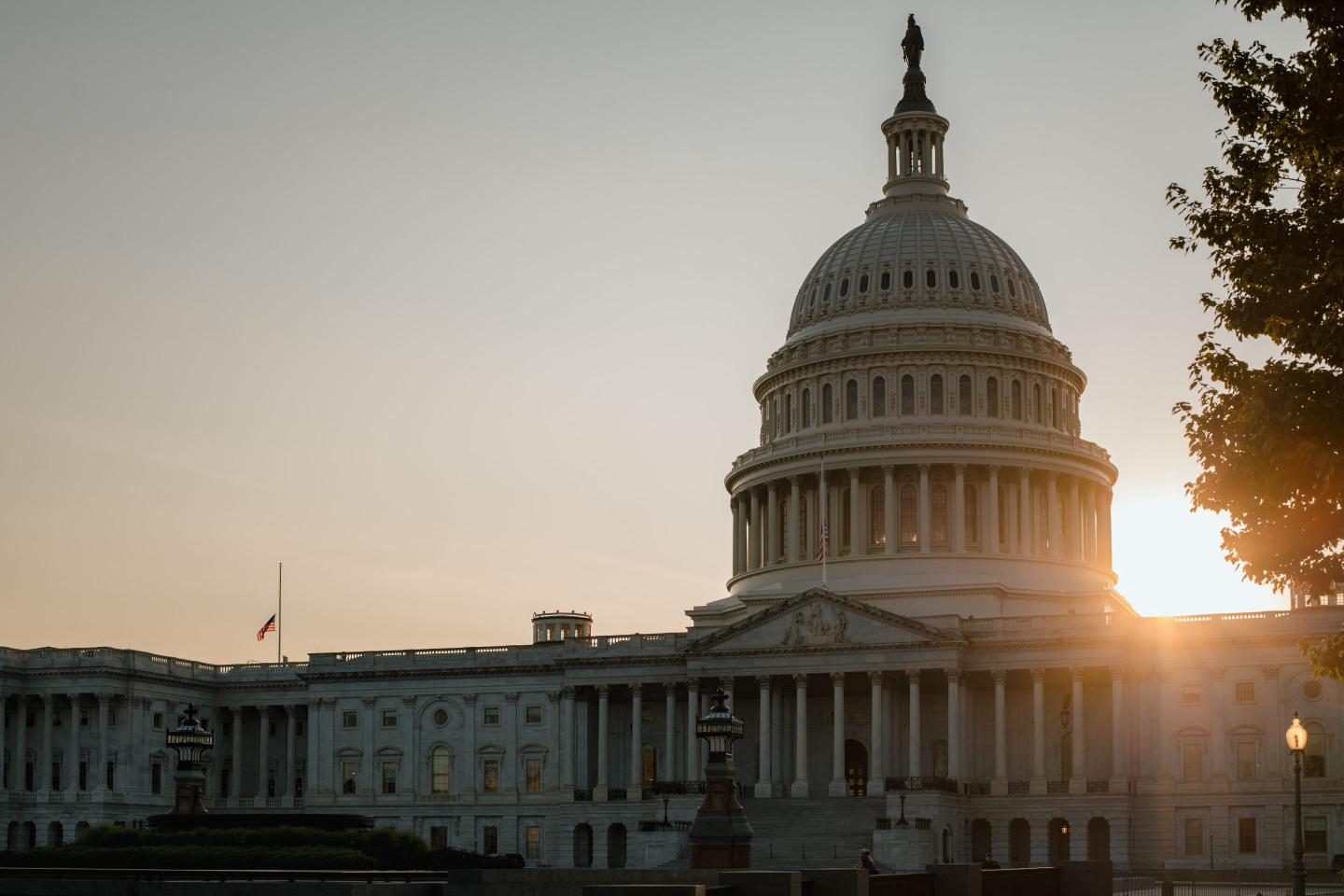
Charles Dunst argues that the best way for governments to solve their trust crisis is to work with the social institution people still trust: the private sector.
Charles Dunst argues that the best way for governments to solve their trust crisis is to work with the social institution people still trust: the private sector.Getty Images
Add Fortune on Google for similar content.

Democracies everywhere are experiencing a trust crisis.

Polling by the global public relations firm Edelman shows that from 2021 to 2023 alone, public trust in government fell by 12 percentage points to 47 percent in Germany; by 16 points to 34 percent in South Korea; and by ten points to 37 percent in the United Kingdom.

As people’s trust in governments erodes, so too does their faith in democracy. If people don’t believe in their government, why would they believe in that government’s ruling principles?

Yet at the same time, people continue to trust the private sector. From 2019 to 2020, Edelman found that business was tied for the most publicly trusted institution across 27 of the world’s wealthiest countries, most of which are democracies. In 2021, business became the only institution with positive ratings for trust; majorities of people distrusted non-profits, the government, and the media; business was the only institution that majorities considered both ethical and competent.

Commentators regularly criticize financial firms and tech companies alike, lamenting the private sector’s supposed harm to democracy and castigating capitalism’s failure to deliver. But the general public clearly disagrees. In 2022, they again gave business top marks for ethics and competence, and in 2023 deemed the private sector the only trusted institution.

Like it or not, people trust Walmart more than they trust the U.S. Congress. They trust Tim Cook more than they do Rishi Sunak.

That trust means that policymakers must see the private sector not as a cause of democracy’s problems, but rather a solution: They can capitalize on people’s trust in business and support for the private sector to rebuild lagging public trust in government—and strengthen democracy.  

Why do people trust business, even if they are skeptical or even critical of capitalism?

They consider the private sector dynamic and productive, in contrast to rigid and ineffectual governments. Whereas SpaceX literally reaches for the stars or Apple creates the world of tomorrow, governments from Downing Street to the White House look as if they are stuck in the world of yesterday. The active private sector offers the promise of a better life, whereas tired governments remind people of what they’ve lost, and how cloudy their futures appear to be.

Rather than criticize business, politicians should learn to work with the private sector through principled and coordinated public-private partnerships based on shared goals.

Such partnerships can be hugely successful. In 1996, the Australian government and four private firms upgraded the Ballina Bypass highway seven months ahead of schedule and for $100 million less than estimated.

Public-private partnerships have also allowed Japan to maintain its world-class railways despite declining revenue. Germany in the early 2000s created several government bodies to connect the private sector and smaller municipalities with public-private partnership experts and offer them support mechanisms. That formula has produced successful cooperation on the construction of everything from administration buildings to sports facilities.

Perhaps the most successful public-private partnership in recent years is the development of COVID-19 vaccines. The Trump administration sped up the production of several vaccine candidates with $10 billion in government funding. Germany took a similar approach to funding Pfizer’s COVID-19 vaccine. Washington then passed the Inflation Reduction Act (IRA) and CHIPS and Science Act, both of which earmark billions for what are essentially public-private partnerships.

Still, companies are not in the business of fixing societal problems. They are in the business of making money.

But if officials work with the private sector to harmonize these goals while maintaining government oversight, the result would be both better governance and a huge lift in public trust. That lift would be a shot in the arm for democracies, because despite gloomy headlines about lacking faith in democracy, people want to trust their governments. They believe in Britain or America or Japan even if they don’t believe in their democracies right now.

Some 84 percent of Americans say that the level of confidence they and their compatriots have in the federal government can be improved. In fact, from January to May 2020—when the COVID-19 pandemic truly took hold—several democracies saw huge increases in government trust: by 24 points in the United Kingdom, 20 points in Canada, 19 points in Germany, 13 points in France, and nine points in the United States. When people needed their governments, and their governments delivered, citizens learned to trust their leaders once again.

These numbers eventually fell back to Earth, primarily because national governments failed to control the pandemic, mismanaged their vaccine rollouts, or became embroiled in other scandals and problems. But what the era of COVID-19 should teach us is that trust in government can improve, and improve rapidly: Governments can earn back the trust of their people by delivering.

One hopes that in the coming years, governments will look to the private sector for a helping hand.

Charles Dunst (@CharlesDunst) is the author of Defeating the Dictators: How Democracy Can Prevail in the Age of the Strongman (Hodder & Stoughton), published on Feb. 2, 2023.

The opinions expressed in Fortune.com commentary pieces are solely the views of their authors and do not necessarily reflect the opinions and beliefs of Fortune.

Learn how to navigate and strengthen trust in your business with The Trust Factor, a weekly newsletter examining what leaders need to succeed. Sign up here.

About the Author
By Charles Dunst
See full bioRight Arrow Button Icon
Add Fortune on Google for similar content.

Latest in Commentary

Finance
Lorem ipsum dolor sit amet, consectetur adipiscing elit, sed do eiusmod tempor incididunt ut labore et dolore magna aliqua. Ut enim ad minim veniam
By Fortune Editors
October 20, 2025
Finance
Lorem ipsum dolor sit amet, consectetur adipiscing elit, sed do eiusmod tempor incididunt ut labore et dolore magna aliqua. Ut enim ad minim veniam
By Fortune Editors
October 20, 2025
Finance
Lorem ipsum dolor sit amet, consectetur adipiscing elit, sed do eiusmod tempor incididunt ut labore et dolore magna aliqua. Ut enim ad minim veniam
By Fortune Editors
October 20, 2025
Finance
Lorem ipsum dolor sit amet, consectetur adipiscing elit, sed do eiusmod tempor incididunt ut labore et dolore magna aliqua. Ut enim ad minim veniam
By Fortune Editors
October 20, 2025
Finance
Lorem ipsum dolor sit amet, consectetur adipiscing elit, sed do eiusmod tempor incididunt ut labore et dolore magna aliqua. Ut enim ad minim veniam
By Fortune Editors
October 20, 2025
Finance
Lorem ipsum dolor sit amet, consectetur adipiscing elit, sed do eiusmod tempor incididunt ut labore et dolore magna aliqua. Ut enim ad minim veniam
By Fortune Editors
October 20, 2025

Most Popular

Finance
Lorem ipsum dolor sit amet, consectetur adipiscing elit, sed do eiusmod tempor incididunt ut labore et dolore magna aliqua. Ut enim ad minim veniam
By Fortune Editors
October 20, 2025
Finance
Lorem ipsum dolor sit amet, consectetur adipiscing elit, sed do eiusmod tempor incididunt ut labore et dolore magna aliqua. Ut enim ad minim veniam
By Fortune Editors
October 20, 2025
Finance
Lorem ipsum dolor sit amet, consectetur adipiscing elit, sed do eiusmod tempor incididunt ut labore et dolore magna aliqua. Ut enim ad minim veniam
By Fortune Editors
October 20, 2025
Finance
Lorem ipsum dolor sit amet, consectetur adipiscing elit, sed do eiusmod tempor incididunt ut labore et dolore magna aliqua. Ut enim ad minim veniam
By Fortune Editors
October 20, 2025
Finance
Lorem ipsum dolor sit amet, consectetur adipiscing elit, sed do eiusmod tempor incididunt ut labore et dolore magna aliqua. Ut enim ad minim veniam
By Fortune Editors
October 20, 2025
Finance
Lorem ipsum dolor sit amet, consectetur adipiscing elit, sed do eiusmod tempor incididunt ut labore et dolore magna aliqua. Ut enim ad minim veniam
By Fortune Editors
October 20, 2025
Fortune Secondary Logo
Rankings
  • 100 Best Companies
  • Fortune 500
  • Global 500
  • Fortune 500 Europe
  • Most Powerful Women
  • World's Most Admired Companies
  • See All Rankings
  • Lists Calendar
Sections
  • Finance
  • Fortune Crypto
  • Features
  • Leadership
  • Health
  • Commentary
  • Success
  • Retail
  • Mpw
  • Tech
  • Lifestyle
  • CEO Initiative
  • Asia
  • Politics
  • Conferences
  • Europe
  • Newsletters
  • Personal Finance
  • Environment
  • Magazine
  • Education
Customer Support
  • Frequently Asked Questions
  • Customer Service Portal
  • Privacy Policy
  • Terms Of Use
  • Single Issues For Purchase
  • International Print
Commercial Services
  • Advertising
  • Fortune Brand Studio
  • Fortune Analytics
  • Fortune Conferences
  • Business Development
  • Group Subscriptions
About Us
  • About Us
  • Press Center
  • Work At Fortune
  • Terms And Conditions
  • Site Map
  • About Us
  • Press Center
  • Work At Fortune
  • Terms And Conditions
  • Site Map
  • Facebook icon
  • Twitter icon
  • LinkedIn icon
  • Instagram icon
  • TikTok icon
  • YouTube icon

Latest in Commentary

Asia drives 60% of global growth, but the region’s CEOs can’t escape geopolitics. Here’s how they can stay competitive
Commentarygeopolitics
Asia drives 60% of global growth, but the region’s CEOs can’t escape geopolitics. Here’s how they can stay competitive
By Yasushi SasakiJuly 30, 2026
12 hours ago
byd
CommentaryChina
McKinsey auto leader: China’s auto industry is faster, cheaper and better. Here’s how the West can close the gap 
By Philipp KampshoffJuly 30, 2026
22 hours ago
f
CommentaryPandemic
Dr. Fauci, the Lockdown Czar, just won’t go away
By Steve H. HankeJuly 29, 2026
1 day ago
f
CommentaryMarkets
Dr. Fauci, the Age of Big Players in science and what his diary reveals about the disputed origins of Covid
By Steve H. Hanke and Roger KopplJuly 29, 2026
2 days ago
Nnamdi Iregbulem is a partner at Lightspeed Venture Partners
CommentaryVenture Capital
Button-mashing never worked in StarCraft. Tokenmaxxing won’t work in AI
By Nnamdi IregbulemJuly 29, 2026
2 days ago
orla
Commentarybenefits
The Benefits Activation Gap: what claims data teaches us about employee engagement
By Orla NixonJuly 29, 2026
2 days ago

Most Popular

He worked 100-hour weeks to save a nearly bankrupt boat company. At 83, he’s just turned down $400 million for it—and gave it all to charity instead
Success
He worked 100-hour weeks to save a nearly bankrupt boat company. At 83, he’s just turned down $400 million for it—and gave it all to charity instead
By Preston ForeJuly 29, 2026
2 days ago
Costco's $14 million email settlement: Who qualifies for an up-to $500 payment and how to claim before the Aug. 24 deadline
Retail
Costco's $14 million email settlement: Who qualifies for an up-to $500 payment and how to claim before the Aug. 24 deadline
By Sydney LakeJuly 29, 2026
2 days ago
Mamdani’s pied-à-terre tax was designed to hit the wealthy, but it’s sending most New Yorkers to their estate lawyers
Real Estate
Mamdani’s pied-à-terre tax was designed to hit the wealthy, but it’s sending most New Yorkers to their estate lawyers
By Catherina GioinoJuly 30, 2026
1 day ago
Current price of oil as of July 30, 2026
Personal Finance
Current price of oil as of July 30, 2026
By Joseph HostetlerJuly 30, 2026
22 hours ago
'Am I paying for the vibes?' Gen Z says it hates capitalism, but their spending patterns show they just don't like being ripped off
Retail
'Am I paying for the vibes?' Gen Z says it hates capitalism, but their spending patterns show they just don't like being ripped off
By Nick LichtenbergJuly 30, 2026
22 hours ago
The millennial generation is split in 2: an older crowd with boomer-style comfort, a younger set going 'back to the early 1900s'
Real Estate
The millennial generation is split in 2: an older crowd with boomer-style comfort, a younger set going 'back to the early 1900s'
By Nick LichtenbergJuly 25, 2026
6 days ago

© 2026 Fortune Media IP Limited. All Rights Reserved. Use of this site constitutes acceptance of our Terms of Use and Privacy Policy | CA Notice at Collection and Privacy Notice | Do Not Sell/Share My Personal Information
FORTUNE is a trademark of Fortune Media IP Limited, registered in the U.S. and other countries. FORTUNE may receive compensation for some links to products and services on this website. Offers may be subject to change without notice.