It was German poet Bertrold Brecht who once mused that “art is not a mirror to reflect reality, but a hammer with which to shape it.” In 2022, disabled actors remain critically underrepresented, and Brecht’s words feel more pertinent than ever.
Disabled actors and representatives in the media industry are unfamiliar to the masses. Increasing their prominence requires a conscious mindset shift, particularly in the media, where the power to publicize the unique narratives of that community resides.
The media industry holds the power to showcase the untold talents of the disabled community–but it’s the entertainment sector that will be key to their popularity. Around 15% of the global population live with a disability, whereas only 2.8% of characters in American television series this year were disabled, according to a study by GLAAD.
Whichever side of the camera–or the Atlantic–one looks, the exclusion is rife. In the U.K. television industry, disabled people made six percent of onscreen and 8.3% of offscreen contributions from August 2020 to August 2021, according to a report by Creative Diversity Network’s Project Diamond.
This is not just an issue of aesthetics. Such cross-industry underrepresentation establishes damaging cultural norms that perpetuate the exclusion of disabled people in both personal and professional capacities.
Authentic portrayals of disabled individuals not only provide a snapshot of the potential successes they can achieve but also deliver a profound and practical impact reaching far beyond the confines of the stage.
Disabled consumers are crying out for more representation–and by responding to these demands, the entertainment sector has the power to lead the way in acknowledging the importance of recognizing this underrepresented community’s ability to dictate trends.
Ultimately, we need to work together to end the stereotype of a community that is helpless and marginalized. Greater representation in the entertainment industry is a crucial first step.
It is imperative that disabled people are integrated into the industry, with the necessary infrastructure put in place to enable them to do so smoothly.
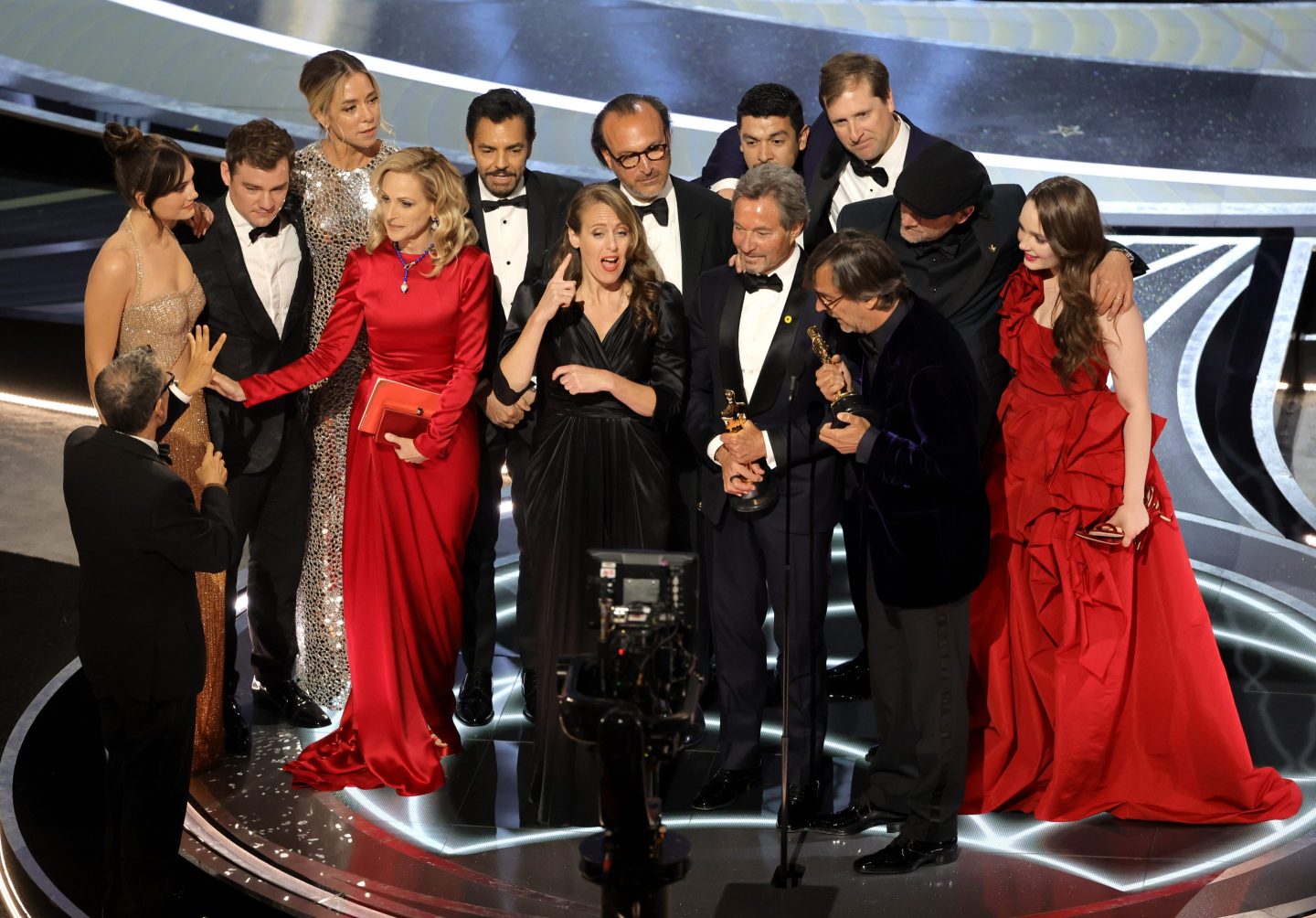
The three Oscars won this year by CODA (or ‘Child of Deaf Adults’) should have provided all the impetus needed to kickstart addressing the marginalization of those with disabilities in Hollywood and the wider industry.
As the film’s leading actor Daniel Durant explained in an interview for the purposes of this essay: “I had the opportunity to see first-hand how huge the change was for deaf actors before and after CODA. Deaf people have always struggled with access and have always tried to make healthcare professionals, educators, and politicians understand how important it is to have access to Sign Language, and for it to be seen. CODA showed the world that not only is it necessary for us to have a visual language but that our language is beautiful and anyone can enjoy it! Disabilities need to be portrayed on screen, and when they are portrayed authentically it is definitely a path to success!”
There have been other important steps forward for this movement. Deaf actress Millicent Simmonds played the role of John Krasinski’s daughter in the 2018 film A Quiet Place. In the Marvel film Eternals, Lauren Ridloff’s character Makkari communicates entirely through sign language. Both films made a concerted effort to seamlessly build authentic representation into the storyline. Lamentably, it is the paucity of these examples that makes them newsworthy–but more needs to be done throughout the entertainment world to recalibrate perceptions and foster an inclusive ecosystem in the industry.
For industry leaders, the case for disability inclusion extends far beyond moral appeals. The community wields a financial influence that the entertainment industry would be foolish to dismiss. According to research by Return on Disability, the disabled community and their loved ones represent $13 trillion of disposable income worldwide.
The Ruderman Family Foundation estimates that Hollywood loses $125 billion annually through a lack of authentic disability representation. Acknowledging people with disabilities is neither a charitable act nor even the basis of a compelling sob story. It is a commercial imperative–and businesses need to start taking serious long-term action.
Beyond Hollywood, there is also significant ground to be covered on audience accessibility in the broader arts and entertainment sector. Recent reports from the U.K.’s Wireless Festival (headlined by A$AP Rocky and Cardi B) found that disabled attendees were made to feel like second-class citizens.
There was little to no thought put into accessibility provision, with steep hills, rough gravel, and obscured stage views making for a distressing experience. This is by no means an isolated incident: The typical festival experience for those with disabilities often involves being cast as far away from the action as possible.
We need change–and it must come from the upper echelons of the industry. June Sarpong, the director of creative diversity at the BBC has told me there have been improvements in representation both on and off the screen. For example, the audience was captivated by Rose Ayling-Ellis, the first deaf Strictly Come Dancing contestant (similar to the U.S. Dancing with the Stars), and the TV drama ‘Then Barbara Met Alan’, written by disabled writers and featuring a large disabled cast, told the story of two disability rights activists. Sarpong has also recognized that they need to do more as an industry.
We know change does not happen overnight. The business case for inclusion has been settled. It’s now high time for noble intentions to translate into meaningful next steps. We say enough is enough. It’s time for the disabled community to take to the stage.
Caroline Casey is a disability activist and the founder of the global business collective the Valuable 500, whose members include Apple, Microsoft, and Spotify.
The opinions expressed in Fortune.com commentary pieces are solely the views of their authors and do not reflect the opinions and beliefs of Fortune.
More must-read commentary published by Fortune:
- Here come the Roarin’ 20s. Invest until it hurts
- Why remote work will win this fall
- A list of companies supporting abortion rights after the Roe v. Wade ruling shows which firms are stepping up, and why
- Career hoarding is on the rise—but it comes at a cost
- Venture capital is hard–and it’s supposed to be
Sign up for the Fortune Features email list so you don’t miss our biggest features, exclusive interviews, and investigations.