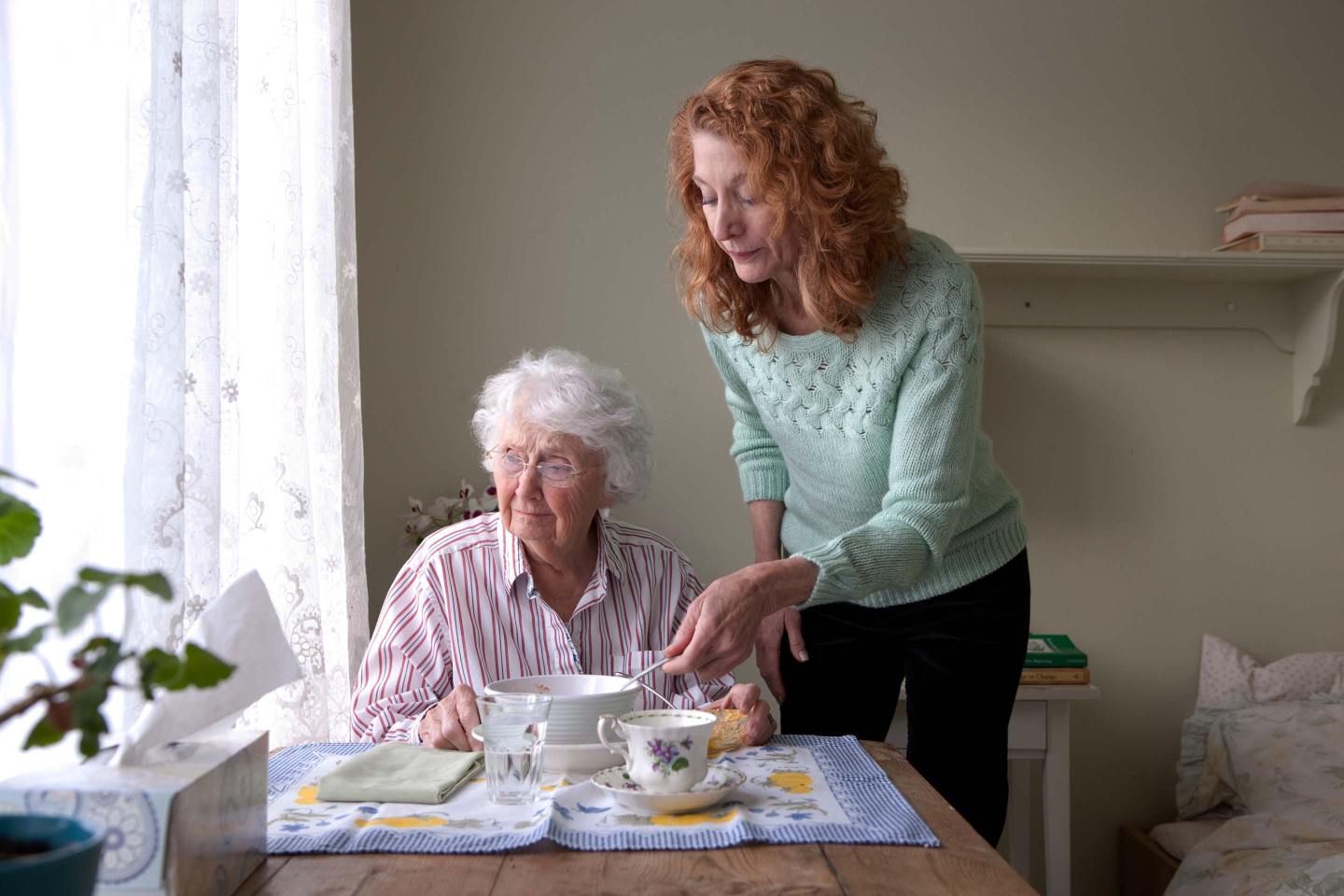
Lack of sleep, irritability, and increased anxiety can signal oncoming burnout for caregivers—those who provide critical support to a loved one with a chronic illness or disability. According to the National Alliance for Caregiving, 9.5 million Americans fit this category as of 2020. For some, caregiving has taken such an emotional and physical toll, that new or worsening symptoms don’t trigger warnings about their own wellbeing.
But there are ways to combat these symptoms and to head off the effects of severe burnout if you know what to look for.
A difficult job
Caregivers are tasked with a seemingly endless to-do list: providing meals, administering medication, and offering mental stimulation and companionship. With a job description that broad and relentless, exhaustion seems inevitable.
The Well Spouse Association is a New Jersey-based organization connecting caregivers through support groups. Its focus is on the 6 million Americans caring for a spouse or partner, which brings with it unique challenges.
“Anxiety and depression is common for all caregivers, but for spousal caregivers you’re also losing the person you would turn to if you were experiencing anxiety and depression,” says Laurel Wittman, board president of Well Spouse.
Most caregivers find Well Spouse when they’ve reached the end of their ropes, but the nonprofit aims to assist people before they’ve reached a breaking point.
Signs of caregiver burnout
Caregivers face high levels of stress and often report feelings of anxiety and exhaustion, both physical and mental. But Wittman points to a feeling of numbness as an indication of burnout, the point at which routine stress comes to a head and caregivers feel as if their efforts don’t make a difference.
Symptoms of posttraumatic stress disorder (PTSD) can often accompany these warning signs, Wittman says, including flashbacks and hypervigilance (a state of intense alertness that’s exhausting to maintain).
“You’re always waiting for that other shoe to drop,” Wittman says.
Jason Resendez is the incoming president and CEO of the National Alliance for Caregiving. The organization is focused on research, advocacy, and innovation in the caregiving space.
Resendez points out that caregiver burnout can present in a variety of ways, and may also include withdrawal from friends and family, loss of interest in activities you used to enjoy, feeling blue, cranky, hopeless, or helpless.
In addition, caregivers might notice changes in their appetite, weight, and sleep, and increased frequency of illness. A burned-out caregiver might drink more alcohol or use sleep medications. At its extreme, this burnout can lead to thoughts of self harm or harming the person you care for.
“Long-term stress of any kind, including caregiver stress, can lead to serious health problems, including depression and anxiety, immune issues, and higher risk for chronic diseases,” Resendez says. “For example, high levels of stress, especially when combined with depression, can raise your risk for heart disease, cancer, diabetes, or arthritis.”
What you can do
To handle these feelings, Wittman suggests finding a support group.
“I’ve never had to explain anything about my situation,” Wittman says of the support group she belongs to. “My friends and family all want to understand, but I still have to explain things to them that I wouldn’t have to explain to other caregivers.”
Wittman said the groups gave her a safe space to talk about the difficulties of caregiving in a way that didn’t make her feel like she was violating her spouse and a language to use when talking about her role.
If there isn’t a local support group in your area, you might find one online, says Resendez.
“Facebook has been a tremendous resource for finding and building community and sharing stories or venting,” Resendez says. “You could post at 3 a.m. just about your stress and you’d get a response—not saying here’s a solution, but I recognize that too and that’s happened to me.”
Self care for caregivers is extremely important, Resendez adds. That might look like a daily 30-minute walk outdoors, or finding time to engage in a hobby.
Resendez suggests combating feelings of numbness and helplessness with a list of daily goals and tasks that make the job more manageable.
“It’s finding things you can do today that are not fixing my partner’s problems but is one way to stay organized and keep moving forward,” he says.
He also recommends looking for caregiver courses at local hospitals, or at a local agency on aging. Many communities have adult daycare and respite services, which Resendez says can offer caregivers a break. Wittman points out that Well Spouse holds several respite events throughout the year.
Caregivers should also learn to ask for and accept help from friends and family, Resendez says.
“Make a list of ways others can help you,” he says. “Let helpers choose what they would like to do. For instance, someone might sit with the person you care for while you do an errand. Someone else might pick up groceries for you.”
Going into the midterm elections, caregivers should consider supporting candidates who understand that their roles as caregivers are crucial to society, he adds. “Care is infrastructure, care is critical,” he says. “Care makes everything else possible.”
Finally, search out a counselor or therapist—even a clergy member—for support. Virtual appointments have made fitting in therapy more convenient for time-pressed caregivers.
“Professional support can help people reframe their thinking and it can give them a place to go, on a regular basis, where all 50 minutes is for them,” Wittman says.
Sign up for the Fortune Features email list so you don’t miss our biggest features, exclusive interviews, and investigations.