Russia’s invasion of Ukraine has threatened the supply of critical commodities in Europe and thrown global supply chains, which were already struggling amid COVID-19, into complete chaos.
As a result, the prices of everything from wheat to oil have soared, leading to multi-decade high inflation rates in places like Germany and Spain. The supply crunch in Europe is now so bad it’s causing governments to begin laying the groundwork for rationing, with some stores already limiting supplies.
The German government took the first formal steps toward rationing its natural gas supplies this week as it attempts to wean itself off a decades-long reliance on Russian energy. And in Spain and Greece, supermarkets are rationing food including flour, milk, and sunflower oil.
While current European rationing has largely been preventative, as governments and businesses hope to limit the risk of panic buying and further shortages, Europeans are facing a volatile environment ahead as geopolitical tensions persist and COVID-19 lockdowns continue abroad.
German gas
Germany pulled the first lever on its three stage emergency plan to conserve its natural gas supply on Wednesday, fearing a potential showdown with Russia over gas flows.
The move came after Russian President Vladimir Putin demanded natural gas payments in Russian rubles last week, twisting the West’s sanctions against itself.
Russia remains Germany’s top gas supplier, despite the country’s attempts to move away from their Russian reliance after the war began in February. Vice Chancellor Robert Habeck told reporters on Wednesday that Russia currently supplies roughly 40% of Germany’s natural gas needs, down from 55% prior to the war.
He added that current rationing is largely a preventative measure and there isn’t any acute danger of a loss of natural gas supplies at this time.
“The other stages are called Alert and Emergency, and only with the final Emergency stage would the state intervene and regulate the flow of gas,” Habeck said. “We’re not there yet, and we don’t want to be.”
But even the first stage of rationing could lead to “targeted” shutdowns of “specified individual large consumers,” Deutsche Bank analyst Eric Heymann wrote in a note to clients on Wednesday.
Heymann added that if Germany is forced to regulate the flow of gas in the third stage of its emergency plan, it could cause even higher energy prices, along with job and income losses, and a reduction in overall economic demand from consumers.
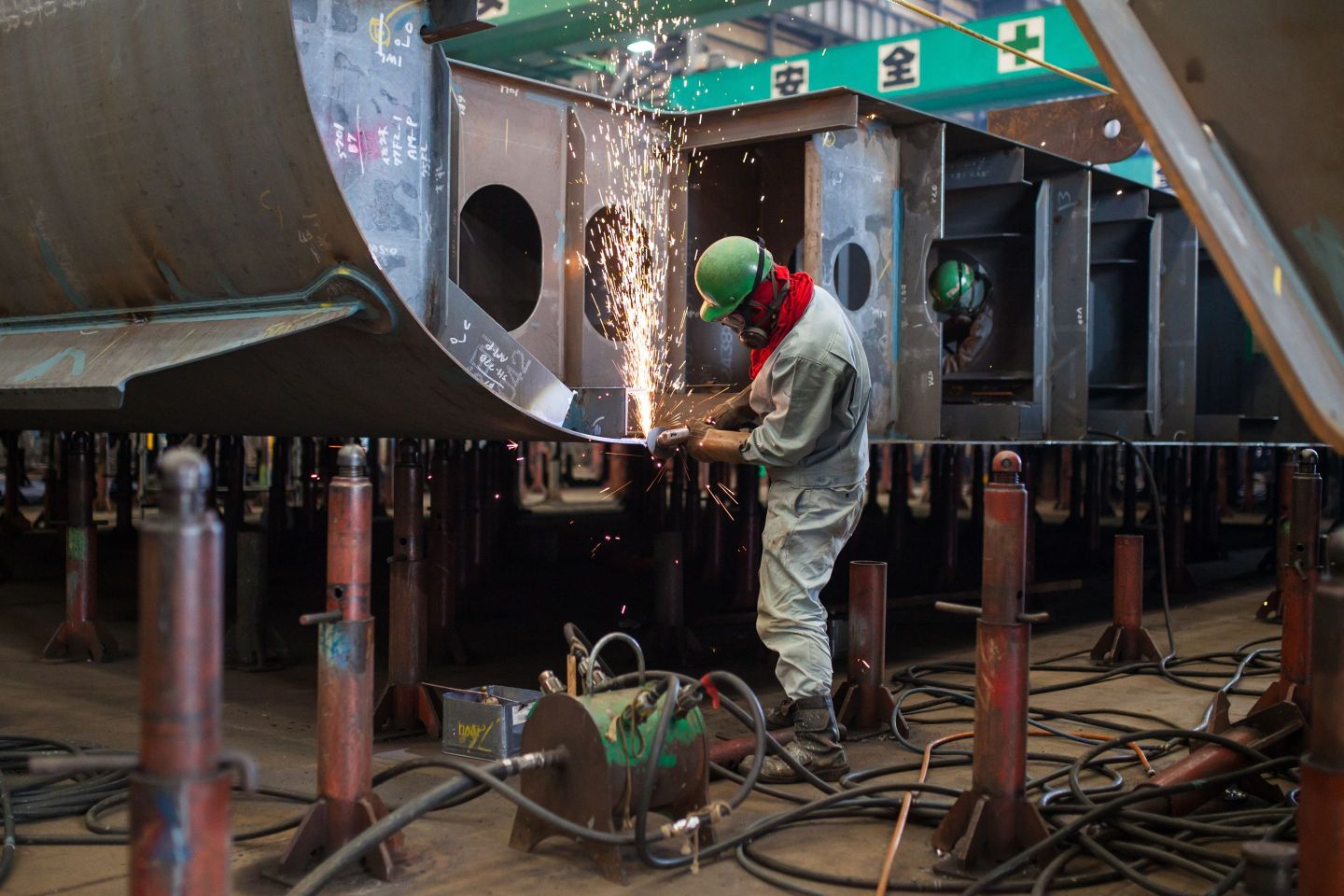
Christian Kullmann, head of the German Chemical Industry Association said on Wednesday if natural gas is rationed chemical production facilities would also have to shut down for weeks or even months, causing a “huge domino effect through almost all industries.”
Greek flour
Four Greek supermarket chains—AB, Sklavenitis, Kritikos and My Market—have also started rationing critical food products including flour and sunflower oil after the war in Ukraine caused a supply crunch in the nation. However, like in Germany, current rationing is only a preventative measure at this time.
“The reason for the cap on these products is only precautionary, as our customers are concerned about the war in Ukraine,” an official at AB supermarket chain told Reuters last week. “We want to ensure we will be able to serve our customers’ needs in the future too.”
Greek Development Minister Adonis Georgiadis told Ant1 TV that demand for some products has jumped roughly 200% in recent weeks, as shoppers have rushed to stores to bolster their supplies.
“Flour and sunflower oil are the two products which, apart from energy, the war has affected more than anything else,” Georgiadis said. “There are already shortages throughout Europe.”
Russia and Ukraine represent about 30% of Greece’s total wheat imports. And the nations produce an incredible 76% of the world’s exports of sunflower oil.
Georgiadis told Greece’s parliament last week that the country has enough food to keep shelves filled “for months ahead,” but they are working with stores to prevent anyone from attempting to avoid a “fake shortage” used to artificially raise prices more than what is already necessary.
Spanish sunflower oil
Sporadic shortages of products like eggs, milk, and other dairy products also hit Spain since the war in Ukraine began. And major supermarkets including Mercadona and Makro began rationing sunflower oil earlier this month.
Now, stores will temporarily be allowed to limit “the number of goods that can be bought by a client,” according to information in the Official State Gazette published on Wednesday.
Ukraine is one of the most important trade partners for Spain, providing 30% of the country’s corn and 60% of its sunflower oil, according to Madrid-based economic consultancy AFI.
The news of the temporary rationing comes after weeks of disruption in Spanish supply chains caused by a truck drivers’ strike for better working conditions and increased pay. Many trucking companies shut down because they weren’t compensated for diesel price increases, also caused by the war in Ukraine, that made their businesses unsustainable.
As a result of the crippled Spanish supply chain, Inlac, the dairy farmers and industry association, has halted the production of milk over the past few weeks, but the association said on Wednesday they hoped supplies would be back to normal sometime in the next few days.