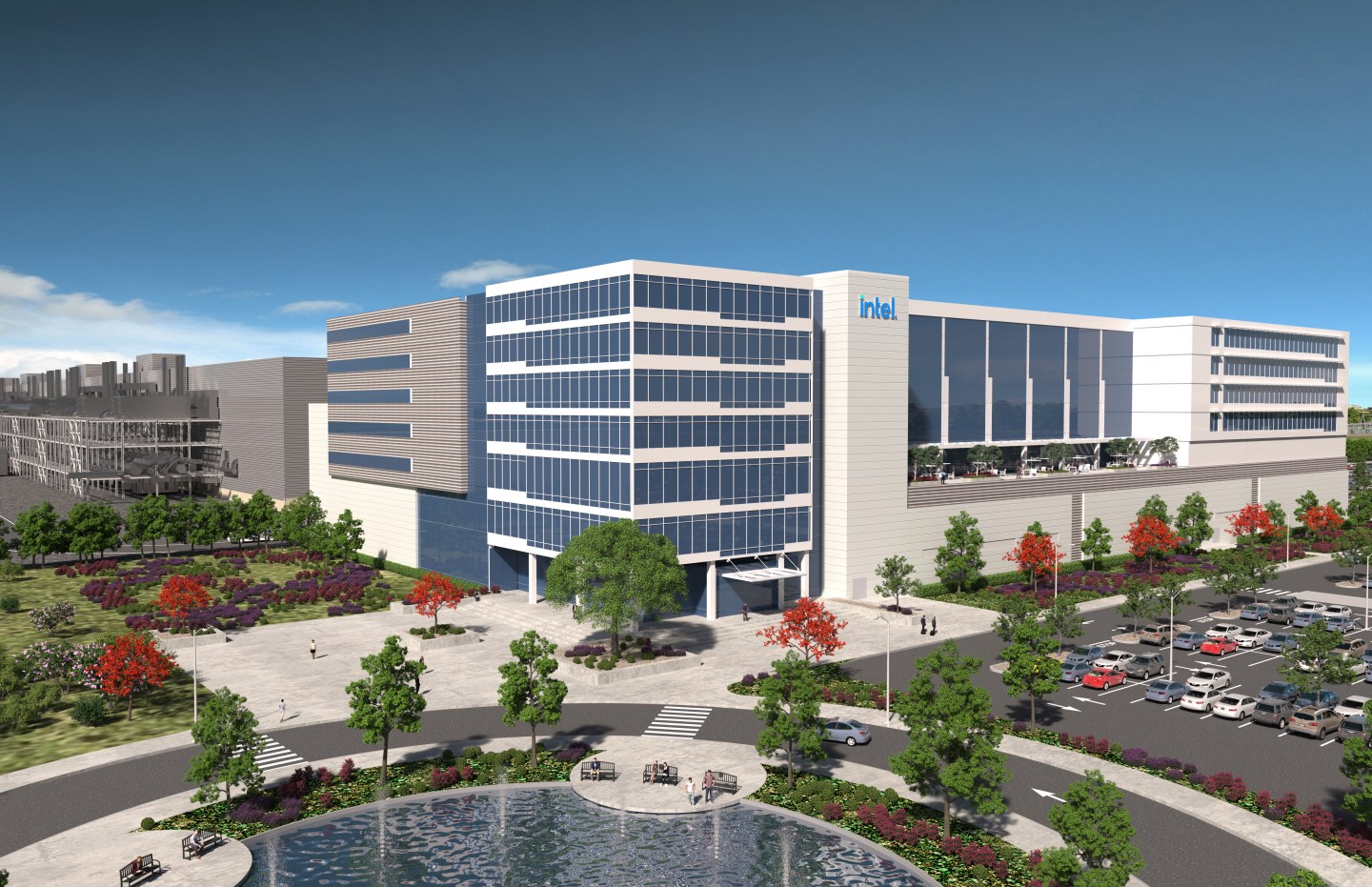
Intel has picked Germany as the future site for a massive new factory aimed at reestablishing the once dominant U.S. chipmaker’s reputation in the global semiconductor industry.
The company has a lot of ground to catch up on, and chief executive Pat Gelsinger has seized with both hands the opportunity offered by governments in the U.S. and Europe that want to subsidize chip investments following the chips crisis of last year—a crippling semiconductor shortage.
“Today 80% of chips are produced in Asia,” he said on Tuesday, after announcing plans to break ground on a €17 billion site in Germany in the first half of next year, subsidy approval permitting. “Our landmark, pan-European investment addresses the global need for a more balanced and resilient supply chain.”
When including an expansion at its existing plant in Ireland and a further site planned in Italy, the company will splash out more than €33 billion in combined spending and employ at least 5,500 new staff across the EU, just for starters. All told, it envisions plowing up to €80 billion into its EU operations over the next decade.
“The world has an insatiable demand for semiconductors,” the Intel CEO said on Tuesday. “This is a holistic investment strategy, and it will create a world-class chip ecosystem that spans all of Europe.”
With the shift away from desktop PCs toward battery-powered smartphones and other mobile devices that require a more energy-efficient circuit design than its own x86 architecture, Intel found itself falling behind the competition over the past decade.
To boost profits and minimize risk, numerous rivals including Nvidia chose to outsource capital-intensive chip production to independent specialists called foundries, such as Taiwan’s TSMC. Still others spun off their semiconductor fabrication facilities, or “fabs,” into separate companies for divestment, for example Advanced Micro Devices.
Intel believes its manufacturing prowess and existing network of chip fabs gives it a competitive edge in the current shortage. Yet the company that put Silicon Valley on the map does not possess the skill to print the world’s most advanced transistors; that has been mastered only by TSMC and Samsung in Asia.
With its market cap about a third of either Nvidia or TSMC, Gelsinger was brought on board early last year with a mandate to return Intel to its former glory.
In January, Intel said it would invest $20 billion in a new leading-edge megafab in Ohio, before agreeing a month later to spend $5.4 billion to acquire Israel’s Tower Semiconductor, as part of a plan to compete with both fabless rivals and foundries alike.
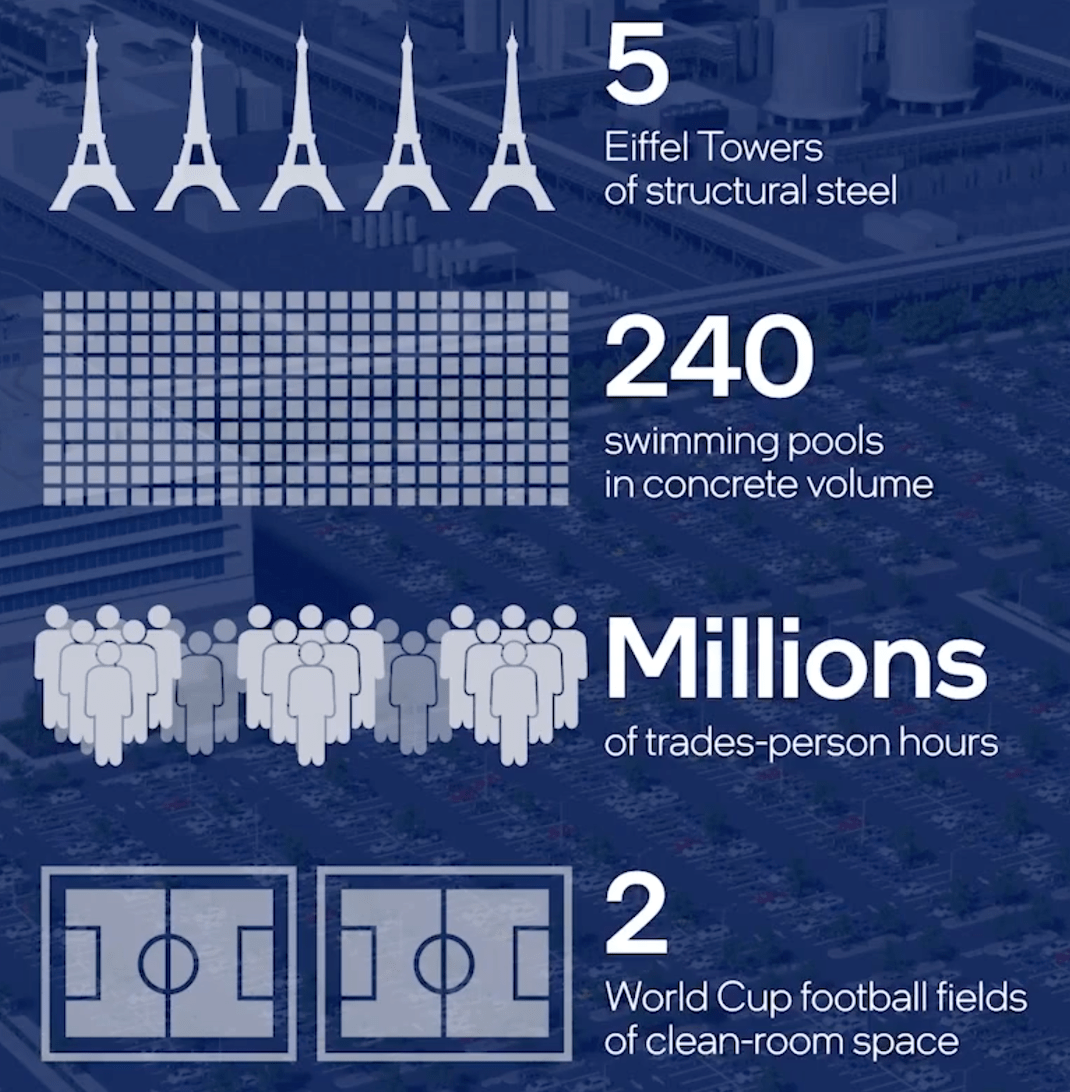
Now it has picked an economically depressed area in what was once East Germany as the site for its second leading-edge megafab, billed at being the most advanced in the world once it starts production in 2027. The almost 1,000-hectare area near Magdeburg offers space for up to eight connected chip factories, signaling further investments down the road.
Intel wouldn’t comment on the specifics of the subsidy it expects to receive in exchange for creating 3,000 full-time jobs, but Gelsinger has spoken about €8 billion in the past. That might have helped grease the wheels in Germany’s favor, given all the bureaucratic headaches Tesla went through to get permission for its Grünheide factory near Berlin.
Intel isn’t stopping at Germany, either.
Gelsinger will build a new European headquarters for high-performance computing and artificial intelligence in France and plow €12 billion into its existing Leixlip fab in Ireland. It may invest a further €4.5 billion in a final assembly site in Italy, work typically reserved for low-wage countries in order to remain cost competitive.
The semiconductor shortage, however, affected both parts of the supply chain, with fires breaking out in wafer fabs in Japan and COVID outbreaks hurting output in packaging facilities in Malaysia.
As a result, the EU unveiled its new Chips Act in February, taking a crowbar to its state subsidy restrictions to encourage new investments like Intel’s that ensure greater self-sufficiency going forward.
“I see today’s announcement by Intel as the first major achievement under the EU Chips Act, an €80 billion investment over the next decade across the entire semiconductor value chain from R&D to manufacturing and advanced packaging,” European Commission President Ursula von der Leyen said in a recorded statement.
Meanwhile, the U.K. has been left out in the cold following its high-profile Brexit from the EU with not a pound of investment, confirming a prediction Gelsinger gave to Fortune in an interview in September.
Never miss a story: Follow your favorite topics and authors to get a personalized email with the journalism that matters most to you.