The price of Brent crude, the worldwide benchmark, hit $106 in the early morning hours on Feb. 23, jumping around 10% on news that Russia had invaded Ukraine. The last time the world witnessed Brent at that level was Aug. 1 of 2014, the tail end of a three-year period in which triple-digit oil exerted a major drag on worldwide economies. But over the past nearly eight years, the reign of substantially sub-$100 crude (Brent averaged in the mid-$70s last year and $42 in 2020) helped greatly to enhance growth and hold inflation super-low in most developed nations.
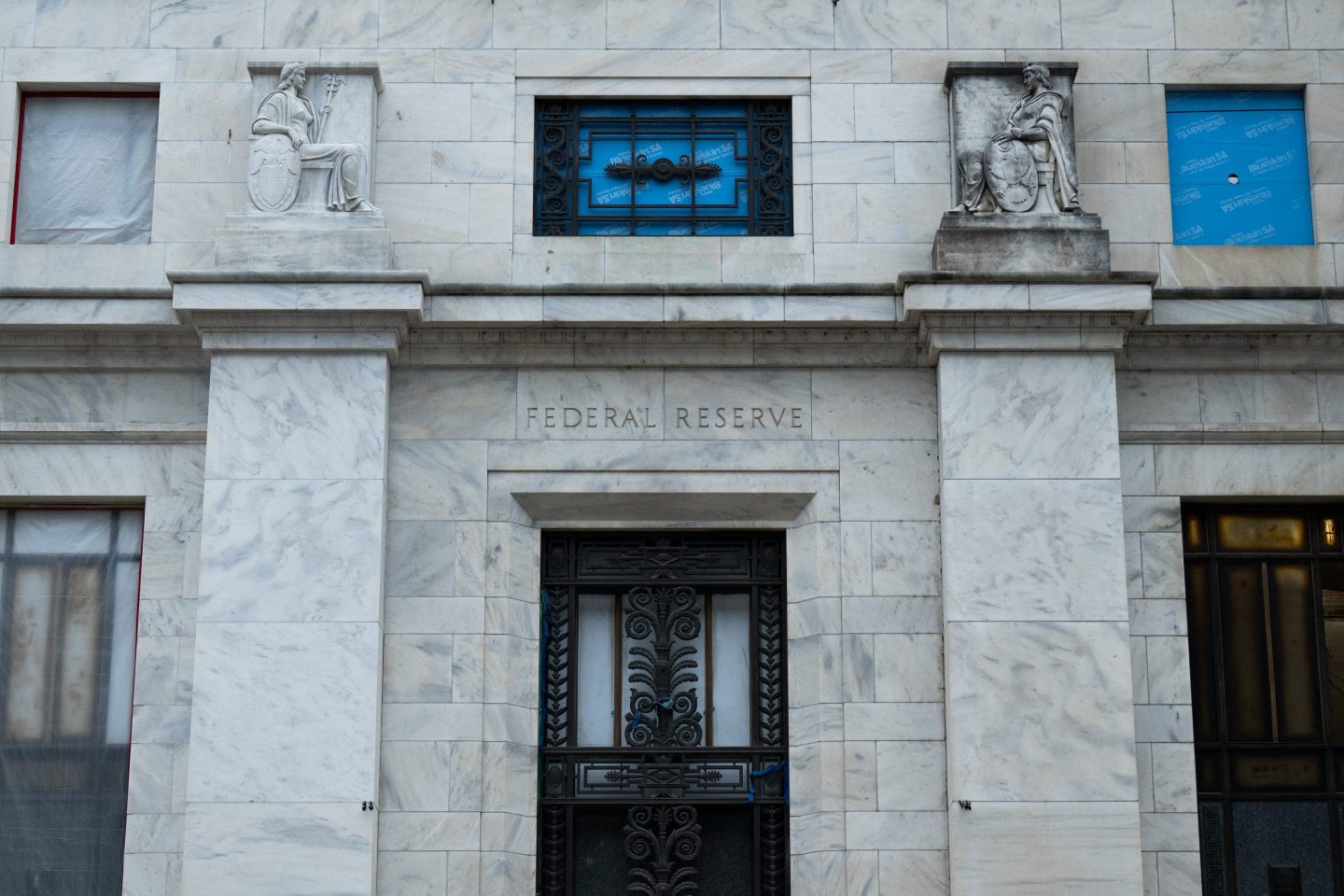
Now, a top energy expert predicts that Brent will rise as high as $140 a barrel within four months, and stay in that range for most of 2022. Adjusted for inflation, that’s roughly equal to the prevailing range in the 2011 to 2014 period of super-stiff prices at the pump and high fuel costs for trucking and ocean cargoes that registered at the checkout counters, squeezing household budgets on everything from toys to groceries. For the U.S., the crisis is adding so much fuel to already raging inflation that the Federal Reserve now faces the thorny choice between engineering a slowdown that tames the rampage, or delay interest rate increases to keep growth chugging, and let prices rage on. Put simply, the invasion poses the double threat of curbing growth and hiking inflation, all at the same time.
The energy specialist to whom I spoke, and who’s forecasting up to $140 crude, is Claudio Galimberti, SVP of oil markets at consultancy Rystad Energy. Earlier this week, Galimberti had two scenarios: “invade” and “non-invade.”
He noted that the world was already experiencing a supply crunch for crude. But in the non-invade scenario, he surmised that total global inventories would have started increasing in April, and risen significantly in the fourth quarter. By then, he says, global supplies would have been outpacing demand. The recent months of high oil prices are already lifting output in the Permian Basin and other U.S. fracking regions. “We see many projects outside of OPEC+ coming online—places such as Canada and Norway,” he says. “The new output from U.S., OPEC+, and non-OPEC overall would have been enough to cover the market’s needs, and help the prices taper down.” In the non-invade scenario, Galimberti forecast that the “extra supply” would lead to prices in the $80 range by this fall. He also stated that even at $80, shale production would stage a major comeback in 2023. If Iranian oil returned to the market in 2023, an excellent possibility, Galimberti believed that if Russia didn’t attack, prices could slide back below $60 to $70. “That would have been a perfect storm in reverse,” he says.
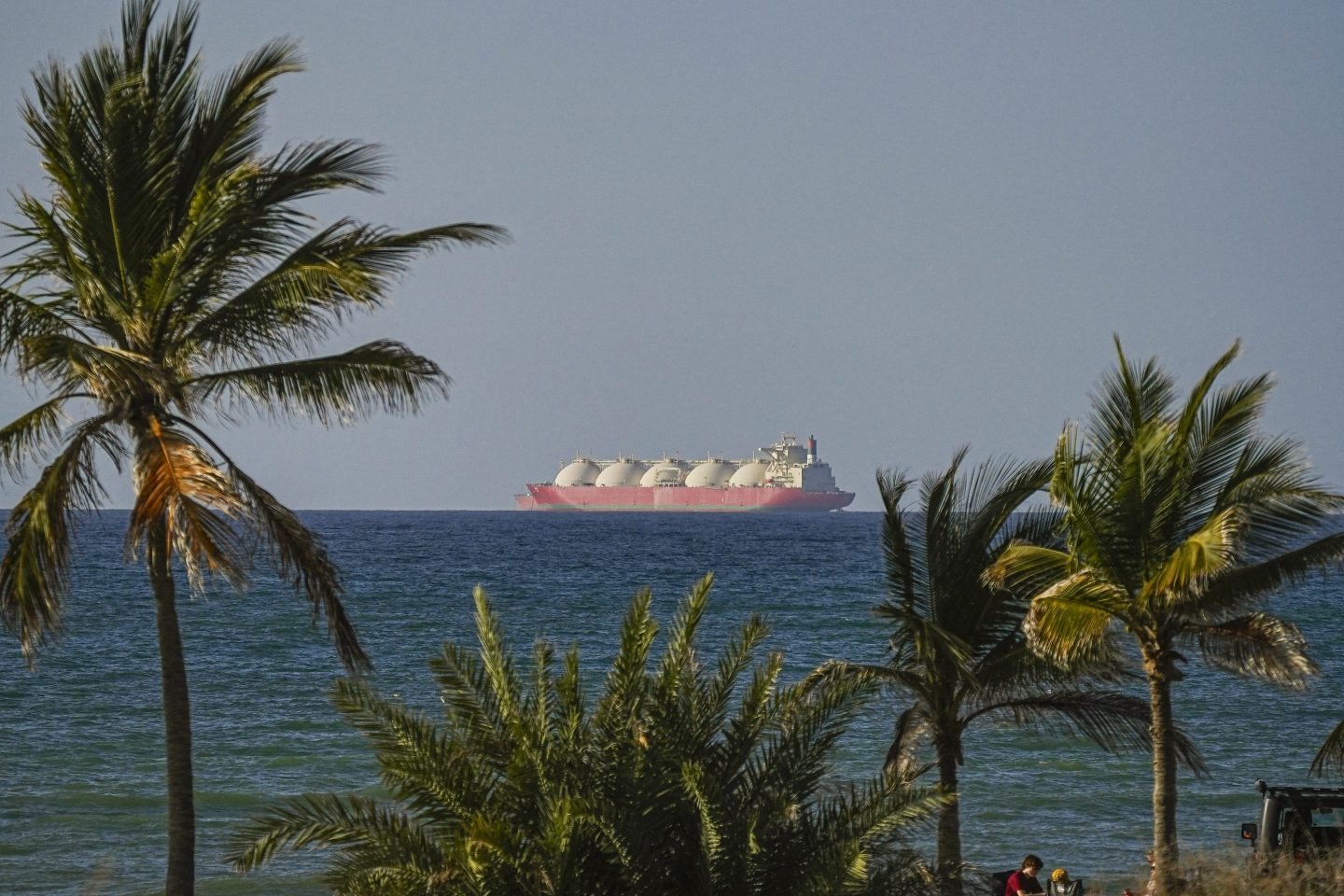
A Russian invasion has destroyed the sunny scenario that reigned before Putin made what’s probably the most dangerous military gambit in decades. Today, Russia exports around 4.1 million barrels per day; more than half is shipped to Europe. Most of the crude travels to Germany and other EU members through pipelines, but Russia also ships on tankers based on the Baltic and Black Seas. It’s uncertain if Russia’s European customers will join in boycotting its oil, but they may be forced to, and it’s a strong possibility.
“But China most likely will disregard the sanctions,” says Galimberti. ”China is likely to fill part of the gap by buying much larger quantities of heavily discounted Russian oil than it does today.” Indeed, China has been purchasing Iranian crude under the table despite the sanctions. The volumes that Russia can actually divert to China, he adds, are a fraction of its total European exports––because they mainly need to be shipped by sea. “Only so much can be diverted from Europe to China, due to pipeline and to some extent port throughput capacity constraints,” he says.
In one sudden stroke, the crisis stands to remove a significant share of the world’s oil production from the market––the gap between the barrels Russia now sells to Europe and what it can shift to China. It’s the prospect of that shock that’s sending prices skyward.
Crude would rise from $95 preinvasion to $120 to $140 per barrel in four months, posits Galimberti, and it could go even further. That jump would also push the world’s producers to lift output. Shale would rebound even faster than without an invasion. He believes that at those prices, U.S. shale production would at least reach pre-pandemic levels in 2022, and beat all previous records in 2023. Those extra barrels, plus the possible return of Iranian crude, would curb prices. But they would still be hovering a lot higher than the $60 range he predicted for 2023 in the absence of an invasion.
In the end, oil prices would eventually fall for the least desirable of reasons, a slump in demand as people drive less and factories operate fewer shifts. An invasion will impose heavy costs on Russia. But as Galimberti says, the nations that cause that pain via sanctions will feel plenty of their own.
Never miss a story: Follow your favorite topics and authors to get a personalized email with the journalism that matters most to you.