It’s Friday in Glasgow. Normally, that would mean the arrival of a rowdy Scottish night out, but nearly halfway through the COP26 climate conference, the start of the weekend instead marks a stock-taking of what has (and hasn’t) been achieved so far—and the kickoff for days of protests to come.
So far, opinions are deeply mixed on how the conference is going. Greta Thunberg, the Swedish climate activist, has already called it a failure: She told a panel hosted by the New York Times on Thursday that “since we are so far from what actually we needed, I think what would be considered a success would be if people realize what a failure this COP is.” Meanwhile, the U.K. government has been anxious to present the event as a success, pointing to a series of side deals that have already been pushed out on deforestation, methane emissions, and the phaseout of coal.
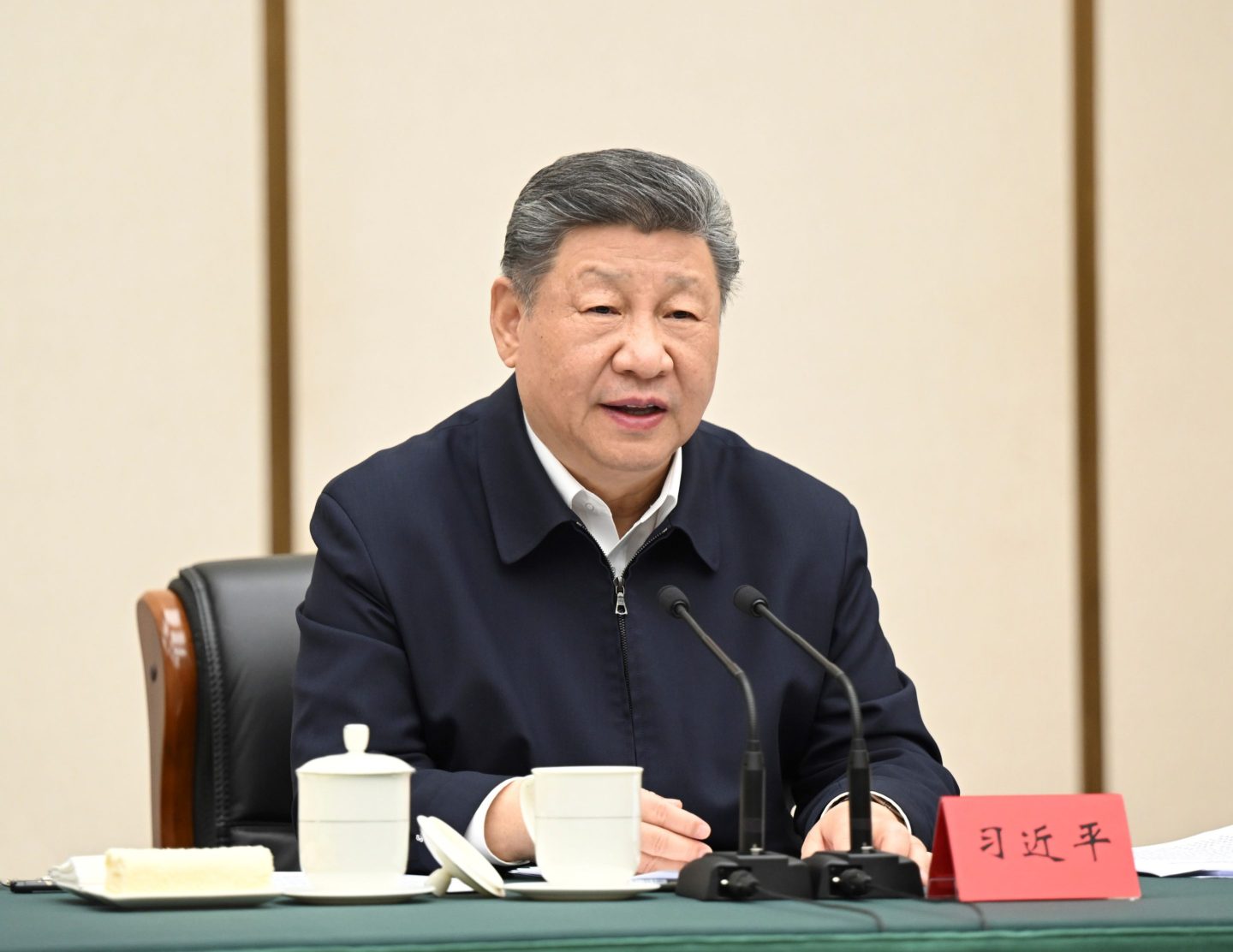
In reality, the deals largely come with their own caveats and loopholes. The deforestation pledge has a far wider scope and far more money than past (failed) efforts to restore forests, but one major signee—Indonesia—appeared to water down its commitment immediately after it was announced. The same can be said for the coal pledge, with more than 40 countries committing to phasing out coal in the next two decades, which came up short of the unequivocal end of coal that is needed to truly decarbonize. It lacked two major signees—the U.S. and China—and saw Poland, a major coal producer, sign on and then subsequently say it wouldn’t phase out coal until 2049.
Many heads of state, including U.S. President Joe Biden, have also been fighting their own domestic political battles while on Scottish soil, sucking air out of the talk of global cooperation; meanwhile, tensions between wealthy and developing economies have been simmering all week. The distrust from many delegates from lower-income countries has been public and obvious, and for good reason: Wealthy countries have still not fulfilled a $100 billion pledge to help those least responsible for climate change adapt to its effects. Another example of global inequality is also hanging over the event: vaccine distribution. As people in Europe and North America are getting booster shots, the percentage of people who are fully vaccinated in many African countries remains in the single digits, a dispiriting example for those looking for proof that pledges of solidarity are doomed to fall short.
But while it might be a stretch to call the mood at the Scottish Event Campus optimistic, it’s important to note that the outcome of the Glasgow conference was always going to be about delving into the logistics of how to truly decarbonize, in a way that can sometimes obscure how much the needle has shifted. One example was India: While the country committed to net zero by 2070—two decades after the Paris Agreement mandates emissions worldwide must be eliminated—close watchers of climate policy noted that, until just days before the conference, the Indian government had openly dismissed the idea of setting domestic climate targets at all. The announcement at COP26 also included a potentially game-changing pledge to make 50% of India’s energy mix renewable by the end of the decade.
Another example is the involvement of the private sector. While the corporate branding that has papered the event has occasionally veered on cringeworthy, big-name CEOs in attendance themselves noted that, during Paris, they were barely in the room at all, by invitation or by choice. (Asked by a Fortune reporter how Glasgow compared with Paris, Bank of America CEO Brian Moynihan replied that he hadn’t been there, and quipped, “That may be a statement in and of itself.”) Instead, conversations about almost unfathomably vast sums of money abounded, including the $130 trillion now covered by companies that have signed up for the Glasgow Financial Alliance for Net Zero—as did technical conversations about what exactly decarbonization means.
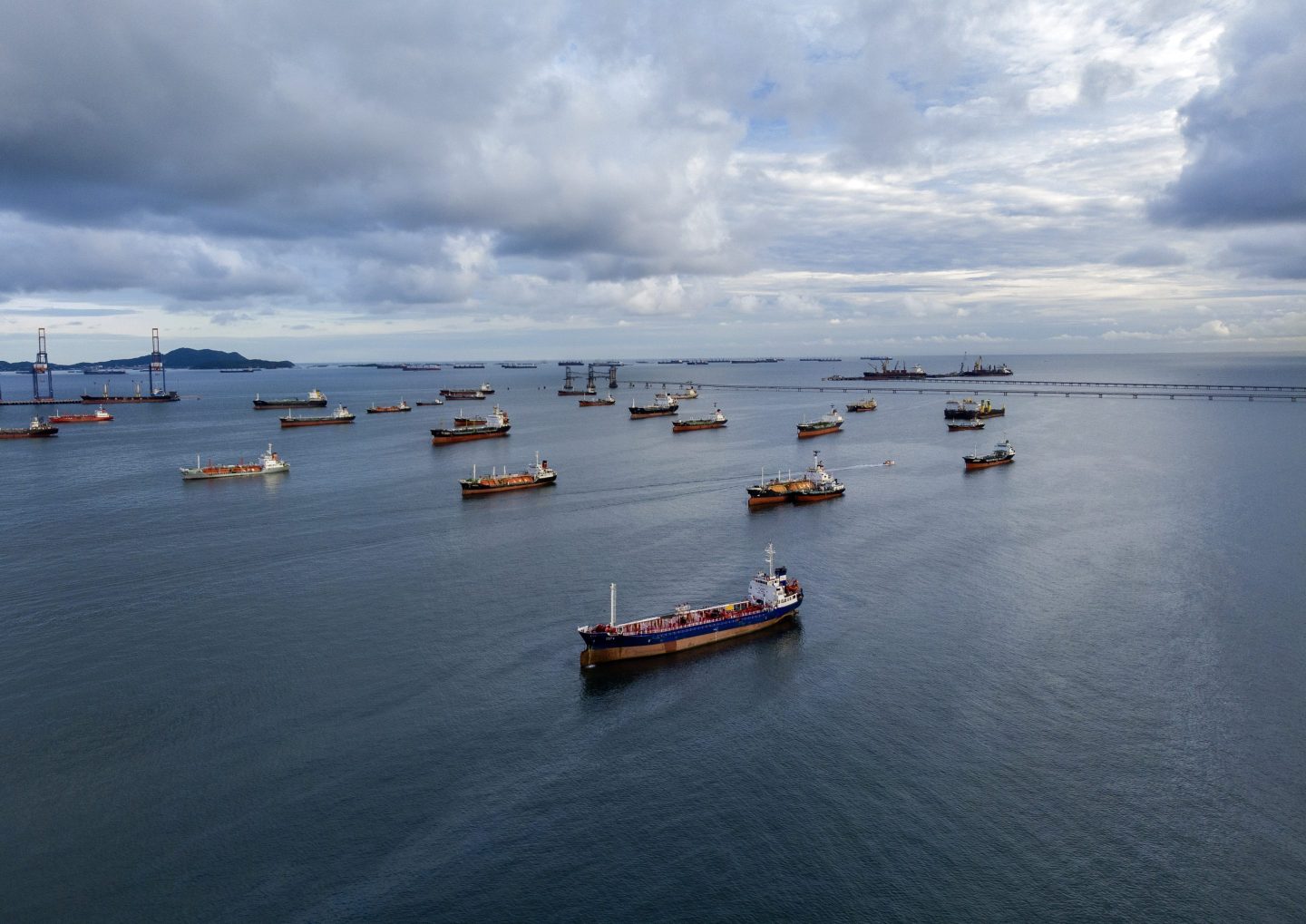
That also came from the First Movers Coalition, a John Kerry–convened group of companies largely in very hard to decarbonize sectors—shipping, trucking, steel—that are investing in decarbonization. Crucially, the members—Maersk is one example—are pledging to provide demand for green technology and energy, giving other companies the security to make upfront investments knowing there is a customer at the other end. Movement on decarbonizing these sectors at the heart of infrastructure and the supply chain will go a long way to lay the groundwork for everyone else.
The result is a feeling that though the nuts and bolts are still being debated—and that plenty of well-intentioned, or at least well-marketed, commitments will no doubt fall short—vast flows of capital are starting to move. Once the direction is clear, decarbonizing is not just an opportunity, but a basic business necessity, argued many of the CEOs in attendance. “I think we’re hugely underestimating the costs of staying in the ‘old’ business model,” argued Vattenfall CEO Anna Borg at the launch of the First Movers Coalition.
That would certainly be made easier by the adoption of a global carbon market—one of the landmark goals of Glasgow. Negotiators have tried to nail down such a deal for years. There’s no guarantee they will do so this time, either. Still, here’s one concrete detail heading into week two: The world went into Glasgow facing a temperature rise of 2.7 degrees Celsius by 2100. By this Friday, that figure was down to 1.8 degrees, according to the International Energy Agency. That isn’t low enough, of course. But just one degree, as we know now, can also make a world of difference.
Subscribe to Fortune Daily to get essential business stories delivered straight to your inbox each morning.