
• Home
  • Latest
  • Fortune 500
  • Finance
  • Tech
  • Leadership
  • Lifestyle
  • Rankings
  • Multimedia

Exclusive

An hour in the Oval Office with President Trump Fortune Editor-in-Chief: Alyson Shontell sat down with President Trump in the Oval Office for an hour. Tariffs, Intel, AI, Boeing, Iran—and the question every CEO eventually has to answer: who's next?

An hour in the Oval Office with President Trump Fortune Editor-in-Chief: Alyson Shontell sat down with President Trump in the Oval Office for an hour. Tariffs, Intel, AI, Boeing, Iran—and the question every CEO eventually has to answer: who's next?

An hour in the Oval Office with President Trump Fortune Editor-in-Chief: Alyson Shontell sat down with President Trump in the Oval Office for an hour. Tariffs, Intel, AI, Boeing, Iran—and the question every CEO eventually has to answer: who's next?

An hour in the Oval Office with President Trump Fortune Editor-in-Chief: Alyson Shontell sat down with President Trump in the Oval Office for an hour. Tariffs, Intel, AI, Boeing, Iran—and the question every CEO eventually has to answer: who's next?

An hour in the Oval Office with President Trump Fortune Editor-in-Chief: Alyson Shontell sat down with President Trump in the Oval Office for an hour. Tariffs, Intel, AI, Boeing, Iran—and the question every CEO eventually has to answer: who's next?

An hour in the Oval Office with President Trump Fortune Editor-in-Chief: Alyson Shontell sat down with President Trump in the Oval Office for an hour. Tariffs, Intel, AI, Boeing, Iran—and the question every CEO eventually has to answer: who's next?

An hour in the Oval Office with President Trump Fortune Editor-in-Chief: Alyson Shontell sat down with President Trump in the Oval Office for an hour. Tariffs, Intel, AI, Boeing, Iran—and the question every CEO eventually has to answer: who's next?

An hour in the Oval Office with President Trump Fortune Editor-in-Chief: Alyson Shontell sat down with President Trump in the Oval Office for an hour. Tariffs, Intel, AI, Boeing, Iran—and the question every CEO eventually has to answer: who's next?

An hour in the Oval Office with President Trump Fortune Editor-in-Chief: Alyson Shontell sat down with President Trump in the Oval Office for an hour. Tariffs, Intel, AI, Boeing, Iran—and the question every CEO eventually has to answer: who's next?

An hour in the Oval Office with President Trump Fortune Editor-in-Chief: Alyson Shontell sat down with President Trump in the Oval Office for an hour. Tariffs, Intel, AI, Boeing, Iran—and the question every CEO eventually has to answer: who's next?

Commentarymedical care

Racism and bias in health care: As a doctor, I’ve been an object, observer, and offender

By
Kulleni Gebreyes
Kulleni Gebreyes
Down Arrow Button Icon
By
Kulleni Gebreyes
Kulleni Gebreyes
Down Arrow Button Icon
June 29, 2021, 9:00 AM ET
“Not only have I witnessed bias in action in my work, I have unintentionally perpetrated it,” writes physician Kulleni Gebreyes. “That’s how insidious health care inequity can be.”
“Not only have I witnessed bias in action in my work, I have unintentionally perpetrated it,” writes physician Kulleni Gebreyes. “That’s how insidious health care inequity can be.”Courtesy of Getty Images

As an African American physician, there’s a lot I can say about bias, racism, and health inequity. I’ll start with the obvious. 

We’re in the midst of a multigenerational public health crisis, rooted in racism and made more acute by the COVID-19 pandemic. Racial and ethnic minority groups throughout the United States experience higher rates of illness and death than white people across a wide range of health conditions, including diabetes, hypertension, obesity, asthma, and heart disease. Average life spans are shorter for individuals in communities of color. The pandemic has deepened and spotlighted measurable disparities in COVID-related mortality and vaccination rates.

Health inequity is a systemic failure, often originating not only from limited access to appropriate treatment at the point of care but also from barriers to well-being in the social determinants of health (also known as the drivers of health). If we are to achieve health equity—which I define as the fair and just opportunity to fulfill our human potential in all aspects of health and well-being—society has to address all barriers to health and well-being together. We need to consider access to clinical trials, representation in research, and the systemic barriers to diagnosis, treatment, and cure.

That’s the obvious. The rest of the health inequity problem is rooted in our quieter day-to-day personal choices. Although I’m quite sensitive to bias and inequity, I’m not immune to making mistakes in this realm. Not only have I witnessed bias in action in my work, I have unintentionally perpetrated it. That’s how insidious health care inequity can be. If you’re part of the system and that system has a problem, well, you may also be part of the problem. As am I. 

Let me explain by sharing my experiences with racism and bias—as an object, an observer and, yes, an offender.

Me as an object of bias

I’m a Harvard-educated and Johns Hopkins–trained emergency medicine physician. In my clinical practice, I used to wear a white coat and a stethoscope around my neck. Pretty good giveaways as to why I’m in a hospital. One busy morning in the emergency room, I walked into an examination room and introduced myself as “Doctor Gebreyes” to a patient with chest pain. He looked at his wife in confusion and then turned to ask me, “So when is a real doctor coming to see me?”

There were hundreds of variations on this encounter over the years. Each of these patients clearly saw my name tag and credentials but had difficulty understanding my value. These interactions were a constant reminder of how my race, and perhaps my gender, can impact the way I am seen and treated in daily life outside of the hospital. 

Me as an observer

As painful as such slights were, I sometimes failed to assert myself when I witnessed my colleagues displaying bias toward someone else. 

Case in point: One busy day in our emergency department, a colleague walked out of a room referring to a patient who was crying in pain as being in “status dramaticus,” a term that suggested the patient was overly anxious and exaggerating the level of pain. When I heard that term, I automatically knew that the patient was a woman. As I consider my colleague’s comments, I now wonder how that label influenced how her pain was, or perhaps was not, managed. 

Over the years, I heard many other derogatory expressions based on gender, income, and ethnic stereotypes that were disguised as humor. I would usually react with a simple chuckle or mild disapproval. I rarely spoke up to call out how these comments betrayed the trust and could potentially impact the treatment of those who implicitly trusted us to provide care. 

Me as an offender

In my first role after I transitioned out of clinical care, I began advising the country’s top health care organizations in navigating complex challenges, a role in which I got the chance to help improve access to affordable, high-quality care. Although I always relied on data to guide decision making, I have learned there can sometimes be large pitfalls between intention and impact. 

A few years ago, I was dining with my close friend Jackie. She was frustrated about clinic closures that were disproportionately creating medical deserts in communities of color. She explained that the analysis did not examine the structural, institutional, and historical bias in the system and society. As she spoke, I was stunned to realize I had guided similar analysis and decision making. I was concerned that I may have used inherently biased frameworks that had profitability as a primary goal and did not place equity at the center.  

My work today 

I have reflected deeply on my role as an object, observer, and offender. I have wrestled to resolve how I can live up to my values in my daily choices and within my professional life. I have found an answer in my role as the leader of Deloitte’s Health Equity Institute, where we are committed to placing health equity at the center of everything we do. 
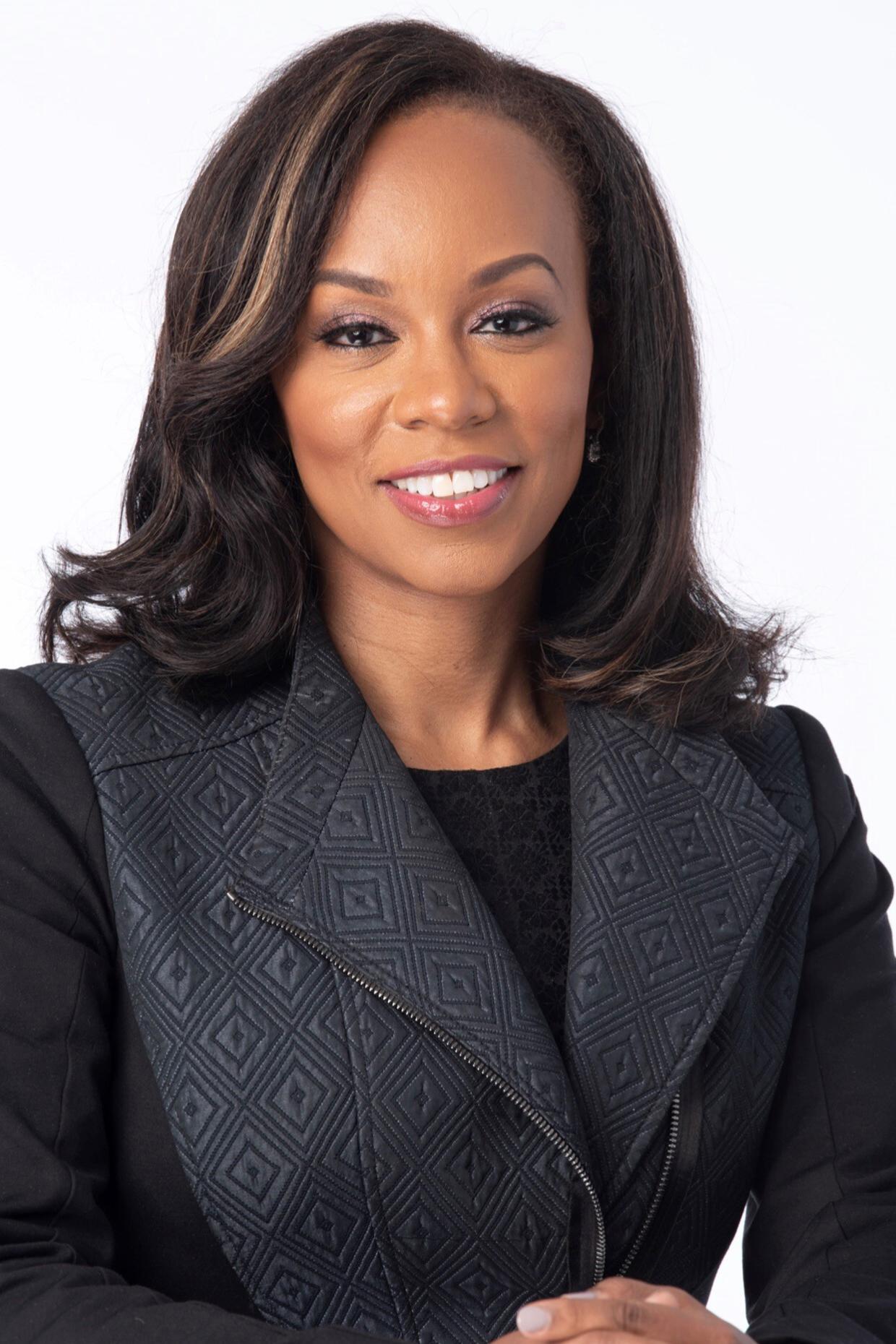
Kulleni Gebreyes, M.D.
Courtesy of Deloitte

I lead a team focused on examining the impact of racism and bias in health care. I conduct equity-based diagnostics to guide business, government, and community leaders seeking to make a difference. In collaboration with these leaders, I bring healing to individuals and communities who are seeking to fulfill their full potential in health and well-being. 

Specifically, I work with leaders to explore and advance health equity through four channels:  

  • Organizations: How can leaders promote and advance inclusive hiring, equitable benefits programs, and cultural competency?
  • Offerings: Is equity being incorporated into all products and services? Do benefits reward equitable access, outcomes, and experience of care?
  • Communities: Is the organization investing locally and acting as a good partner to the community where employees live, work, pray, and play?
  • Ecosystem: How are leaders seeking to amplify their positive impact through their vendors, partners, and policy agenda? 

As an institute, we also work to generate data and insights around racism, bias, and socioeconomic factors that create disparities in health outcomes. We identify leading practices for advancing equity. For example, we recently gathered and analyzed nationwide data to identify vaccine deserts across the United States, making it easier for authorities to establish vaccination sites where they are most needed. Many businesses, governments, and nonprofits are hungry for more such guidance. It feels good to be in position to involve people in order to help people, on a systemic scale.

The courage to change

I have dedicated many hours to replaying the moments I have experienced as an object, an observer, and an offender of racism and bias and the potential impact on health equity. I am not proud of all my choices. 

But instead of withdrawing in shame, I am sharing my story and committing to be a better leader. I am respectfully calling on all of you—clinical, business, government, and community leaders within and outside of the health care industry—to confront the hard truths about yourselves and your actions. I am inviting you to join me in reflecting on our past and committing to a better future where we collectively and consistently advance health equity in intention, action, and impact. 

Let’s commit to healing. This time, we must do better. This time, we must get it right.

Kulleni Gebreyes, M.D., is the leader of Deloitte’s Health Equity Institute. A physician leader with experience across the commercial and public sectors, she is also the U.S. health care consulting leader in Deloitte’s Life Sciences and Health Care practice. 

Subscribe to Fortune Daily to get essential business stories straight to your inbox each morning.
About the Author
By Kulleni Gebreyes
See full bioRight Arrow Button Icon

Latest in Commentary

Finance
Lorem ipsum dolor sit amet, consectetur adipiscing elit, sed do eiusmod tempor incididunt ut labore et dolore magna aliqua. Ut enim ad minim veniam
By Fortune Editors
October 20, 2025
Finance
Lorem ipsum dolor sit amet, consectetur adipiscing elit, sed do eiusmod tempor incididunt ut labore et dolore magna aliqua. Ut enim ad minim veniam
By Fortune Editors
October 20, 2025
Finance
Lorem ipsum dolor sit amet, consectetur adipiscing elit, sed do eiusmod tempor incididunt ut labore et dolore magna aliqua. Ut enim ad minim veniam
By Fortune Editors
October 20, 2025
Finance
Lorem ipsum dolor sit amet, consectetur adipiscing elit, sed do eiusmod tempor incididunt ut labore et dolore magna aliqua. Ut enim ad minim veniam
By Fortune Editors
October 20, 2025
Finance
Lorem ipsum dolor sit amet, consectetur adipiscing elit, sed do eiusmod tempor incididunt ut labore et dolore magna aliqua. Ut enim ad minim veniam
By Fortune Editors
October 20, 2025
Finance
Lorem ipsum dolor sit amet, consectetur adipiscing elit, sed do eiusmod tempor incididunt ut labore et dolore magna aliqua. Ut enim ad minim veniam
By Fortune Editors
October 20, 2025

Most Popular

Finance
Lorem ipsum dolor sit amet, consectetur adipiscing elit, sed do eiusmod tempor incididunt ut labore et dolore magna aliqua. Ut enim ad minim veniam
By Fortune Editors
October 20, 2025
Finance
Lorem ipsum dolor sit amet, consectetur adipiscing elit, sed do eiusmod tempor incididunt ut labore et dolore magna aliqua. Ut enim ad minim veniam
By Fortune Editors
October 20, 2025
Finance
Lorem ipsum dolor sit amet, consectetur adipiscing elit, sed do eiusmod tempor incididunt ut labore et dolore magna aliqua. Ut enim ad minim veniam
By Fortune Editors
October 20, 2025
Finance
Lorem ipsum dolor sit amet, consectetur adipiscing elit, sed do eiusmod tempor incididunt ut labore et dolore magna aliqua. Ut enim ad minim veniam
By Fortune Editors
October 20, 2025
Finance
Lorem ipsum dolor sit amet, consectetur adipiscing elit, sed do eiusmod tempor incididunt ut labore et dolore magna aliqua. Ut enim ad minim veniam
By Fortune Editors
October 20, 2025
Finance
Lorem ipsum dolor sit amet, consectetur adipiscing elit, sed do eiusmod tempor incididunt ut labore et dolore magna aliqua. Ut enim ad minim veniam
By Fortune Editors
October 20, 2025
Fortune Secondary Logo
Rankings
  • 100 Best Companies
  • Fortune 500
  • Global 500
  • Fortune 500 Europe
  • Most Powerful Women
  • World's Most Admired Companies
  • See All Rankings
  • Lists Calendar
Sections
  • Finance
  • Fortune Crypto
  • Features
  • Leadership
  • Health
  • Commentary
  • Success
  • Retail
  • Mpw
  • Tech
  • Lifestyle
  • CEO Initiative
  • Asia
  • Politics
  • Conferences
  • Europe
  • Newsletters
  • Personal Finance
  • Environment
  • Magazine
  • Education
Customer Support
  • Frequently Asked Questions
  • Customer Service Portal
  • Privacy Policy
  • Terms Of Use
  • Single Issues For Purchase
  • International Print
Commercial Services
  • Advertising
  • Fortune Brand Studio
  • Fortune Analytics
  • Fortune Conferences
  • Business Development
  • Group Subscriptions
About Us
  • About Us
  • Press Center
  • Work At Fortune
  • Terms And Conditions
  • Site Map
  • About Us
  • Press Center
  • Work At Fortune
  • Terms And Conditions
  • Site Map
  • Facebook icon
  • Twitter icon
  • LinkedIn icon
  • Instagram icon
  • Pinterest icon

Latest in Commentary

charlie
CommentarySoftware
Anaplan CEO: AI isn’t eating software. It’s sorting it
By Charlie GottdienerMay 18, 2026
9 hours ago
shyam
CommentaryHealth
World Economic Forum: women’s health gets only 20% of R&D funding. We must seize this $1 trillion opportunity
By Shyam BishenMay 18, 2026
16 hours ago
murdochs
CommentaryMedia
OpenAI paid $100 million for a talk show. James Murdoch is eyeing an even bigger deal. The hot new asset class is humanity
By Lin CherryMay 17, 2026
1 day ago
dennis
CommentaryAI agents
Freshworks CEO: why agile enterprises are winning the AI race — and what they did differently
By Dennis WoodsideMay 17, 2026
1 day ago
Mary Moreland-Abbott Executive Vice President of Human Resources.
CommentaryRetirement
Gen X is the most indebted generation in America. Their employers can fix that
By Mary MorelandMay 17, 2026
1 day ago
liberman
Commentarystart-ups
We watched social media concentrate. The same thing is happening in AI, only at a deeper layer
By David Liberman and Daniil LibermanMay 16, 2026
2 days ago

Most Popular

The top foreign holders of U.S. debt may soon dump Treasury bonds and bring their money back home, potentially spiking borrowing costs
Economy
The top foreign holders of U.S. debt may soon dump Treasury bonds and bring their money back home, potentially spiking borrowing costs
By Jason MaMay 17, 2026
1 day ago
Microsoft AI chief gives it 18 months—for all white-collar work to be automated by AI
AI
Microsoft AI chief gives it 18 months—for all white-collar work to be automated by AI
By Jake AngeloMay 16, 2026
2 days ago
The Bezos family just donated $100 million to help achieve one of Mayor Zohran Mamdani’s top campaign promises
Politics
The Bezos family just donated $100 million to help achieve one of Mayor Zohran Mamdani’s top campaign promises
By Jake AngeloMay 12, 2026
6 days ago
'No one was coming to save me': How Reese Witherspoon built a $900 million company from a problem Hollywood wouldn't fix
Success
'No one was coming to save me': How Reese Witherspoon built a $900 million company from a problem Hollywood wouldn't fix
By Sydney LakeMay 17, 2026
1 day ago
SpaceX heads into a record-shattering IPO with the 'deepest moat that exists today' as investors vow to 'never bet against Elon'
Innovation
SpaceX heads into a record-shattering IPO with the 'deepest moat that exists today' as investors vow to 'never bet against Elon'
By Jason MaMay 16, 2026
2 days ago
Gen X is the most indebted generation in America. Their employers can fix that
Commentary
Gen X is the most indebted generation in America. Their employers can fix that
By Mary MorelandMay 17, 2026
1 day ago

© 2026 Fortune Media IP Limited. All Rights Reserved. Use of this site constitutes acceptance of our Terms of Use and Privacy Policy | CA Notice at Collection and Privacy Notice | Do Not Sell/Share My Personal Information
FORTUNE is a trademark of Fortune Media IP Limited, registered in the U.S. and other countries. FORTUNE may receive compensation for some links to products and services on this website. Offers may be subject to change without notice.