• Home
  • News
  • Fortune 500
  • Tech
  • Finance
  • Leadership
  • Lifestyle
  • Rankings
  • Multimedia
PoliticsTaxes

Biden’s tax plan would unravel 40 years of ‘trickle down’ orthodoxy

Rey Mashayekhi
By
Rey Mashayekhi
Rey Mashayekhi
Down Arrow Button Icon
Rey Mashayekhi
By
Rey Mashayekhi
Rey Mashayekhi
Down Arrow Button Icon
May 6, 2021, 10:33 AM ET

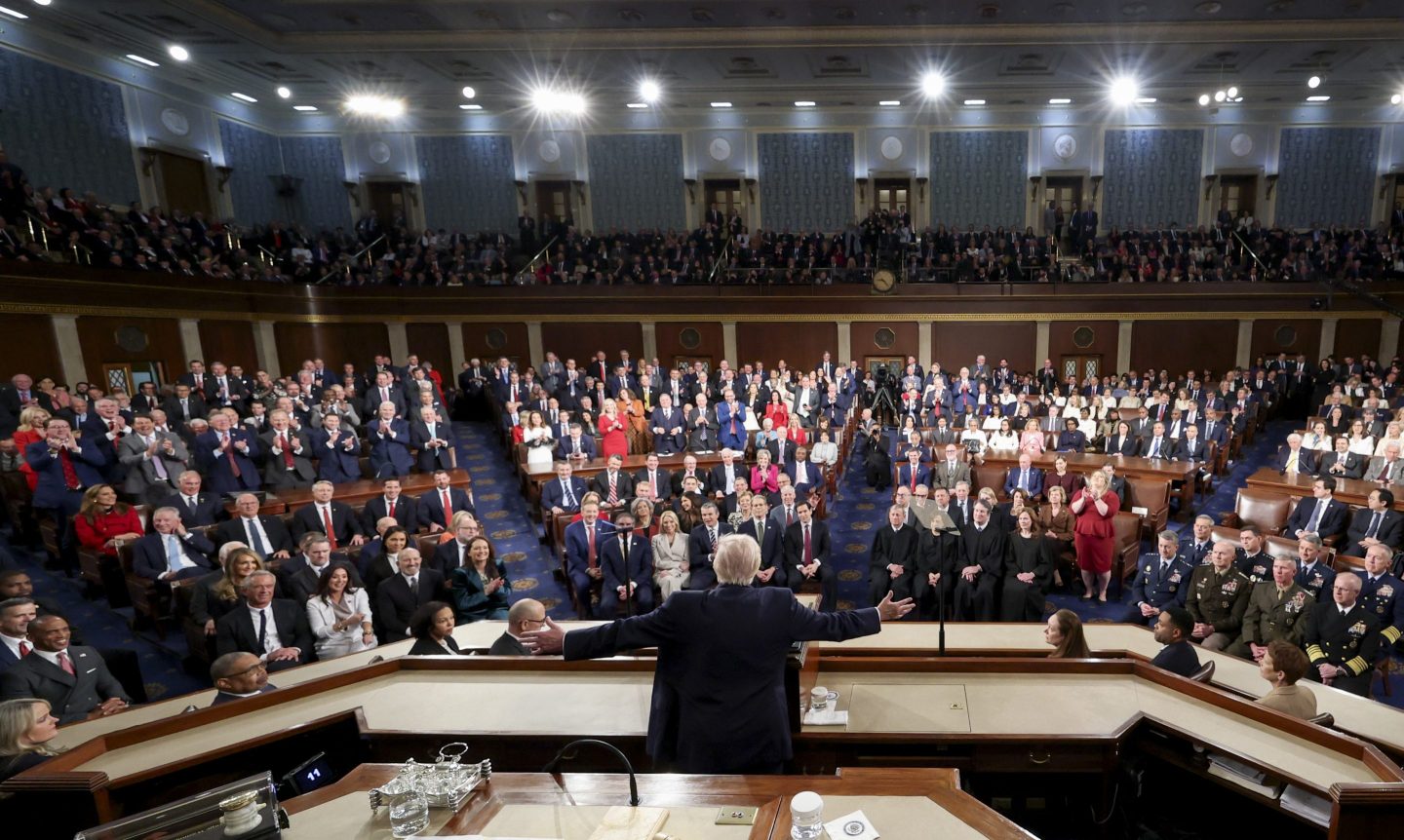
As he hit the road this week to sell the American public on roughly $4 trillion in new infrastructure and welfare spending, President Biden doubled down on a message from his address to a joint session of Congress last week.

“Trickle-down economics has never worked,” the President said at a community college in Norfolk, on Monday. “For too long we’ve had an economy that gives every break in the world to the folks who need it the least. It’s time to grow the economy from the bottom up and the middle out.”

While Biden is hardly the first Democratic president to criticize Reagan-era economic policies, he is taking a more ambitious approach than his predecessors toward actually reversing decades of supply-side orthodoxy that has gradually diminished the federal income tax rates on corporations and wealthy individuals. In seeking to pass not one, but two multitrillion-dollar spending bills that would flood the U.S. economy with public sector investment, the White House is aiming to pay for those measures by hiking taxes and closing loopholes on high earners, wealthy investors, and major corporations.

Biden’s proposals would raise the top tax rate on the wealthiest Americans to 39.6% and increase the corporate tax rate to 28%, in the process reversing two major components of President Trump’s 2017 tax cuts (which slashed those rates to 37% and 21%, respectively). Forty years after President Reagan took the historic step of cutting capital gains taxes to 20%, Biden is looking to roughly double that existing rate on those reaping windfalls of more than $1 million. There are also plans to raise taxes and close loopholes on corporations’ foreign profits, and also end the “step-up in basis” practice that has allowed the heirs of wealthy estates to avoid steep tax bills on their inheritances.

Such has been the downward trend on the tax rates paid by these entities that, historically speaking, Biden’s plans remain relatively modest. In an analysis for the New York Times, University of California at Berkeley economics professor Gabriel Zucman found that the President’s tax proposals would still leave the total federal tax rates on the wealthiest Americans below where they stood as recently as the 1990s—let alone the much higher, 50%-plus rates imposed in the pre-Reagan era.

Though the White House has sought to stay faithful to Biden’s commitment to not raise taxes on households earning under $400,000, the tax hikes have been met with criticism from conservatives who fear it would counteract economic growth and harm the U.S.’s global competitiveness. And despite continued evidence that major corporations have deployed the current tax code to avoid taxes on tens of billions of dollars in annual profits, pro-business interest groups have balked at the notion of having to foot the bill for the President’s sprawling proposals.

The coming months are expected to bring a long and contentious debate in Washington that will determine the scope of the legislation that Biden is able to pass through Congress. Republicans already appear unified in staunch opposition to the tax-and-spend nature of what the President is pitching, while Democrats will have to appease the centrist members of their party in what remains a closely divided Senate—a dynamic that could force the White House to compromise on a somewhat leaner spending package financed by a more modest set of tax increases.

Still, Biden is looking to capitalize on a political moment that, in the wake of the coronavirus pandemic’s devastating economic impact, has seen sentiment shift in favor of a more prominent role for the federal government in ensuring the economic well-being of American households and businesses. Four decades after the “Reagan Revolution” ushered in the era of lower taxes and smaller government, “Bidenomics” potentially offers yet another tectonic shift in public policy.

Our mission to make business better is fueled by readers like you. To enjoy unlimited access to our journalism, subscribe today.


About the Author
Rey Mashayekhi
By Rey Mashayekhi
LinkedIn iconTwitter icon
See full bioRight Arrow Button Icon

Latest in Politics

EconomyTariffs and trade
Macron warns EU may hit China with tariffs over trade surplus
By James Regan and BloombergDecember 7, 2025
9 hours ago
EconomyTariffs and trade
U.S. trade chief says China has complied with terms of trade deals
By Hadriana Lowenkron and BloombergDecember 7, 2025
9 hours ago
PoliticsCongress
Leaders in Congress outperform rank-and-file lawmakers on stock trades by up to 47% a year, researchers say
By Jason MaDecember 7, 2025
9 hours ago
PoliticsDonald Trump
Trump slams Democratic congressman as disloyal for not switching parties after pardon and vows ‘no more Mr. Nice guy’ next time
By Bill Barrow and The Associated PressDecember 7, 2025
12 hours ago
PoliticsRepublican Party
Republican lawmakers in Indiana face ‘a very dangerous and intimidating process’ as threats pile up while Trump pushes redistricting
By Thomas Beaumont, Isabella Volmert and The Associated PressDecember 7, 2025
16 hours ago
PoliticsSupreme Court
Supreme Court to reconsider a 90-year-old unanimous ruling that limits presidential power on removing heads of independent agencies
By Mark Sherman and The Associated PressDecember 7, 2025
17 hours ago

Most Popular

placeholder alt text
Real Estate
The 'Great Housing Reset' is coming: Income growth will outpace home-price growth in 2026, Redfin forecasts
By Nino PaoliDecember 6, 2025
2 days ago
placeholder alt text
AI
Nvidia CEO says data centers take about 3 years to construct in the U.S., while in China 'they can build a hospital in a weekend'
By Nino PaoliDecember 6, 2025
2 days ago
placeholder alt text
Economy
The most likely solution to the U.S. debt crisis is severe austerity triggered by a fiscal calamity, former White House economic adviser says
By Jason MaDecember 6, 2025
1 day ago
placeholder alt text
Economy
JPMorgan CEO Jamie Dimon says Europe has a 'real problem’
By Katherine Chiglinsky and BloombergDecember 6, 2025
1 day ago
placeholder alt text
Big Tech
Mark Zuckerberg rebranded Facebook for the metaverse. Four years and $70 billion in losses later, he’s moving on
By Eva RoytburgDecember 5, 2025
3 days ago
placeholder alt text
Politics
Supreme Court to reconsider a 90-year-old unanimous ruling that limits presidential power on removing heads of independent agencies
By Mark Sherman and The Associated PressDecember 7, 2025
17 hours ago
Rankings
  • 100 Best Companies
  • Fortune 500
  • Global 500
  • Fortune 500 Europe
  • Most Powerful Women
  • Future 50
  • World’s Most Admired Companies
  • See All Rankings
Sections
  • Finance
  • Leadership
  • Success
  • Tech
  • Asia
  • Europe
  • Environment
  • Fortune Crypto
  • Health
  • Retail
  • Lifestyle
  • Politics
  • Newsletters
  • Magazine
  • Features
  • Commentary
  • Mpw
  • CEO Initiative
  • Conferences
  • Personal Finance
  • Education
Customer Support
  • Frequently Asked Questions
  • Customer Service Portal
  • Privacy Policy
  • Terms Of Use
  • Single Issues For Purchase
  • International Print
Commercial Services
  • Advertising
  • Fortune Brand Studio
  • Fortune Analytics
  • Fortune Conferences
  • Business Development
About Us
  • About Us
  • Editorial Calendar
  • Press Center
  • Work At Fortune
  • Diversity And Inclusion
  • Terms And Conditions
  • Site Map

© 2025 Fortune Media IP Limited. All Rights Reserved. Use of this site constitutes acceptance of our Terms of Use and Privacy Policy | CA Notice at Collection and Privacy Notice | Do Not Sell/Share My Personal Information
FORTUNE is a trademark of Fortune Media IP Limited, registered in the U.S. and other countries. FORTUNE may receive compensation for some links to products and services on this website. Offers may be subject to change without notice.