Pouring coffee from one vessel to another is a narrative, a morning ritual that stimulates the sluggish into the vigorous. For centuries that invigorating elixir has powered armies through war, drove dreary mechanics up before the sun, and propelled regions to carry out centuries-long ceremonies centered around a steeping cup of brew. Coffee, the second most traded commodity is also the most consumed beverage following water.
While coffee’s origins are rooted in African history, its farmers and the Black diaspora have not been fairly represented in the industry; something coffee purveyors, importers, and a global coalition are pushing to the forefront.
Being grounded
When COVID-19 hit, cafés flipped chairs onto tables and to-go brews into online subscriptions. Most importers who typically take two to three international trips to origin were grounded. Now, those face-to-face connections are done through technology, such as WhatsApp, Instagram, Clubhouse, and Zoom.
“The pandemic pretty much just shut it all down. And for me, it put a spotlight on the real issue,” says Phyllis Johnson, a 21-year coffee veteran and founder of BD Imports, a specialty grade coffee supplier whose work focuses on social responsibility. “[Coffee] isn’t about romanticizing the altitude and the flavor profile, it really is getting to the heart of the matter. And it’s a matter that we don’t like to talk about.”
Johnson is engrained in the underpinnings of agriculture and the livelihoods of farmers having grown up on a cotton farm. The stillness of quarantine and then America’s racial unrest shed light on coffee’s history and the oppression of its producers. During this time, she wrote an open letter to the U.S. coffee industry. While she didn’t intend for that letter to fuel a full-on organization, her call for action became the Coffee Coalition of Racial Equity (CCRE). Today, it consists of 16 international board members with the goal to empower and support Black business and weave diversity into the supply chain.
Pouring over the history
Seeking out coffee’s history isn’t easy. It’s filtered and watered down like the long lineage of African impact on the world. For coffee, there’s a mythical allure that cloaks the reality of colonization and forced labor. Coffee trade steeps on the laurels of colonization and human sacrifice. Today, that is reflected through inequality both economically and racially. However, when the roles of Black, Indigenous, and people of color (BIPOC) are understood and when their stories are heard, it is realized that coffee has a birthright and inheritance.
The birthplace of the Arabica coffee plant—the most popular varietal in the world—is Kaffa, Ethiopia. The word “Kaffa” means coffee. Nearby, Yemen was a main channel for trade and the crop became commercially grown after it was crafted into a drinkable beverage (whereas before the coffee cherry was an edible snack). It’s popularity became widespread and in the 1600s, it is said that Dutch explorers stole seeds and brought them to the West Indies where it was cultivated as a commodity. In 1616, Black people were taken from Africa and they too were commodified and enslaved to produce the very crop reared on their land.
The coffee plant discovered by Africans is now a $225 billion industry. In a report by Heifer.org, it states that “less than 10% of that aggregate wealth stays in producing countries, and only 5% to 7% makes it to the farmers themselves.”
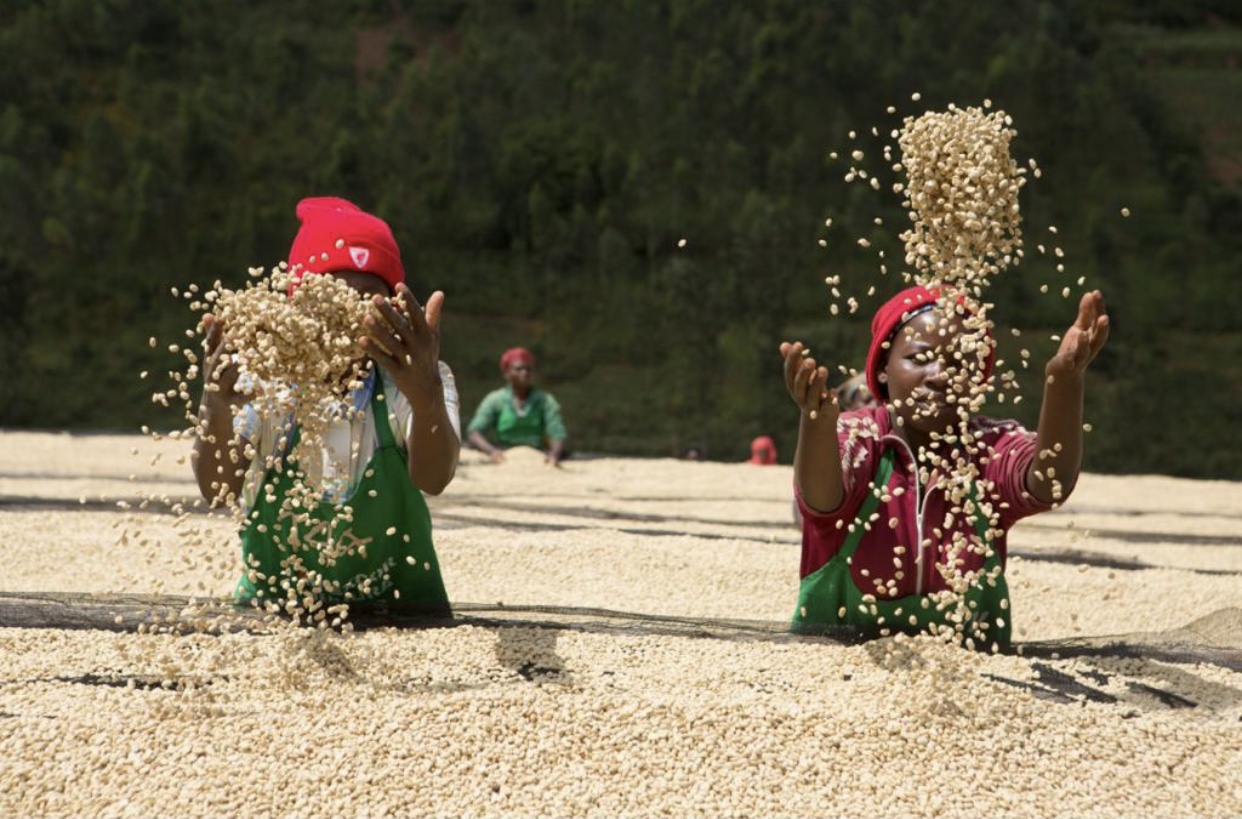
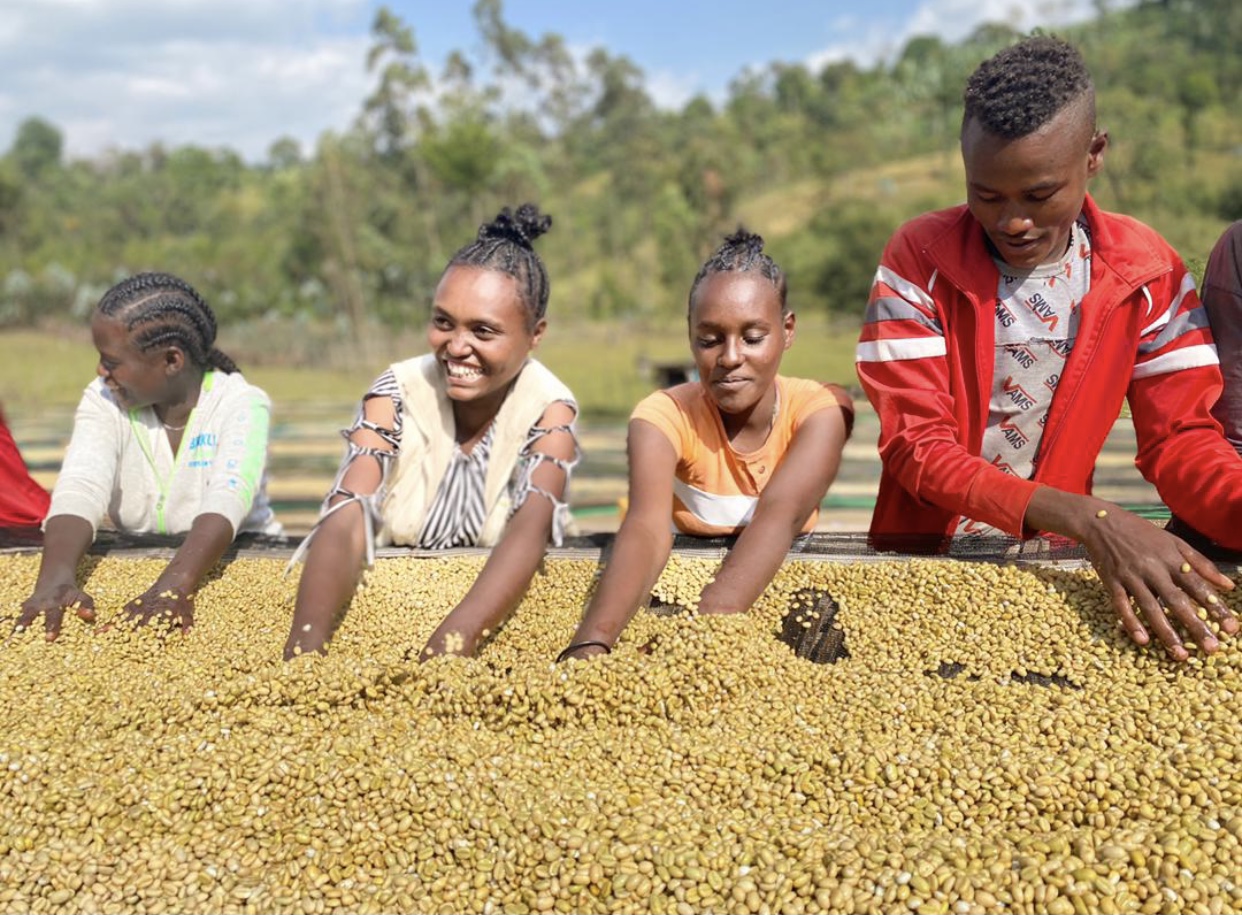
Farmers from growing regions—Africa, South and Central America, Costa Rica, Asia, to name a few—are simply missing out. Once the beans leave the farm, representation is seldom found throughout various sectors of the industry: importers, roasters, baristas, and consumers.
For Delvin Stern and Adesina DeYounge of Equatorial Coffee Consultants, Johnson has paved the way through instrumental resources to navigate through the industry and partake in economic opportunity. “We also want a seat at the table,” says Stern who supplies specialty green coffee (beans that are “raw” and not yet roasted) from farms globally. “However, we have either been consumers or laborers, but not [fully] responsible for distribution.”
Mellody Hobson, chairwoman of Starbucks Corp., has said that about 2% of Fortune 500 spending right now is with minority business enterprises. Equatorial‘s goal, along with others empowered by this emergence, is to cultivate partnerships and foster the untapped Black consumer base, which many agree is due to coffee’s illusive history and lack of marketing and diversity in the space.
Uplifting farmers at origin
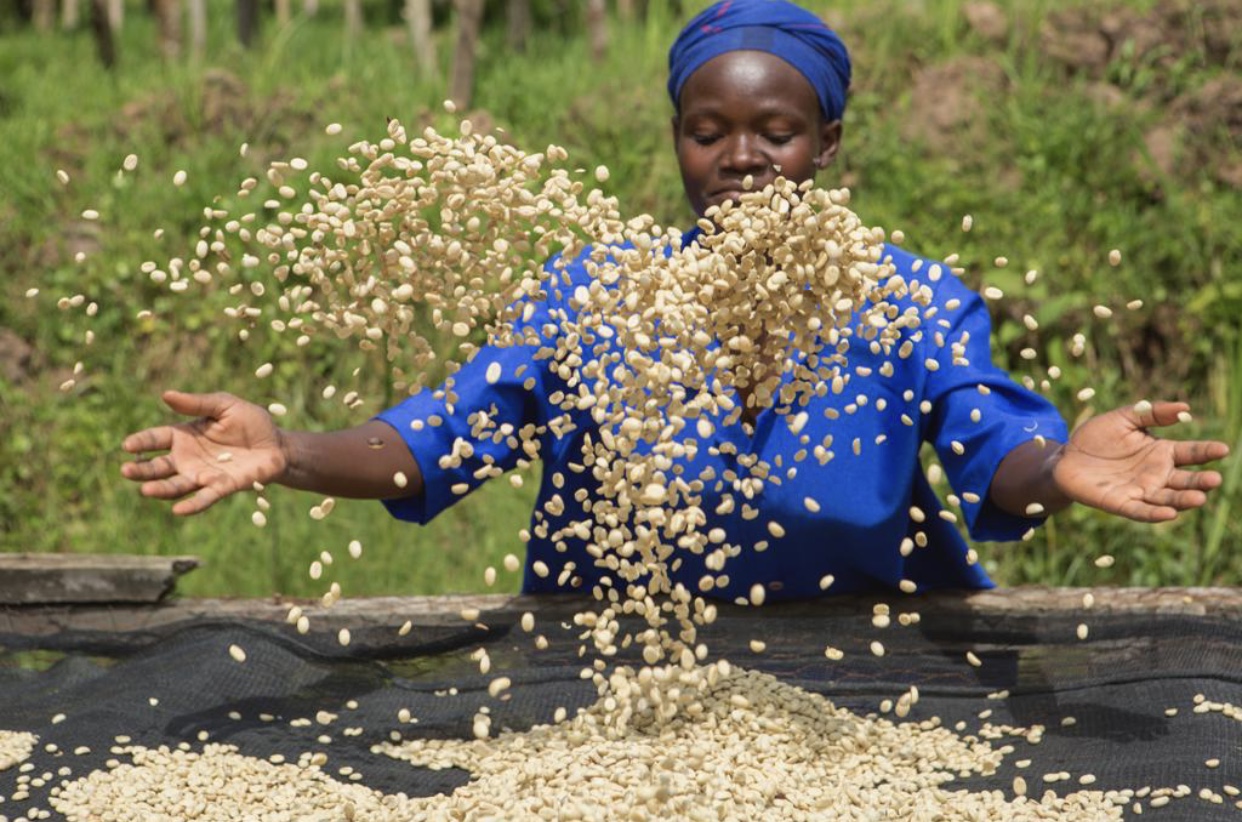
Supporting the farmer and commemorating coffee’s descendants is reconnecting the Black experience with the African diaspora. On the ground in Ethiopia, Getu Bekele, coffee business and research consultant at G Broad Trading Private Limited Company based in Addis Ababa, Ethiopia, consults small specialty farmers to improve productivity and quality of their product. “There’s a big gap between promoting and telling the history; the beautiful things, the challenges and opportunities of Ethiopian coffee,” says Bekele whose work also champions relationships between farmer and roaster. “We are the origin, we are the center of diversity for different coffee types and flavor profiles, but we don’t tell the beauty, opportunity, and values to the global coffee industry. We need to work hard and be strong in promoting and marketing the Ethiopian coffee.”
Bekele spent his education studying plant science and coffee breeding. He is now ensuring that the farmers are portrayed as integral players in the industry. Brands like On the Go Jo, a women-run retail and coffee shop in Chicago, celebrates growers by featuring them on their product. “The truth is that businesses can impact change and in order to be truly successful in the coffee industry or any industry that grows from indigenous people, you have to be conscious of that,” says co-owner Crystal Graham. “For years we’ve seen black and brown people mainly represented behind the scenes as production laborers, many of them women, stories often untold.”
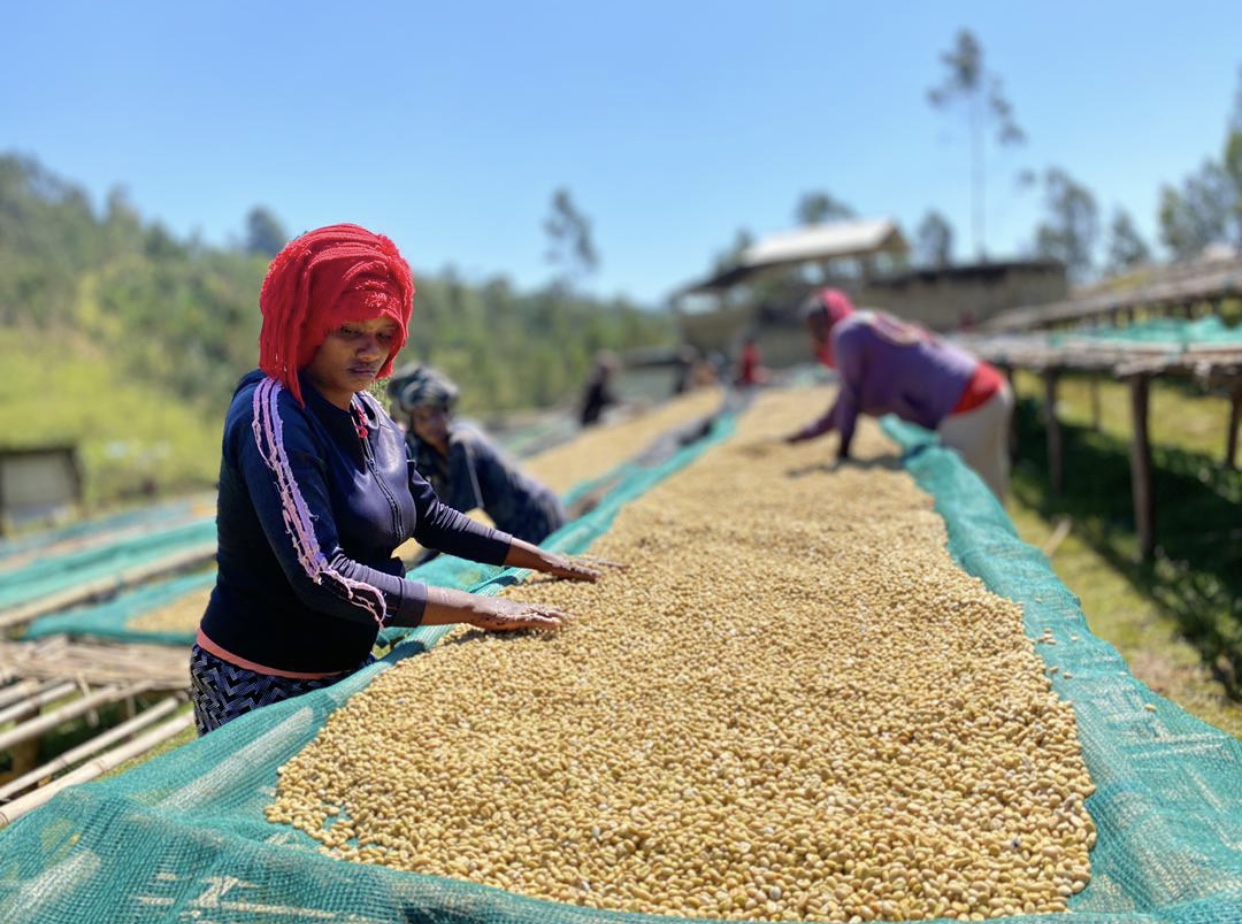
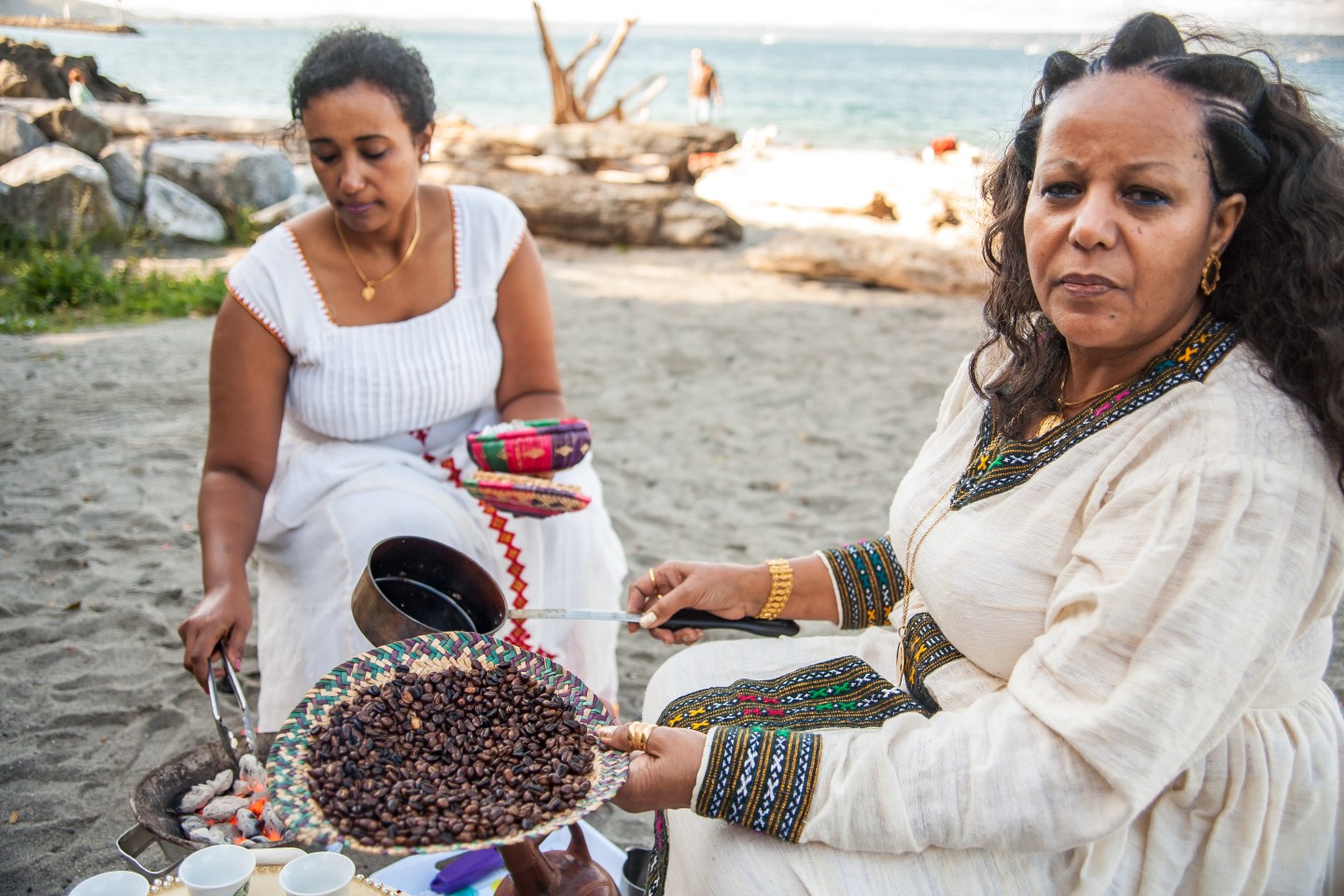
Bridging origin to customers is adding substance beyond grab-and-go. It’s creating compassion. Boon Boona Coffee in Renton, Wash., draws from the traditional Eritrean and Ethiopian tea ceremony that CEO and founder Efrem Fesaha experienced growing up. After immigrating to the U.S. at age five and revisiting Ethiopia as an adult, he saw first-hand the deep-rooted tradition, the farmers, and the value of sharing it in America.
“[There’s] a lack of narrative control. And lack of true storytelling has existed,” says Fesaha in bringing ceremony to his café. “I felt it was an opportunity to educate and shed a little bit of light on where it comes from.”
Blooming culture and tradition
The prolific human act of gathering to drink coffee matters to the world. In 2014, Keba Konte founded Red Bay Coffee and used the platform for impact by welcoming local events and arts, but also inclusivity and opportunities for the most marginalized: women, people of color, formerly incarcerated, and people with disabilities.
Initiatives like this are sprouting across the country and reintroducing coffee to the Black community. Bartholomew Jones and Renata Henderson of cxffeeblack lean more as a social enterprise than brand, using coffee and Black culture—specifically hip-hop—as a form of education and community engagement. And others, including Houston-based Three Keys, are also motivated by culture to amplify African heritage. “We intend to promote an open community around coffee by sharing a story of the connection and freedom which coffee can foster, through the lens of jazz music and its artfully boundless expression,” says Three Keys cofounder Kenzel Fallen.
As the CCRE evolves through online education and networking, the group is clearing pathways in finance as well as supporting partnership development, talent acquisition, education, marketing, and research. “We are not the ones doing all the work, we are a symbol that this work is necessary,” Johnson says. “We ourselves will engage in the work for all of us, for all corporations, for all individuals. It is for all of us.”
The result is and will continue to be an honest reflection of coffee’s past and the representation emerging throughout the world. Diluting coffee is a disservice to those at origin and those who simply do not know the history.