IBM shook up Wall Street on Thursday with a plan to spin off its information technology services unit as a separate company. Investors loved the idea, which could take until the end of 2021 to complete. IBM’s stock price, which had previously lost 7% in 2020, gained 6% on Thursday.
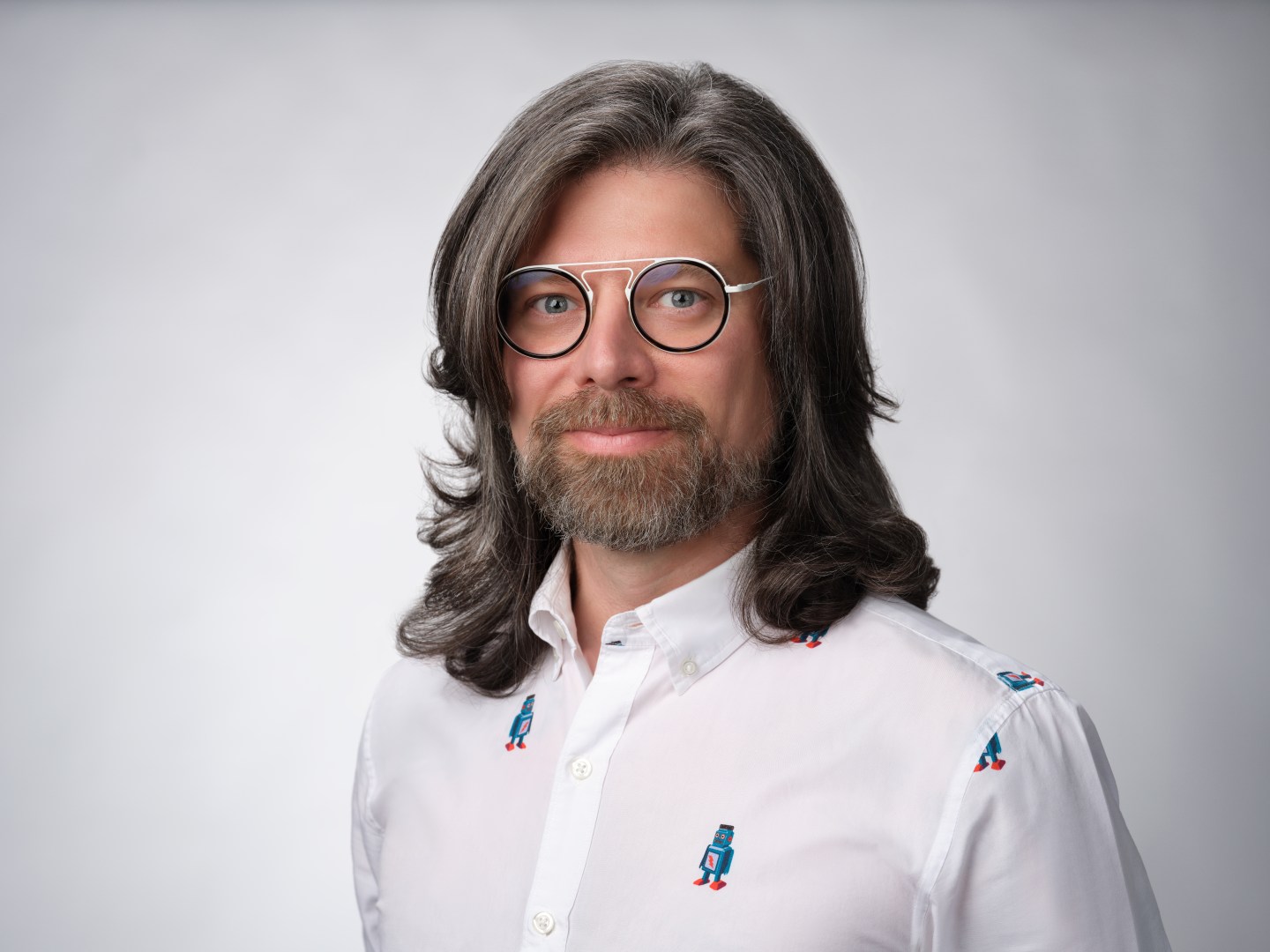
After last year’s purchase of Red Hat for $34 billion, IBM CEO Arvind Krishna is zeroing in on the opportunity to provide software tools for companies using cloud services. The old IT services unit, which still brings in almost $20 billion of revenue a year, isn’t a good fit, as Krishna explained in the following interview with Fortune.
This interview has been condensed and edited for clarity.
Fortune: Once the split is done, the main part of IBM will be much smaller than it was years ago. But can you start going into new businesses and doing some acquisitions to bulk up again?
Krishna: Can we go into new areas? I would say yes. As long as they’re aligned with hybrid cloud and A.I.
One example I’ll tell you right away that we’re investing in organically—I don’t think through M&A unless you give me a name of something interesting—is quantum computing. It’s probably beyond the view of most investors, but it has a lot of optionality. I think it’s a market worth hundreds of billions but it will probably take five years to play out.
I also think there’s so many elements inside of how A.I. will be applied to automate, for example, all kinds of property (transactions) from planes to loans and so forth. We’re just at the beginning of that market.
Can we do M&A, or acquisitions, to bolster our technology platforms? An absolute yes, no qualifications. We’re open for business. As we find things that are appropriate, we will go ahead and keep doing that. And part of the reasons of creating two companies, is it creates the space to be able to do more of that than we might have been able to do before.
Why is there no longer synergy between those parts of IBM and the IT services business? Or why does it no longer makes sense to keep the infrastructure services within IBM anymore?
We all acknowledge that the world of technology moves quite rapidly. What was of incredible value 20 years ago, still has value, but may not have value in terms of everything else. So when the world was looking at data centers, clients and servers, and adopting the Internet, I think managed infrastructure services had huge amounts of value because people were struggling with that heterogeneity and that complexity.
As we’re going toward cloud, and as applications become more and more infrastructure agnostic, people are making application decisions separate from the target destination. If that’s the case, then infrastructure modernization is a separate buying decision from the applications and the architectural platform decisions. That implies that these are better separate them together.
You know, maybe over a beer some day, we can debate what belongs inside a firm and what belongs outside a firm. I’m not an economist. I’m an outright engineer, but I think (Ronald Coase) said the boundaries of a firm should be determined by where there’s more friction going out than in. And I think that’s the criteria. You can always find some synergy. But is it better unlocked separately or better together? That’s always the question that, as a leader like me, you’re always thinking about.
Would this spin-out have been possible prior to your acquisition of Red Hat?
I think doing Red Hat and the confidence we have now gained for our hybrid-cloud platform is a big part of it. Prior to that, I’m not sure it would have made sense. Because you’ve got a different company, the company I wouldn’t tell you that we could have stated our maniacal focus of hybrid cloud only—now we can.
Where do you see the “NewCo” services company growing? It seems like you’re getting rid of the business that’s not going to be growing, which is good for IBM.
So today, that part of the business would be third in line for massive capital investment inside IBM. Number one will go to hybrid cloud, but number two would probably go into as elements of application services—[NewCo] will be third. Now that they won’t compete, they will be first. I think we’d all agree that makes a difference.
Two, the margin profiles of both the companies are quite different. So they can afford to do deals. Or they can do deals that actually [work] for them that we might not do today.
Three, when I look at partnerships, there are many people that will agree to partner with NewCo who today might be a little bit reluctant, given that they might compete with other parts of existing IBM. So those three, I think unlock a lot a lot of growth.
Where do you see Watson fitting in? Will the NewCo still use Watson as an A.I platform as it does today?
To be clear about where technology intellectual property, R&D, and the product ownership sits, that will be at IBM. However, that said, now, I have to create incentives just like I would with any other partner. So for Watson, it’s now up to us to convince NewCo that’s the best platform on which to do A.I.
So there’s a possibility that they could use a different A.I. platform other than Watson?
Well, until the spinout, we are one company and they will use no other. But look, they will be their own public company. We will have not control over them, let me be clear.