Subscribe to Fortune’s Outbreak newsletter for a daily roundup of stories on the coronavirus outbreak and its impact on global business.
The new coronavirus causes little more than a cough if it stays in the nose and throat, which it does for the majority of people unlucky enough to be infected. Danger starts when it reaches the lungs.
One in seven patients develops difficulty breathing and other severe complications, while 6% become critical. These patients typically suffer failure of the respiratory and other vital systems, and sometimes develop septic shock, according to a report by last month’s joint World Health Organization-China mission.
The progression from mild or moderate to severe can occur “very, very quickly,” said Bruce Aylward, a WHO assistant director-general who co-led a mission in China that reviewed data from 56,000 cases. Understanding the course of the disease and identifying individuals at greatest risk are critical for optimizing care for a global contagion that’s killed more than 3,700 people since emerging in central China in December.
About 10-15% of mild-to-moderate patients progress to severe and of those, 15-20% progress to critical. Patients at highest risk include people age 60 and older and those with pre-existing conditions such as hypertension, diabetes and cardiovascular disease.
“The clinical picture suggests a pattern of disease that’s not dissimilar to what we might see in influenza,” said Jeffery K. Taubenberger, who studied the infection in Spanish flu victims, including one exhumed more than 20 years ago from permafrost in northwestern Alaska.
Covid-19 most likely spreads via contact with virus-laden droplets expelled from an infected person’s cough, sneeze or breath.
Infection generally starts in the nose. Once inside the body, the coronavirus invades the epithelial cells that line and protect the respiratory tract, said Taubenberger, who heads the viral pathogenesis and evolution section of the National Institute of Allergy and Infectious Diseases in Bethesda, Maryland. If it’s contained in the upper airway, it usually results in a less severe disease.
But if the virus treks down the windpipe to the peripheral branches of the respiratory tree and lung tissue, it can trigger a more severe phase of the disease. That’s due to the pneumonia-causing damage inflicted directly by the virus plus secondary damage caused by the body’s immune response to the infection.
“Your body is immediately trying to repair the damage in the lung as soon as it’s happening,” Taubenberger said. Various white blood cells that consume pathogens and help heal damaged tissue act as first-responders. “Normally, if this goes well, you can clear up your infection in just a few days.”
In some more-severe coronavirus infections, the body’s effort to heal itself may be too robust, leading to the destruction of not just virus-infected cells, but healthy tissue, Taubenberger said. Damage to the epithelium lining the trachea and bronchi can result in the loss of protective mucus-producing cells as well as the tiny hairs, or cilia, that sweep dirt and respiratory secretions out of the lungs.
“You have no ability to keep stuff out of the lower respiratory tract,” Taubenberger said. As a result, the lungs are vulnerable to an invasive secondary bacterial infection. Potential culprits include the germs normally harbored in the nose and throat, and the antibiotic-resistant bacteria that thrive in hospitals, especially the moist environments of mechanical ventilators.
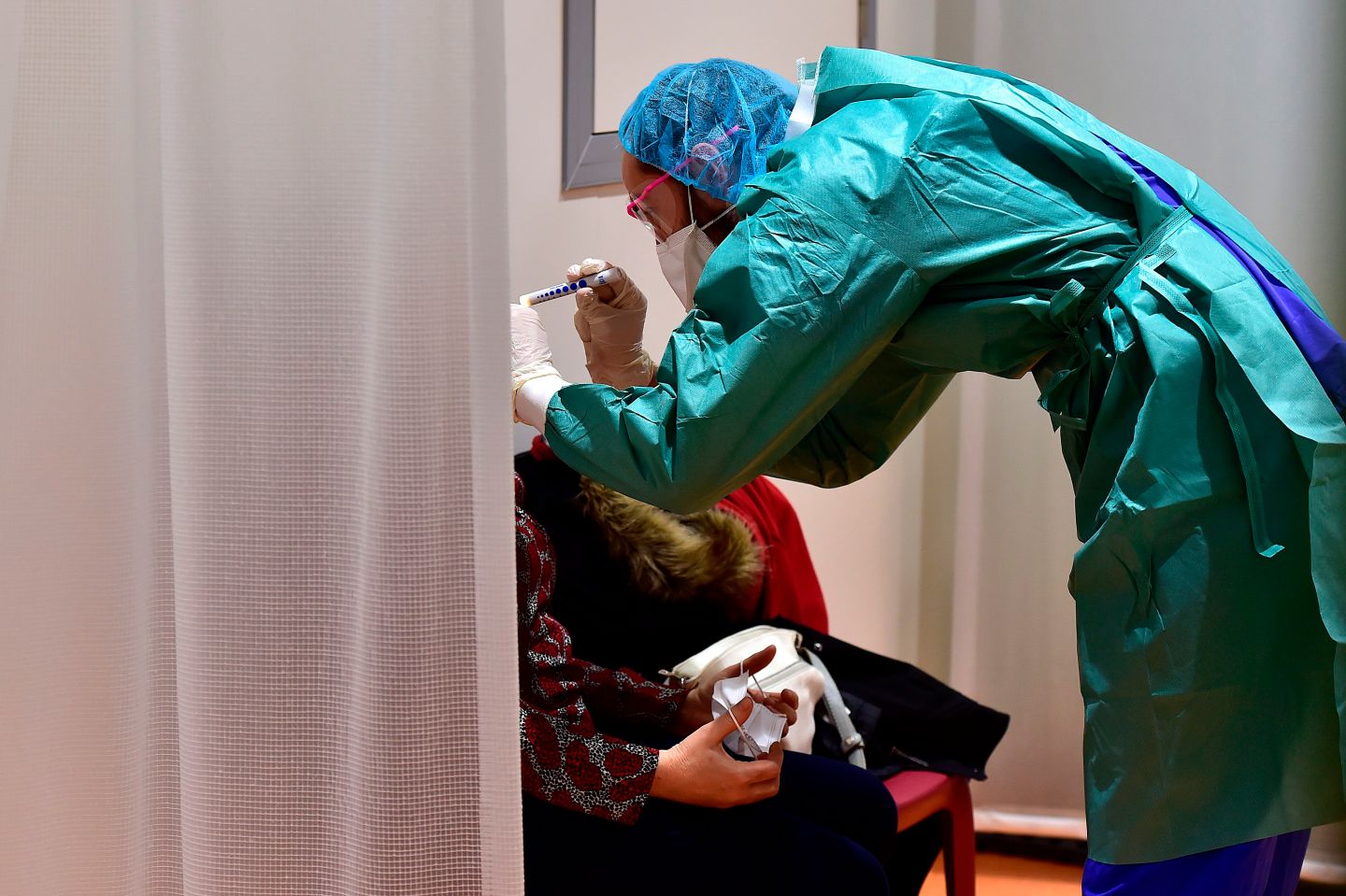
Secondary bacterial infections represent an especially pernicious threat because they can kill critical respiratory tract stem cells that enable tissue to rejuvenate. Without them, “you just can’t physically repair your lungs,” Taubenberger said. Damaged lungs can starve vital organs of oxygen, impairing the kidneys, liver, brain and heart.
“When you get a bad, overwhelming infection, everything starts to fall apart in a cascade,” said David Morens, senior scientific adviser to the director of the National Institute of Allergy and Infectious Diseases. “You pass the tipping point where everything is going downhill and, at some point, you can’t get it back.”
That tipping point probably also occurs earlier in older people, as it does in experiments with older mice, said Stanley Perlman, a professor of microbiology and immunology at the University of Iowa in Iowa City, who has studied coronaviruses for 38 years.
Still, even healthy younger adults have succumbed to the illness. Li Wenliang, the 34-year-old ophthalmologist who was one of the first to warn about the coronavirus in Wuhan, died last month after receiving antibodies, antivirals, antibiotics, oxygen and having his blood pumped through an artificial lung.
Some people may be more genetically susceptible, possibly because they have a greater abundance of the distinctly shaped protein receptors in their respiratory epithelial cells that the virus targets, Taubenberger said. It’s also possible certain individuals have some minor immunodeficiency or other host factors that relate to underlying illnesses.
More must-read stories from Fortune:
—Testing for coronavirus should be free, but it’s not always that simple
—Coronavirus is mutating: Chinese scientists find second strain
—Coronavirus is giving China cover to expand its surveillance. What happens next?
—The coronavirus is officially claiming its first corporate casualties
—Why the U.S. is so far behind other countries in coronavirus testing
—Travel insurance is booming, even though it doesn’t help flight changes and cancellations
Subscribe to Fortune’s Outbreak newsletter for a daily roundup of stories on the coronavirus outbreak and its impact on global business.