Well that was fast.
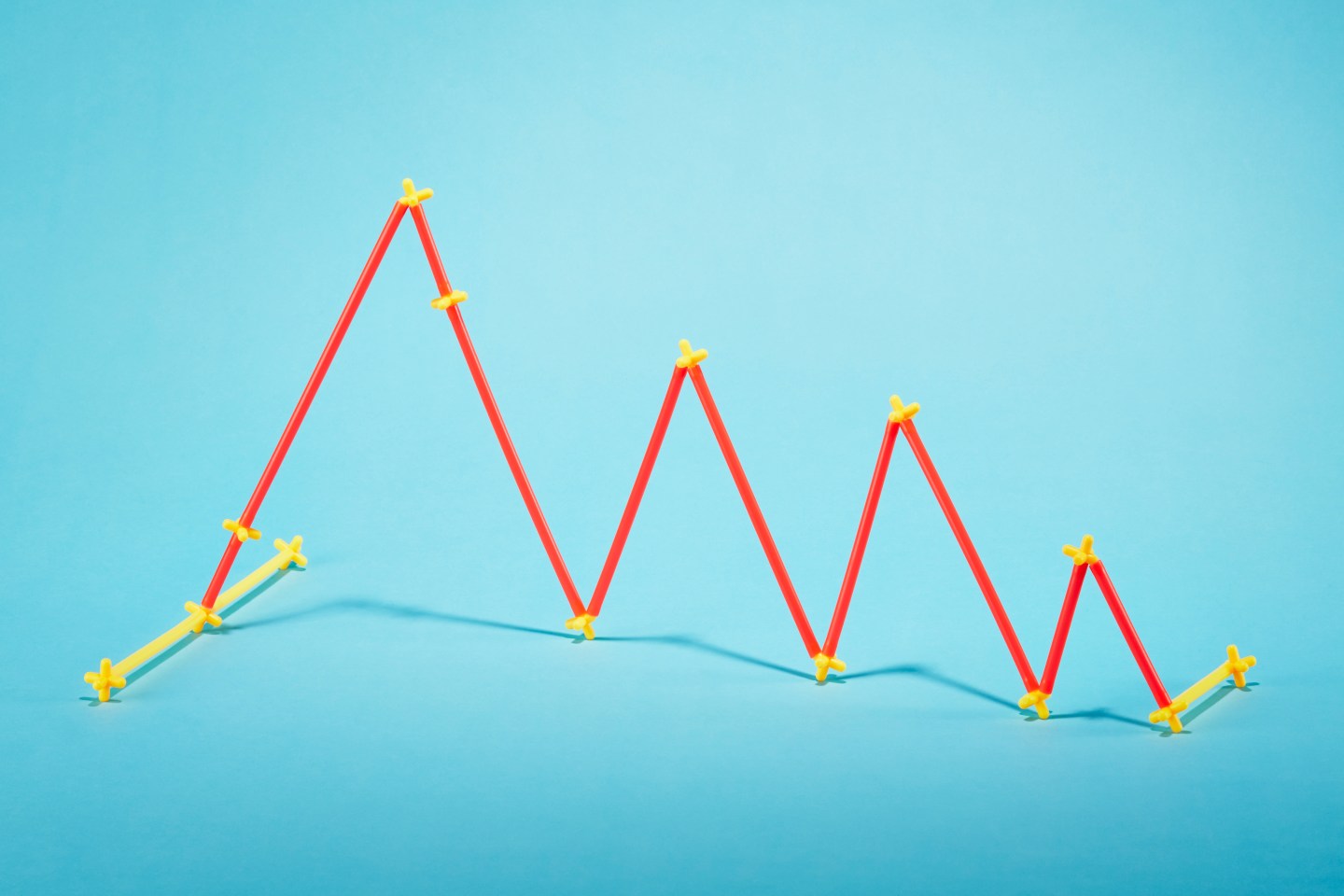
In the span of 7 trading days, the S&P 500 lost nearly 13%. Poof…gone. Last week marked the worst week of performance since the financial crisis since 2008. Then today saw another seemingly historic move, this time to the upside with the Dow notching its biggest point gain of all time.
When markets reprice so quickly it can leave your head spinning as an investor. The coronavirus is a reminder that risk in the stock market often comes from where you least expect it. It also adds a new level of uncertainty for investors who are already forced to deal with numerous uncertainties when trying to handicap the future.
While a pandemic is a rare event, losses in the stock market are not. Here’s a chart showing the frequency of drawdowns by various levels of losses going back to 1928
By my calculations, there have been 53 double-digit corrections in the stock market over the past 90+ years, good enough for one every other year or so. The current double-digit correction feels different because there is the prospect of a looming pandemic and potential economic slowdown.
While the severity of these downturns is always impossible to predict in advance, we can look at the historical track record of stock market losses to get a better sense of the historical range of outcomes.
When stocks fell 10% in the past:
- 49% of the time they didn’t fall any further than 15%
- 13% of the time they didn’t fall any further than 20%
- 15% of the time they fell between 20% and 30%
- 9% of the time they fell between 30% and 40%
- 8% of the time they fell between 40% and 50%
- 6% of the time they fell more than 50%
When stocks fell 15%:
- 26% of the time they didn’t fall any further than 20%
- 30% of the time they fell between 20% and 30%
- 19% of the time they fell between 30% and 40%
- 15% of the time they fell between 40% and 50%
- 11% of the time they fell more than 50%
When stocks fell 20%:
- 40% of the time they didn’t fall any further than 30%
- 25% of the time they fell between 30% and 40%
- 20% of the time they fell between 40% and 50%
- 15% of the time they fell more than 50%
When stocks fell 30%:
- 42% of the time they didn’t fall any further than 40%
- 33% of the time they fell between 40% and 50%
- 25% of the time they fell more than 50%
When stocks fell 40%:
- 57% of the time they didn’t fall any further than 50%
- 43% of the time they fell more than 50%
When stocks fell 50%:
- 67% of the time they didn’t fall any further than 60%
- 33% of the time they fell more than 60%
Here’s another way of looking at these numbers:
- When stocks fell 10%, 51% of the time they fell at least 15%.
- When stocks fell 15%, 74% of the time they fell at least 20%.
- When stocks fell 20%, 60% of the time they fell at least 30%.
- When stocks fell 30%, 58% of the time they fell at least 40%.
- When stocks fell 40%, 43% of the time they fell at least 50%.
- When stocks fell 50%, 33% of the time they fell at least 60%.
The huge crashes are always the biggest worry but that’s because they are so rare. Nearly 80% of all double-digit corrections didn’t see losses exceed 30%.
The length of the market plunge can also vary widely. For those corrections that were in the 10% to 30% range, the average loss was -16.1%, lasting 140 days from peak-to-trough. The corrections that were -30% or worse averaged losses of -45%, lasting 442 days from top to bottom.
The path of the current downturn will likely be determined by the severity of the economic slowdown caused by the coronavirus, the potential fiscal and monetary stimulus that occurs because of it and the psyche of investors who are dealing with a new known unknown.
Just remember that the fact that stocks have fallen so hard so fast doesn’t necessarily make it any easier to predict what comes next.
When the stock market took a nosedive in the 1960s, one of Warren Buffett’s clients called to warn him that stocks would surely fall further. Buffett responded with two questions:
- If you knew in February that the Dow was going to 865 in May, why didn’t you let me know it then?
- And if you didn’t know what was going to happen during the ensuing three months back in February, how do you know in May?
Markets are driven by trends and psychology in the short-term so it’s possible stocks continue their downward trajectory. But the truth is no one knows how far these things will go or what expectations investors have already baked into current prices.
Markets feel more uncertain today than they have in some time. Just know that no investor has ever had complete clarity about the path markets will take over the short-to-intermediate-term. There are far too many variables at play to know what will happen with anything approaching certainty when it comes to market psychology.
Ben Carlson, CFA is the Director of Institutional Asset Management at Ritholtz Wealth Management. He may own securities or assets discussed in this piece.
More must-read stories from Fortune:
—Coronavirus spreads to a previously healthy sector: corporate earnings
—A Fed rate cut won’t cure what’s ailing the stock market
—How companies like Ernst & Young are going to extremes to avoid infections
—These cities have the most jobs with six-figure salaries
—Credit Karma was acquired rather than pursuing an IPO. Will more companies follow suit in 2020?
Subscribe to Fortune’s Bull Sheet for no-nonsense finance news and analysis daily.