Steve Jobs was the master magician of systemic change. In 1983, most Silicon Valley tech leaders foresaw a future of hundreds of millions of cheaper, faster, better computers primarily for business users. At that same time, Steve Jobs envisioned a very different future, with many billions of computers that would be incredibly easy for non-technical people to use, empowering them to do amazing creative things.
The same is now happening with health care sensory technology. Visionary leaders like Amazon’s Jeff Bezos, Google parent company Alphabet’s Larry Page, Microsoft’s Satya Nadella, and Apple’s Tim Cook are looking ahead to how this innovation can bring about the new era of health care tech.
Over my career, I have been an eyewitness to several major systemic changes in the high technology industry. After systemic change occurs, it is obvious to everyone what changed. But in the early days when it starts, it is not so obvious that anything is shifting unless you know what to look for. Systemic change happens when technology solves a really big problem better than it’s been dealt with up to that point.
Two trends will drive systemic change in the health care sector for the next decade. The first is that the number of available hospital beds will continue to drop, having already decreased from 1,213,327 to 931,203 beds, or 23%, over the past 30 years. This occurred while the population grew by over 30%.
I predict we will see the number of beds decrease even more dramatically over the next five years as a result of remote patient monitoring technology going through significant technology advances. Different types of medical sensors will give immediate personalized medical feedback data to health professionals. Doctors will be able to respond to serious ailments faster. Telehealth will move beyond its current use in non-urgent care situations. With the help of advanced sensors, serving chronic care patients in their own homes will become mainstream practice.
The second trend is the rise of “super users” in our health care system. In 2016, 5% of the population was responsible for half of all dollars spent on health care in this country. These patients are stressing the sustainability of the health care system with their high cost of care. Remotely monitoring the most seriously ill can lead to fewer patients readmitted back into the hospital after discharge. The health care industry is pivoting away from inpatient hospital care for chronically ill patients and toward technology-powered care solutions.
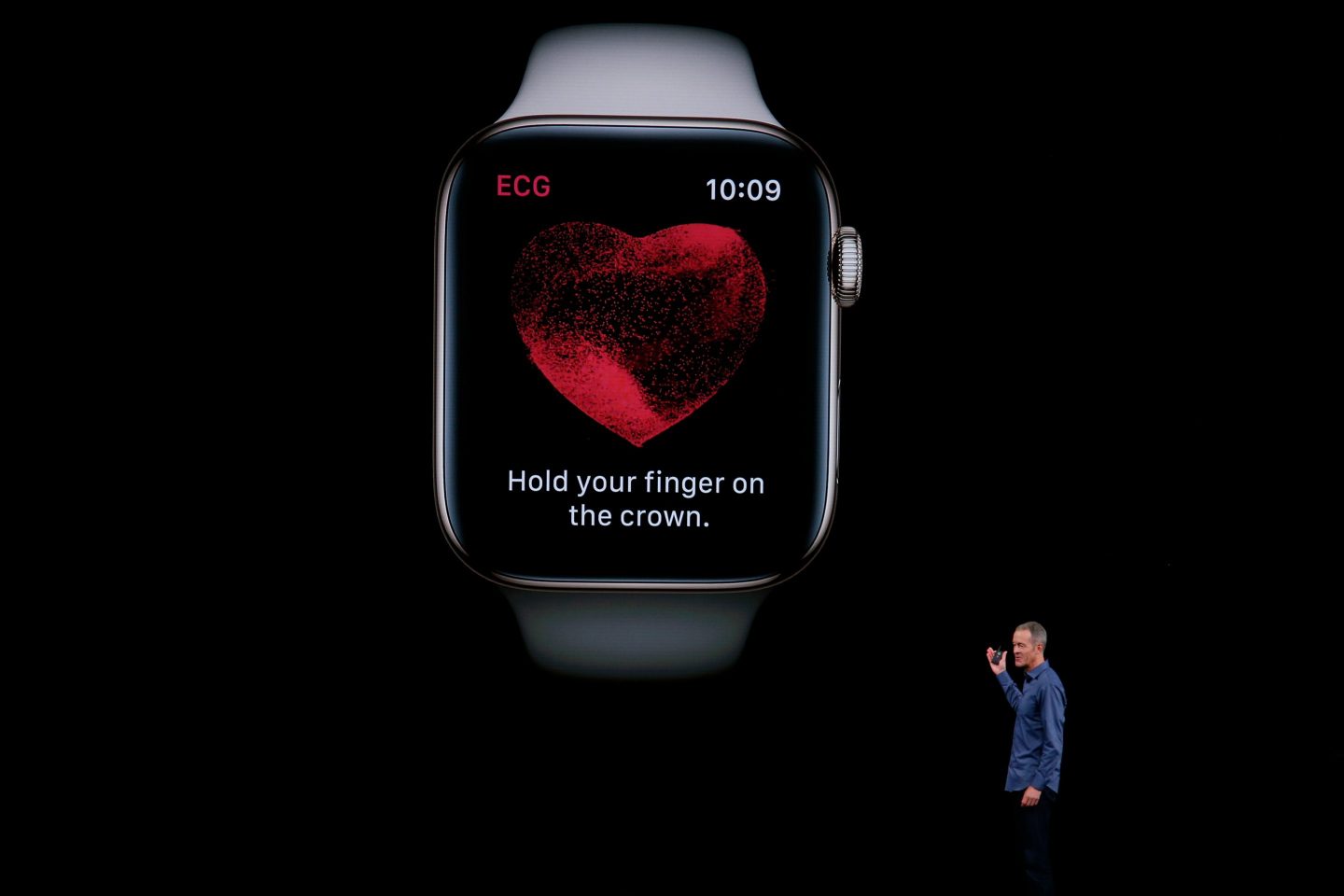
Look for Apple to add more medical sensor-based applications to its Apple Watch. Some analysts, including Gene Munster of Loup Ventures and myself, predict Apple will eventually deploy an Apple Health subscription service that will connect the Apple Watch to physicians. Morgan Stanley predicts Apple’s mobile health business could surpass $300 billion by 2027.
Google could put advanced medical sensors in its Pixel smartphones, along with its A.I. voice assistant technology that interprets personalized sensor-generated medical data. The company could create a smart, automated patient caregiver for chronic care patients at home. And Google could merge its sensors, along with A.I.-powered Duplex and smart home system Nest, into a health subscription service.
Similarly, Alexa Health, a spinoff of the voice assistant service, can use advanced miniaturized sensors in Echo devices to provide health care services to chronic care patients at home. Amazon could scale their subscription health service more rapidly than either Apple or Google could.
Microsoft, on the other hand, doesn’t appear to have deep experience in the health domain. That said, I have never seen a business leader change the culture and performance of a giant corporation like Microsoft in just five years. Don’t underestimate Satya Nadella.
But for now, Alexa Health and Google Nest are the ideal platforms to incorporate advanced medical sensors. With these products, Amazon and Google have the potential to systemically change the future of consumer health tech—which until now has seemed destined to follow the evolution of Apple Health.
John Sculley is the former CEO of Apple and current CMO of RxAdvance. He does not work for or on behalf of, and is not associated with, any of the mentioned companies. All statements in this article are based on publicly available information.
More opinion in Fortune:
—Renewable energy is booming. Here’s how to keep it going
—Bernie Sanders: America is drowning in student debt. Here’s my plan to end it
—Business needs a better way to predict the next economic downturn
—Most states still enforce noncompete agreements—and it’s stifling innovation
—Mike Gravel: Why the American people need their own legislature
Listen to our new audio briefing, Fortune 500 Daily