• Home
  • Latest
  • Fortune 500
  • Finance
  • Tech
  • Leadership
  • Lifestyle
  • Rankings
  • Multimedia
TechRussia

3 Ways Russian-Linked Entities Stoked Controversy on Facebook, Twitter

By
Jonathan Vanian
Jonathan Vanian
Down Arrow Button Icon
By
Jonathan Vanian
Jonathan Vanian
Down Arrow Button Icon
October 19, 2018, 7:24 PM ET

New charges against a Russian national for allegedly trying to influence the 2016 U.S. presidential elections and upcoming midterms reveal the creative techniques that Kremlin-linked groups have used to sow discontent among Americans.

The Department of Justice said Friday that it filed criminal charges against Elena Alekseevna Khusyaynova for her alleged role with the Russian propaganda operation “Project Lakhta.” This operation, according to the complaint, oversaw multiple Russian-linked entities like the Internet Research Agency that lawmakers say spread fake news and ginned up controversy on Twitter and Facebook.

Russia has deniedany disinformation campaign.

Here’s some interesting takeaways from the lawsuit:

Capitalizing on polarized topics of national interest

The complaint alleges that the Russian groups grasped onto polarized issues like gun control, race relations, and immigration to further divide the U.S. populace. They spread both liberal and conservative viewpoints to various groups on social media, tailoring the message to each one, including choosing which publication to share on them.

One unnamed Russian cited in the complaint allegedly said, ” If you write posts in a liberal group,…you must not use Breitbart titles. On the contrary, if you write posts in a conservative group, do not use Washington Post or Buzzfeed’s titles.”

The Russian groups appeared to practice their own form of racism, with one member reportedly saying “Colored LGTB are less sophisticated than white; therefore, complicated phrases and messages do not work.”

The groups apparently discovered that “infographics work well among LGTB and their liberal allies,” while conservatives appeared to be indifferent to graphics.

Spinning the news

Members of the Russian entities were well versed in summarizing popular news stories and spinning them in a way that would antagonize Americans. The entities created a Facebook group dubbed “Secure Borders” that would aggregate news stories and then sensationalize them to draw emotional responses.

Here’s an example of one way the Russian groups discussed among themselves about how to spin a news story about the late John McCain’s criticism of President Donald Trump’s immigration policies.

“Brand McCain as an old geezer who has lost it and who long ago belonged in a home for the elderly. Emphasize that John McCain’s pathological hatred towards Donald Trump and towards all his initiatives crosses all reasonable borders and limits. State that dishonorable scoundrels, such as McCain, immediately aim to destroy all the conservative voters’ hopes as soon as Trump tries to fulfill his election promises and tries to protect the American interests.”

Creating fake user accounts on Facebook and Twitter

The Russian groups couldn’t have spread propaganda as effectively if they used their real identities. Instead, they created fake profiles on the social media to do things like promote protests and rallies and to post divisive and hateful content.

For instance, the fictitious New York City resident “Bertha Malone” created 400 Facebook posts that allegedly contained “inflammatory political and social content focused primarily on immigration and Islam.”

Get Data Sheet, Fortune’s technology newsletter.

The “Malone” personal also communicated with an unnamed real Facebook user to assist in posting content and managing a Facebook group called “Stop A.I.”

On March 9, 2018, a fake Twitter user named @JohnCopper16 attempted to influence Twitter users by commenting on President Trump’s recent summit with North Korean President Kim Jong Un:


About the Author
By Jonathan Vanian
LinkedIn iconTwitter icon

Jonathan Vanian is a former Fortune reporter. He covered business technology, cybersecurity, artificial intelligence, data privacy, and other topics.

See full bioRight Arrow Button Icon

Latest in Tech

NewslettersCIO Intelligence
Inside tractor maker CNH’s push to bring more artificial intelligence to the farm
By John KellDecember 10, 2025
2 hours ago
NewslettersTerm Sheet
5 VCs sounds off on the AI question du jour
By Amanda GerutDecember 10, 2025
3 hours ago
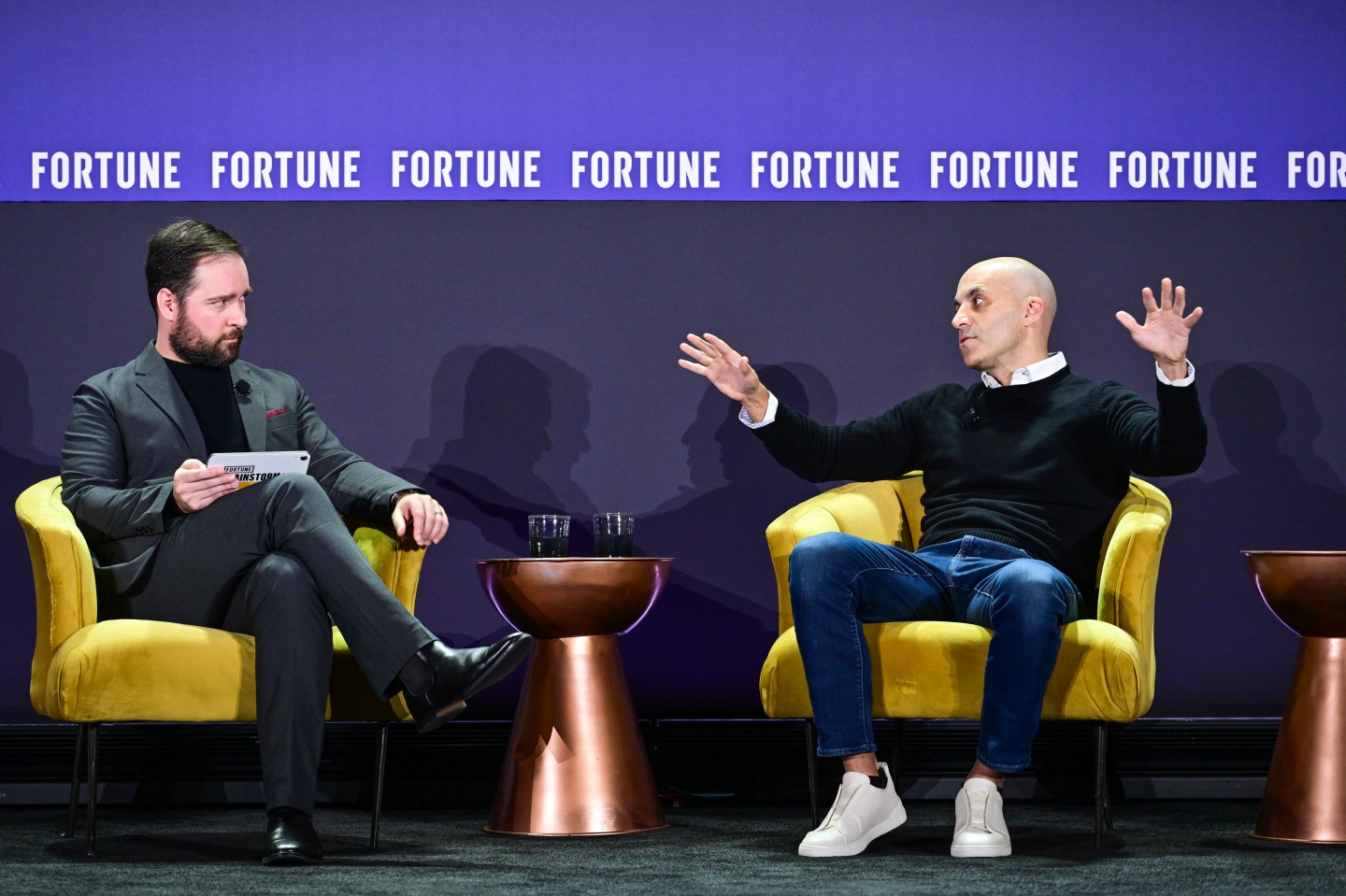
Databricks co-founder and CEO Ali Ghodsi (right) with Fortune editorial director Andrew Nusca at Fortune Brainstorm AI 2025 in San Francisco. (Photo: Stuart Isett/Fortune)
NewslettersFortune Tech
How Databricks could achieve a trillion-dollar valuation
By Andrew NuscaDecember 10, 2025
3 hours ago
Zhenghua Yang
SuccessSmall Business
At 18, doctors gave him three hours to live. He played video games from his hospital bed—and now, he’s built a $10 million-a-year video game studio
By Preston ForeDecember 10, 2025
4 hours ago
AsiaCoupang
Coupang CEO resigns over historic South Korean data breach
By Yoolim Lee and BloombergDecember 10, 2025
6 hours ago
AIpalantir
New contract shows Palantir is working on a tech platform for another federal agency that works with ICE
By Jessica MathewsDecember 9, 2025
13 hours ago

Most Popular

placeholder alt text
Economy
‘Fodder for a recession’: Top economist Mark Zandi warns about so many Americans ‘already living on the financial edge’ in a K-shaped economy 
By Eva RoytburgDecember 9, 2025
17 hours ago
placeholder alt text
Success
When David Ellison was 13, his billionaire father Larry bought him a plane. He competed in air shows before leaving it to become a Hollywood executive
By Dave SmithDecember 9, 2025
1 day ago
placeholder alt text
Banking
Jamie Dimon taps Jeff Bezos, Michael Dell, and Ford CEO Jim Farley to advise JPMorgan's $1.5 trillion national security initiative
By Nino PaoliDecember 9, 2025
18 hours ago
placeholder alt text
Uncategorized
Transforming customer support through intelligent AI operations
By Lauren ChomiukNovember 26, 2025
14 days ago
placeholder alt text
Real Estate
The 'Great Housing Reset' is coming: Income growth will outpace home-price growth in 2026, Redfin forecasts
By Nino PaoliDecember 6, 2025
4 days ago
placeholder alt text
Success
Even the man behind ChatGPT, OpenAI CEO Sam Altman, is worried about the ‘rate of change that’s happening in the world right now’ thanks to AI
By Preston ForeDecember 9, 2025
22 hours ago
Rankings
  • 100 Best Companies
  • Fortune 500
  • Global 500
  • Fortune 500 Europe
  • Most Powerful Women
  • Future 50
  • World’s Most Admired Companies
  • See All Rankings
Sections
  • Finance
  • Leadership
  • Success
  • Tech
  • Asia
  • Europe
  • Environment
  • Fortune Crypto
  • Health
  • Retail
  • Lifestyle
  • Politics
  • Newsletters
  • Magazine
  • Features
  • Commentary
  • Mpw
  • CEO Initiative
  • Conferences
  • Personal Finance
  • Education
Customer Support
  • Frequently Asked Questions
  • Customer Service Portal
  • Privacy Policy
  • Terms Of Use
  • Single Issues For Purchase
  • International Print
Commercial Services
  • Advertising
  • Fortune Brand Studio
  • Fortune Analytics
  • Fortune Conferences
  • Business Development
About Us
  • About Us
  • Editorial Calendar
  • Press Center
  • Work At Fortune
  • Diversity And Inclusion
  • Terms And Conditions
  • Site Map

© 2025 Fortune Media IP Limited. All Rights Reserved. Use of this site constitutes acceptance of our Terms of Use and Privacy Policy | CA Notice at Collection and Privacy Notice | Do Not Sell/Share My Personal Information
FORTUNE is a trademark of Fortune Media IP Limited, registered in the U.S. and other countries. FORTUNE may receive compensation for some links to products and services on this website. Offers may be subject to change without notice.