• Home
  • News
  • Fortune 500
  • Tech
  • Finance
  • Leadership
  • Lifestyle
  • Rankings
  • Multimedia

Researchers Discover ‘Anxiety Cells’ in the Brains of Mice

By
Sarah Gray
Sarah Gray
Down Arrow Button Icon
By
Sarah Gray
Sarah Gray
Down Arrow Button Icon
January 31, 2018, 6:07 PM ET

Neuroscientists have discovered what they called “anxiety cells” in the brains of mice, raising hopes that the finding could help with treating human anxiety disorders.

Researchers at the University of California, San Francisco and Columbia University’s Irving Medical Center wanted to understand “where the emotional information that goes into the feeling of anxiety is encoded within the brain,” senior investigator Mazen Kheirbek, Ph.D., an assistant professor of psychiatry at UCSF, said in a statement. They published their findings in the latest issue of the journal Neuron.

A certain level of anxiety is beneficial to humans and other animals. When faced with a dangerous situation, anxiety keeps us alert. An anxiety disorder is when this feeling is excessive and doesn’t go away, the National Institute of Mental Health (NIMH) explains. Common examples are general anxiety disorder, social anxiety disorder, and panic disorder.

To identify the “anxiety cells,” the researchers inserted miniature microscopes into the brains of mice to record cell activity in the hippocampus—a section of the brain in both mice and humans that is thought to help with learning, memories, and emotions. They then put the mice in stressful situations and watched which cells fired.

“We call these anxiety cells because they only fire when the animals are in places that are innately frightening to them,” one of the study’s senior researchers, Rene Hen, Ph.D., a professor of psychiatry at CUIMC, said in a statement. “For a mouse, that’s an open area where they’re more exposed to predators, or an elevated platform.”

To test and see if these cells caused anxiety, they used a technique called optogenetics (beams of light used to control neuron activity) to turn up or turn down these specific cells. “When the cells were silenced, the mice spent more time wandering onto elevated platforms and away from protective walls,” the UCSF news center reported. “When the cells were stimulated, the mice exhibited more anxiety-behaviors even when they were in ‘safe’ surroundings.”

While the study was just done in mice, the researchers are hoping this discovery will be a building block in treating humans with anxiety disorders. But that is far off.

Joshua Gordon, director of the NIMH, which helped fund this study, said in an interview with NPR, that the study is just “one brick in a big wall” of research necessary.

“If we can learn enough,” Gordon said, “we can develop the tools to turn on and off the key players that regulate anxiety in people.”


About the Author
By Sarah Gray
See full bioRight Arrow Button Icon

Latest in

CryptoBinance
Binance has been proudly nomadic for years. A new announcement suggests it’s finally chosen a headquarters
By Ben WeissDecember 7, 2025
3 hours ago
Big TechStreaming
Trump warns Netflix-Warner deal may pose antitrust ‘problem’
By Hadriana Lowenkron, Se Young Lee and BloombergDecember 7, 2025
7 hours ago
Big TechOpenAI
OpenAI goes from stock market savior to burden as AI risks mount
By Ryan Vlastelica and BloombergDecember 7, 2025
7 hours ago
InvestingStock
What bubble? Asset managers in risk-on mode stick with stocks
By Julien Ponthus, Natalia Kniazhevich, Abhishek Vishnoi and BloombergDecember 7, 2025
7 hours ago
EconomyTariffs and trade
Macron warns EU may hit China with tariffs over trade surplus
By James Regan and BloombergDecember 7, 2025
7 hours ago
EconomyTariffs and trade
U.S. trade chief says China has complied with terms of trade deals
By Hadriana Lowenkron and BloombergDecember 7, 2025
7 hours ago

Most Popular

placeholder alt text
Real Estate
The 'Great Housing Reset' is coming: Income growth will outpace home-price growth in 2026, Redfin forecasts
By Nino PaoliDecember 6, 2025
2 days ago
placeholder alt text
AI
Nvidia CEO says data centers take about 3 years to construct in the U.S., while in China 'they can build a hospital in a weekend'
By Nino PaoliDecember 6, 2025
2 days ago
placeholder alt text
Economy
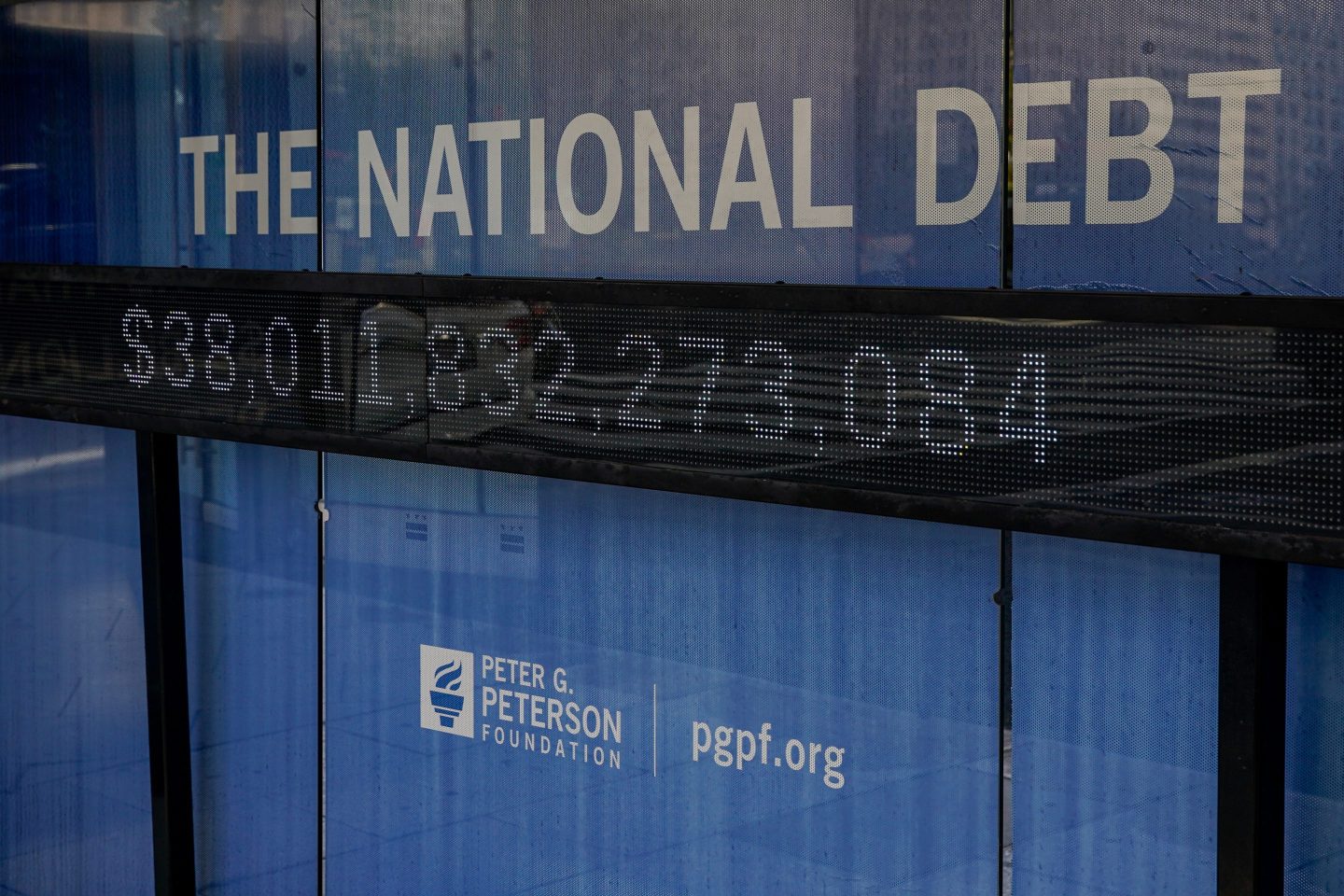
The most likely solution to the U.S. debt crisis is severe austerity triggered by a fiscal calamity, former White House economic adviser says
By Jason MaDecember 6, 2025
1 day ago
placeholder alt text
Economy
JPMorgan CEO Jamie Dimon says Europe has a 'real problem’
By Katherine Chiglinsky and BloombergDecember 6, 2025
1 day ago
placeholder alt text
Big Tech
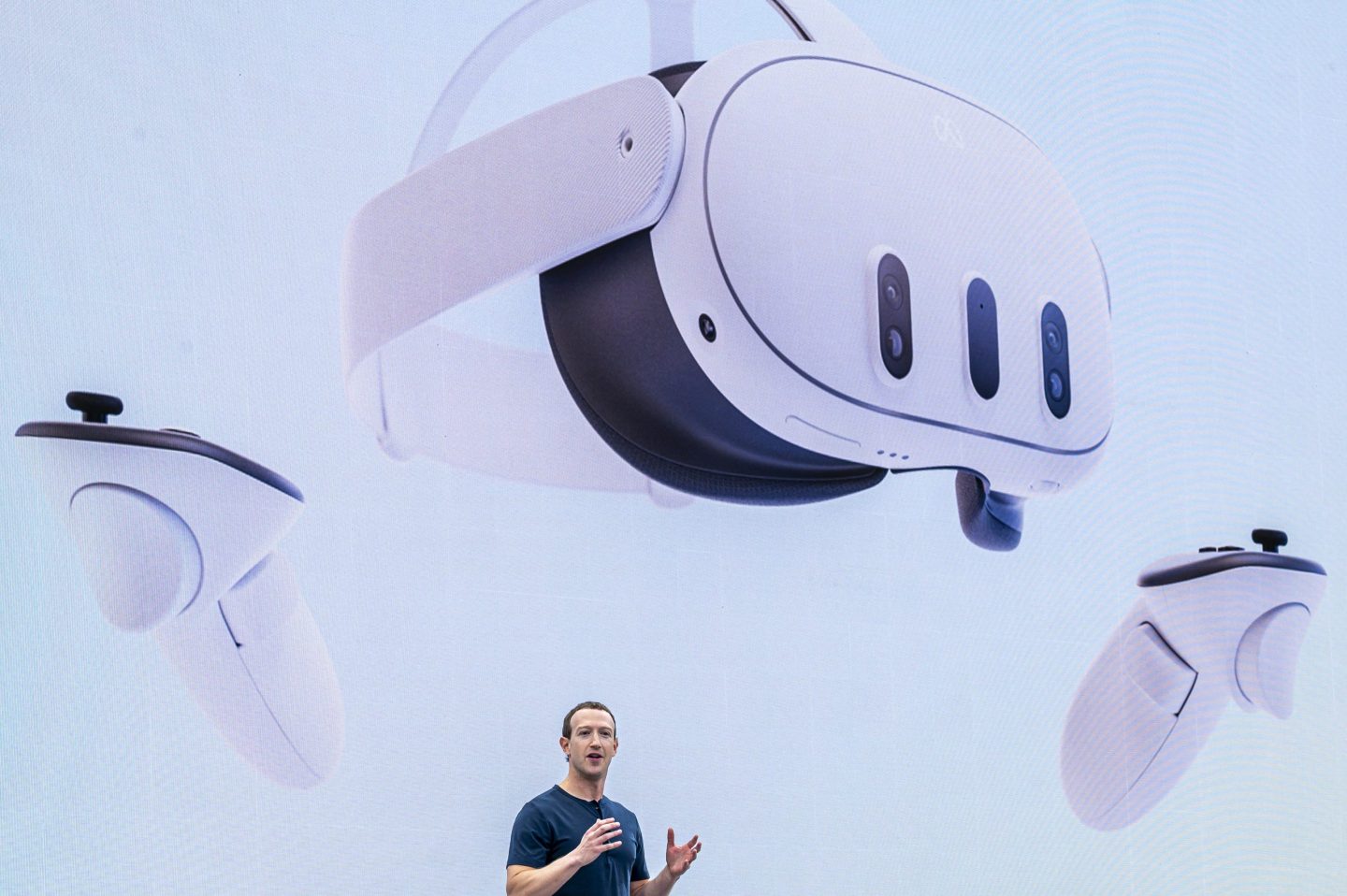
Mark Zuckerberg rebranded Facebook for the metaverse. Four years and $70 billion in losses later, he’s moving on
By Eva RoytburgDecember 5, 2025
3 days ago
placeholder alt text
Politics
Supreme Court to reconsider a 90-year-old unanimous ruling that limits presidential power on removing heads of independent agencies
By Mark Sherman and The Associated PressDecember 7, 2025
15 hours ago
Rankings
  • 100 Best Companies
  • Fortune 500
  • Global 500
  • Fortune 500 Europe
  • Most Powerful Women
  • Future 50
  • World’s Most Admired Companies
  • See All Rankings
Sections
  • Finance
  • Leadership
  • Success
  • Tech
  • Asia
  • Europe
  • Environment
  • Fortune Crypto
  • Health
  • Retail
  • Lifestyle
  • Politics
  • Newsletters
  • Magazine
  • Features
  • Commentary
  • Mpw
  • CEO Initiative
  • Conferences
  • Personal Finance
  • Education
Customer Support
  • Frequently Asked Questions
  • Customer Service Portal
  • Privacy Policy
  • Terms Of Use
  • Single Issues For Purchase
  • International Print
Commercial Services
  • Advertising
  • Fortune Brand Studio
  • Fortune Analytics
  • Fortune Conferences
  • Business Development
About Us
  • About Us
  • Editorial Calendar
  • Press Center
  • Work At Fortune
  • Diversity And Inclusion
  • Terms And Conditions
  • Site Map

© 2025 Fortune Media IP Limited. All Rights Reserved. Use of this site constitutes acceptance of our Terms of Use and Privacy Policy | CA Notice at Collection and Privacy Notice | Do Not Sell/Share My Personal Information
FORTUNE is a trademark of Fortune Media IP Limited, registered in the U.S. and other countries. FORTUNE may receive compensation for some links to products and services on this website. Offers may be subject to change without notice.