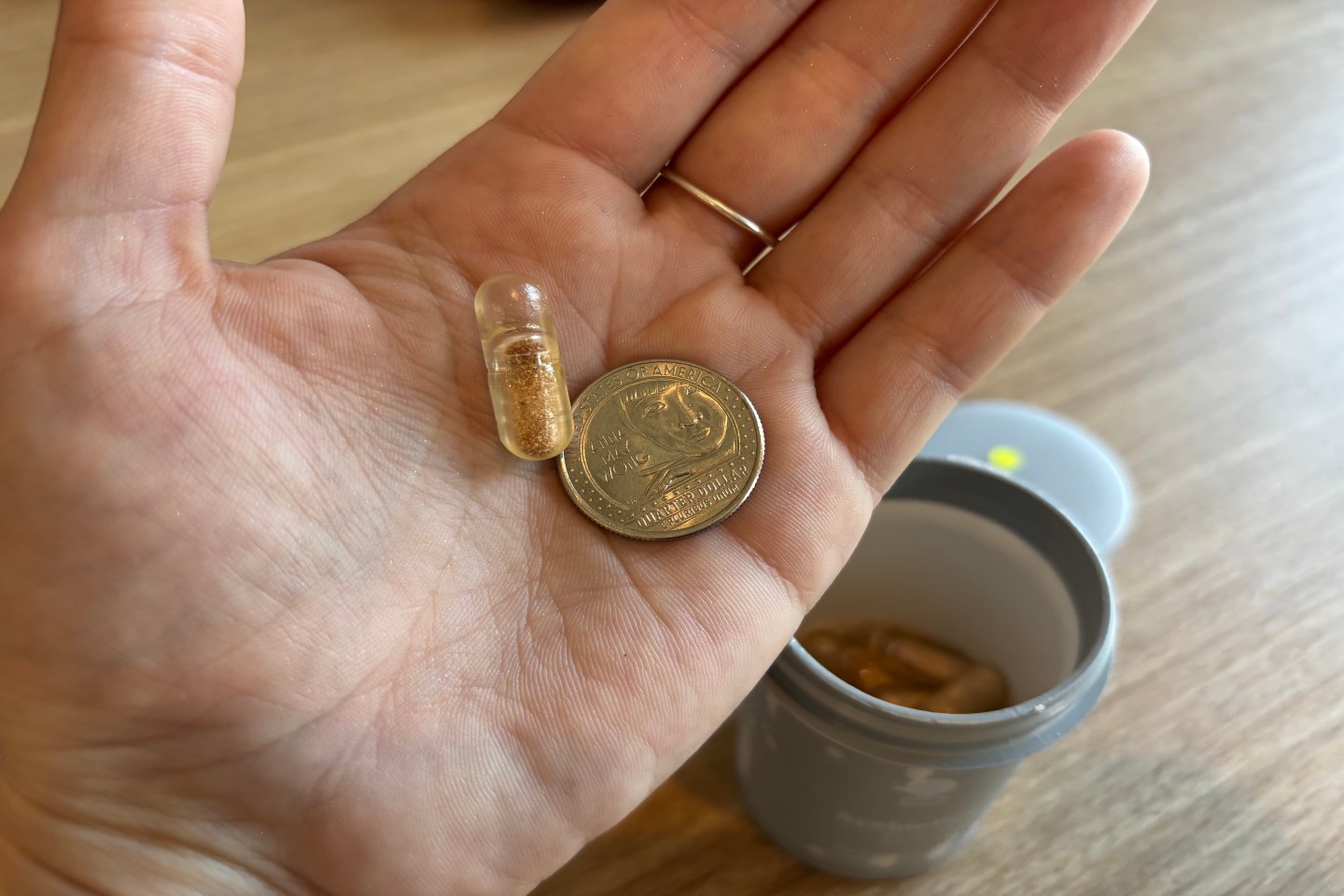
During the next 12 months, the CDC estimates that at least 2 million illnesses and 23,000 deaths will be caused by bacterial or fungal infections that no longer respond to antibiotics. And this problem, unfortunately, is getting worse, not better: Across the globe, 700,000 now die each year from such drug-resistant microbes; by 2050, according to a formidable blue-ribbon study commissioned by the UK government, that figure could well soar to 10 million, surpassing even worldwide deaths from cancer.
Antimicrobial resistance—or the rise of “Superbugs,” as the tabloids call it—is “one of the most serious threats to global health and security,” the World Health Organization warns. And make no mistake: the threat is also, largely, human-made.
Before I get to our culpability on this front, let’s start with nature’s. The problem, in a nutshell, is the superfast division speed of most bacteria, which leads inevitably to a revved up process of evolution. Under the right circumstances, a single E. coli bacterium, for instance, can divide into a 2,097,152–strong colony in a mere seven hours—and with each division comes the potential for mutation and adaptation, particularly if these organisms are exposed to strong selective pressures.
That’s where we come in. We mortals help push that fast evolutionary process into warp speed in at least two ways. First, we do it through our long practice of overprescribing and inappropriately prescribing antibiotics to patients. These ineffective treatments often leave in their wake surviving microbes that develop resistance to the drugs used and then pass along those adaptations to subsequent generations. As the saying goes: “Whatever doesn’t kill you, makes you stronger.” (To see how feverishly fast resistant strains can emerge, see this scary timeline.)
Secondly, we egg on evolution through another insidious process: routinely giving sub-therapeutic antibiotics to livestock—something that the agriculture industry has been doing for nearly eight decades, or since the age of antibiotics began in the 1940s.
How we came to do this is a twisting tale that science writer Maryn McKenna elegantly unspools in her extraordinary new book, Big Chicken: The Incredible Story of How Antibiotics Created Modern Agriculture and Changed the Way the World Eats, which was published in September. Here’s a link to this must-read. (And in case you missed clicking on that link, here’s another.)
“At this moment, most meat animals, across most of the planet, are raised with the assistance of doses of antibiotics on most days of their lives: 63,151 tons of antibiotics per year,” McKenna writes. Farmers began to use the drugs when they discovered that it helped “convert feed to tasty muscle more efficiently.” The drugs, which could be administered in both feed and water, helped shield the livestock from disease, which also allowed farmers to pack more animals into barns and transformed old-fashioned agriculture into its modern industrialized form.
Once resistant bacteria are in the gut of an animal, then one of several things happens, McKenna explains in an interview with FORTUNE: When the animal is taken to the slaughterhouse, the mutated microbes in their digestive tracts can sometimes “get splashed on the meat.” And then, those resistant bacteria on the meat might either be consumed directly or be carried into a home or restaurant kitchen, where they might also contaminate a counter, cutting board, or other food. Eventually, they can infect people.
“That’s one pathway,” she says. “Another is when those gut contents, those resistant bacteria, exit the animal through manure.” That waste can dry up, leaving its bacteria-strewn dust to be blown away by the wind, or it can seep into groundwater, or be sprayed as fertilizer onto other fields. “So in a variety of ways,” she says, “these resistant bacteria make their way into the environment and they can then migrate to people in that manner. Or more troubling, the genes that they contain—the genes that control those processes of becoming resistant—can break free of the bacteria and be taken up by other bacteria. It’s a choose-your-own-adventure set of pathways.”
While it’s no longer legal in either the United States or in Europe to use antibiotics for “growth promotion” of livestock, farmers can still rely on them to prevent or control disease in a flock or herd. And herein lies a very broad and “mushy middle,” says McKenna, with the effect, in many cases, being the same: “It’s still using smaller-than-treatment doses, or sub-therapeutic doses of antibiotics,” which creates a literal breeding ground for resistant microbial strains. “If we did that in humans, we would call it inappropriate,” she says with understatement.
On Tuesday, the WHO issued a report calling for an end to the routine use of antibiotics in food-producing animals, which was accompanied by a fresh analysis of the dangers of this practice in The Lancet Planetary Health. (Also worth reading.)
The U.S. Department of Agriculture responded with a press release of its own, stating: “The WHO guidelines are not in alignment with U.S. policy and are not supported by sound science.” You can read the agency’s full statement here and decide for yourself. Part of their criticism is that some of the World Health Organization’s recommendations are supported by what the WHO itself terms “low-quality evidence.”
I called the USDA looking for a more thorough explanation than what’s provided here. But no one at the department was able to speak to me on the record.
This essay appears in today’s edition of the Fortune Brainstorm Health Daily. Get it delivered straight to your inbox.