• Home
  • Latest
  • Fortune 500
  • Finance
  • Tech
  • Leadership
  • Lifestyle
  • Rankings
  • Multimedia
Commentary

Hurricane Maria Shows That We Still Don’t Know What it Means to Be Prepared

By
Sandro Galea
Sandro Galea
and
Bethany Cianciolo
Bethany Cianciolo
Down Arrow Button Icon
By
Sandro Galea
Sandro Galea
and
Bethany Cianciolo
Bethany Cianciolo
Down Arrow Button Icon
September 19, 2017, 6:00 PM ET
Tropical Weather
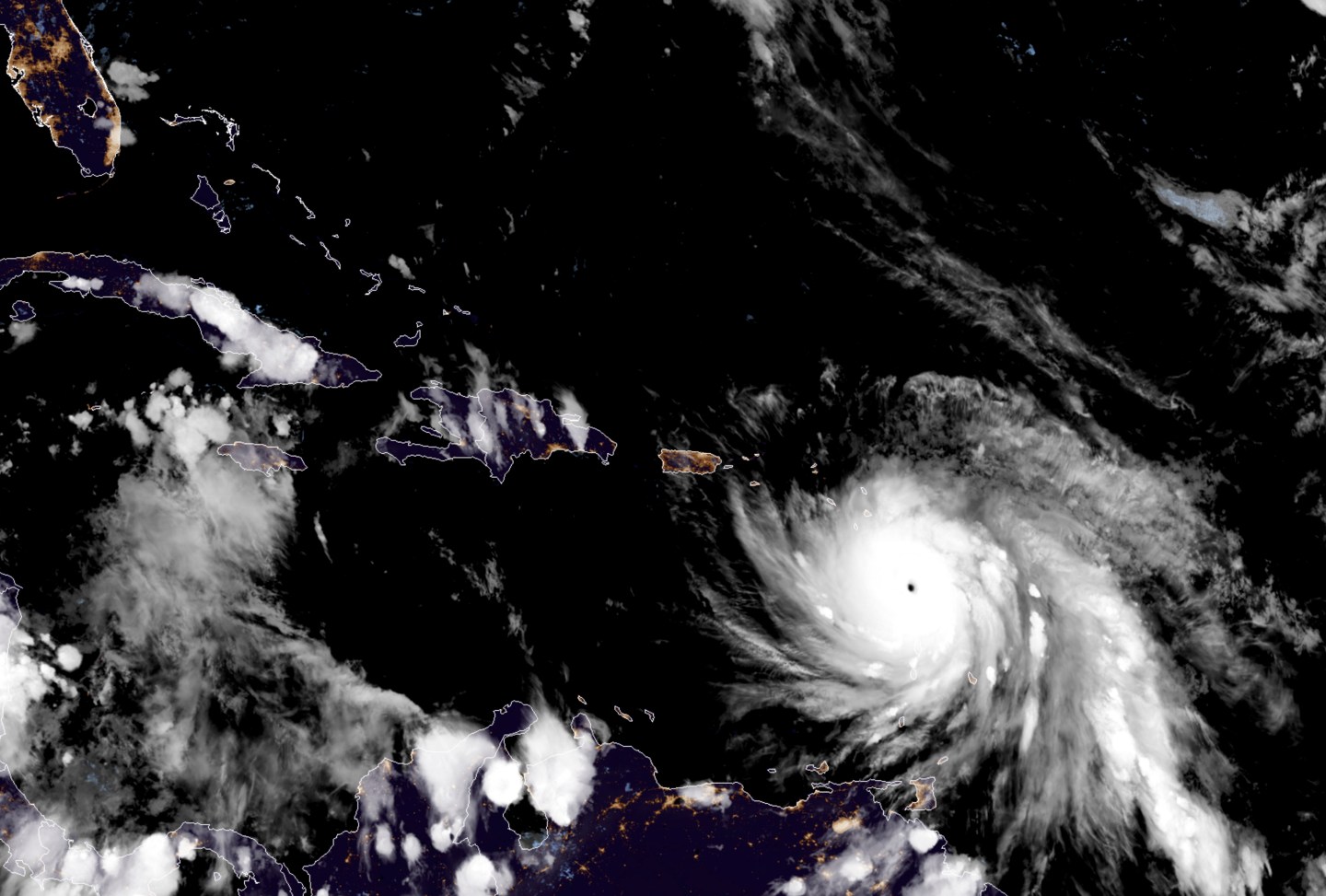
This Monday, Sept. 18, 2017, GOES East satellite image provided by NASA taken at 23:15 UTC, shows the eye of Hurricane Maria as it nears Dominica. The National Hurricane Center in Miami said Monday evening that Air Force Reserve hurricane hunter planes found that Maria had strengthened into a storm with 160 mph (260 kph) winds. (NASA via AP)NASA via AP

Once a hurricane is over, there is never a better time to forget it ever happened. For the majority of Americans who do not live in a region that has been recently devastated by a storm, this can be easy. Perhaps with the exception of Hurricane Katrina, large-scale natural disasters capture the national interest under just two circumstances: right before they occur and right after. This can be hard to accept, especially in the midst of a terrible, still-unfolding hurricane season. On the heels of Harvey and Irma, Hurricane Maria has created devastation in the Caribbean, killing at least one person and ravaging sections of Dominica. As it speeds toward Puerto Rico, the governor of the island has called it “the biggest and potentially most catastrophic hurricane to hit Puerto Rico in a century.” It is hard to imagine ever forgetting such devastation. Yet, time and again, we do. Why?

The temptation to put hurricanes out of mind until the next time one threatens us springs from a fundamental misapprehension. It goes like this: Because we cannot know far in advance when and where hurricanes will strike, there is nothing we can do to prepare for future storms but invest in robust emergency management systems, hoping that they can react quickly in the event of a disaster. While hope and the often-heroic efforts of first responders are certainly important, a plan that relies solely on our in-the-moment reaction to the deadly force of a hurricane is insufficient. It represents a failure to recognize the underlying causes of the damage storms inflict, and to seize the very real opportunity we have to head off this damage by taking action now.

The havoc wrought by hurricanes may be catalyzed by wind and rain, but it is caused, at core, by badly designed residential environments and by the conditions of socioeconomic marginalization that leave communities at risk. During Hurricane Harvey, we saw how a city’s layout can worsen the effects of a storm, as Houston’s urban sprawl and scant zoning likely set the stage for catastrophic flooding. Building homes in 100-year flood zones creates vulnerability, no matter how well-engineered these structures may be. To prevent future devastation, such areas should not be rebuilt. The responsibility for this lies at the level of political policy; state governments need to craft legislation with disaster preparedness in mind. In addition to better zoning laws, post-hurricane redevelopment should include reshaping the built environment of urban centers to better withstand severe weather events, and replenishing coastal wetlands to create a buffer against the effects of hurricanes.

Hurricane Irma, for its part, spotlighted another kind of housing risk—the low-quality homes and trailers where many poor Floridians live, which offer little protection from extreme weather events. This hazard shows how economics can abet a hurricane’s destructive power—when the winds rage and the high waters come, it is always the poor who suffer most. Often lacking mobility or a place to flee to, low-income populations have few options in the face of hurricanes. The situation is even worse for the many homeless whose daily desperation is compounded by storm conditions. About 600 homeless Miamians, for example, were estimated to have been left outside during Irma, notwithstanding the city’s efforts to move them into shelters. In the short term, we can mitigate this by promoting equitable access to safer housing for low-resource populations. In the long term, however, we must address the root cause of homelessness—poverty—through political solutions such as expanding the Earned Income Tax Credit, achieving a livable $15 dollar minimum wage, or even providing a universal basic income.

Despite the importance of structural conditions, our idea of hurricane preparedness is overwhelmingly tied to the actions taken by individuals in the moments leading up to, during, and immediately following a storm. As soon as the meteorologist announces that trouble is coming, we imagine the steps we can take to protect ourselves. We stock up on water and canned goods, we lionize the acts of personal bravery that save lives when hurricanes hit, and we donate generously in the weeks after the storm to help the victims who were most directly affected. All of this suggests a country that takes these storms seriously, and is willing to invest time, energy, and resources into mitigating their effects. Yet as long as we indulge a fatalism that says we cannot know the day or the hour when hurricanes will come, so we should limit our efforts simply to what we can do on that day and during that hour, we leave ourselves open to more injury and pain.


The answer to this quandary is deceptively simple: We must shift our focus away from what individuals do when hurricanes strike, and turn our attention to the social, economic, and environmental conditions in which we live. After all, when a storm is overhead, it is not to the canned goods we bought that our minds turn, but to the strength of our shaking walls—to the structures that surround us everyday.

The world provides examples of what can happen if we ignore these conditions. Consider Nepal. Each year, the country observes National Earthquake Safety Day. The purpose of the day is to acknowledge the powerful earthquake that devastated Katmandu in 1934. In 2015, another earthquake struck Nepal and ravaged Katmandu. This second catastrophe had been long expected—Katmandu is number one on a list of cities considered to be most vulnerable to seismic events. How then, with decades of warning and a day set aside specifically to mark the threat of earthquakes, did Nepal manage not to sidestep something so predictable? Because of structures. A combination of poverty, shoddy infrastructure, and political unrest all contributed to making a bad situation calamitous. The United States, with its resources and its will, can avoid this fate. But it must choose to. We know that storms will continue to come—extreme weather events are increasing in frequency all over the world. To build true preparedness, we must invest in better cities, and in mitigating the conditions of socioeconomic marginalization that leave so many Americans at risk. And we must do so while the weather is fair.

Sandro Galea is a professor and Dean of Boston University School of Public Health. His book, Healthier: Fifty thoughts on the foundations of population health, was published in June. Follow him on Twitter: @sandrogalea.
About the Authors
By Sandro Galea
See full bioRight Arrow Button Icon
By Bethany Cianciolo
See full bioRight Arrow Button Icon

Latest in Commentary

Finance
Lorem ipsum dolor sit amet, consectetur adipiscing elit, sed do eiusmod tempor incididunt ut labore et dolore magna aliqua. Ut enim ad minim veniam
By Fortune Editors
October 20, 2025
Finance
Lorem ipsum dolor sit amet, consectetur adipiscing elit, sed do eiusmod tempor incididunt ut labore et dolore magna aliqua. Ut enim ad minim veniam
By Fortune Editors
October 20, 2025
Finance
Lorem ipsum dolor sit amet, consectetur adipiscing elit, sed do eiusmod tempor incididunt ut labore et dolore magna aliqua. Ut enim ad minim veniam
By Fortune Editors
October 20, 2025
Finance
Lorem ipsum dolor sit amet, consectetur adipiscing elit, sed do eiusmod tempor incididunt ut labore et dolore magna aliqua. Ut enim ad minim veniam
By Fortune Editors
October 20, 2025
Finance
Lorem ipsum dolor sit amet, consectetur adipiscing elit, sed do eiusmod tempor incididunt ut labore et dolore magna aliqua. Ut enim ad minim veniam
By Fortune Editors
October 20, 2025
Finance
Lorem ipsum dolor sit amet, consectetur adipiscing elit, sed do eiusmod tempor incididunt ut labore et dolore magna aliqua. Ut enim ad minim veniam
By Fortune Editors
October 20, 2025

Most Popular

Finance
Lorem ipsum dolor sit amet, consectetur adipiscing elit, sed do eiusmod tempor incididunt ut labore et dolore magna aliqua. Ut enim ad minim veniam
By Fortune Editors
October 20, 2025
Finance
Lorem ipsum dolor sit amet, consectetur adipiscing elit, sed do eiusmod tempor incididunt ut labore et dolore magna aliqua. Ut enim ad minim veniam
By Fortune Editors
October 20, 2025
Finance
Lorem ipsum dolor sit amet, consectetur adipiscing elit, sed do eiusmod tempor incididunt ut labore et dolore magna aliqua. Ut enim ad minim veniam
By Fortune Editors
October 20, 2025
Finance
Lorem ipsum dolor sit amet, consectetur adipiscing elit, sed do eiusmod tempor incididunt ut labore et dolore magna aliqua. Ut enim ad minim veniam
By Fortune Editors
October 20, 2025
Finance
Lorem ipsum dolor sit amet, consectetur adipiscing elit, sed do eiusmod tempor incididunt ut labore et dolore magna aliqua. Ut enim ad minim veniam
By Fortune Editors
October 20, 2025
Finance
Lorem ipsum dolor sit amet, consectetur adipiscing elit, sed do eiusmod tempor incididunt ut labore et dolore magna aliqua. Ut enim ad minim veniam
By Fortune Editors
October 20, 2025
Fortune Secondary Logo
Rankings
  • 100 Best Companies
  • Fortune 500
  • Global 500
  • Fortune 500 Europe
  • Most Powerful Women
  • World's Most Admired Companies
  • See All Rankings
  • Lists Calendar
Sections
  • Finance
  • Fortune Crypto
  • Features
  • Leadership
  • Health
  • Commentary
  • Success
  • Retail
  • Mpw
  • Tech
  • Lifestyle
  • CEO Initiative
  • Asia
  • Politics
  • Conferences
  • Europe
  • Newsletters
  • Personal Finance
  • Environment
  • Magazine
  • Education
Customer Support
  • Frequently Asked Questions
  • Customer Service Portal
  • Privacy Policy
  • Terms Of Use
  • Single Issues For Purchase
  • International Print
Commercial Services
  • Advertising
  • Fortune Brand Studio
  • Fortune Analytics
  • Fortune Conferences
  • Business Development
  • Group Subscriptions
About Us
  • About Us
  • Lists Calendar
  • Press Center
  • Work At Fortune
  • Terms And Conditions
  • Site Map
  • About Us
  • Lists Calendar
  • Press Center
  • Work At Fortune
  • Terms And Conditions
  • Site Map
  • Facebook icon
  • Twitter icon
  • LinkedIn icon
  • Instagram icon
  • Pinterest icon

Latest in Commentary

frank
CommentaryVisa
Visa CMO: AI agents are your new customers — here’s how to sell to them
By Frank Cooper IIIApril 22, 2026
28 minutes ago
shlomit
Commentarycyber
The Mythos meeting focused on the wrong AI risk to banks. Here’s the one nobody is talking about
By Shlomit WagmanApril 22, 2026
3 hours ago
one piece
CommentaryPersonal Finance
Gen Z is doing (almost) everything right with money—and still getting burned
By Beth KoblinerApril 22, 2026
8 hours ago
beard
CommentaryEducation
Yale asked the right question. Now the rest of higher education owes an answer
By Steve BeardApril 22, 2026
8 hours ago
trump
Commentarynational debt
America’s national debt is heading to 175% of GDP. Here’s why no president—including Trump—has the will to stop it
By Steve H. Hanke and David M. WalkerApril 22, 2026
9 hours ago
edelman
CommentaryHealth
70% of people believe at least one divisive health claim. Science needs a new playbook
By Richard EdelmanApril 22, 2026
10 hours ago

Most Popular

The tables have turned: Florida and Texas are the biggest losers in the housing market as Ohio emerges a surprise winner
Real Estate
The tables have turned: Florida and Texas are the biggest losers in the housing market as Ohio emerges a surprise winner
By Sydney LakeApril 21, 2026
1 day ago
'Something sinister could be happening': FBI looks into dead or missing nuclear and space defense scientists tied to NASA, Blue Origin, and SpaceX
Politics
'Something sinister could be happening': FBI looks into dead or missing nuclear and space defense scientists tied to NASA, Blue Origin, and SpaceX
By Catherina GioinoApril 21, 2026
1 day ago
‘Something sinister’: What we know about the FBI probe into dead and missing scientists linked to space and military industries
Economy
‘Something sinister’: What we know about the FBI probe into dead and missing scientists linked to space and military industries
By Jim EdwardsApril 22, 2026
10 hours ago
$166 billion in tariff refunds just became available, but small businesses may already be at a disadvantage
Law
$166 billion in tariff refunds just became available, but small businesses may already be at a disadvantage
By Sasha RogelbergApril 20, 2026
2 days ago
John Ternus, the man stepping into Tim Cook and Steve Jobs' shoes, is a 25-year Apple veteran with zero LinkedIn posts
C-Suite
John Ternus, the man stepping into Tim Cook and Steve Jobs' shoes, is a 25-year Apple veteran with zero LinkedIn posts
By Kelvin Chan and The Associated PressApril 21, 2026
1 day ago
Jeff Bezos once gave Eva Longoria and the admiral behind Osama bin Laden's capture $100 million—but she says you don't need wealth to give back
Success
Jeff Bezos once gave Eva Longoria and the admiral behind Osama bin Laden's capture $100 million—but she says you don't need wealth to give back
By Orianna Rosa RoyleApril 21, 2026
2 days ago

© 2026 Fortune Media IP Limited. All Rights Reserved. Use of this site constitutes acceptance of our Terms of Use and Privacy Policy | CA Notice at Collection and Privacy Notice | Do Not Sell/Share My Personal Information
FORTUNE is a trademark of Fortune Media IP Limited, registered in the U.S. and other countries. FORTUNE may receive compensation for some links to products and services on this website. Offers may be subject to change without notice.