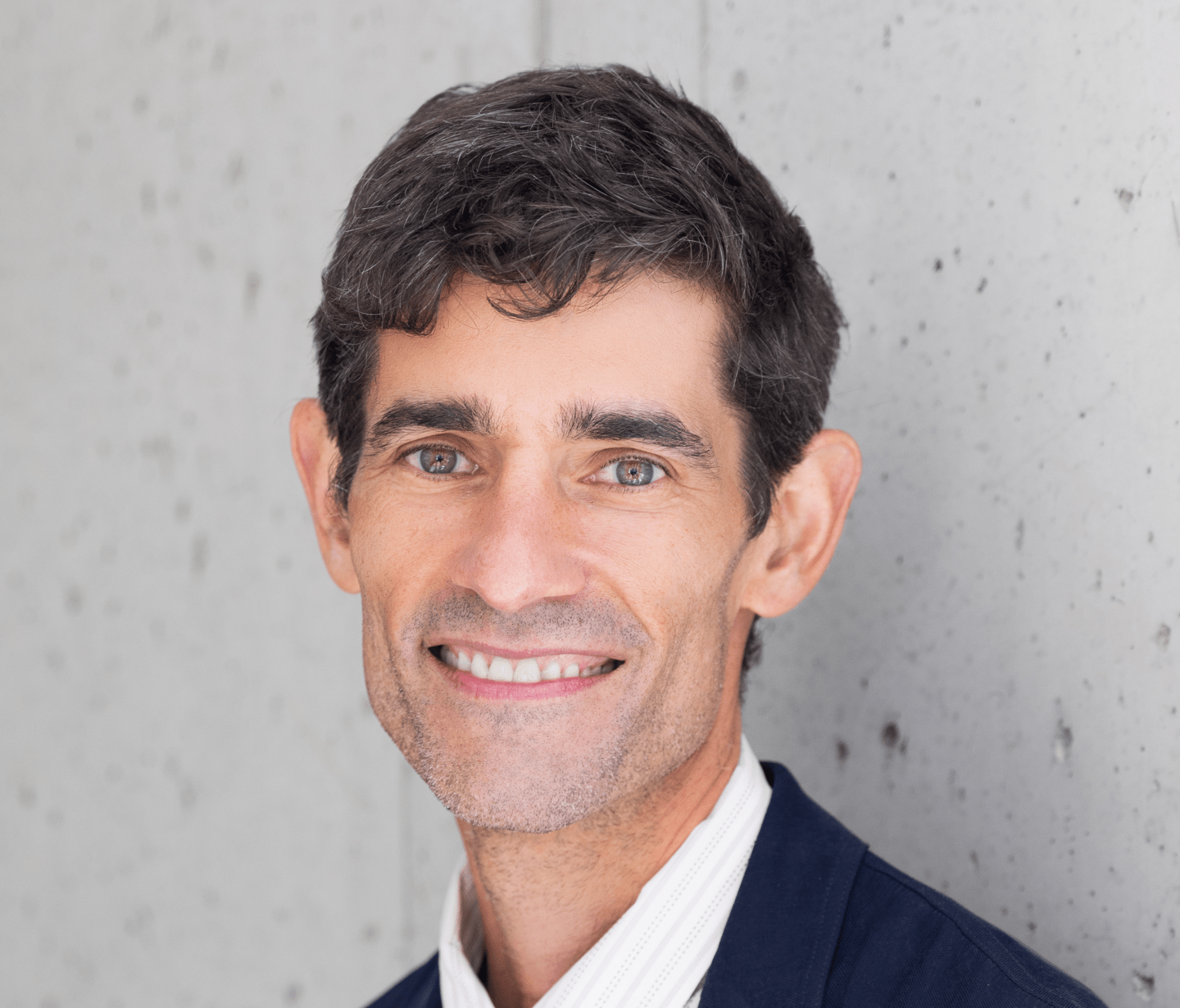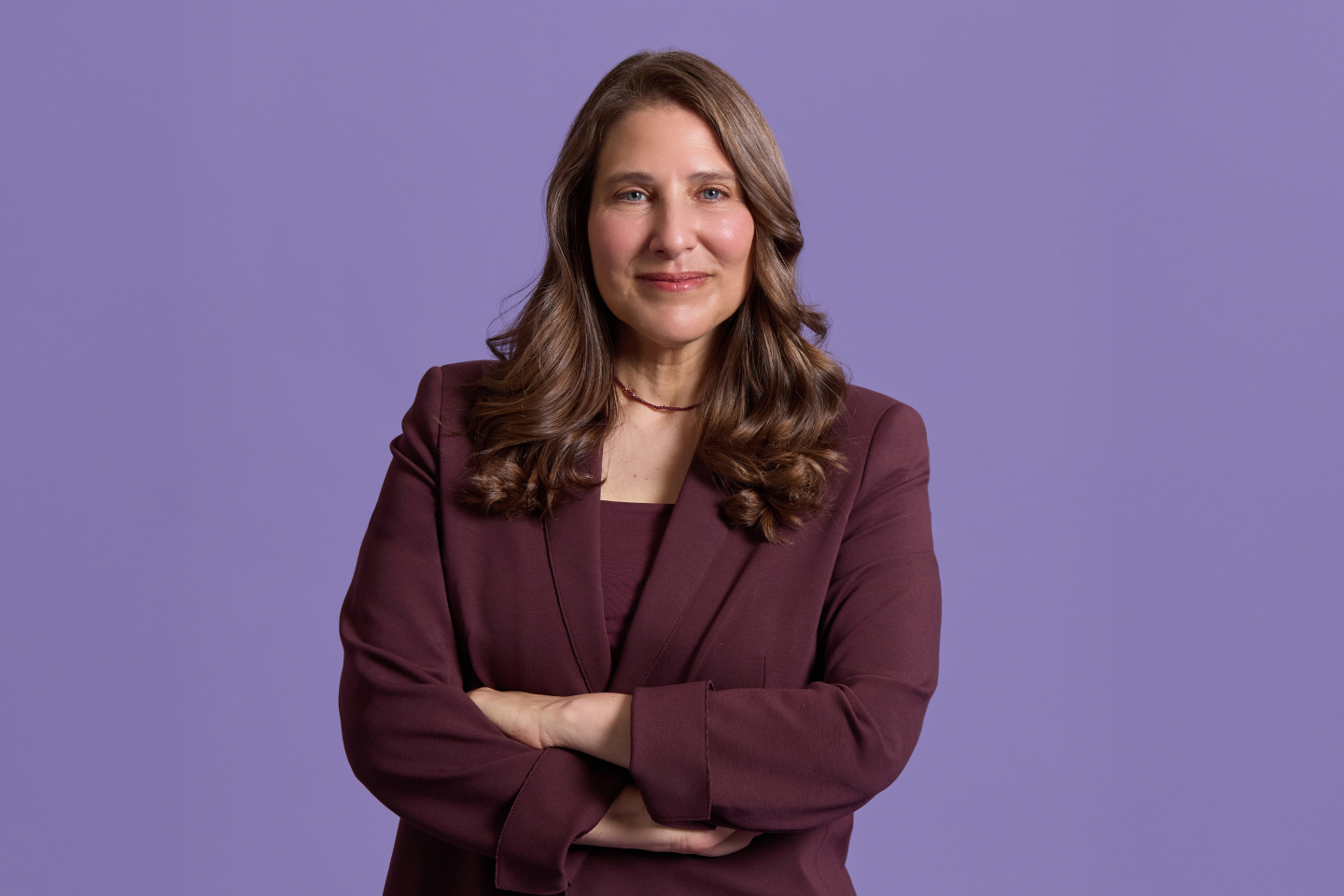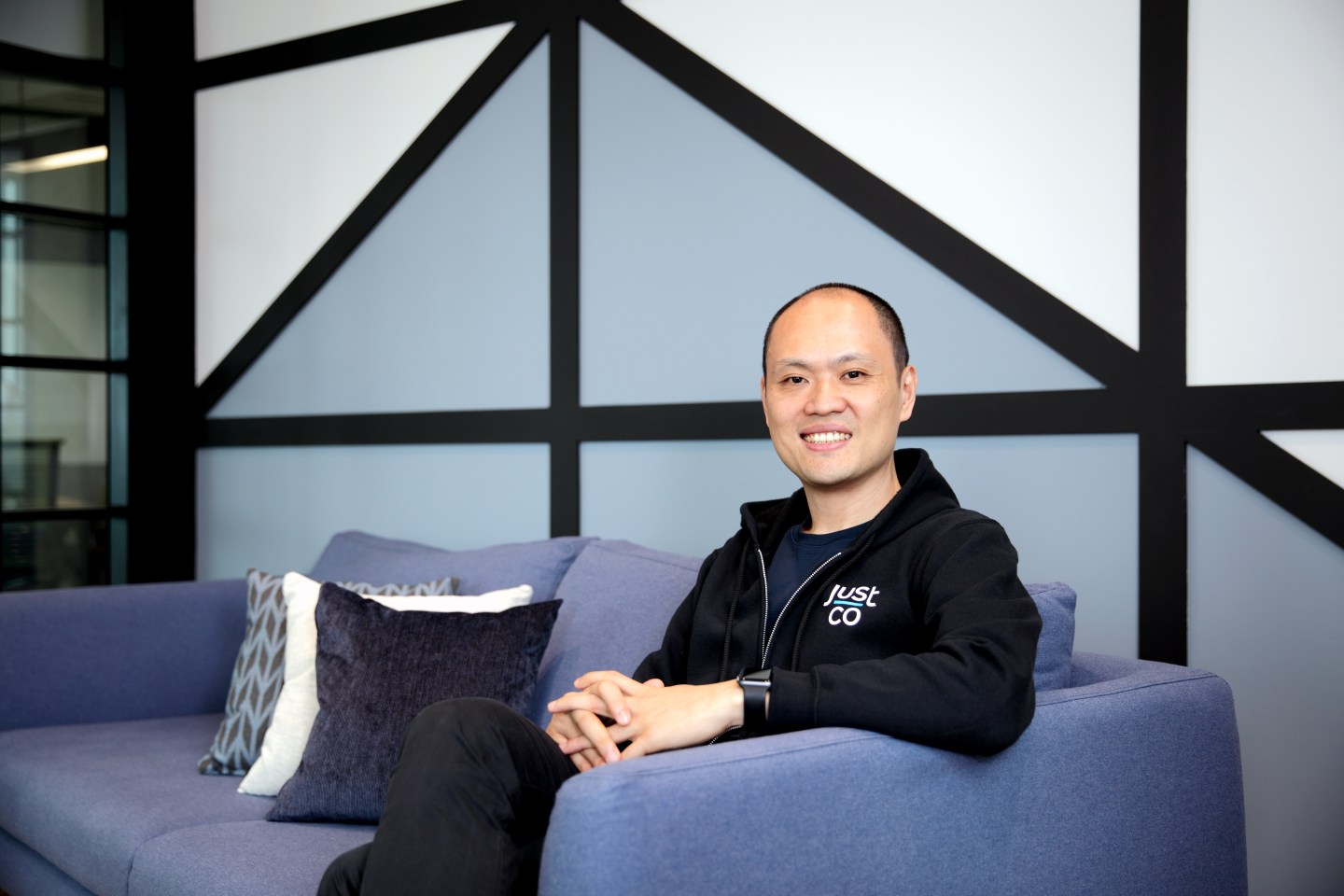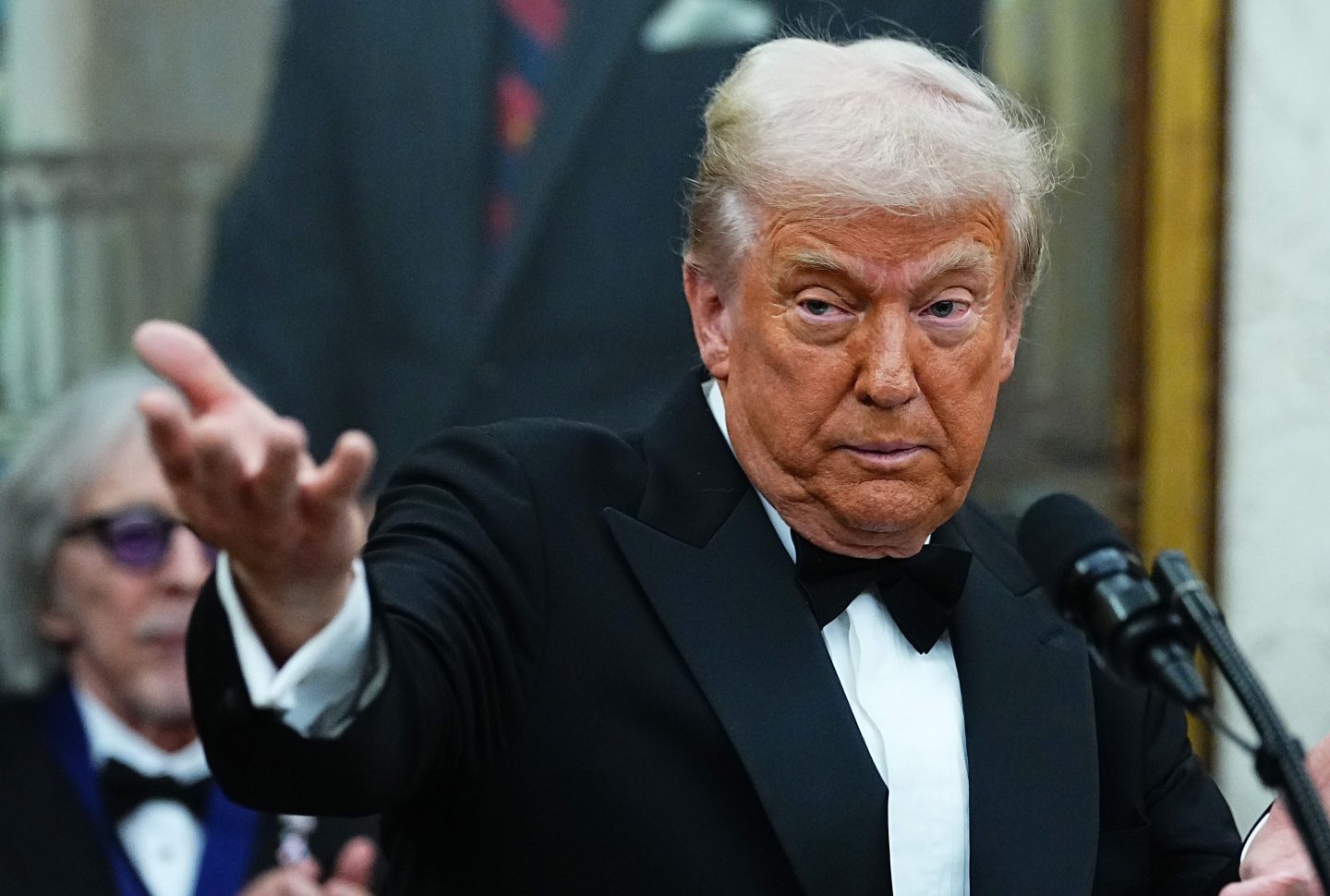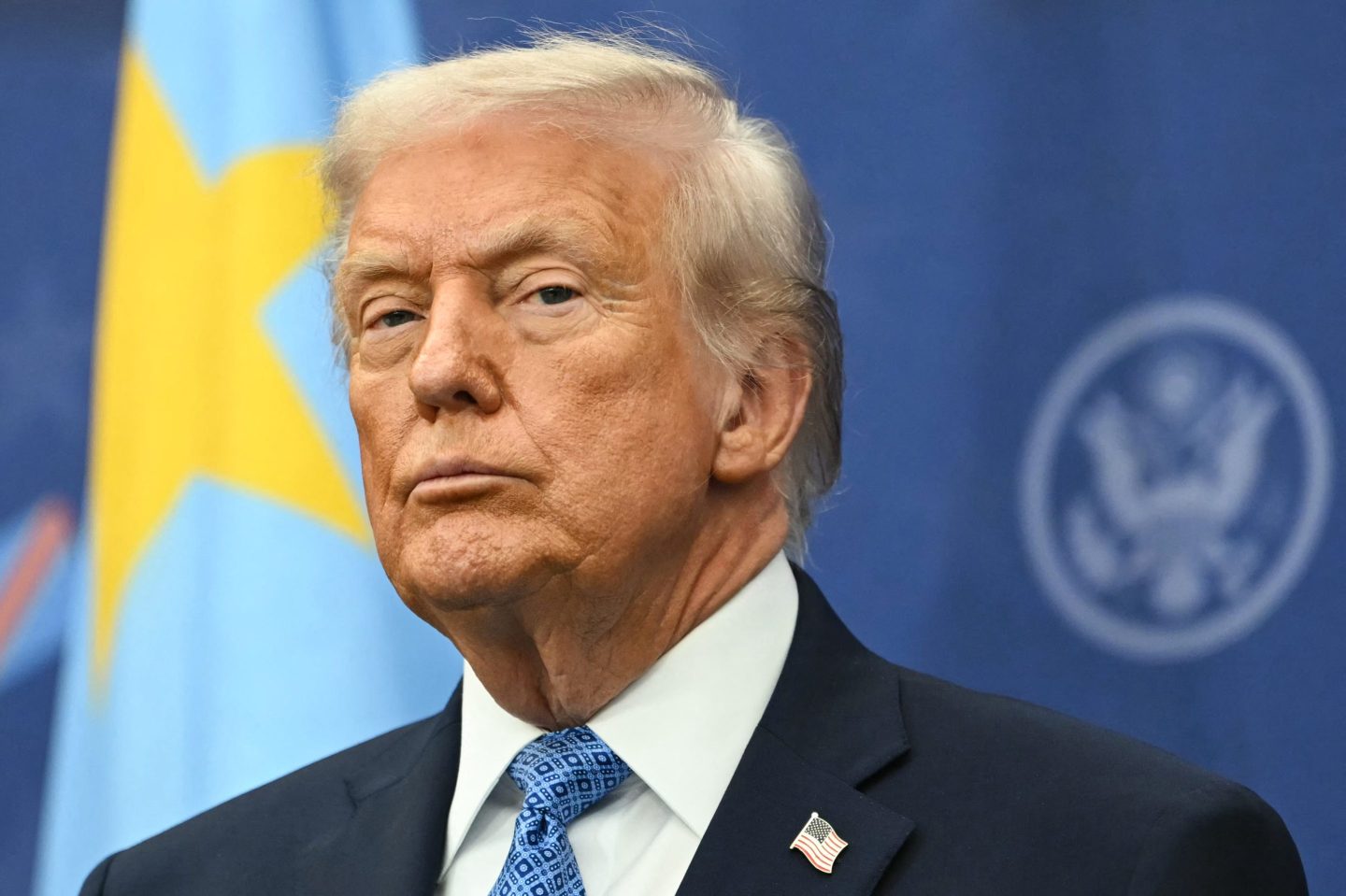
Why are tarnished leaders so much easier to name just now than shining ones? Think of disgraced Wells Fargo CEO John Stumpf, indicted and jailed Samsung boss Lee Jae-yong, fired National Security Adviser Michael Flynn, forced-out Democratic National Committee chair Debbie Wasserman Schultz—all those and more brought down over the past eight months. And Donald Trump’s approval ratings are lower than those of any new President for whom such polling exists. What’s going on?
Here’s a hypothesis: Our age of radical transparency is far likelier to reveal bad stuff than good. Virtually every fallen leader of recent times has been undone by the dramatically expanded availability and light-speed portability of digital data—as mundane as electronic financial records (Lee) or as advanced as remote surveillance (Flynn’s conversations with Russian Ambassador Sergey Kislyak). It all reveals what’s hidden, and the things people try to hide tend to be bad.
Get used to it. Evidence suggests that for broader reasons, radical transparency may be raising the base level of tumult to uncomfortable new highs. In business, for example, easier access to information for customers, competitors, and others causes industry dominance to change more quickly, corporate life spans to decline, and executive tenures to shorten. Knockout leadership gets harder to maintain.
Yet it’s out there, and we’ve found it. Some of those whom we salute in this fourth annual ranking of the World’s Greatest Leaders are famous—Amazon CEO Jeff Bezos, Fed chair Janet Yellen, basketball great LeBron James. Many are not but should be, such as Lithuanian President Dalia Grybauskaitė , the “Iron Lady” who has dared to call out Vladimir Putin for his misdeeds, and bioengineer Rebecca Richards-Kortum, whose Institute for Global Health is finding innovative ways to save babies. And then there’s Chicago Cubs president of baseball operations Theo Epstein, No. 1 on our list, famous among baseball fans as a data nerd but not as a leader. Turns out, there’s much more to him than you think.
Read more about Theo Epstein here.
All those on our list excel at leading effectively in today’s environment. Three lessons they teach:
• Acknowledge reality and offer hope. This central leadership task is more difficult and important in uncertain times. JPMorgan Chase’s Jamie Dimon is again proving excellent at it, talking bluntly about the bank’s challenges, offering optimism without sugarcoating. It’s a fine line to walk.
• Bring followers physically together. Research shows that when groups meet in person, face-to-face, they trust each other more, become better problem solvers, and are markedly more creative. Those are outcomes every organization needs more of. Pope Francis understands the power of physical presence, having set by far the most torrid travel pace of any pope and gathered followers in 27 countries to date, sometimes by the millions. The organizers of the Jan. 21 Women’s March on Washington surprised even themselves when millions of marchers turned out worldwide, drawing energy and inspiration from one another.
• Build bridges. As the acerbity of political discourse threatens to infect the whole culture, the best leaders stay refreshingly open to other views, engaging opponents constructively rather than waging war. Republican Gov. John Kasich of Ohio and Democratic Rep. John Delaney of Maryland, for example, advocate positions the other party favors—and both won reelection easily the last time they faced their home voters.
Remember as you scan our list that we evaluate each leader within his or her own field of endeavor. Someone leading a small organization effectively may rank above someone far more famous nudging global issues. Our point isn’t to declare that, say, No. 7 on our list is “greater” than No. 9. The point is that great leaders can be anywhere—at the helm of a giant corporation, running a rural college, or in a cramped office exerting influence through sheer personal energy.
The age of radical transparency draws attention away from today’s shining leaders, but they haven’t disappeared. We give 50 of them their due here.
Featuring nominations from a panel of expert advisers: Chip Bergh, Levi Strauss & Co.; Christy Turlington Burns, Every Mother Counts; Jean Case, Case Foundation; Arianna Huffington, Thrive Global; Walter Isaacson, The Aspen Institute; Ngozi Okonjo-Iweala, Global Alliance for Vaccines and Immunization; Thomas Kolditz, Doerr Institute; Rice University, Michael Porter, Harvard Business School; Joey Reiman, BrightHouse; Judith Rodin, Rockefeller Foundation; Michael Schlein, Accion International; Dov Seidman, LRN; Rick Wartzman, Drucker Institute; and the Fortune staff
Head writers: Erika Fry and Matt Heimer
Contributors:Daniel Bentley, Stephanie Castillo, Scott Cendrowski, Jonathan Chew, Geoff Colvin, Barb Darrow, Leigh Gallagher, Stephen Gandel, Robert Hackett, Tom Huddleston Jr., Kirsten Korosec, Beth Kowitt, Sy Mukherjee, Tory Newmyer, Aaron Pressman, Jeff John Roberts, Chris Taylor, Anne VanderMey, Jen Wieczner, and Claire Zillman
A version of this article appears in the April 1, 2017 issue of Fortune as the introduction to our World’s Greatest Leaders package.