• Home
  • Latest
  • Fortune 500
  • Finance
  • Tech
  • Leadership
  • Lifestyle
  • Rankings
  • Multimedia
Financederegulation

Here’s the Republican Masterplan for Wall Street Deregulation

By
Reuters
Reuters
Down Arrow Button Icon
By
Reuters
Reuters
Down Arrow Button Icon
February 10, 2017, 6:04 AM ET
Republican National Convention
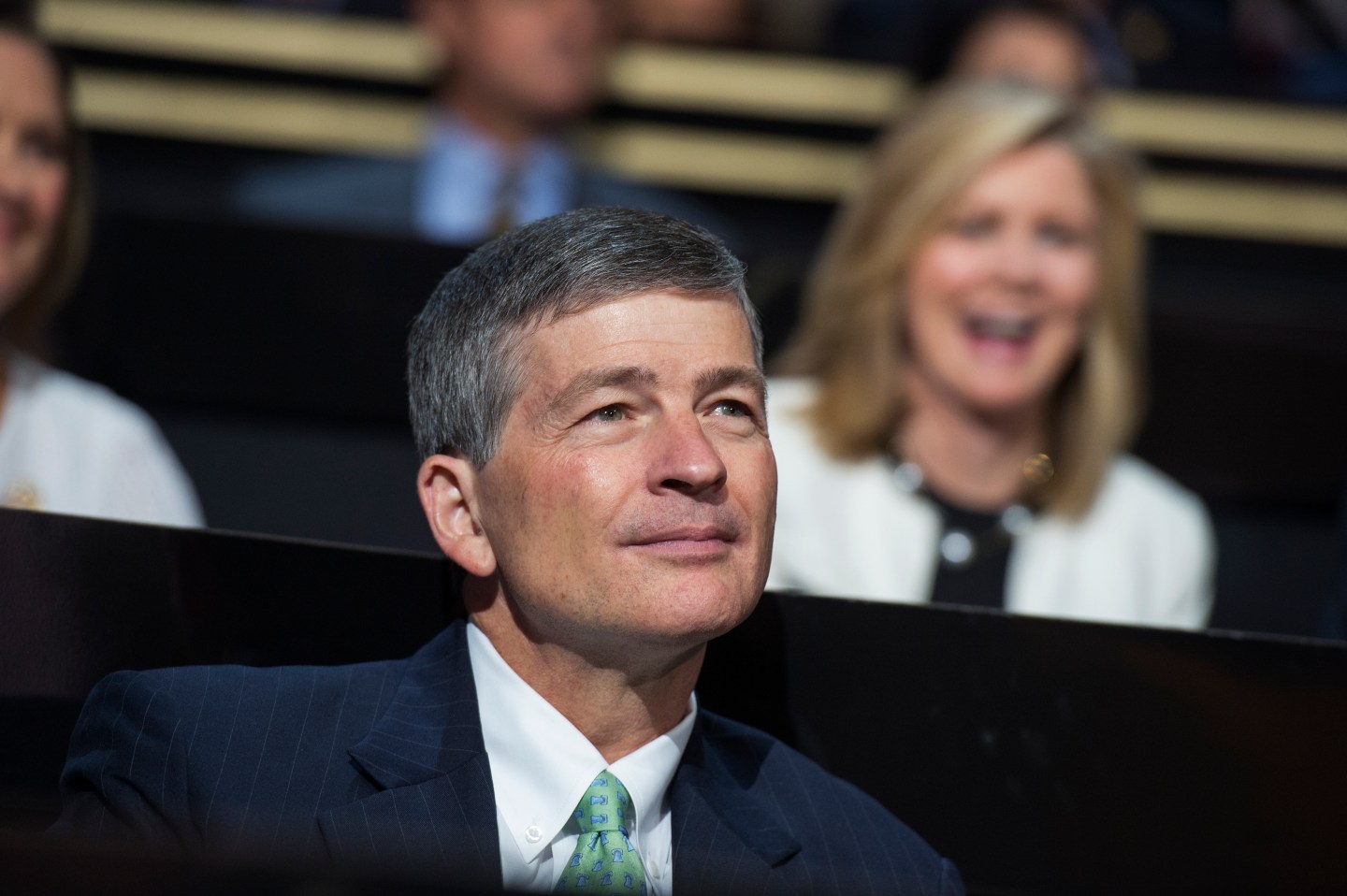
UNITED STATES - JULY 20: Reps. Jeb Hensarling, R-Texas, and Marsha Blackburn, R-Tenn., appear on the floor of the Quicken Loans Arena at the Republican National Convention in Cleveland, Ohio, July 20, 2016. (Photo By Tom Williams/CQ Roll Call)Photograph by Tom Williams—CQ-Roll Call/Getty Images

The Republican chairman of a key House of Representatives committee has laid out his plan to roll back Wall Street rules and consumer protections conceived after the 2008 financial crisis, a step that will largely define the financial deregulation debate in the Trump era.

Jeb Hensarling, chairman of the Financial Services Committee, outlined his legislation to clear away many rules bankers say have hobbled investment and economic growth in a staff memo seen by Reuters on Thursday.

The plan comes after President Donald Trump on Friday signed a largely symbolic executive order that outlined an intention to ease banking rules, which he and other critics of the Dodd-Frank reform law passed after the financial crisis say hinder lending.

Under Hensarling’s plan, the largest U.S. banks would face less oversight—though not as little as they had been hoping for—while startups would have easier access to investors.

The plan would significantly dilute the powers of the Consumer Financial Protection Bureau, which was created to help guard individuals from fraud in mortgages, student loans and other financial products but has drawn the wrath of Republicans. Hensarling has called it a “rogue” agency.

Hensarling’s legislation, called the Financial Choice Act, is likely to clear his own committee within a few weeks and ultimately be passed by the full House. But it would require 60 votes in the Senate, where Republicans hold 52 seats and Democrats defend the CFPB and many of the provisions House Republicans would weaken.

On Thursday, the senior Democrat on the Senate Banking, Housing and Urban Affairs Committee, Sherrod Brown, said he would fight the Hensarling plan, saying it betrays “candidate Trump’s campaign promises to hold Wall Street accountable and help working Americans.”

Banking industry officials generally reacted positively, though they conceded it was still early days in the process.

“It’s very aggressive and a very good starting point to rolling back a lot of the rules and regulations,” said Paul Merski of the Independent Community Bankers of America.

“If this were a football game we’d be in the first quarter,” James Ballentine of the American Bankers Association told Reuters.

Not the Whole Big Bank Wish List

Hensarling’s primary approach is unchanged from the bill he introduced last year. It would allow large banks to avoid some oversight if they boost their capital reserves, or “leverage ratio,” to 10% or better, which is seen as helping them weather financial shocks.

Large banks have said the 10% level is too costly and they would likely opt for existing rules.

Still, the Hensarling bill gives large banks some things they would like. The stress tests banks undergo to prove to regulators that they can withstand economic difficulties, now performed annually, would only occur every other year.

The bill would also allow the president to remove the CFPB director at will. Currently, the CFPB director is independent of the president and is appointed to a fixed term.

Congressional Republicans including Hensarling have indicated they would separately try to use the federal budget process to starve the CFPB of funds, a strategy that would only need 51 votes in the Senate.

Hensarling’s original bill would have erased the Volcker rule, which limits bank’s ability to make some speculative investments. The recent memo leaves that language unchanged.

Hensarling’s Choice Act envisions more hurdles for the Securities and Exchange Commission and its enforcement work.

The bill would also ease rules that govern public companies, including some accounting and investment controls. Credit rating agencies would also get some regulatory relief.

Initial public offerings might be easier under Hensarling’s bill. More companies, including the largest privately held ones, could avoid tough disclosure requirements and be able to “test the waters” with potential investors in advance of an offering.

About the Author
By Reuters
See full bioRight Arrow Button Icon

Latest in Finance

InvestingSports
Big 12 in advanced talks for deal with RedBird-backed fund
By Giles Turner and BloombergDecember 13, 2025
3 hours ago
Spanish Prime Minister Pedro Sánchez often praises the financial and social benefits that immigrants bring to the country.
EuropeSpain
In a continent cracking down on immigration and berated by Trump’s warnings of ‘civilizational erasure,’ Spain embraces migrants
By Suman Naishadham and The Associated PressDecember 13, 2025
4 hours ago
EconomyAgriculture
More financially distressed farmers are expected to lose their property soon as loan repayments and incomes continue to falter
By Jason MaDecember 13, 2025
5 hours ago
InvestingStock
There have been head fakes before, but this time may be different as the latest stock rotation out of AI is just getting started, analysts say
By Jason MaDecember 13, 2025
8 hours ago
Politicsdavid sacks
Can there be competency without conflict in Washington?
By Alyson ShontellDecember 13, 2025
9 hours ago
Investingspace
SpaceX sets $800 billion valuation, confirms 2026 IPO plans
By Loren Grush, Edward Ludlow and BloombergDecember 13, 2025
10 hours ago

Most Popular

placeholder alt text
Success
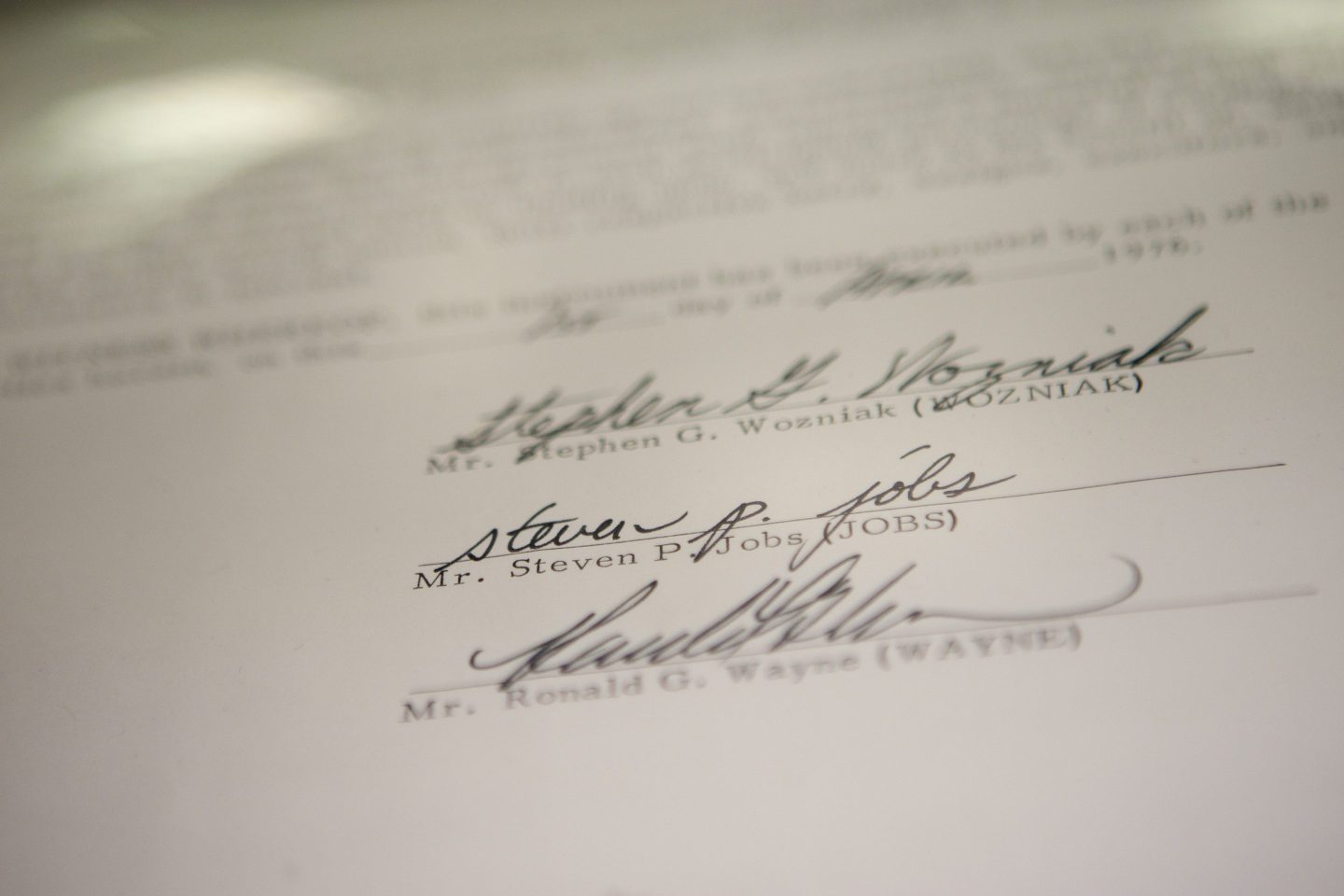
Apple cofounder Ronald Wayne sold his 10% stake for $800 in 1976—today it’d be worth up to $400 billion
By Preston ForeDecember 12, 2025
1 day ago
placeholder alt text
Economy
Tariffs are taxes and they were used to finance the federal government until the 1913 income tax. A top economist breaks it down
By Kent JonesDecember 12, 2025
2 days ago
placeholder alt text
Success
40% of Stanford undergrads receive disability accommodations—but it’s become a college-wide phenomenon as Gen Z try to succeed in the current climate
By Preston ForeDecember 12, 2025
1 day ago
placeholder alt text
Economy
The Fed just ‘Trump-proofed’ itself with a unanimous move to preempt a potential leadership shake-up
By Jason MaDecember 12, 2025
1 day ago
placeholder alt text
Economy
For the first time since Trump’s tariff rollout, import tax revenue has fallen, threatening his lofty plans to slash the $38 trillion national debt
By Sasha RogelbergDecember 12, 2025
1 day ago
placeholder alt text
Success
Apple CEO Tim Cook out-earns the average American’s salary in just 7 hours—to put that into context, he could buy a new $439,000 home in just 2 days
By Emma BurleighDecember 12, 2025
1 day ago
Rankings
  • 100 Best Companies
  • Fortune 500
  • Global 500
  • Fortune 500 Europe
  • Most Powerful Women
  • Future 50
  • World’s Most Admired Companies
  • See All Rankings
Sections
  • Finance
  • Leadership
  • Success
  • Tech
  • Asia
  • Europe
  • Environment
  • Fortune Crypto
  • Health
  • Retail
  • Lifestyle
  • Politics
  • Newsletters
  • Magazine
  • Features
  • Commentary
  • Mpw
  • CEO Initiative
  • Conferences
  • Personal Finance
  • Education
Customer Support
  • Frequently Asked Questions
  • Customer Service Portal
  • Privacy Policy
  • Terms Of Use
  • Single Issues For Purchase
  • International Print
Commercial Services
  • Advertising
  • Fortune Brand Studio
  • Fortune Analytics
  • Fortune Conferences
  • Business Development
About Us
  • About Us
  • Editorial Calendar
  • Press Center
  • Work At Fortune
  • Diversity And Inclusion
  • Terms And Conditions
  • Site Map

© 2025 Fortune Media IP Limited. All Rights Reserved. Use of this site constitutes acceptance of our Terms of Use and Privacy Policy | CA Notice at Collection and Privacy Notice | Do Not Sell/Share My Personal Information
FORTUNE is a trademark of Fortune Media IP Limited, registered in the U.S. and other countries. FORTUNE may receive compensation for some links to products and services on this website. Offers may be subject to change without notice.