• Home
  • Latest
  • Fortune 500
  • Finance
  • Tech
  • Leadership
  • Lifestyle
  • Rankings
  • Multimedia

Trendingnow

1

Egg companies made $1.22 billion in profit off a $6 carton — now they’re buying their way out of a price-fixing case with 53 million donated eggs

2

Meet the Zillennials: The luckiest micro-generation in the workforce, born between 1993 and 1998

3

Economists have found an answer to slowing cognitive decline: Avoid retiring early, study finds

1

Egg companies made $1.22 billion in profit off a $6 carton — now they’re buying their way out of a price-fixing case with 53 million donated eggs

2

Meet the Zillennials: The luckiest micro-generation in the workforce, born between 1993 and 1998

3

Economists have found an answer to slowing cognitive decline: Avoid retiring early, study finds
Retailshopping

Wal-Mart CEO: We’ll Be Shopping Very Differently in 10 Years

By
Doug McMillon
Doug McMillon
and
World Economic Forum
Down Arrow Button Icon
By
Doug McMillon
Doug McMillon
and
World Economic Forum
Down Arrow Button Icon
January 6, 2017, 3:00 PM ET
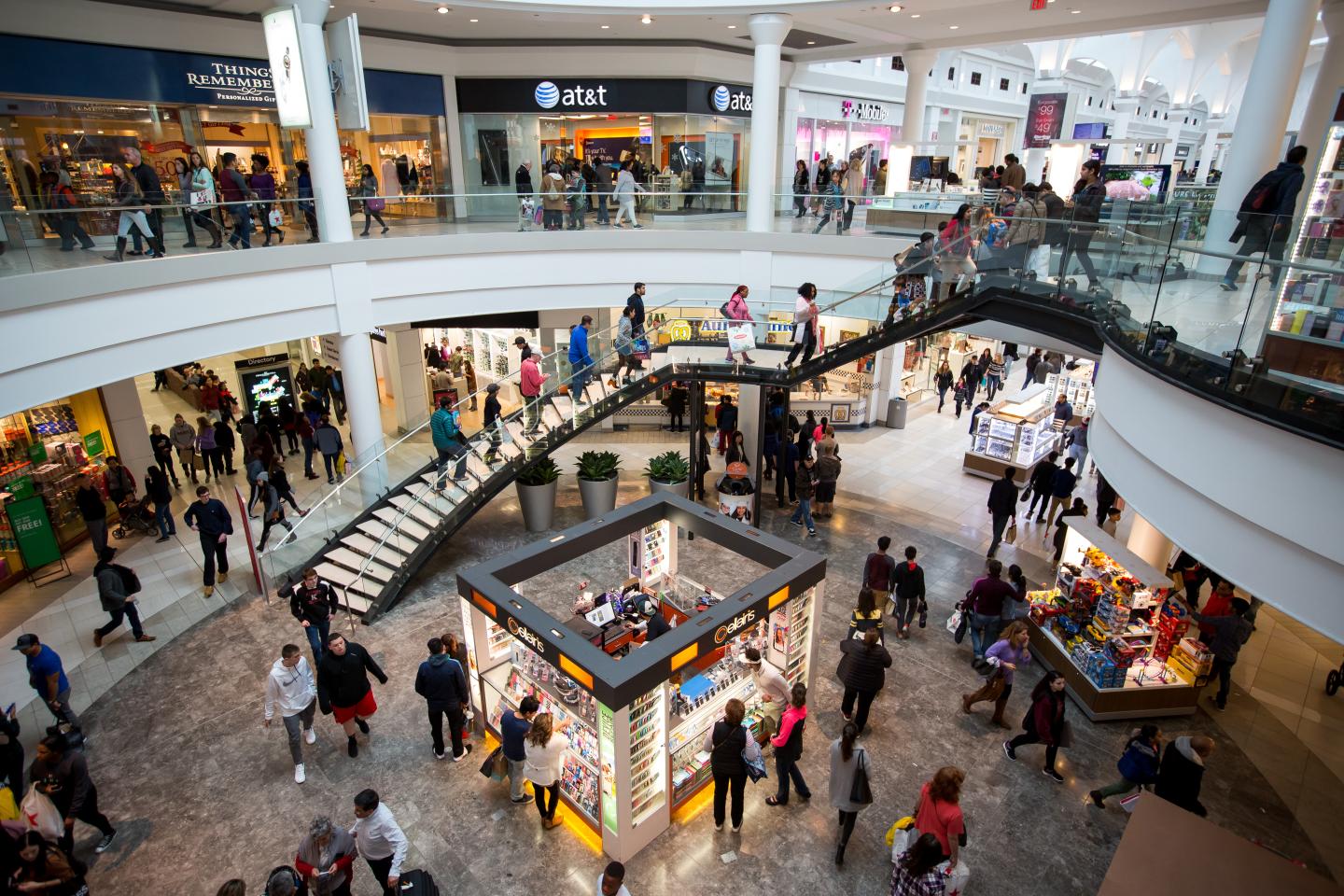
Shoppers Inside The Menlo Park Mall On Black Friday
Photographer: Michael Nagle/Bloomberg via Getty ImagesMichael Nagel—Bloomberg via Getty Images
Add Fortune on Google for similar content.

This article originally appeared on World Economic Forum.

What will shopping be like in 10 years? No one knows all the details (that’s exciting!), but one thing is for sure: it will be very different than it is today.

History is clear about that. In the mid-19th century, most people in the US were shopping at small markets. They would tell the manager what they wanted, and then wait for the item to be retrieved from the back or from the supplier. After that came the urban department store, supermarkets, then strip malls and discount stores.

Today, the pace of change is rapid. Ten years ago most customers were reading about the original iPhone, and wondering whether it would be useful. Now they expect to order something on their mobiles, have it delivered or pick it up in store—often on the same day, in a few hours, or even in a few minutes.

It’s up to retailers to adapt to these changes—and in some areas even lead the way—or they’ll fall behind and disappear.

Here’s what customers can expect their shopping experiences to be like 10 years from now:

1. Customer empowerment and even greater influence

Customer satisfaction has always been the number one goal for retailers, and in the future, customers will be more empowered than ever to drive the change they want, as they get more control over their shopping experience.

Technology—the internet, mobile and analytics—is being used to do anything and everything a customer doesn’t want to. Customers want to explore. But they need to have easy access to items they choose to use all the time. The historic trade-off between price and service has been altered by technology and customers expect to save time and enjoy the experience while saving money. They’ll fulfill their everyday needs—items like laundry detergent, paper, light bulbs, grocery staples and shampoo—in the easiest way possible through a combination of stores, e-commerce, pick-up, delivery and supported by artificial intelligence. Customer desires—think emerging fashion, fresh produce, and items they’ve never seen before—will still be fun to explore in stores as well as with technology (think virtual reality).

Retailers that provide a truly unique, enjoyable experience and prepare their associates to provide excellent service will have the advantage. At Walmart we already see the value customers place on personalization and convenience, through our success with grocery pick-up and delivery in several markets around the world.

With the growth of the internet of things, customers will enjoy an increasingly connected or “smart” shopping experience through a network of connections linking the physical and digital worlds into an ecosystem of devices, including vehicles, stores and software. The internet of things, drones, delivery robots, 3D-printing and self-driving cars will allow retailers to further automate and optimize supply chains too. Both sides of the equation—demand and supply—will change dramatically.

In addition, customers will continue to demand transparency around pricing and the supply chain. They’ll have less time to research the products they buy—but they’ll care even more about how they are sourced. They’ll choose to shop with retailers who provide that transparency so they can feel good about the items they purchase. This will require retailers to work with manufacturers to source items responsibly and sustainably. Retailers who do this and share the information will further earn customers’ trust.

2. I’ve seen what you have and I want it, too

Customers all over the world now know, and can see, what people in other countries have, and they want access to it all. And they want it now. Chinese customers want access to Louis Vuitton bags from France and milk from Australia. Not long ago on a visit to Nigeria and Ghana, I asked one of our local store managers what his one wish would be. His answer: “I want you to put a Walmart Supercenter like the ones you have in the US right here and let me run it. My customers and my family have seen what you have and we want it, too. We want those items at those prices.”

As Tom Friedman taught us, the world got flat and now it’s moving fast. The world needs inclusive growth provided in a sustainable manner. People are demanding it.

retail-wef-chart
Statista | World Economic Forum

3. Shared value

With all these changes, retailers will only survive if their business creates shared value that benefits shareholders and society. Social and environmental sustainability will be engineered into our systems, and that will strengthen the communities in which we operate, which will in turn appeal to customers. These changes, however, will require new levels of cooperation and collaboration between retailers and NGOs, governments and educational institutions. Basically, we’ll design retail and other businesses so that all stakeholders (as many as possible) benefit: customers, associates/employees, shareholders, the communities we serve and those in the supply chain.

Customers will have less time to research the products they buy—but they’ll care even more about how they’re sourced. —Doug McMillon

At Walmart, we’ve already found that investments in training, education and wages for our associates have resulted in higher customer satisfaction. Our customers want our associates to have a great life and they want to see that reflected in their attitudes and the service they provide.

When it comes to environmental sustainability, retailers and policy-makers face new challenges with the increase in packaging waste and emissions that comes with the growth of e-commerce. Shipping packages one at a time is not only wasteful and environmentally unsustainable, it isn’t cost-effective. The demand for convenience will force retailers to come up with new ways to ship items—in batches vs. one at a time—that are better for business and the environment.

While all these changes pose big challenges for retailers, they also represent unprecedented opportunities to innovate on behalf of customers and create new job opportunities for retail associates. I can’t think of a more exciting time to be in retail, to be at the forefront of change and part of an industry that has the potential to provide a better life for millions around the world.

This piece draws on a new report, Shaping the Future of Retail for Consumer Industries, which can be read here.

About the Authors
By Doug McMillon
See full bioRight Arrow Button Icon
By World Economic Forum
See full bioRight Arrow Button Icon
Add Fortune on Google for similar content.

Latest in Retail

Finance
Lorem ipsum dolor sit amet, consectetur adipiscing elit, sed do eiusmod tempor incididunt ut labore et dolore magna aliqua. Ut enim ad minim veniam
By Fortune Editors
October 20, 2025
Finance
Lorem ipsum dolor sit amet, consectetur adipiscing elit, sed do eiusmod tempor incididunt ut labore et dolore magna aliqua. Ut enim ad minim veniam
By Fortune Editors
October 20, 2025
Finance
Lorem ipsum dolor sit amet, consectetur adipiscing elit, sed do eiusmod tempor incididunt ut labore et dolore magna aliqua. Ut enim ad minim veniam
By Fortune Editors
October 20, 2025
Finance
Lorem ipsum dolor sit amet, consectetur adipiscing elit, sed do eiusmod tempor incididunt ut labore et dolore magna aliqua. Ut enim ad minim veniam
By Fortune Editors
October 20, 2025
Finance
Lorem ipsum dolor sit amet, consectetur adipiscing elit, sed do eiusmod tempor incididunt ut labore et dolore magna aliqua. Ut enim ad minim veniam
By Fortune Editors
October 20, 2025
Finance
Lorem ipsum dolor sit amet, consectetur adipiscing elit, sed do eiusmod tempor incididunt ut labore et dolore magna aliqua. Ut enim ad minim veniam
By Fortune Editors
October 20, 2025

Most Popular

Finance
Lorem ipsum dolor sit amet, consectetur adipiscing elit, sed do eiusmod tempor incididunt ut labore et dolore magna aliqua. Ut enim ad minim veniam
By Fortune Editors
October 20, 2025
Finance
Lorem ipsum dolor sit amet, consectetur adipiscing elit, sed do eiusmod tempor incididunt ut labore et dolore magna aliqua. Ut enim ad minim veniam
By Fortune Editors
October 20, 2025
Finance
Lorem ipsum dolor sit amet, consectetur adipiscing elit, sed do eiusmod tempor incididunt ut labore et dolore magna aliqua. Ut enim ad minim veniam
By Fortune Editors
October 20, 2025
Finance
Lorem ipsum dolor sit amet, consectetur adipiscing elit, sed do eiusmod tempor incididunt ut labore et dolore magna aliqua. Ut enim ad minim veniam
By Fortune Editors
October 20, 2025
Finance
Lorem ipsum dolor sit amet, consectetur adipiscing elit, sed do eiusmod tempor incididunt ut labore et dolore magna aliqua. Ut enim ad minim veniam
By Fortune Editors
October 20, 2025
Finance
Lorem ipsum dolor sit amet, consectetur adipiscing elit, sed do eiusmod tempor incididunt ut labore et dolore magna aliqua. Ut enim ad minim veniam
By Fortune Editors
October 20, 2025
Fortune Secondary Logo
Rankings
  • 100 Best Companies
  • Fortune 500
  • Global 500
  • Fortune 500 Europe
  • Most Powerful Women
  • World's Most Admired Companies
  • See All Rankings
  • Lists Calendar
Sections
  • Finance
  • Fortune Crypto
  • Features
  • Leadership
  • Health
  • Commentary
  • Success
  • Retail
  • Mpw
  • Tech
  • Lifestyle
  • CEO Initiative
  • Asia
  • Politics
  • Conferences
  • Europe
  • Newsletters
  • Personal Finance
  • Environment
  • Magazine
  • Education
Customer Support
  • Frequently Asked Questions
  • Customer Service Portal
  • Privacy Policy
  • Terms Of Use
  • Single Issues For Purchase
  • International Print
Commercial Services
  • Advertising
  • Fortune Brand Studio
  • Fortune Analytics
  • Fortune Conferences
  • Business Development
  • Group Subscriptions
About Us
  • About Us
  • Press Center
  • Work At Fortune
  • Terms And Conditions
  • Site Map
  • About Us
  • Press Center
  • Work At Fortune
  • Terms And Conditions
  • Site Map
  • Facebook icon
  • Twitter icon
  • LinkedIn icon
  • Instagram icon
  • Pinterest icon

Latest in Retail

Costco CEO promises the $1.50 hot dog isn’t going away: ‘The price will not change as long as I’m around’
RetailCostco
Costco CEO promises the $1.50 hot dog isn’t going away: ‘The price will not change as long as I’m around’
By Sydney LakeJuly 4, 2026
1 hour ago
w
Travel & LeisureWorld Cup
‘I can understand the, um, obesity here’: The World discovers American cuisine at the World Cup
By Dee-Ann Durbin and The Associated PressJuly 4, 2026
2 hours ago
dec
North Americamuseums
A retired insurance executive found a lost Declaration of Independence in Britain’s National Archives
By Danica Kirka and The Associated PressJuly 4, 2026
2 hours ago
Ejay O'Donnell, Bart Szaniewski, and Grant Eastey wear Dad Gang hats in a factory
SuccessEntrepreneurship
Three dads started selling hats from a garage with $750—now they’ve sold $35 million worth, partnered with Gary Vee, and grown a community of fathers
By Preston ForeJuly 4, 2026
4 hours ago
Americans will eat 150 million hot dogs today. One specific American is predicted to eat 70 of them
North AmericaFood and drink
Americans will eat 150 million hot dogs today. One specific American is predicted to eat 70 of them
By Catherina GioinoJuly 4, 2026
7 hours ago
Nike’s self-inflicted wounds are risking CEO Elliott Hill’s nascent comeback
RetailFortune 500
Nike’s self-inflicted wounds are risking CEO Elliott Hill’s nascent comeback
By Phil WahbaJuly 4, 2026
7 hours ago

Most Popular

Egg companies made $1.22 billion in profit off a $6 carton — now they’re buying their way out of a price-fixing case with 53 million donated eggs
Law
Egg companies made $1.22 billion in profit off a $6 carton — now they’re buying their way out of a price-fixing case with 53 million donated eggs
By Wyatte Grantham-Philips and The Associated PressJuly 2, 2026
2 days ago
Meet the Zillennials: The luckiest micro-generation in the workforce, born between 1993 and 1998
AI
Meet the Zillennials: The luckiest micro-generation in the workforce, born between 1993 and 1998
By Nick LichtenbergJuly 3, 2026
1 day ago
Economists have found an answer to slowing cognitive decline: Avoid retiring early, study finds
Economy
Economists have found an answer to slowing cognitive decline: Avoid retiring early, study finds
By Sasha RogelbergJuly 2, 2026
2 days ago
On Wall Street, analysts increasingly don’t believe the U.S. government’s 'misleading' job numbers
Economy
On Wall Street, analysts increasingly don’t believe the U.S. government’s 'misleading' job numbers
By Jim EdwardsJuly 3, 2026
1 day ago
Even as Elon Musk calls philanthropy ‘very hard,’ every day Americans gave a record $617 billion—despite feeling the squeeze over the cost of living
Success
Even as Elon Musk calls philanthropy ‘very hard,’ every day Americans gave a record $617 billion—despite feeling the squeeze over the cost of living
By Preston ForeJuly 4, 2026
7 hours ago
$25 billion CEO says one-hour interviews are a waste of time—he puts candidates through six hours of tests and wants them to order wine at lunch
Success
$25 billion CEO says one-hour interviews are a waste of time—he puts candidates through six hours of tests and wants them to order wine at lunch
By Orianna Rosa RoyleJuly 3, 2026
1 day ago

© 2026 Fortune Media IP Limited. All Rights Reserved. Use of this site constitutes acceptance of our Terms of Use and Privacy Policy | CA Notice at Collection and Privacy Notice | Do Not Sell/Share My Personal Information
FORTUNE is a trademark of Fortune Media IP Limited, registered in the U.S. and other countries. FORTUNE may receive compensation for some links to products and services on this website. Offers may be subject to change without notice.