Pressure to improve vehicle fuel efficiency is driving an increase in the sales of premium gasoline and boosting demand for high-octane blending components in the United States.
Premium grade accounted for more than 1 million barrels per day, around 11.7%, of all gasoline sold in the United States in June, according to the U.S. Energy Information Administration.
Premium sales have risen steadily from a low of just 680,000 bpd, a share of just 7.6%, when gasoline prices were peaking in June 2008.
In the 1980s and 1990s, the ratio of premium to regular grade sales was correlated with the rise and fall in oil and gasoline prices.
Consumers tended to fill their tanks with premium gasoline when oil prices were low in the hope of achieving an improvement in engine performance but switch to cheaper regular grade when oil prices rose.
The pattern continued despite repeated warnings from the federal government that using premium grade would not improve the performance of engines designed to run on regular grade.
The quadrupling of retail gasoline prices between 1999 and 2008 largely killed consumer interest in premium gasoline. Premium grade’s share of all gasoline sales fell from 20% to less than 8%.
Since 2008, there has been a gradual increase in premium grade sales again, this time driven by increasing sales of more fuel-efficient vehicles designed to operate with premium fuels.
One of the most popular ways for car manufacturers to meet demands from consumers and regulators for improvements in fuel economy has been to introduce smaller engines with turbochargers.
Downsized turbocharged engines achieve greater efficiency by operating at greater cylinder pressures (and new generations of engines will likely operate at even higher compression ratios).
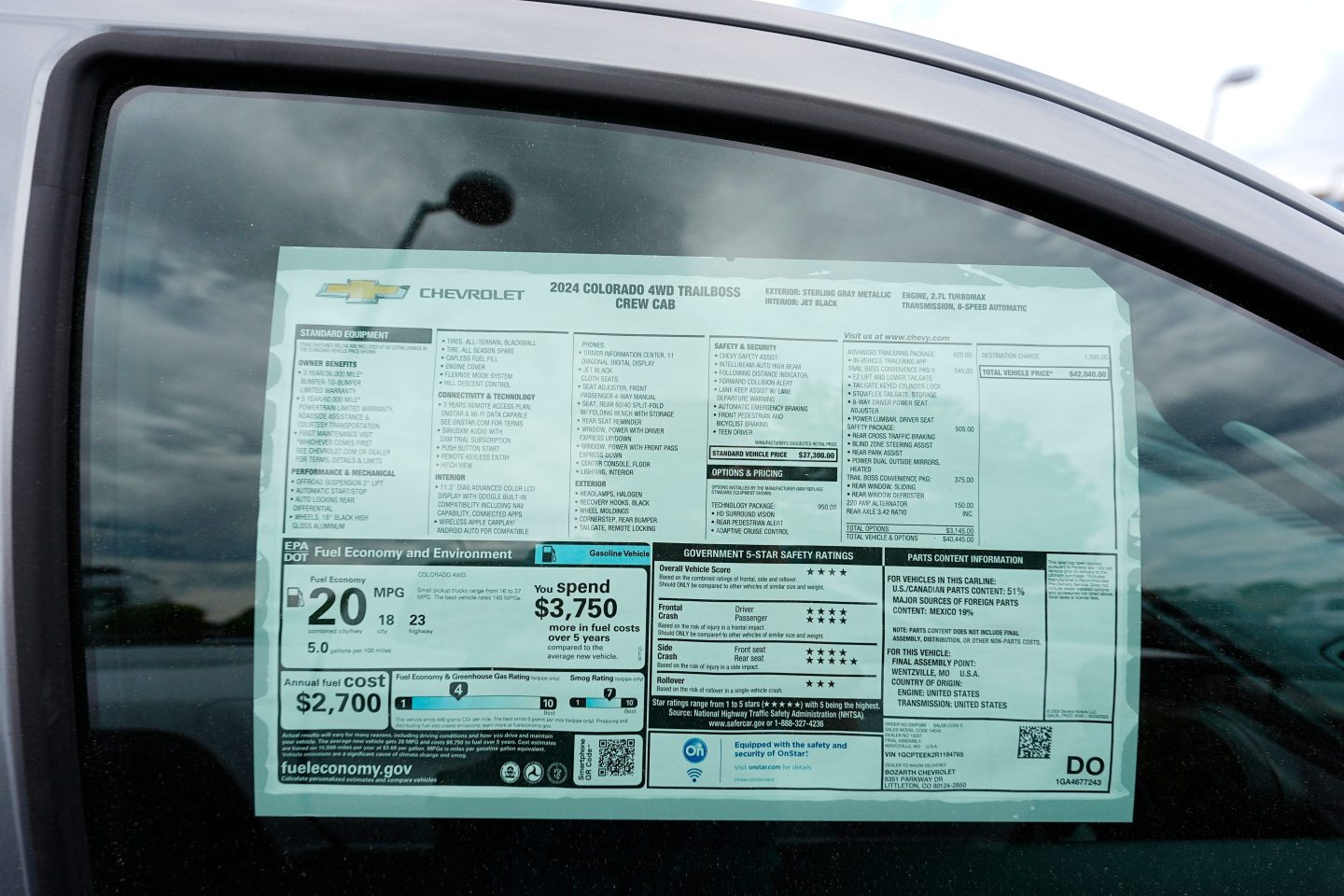
The percentage of new light-duty gasoline vehicles sold with turbocharged engines has climbed from just 3.3% in the 2009 model year to 17.6% in the 2014 model year.
In 2015, the National Research Council found turbocharged engines had been installed in nearly half of all Ford’s popular F-150 light trucks.
Ford replaced larger V8 engines with smaller but equally powerful and more fuel-efficient turbocharged 3.5 liter V6 engines (“Cost, effectiveness and deployment of fuel economy technologies,” NRC, 2015).
By 2025, more than 80% of all new gasoline vehicles sold in the United States will include turbocharged engines, according to the Energy Information Administration.
But to prevent fuel detonation (“knocking”) engines with higher compression ratios need to run on fuels with a higher octane rating.
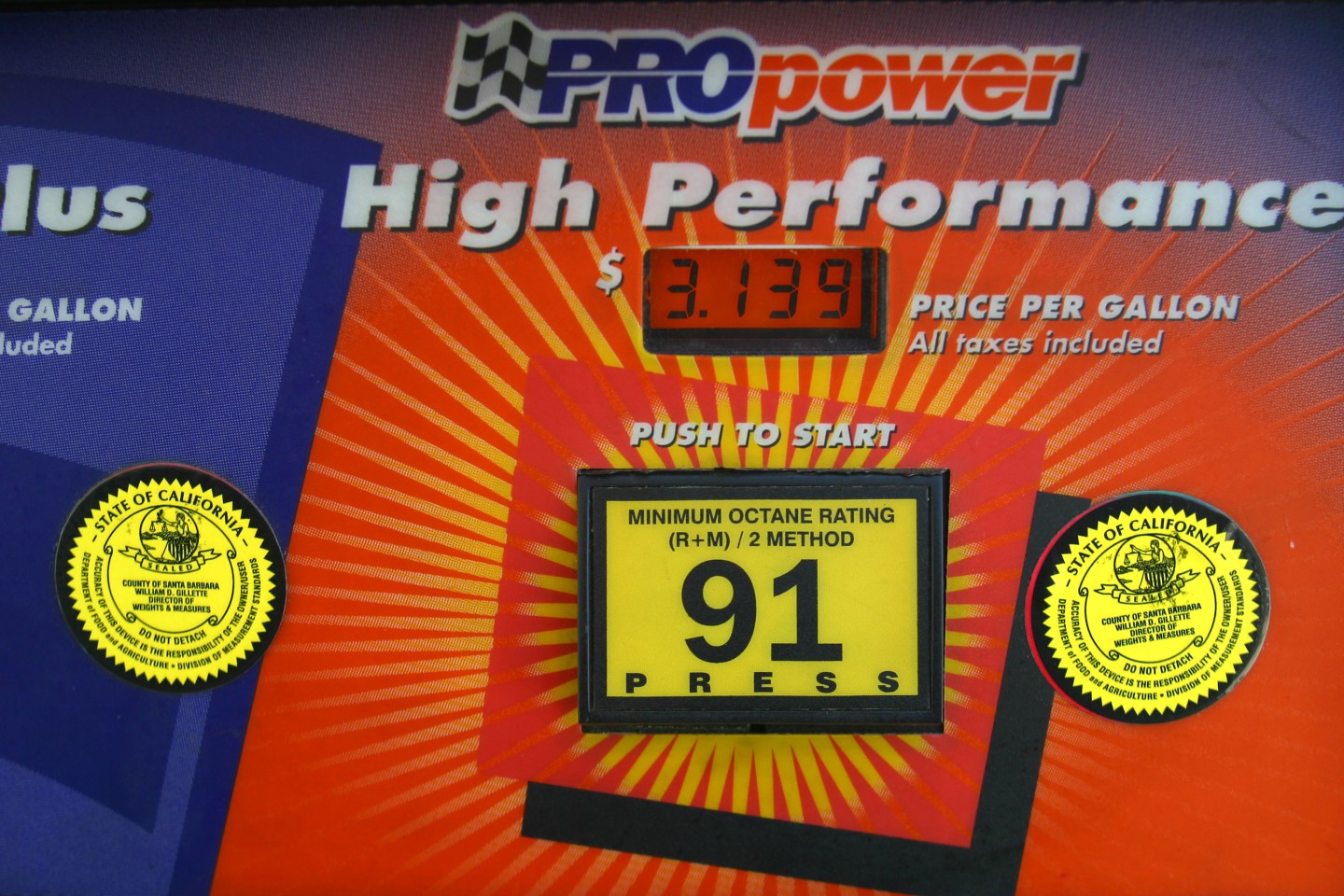
Premium grade gasoline has a posted octane rating or anti-knock index of 91 while the index for regular grade is just 87.
An increasing number of vehicles are being sold with engines that require premium gasoline to run without damage, or where it is strongly recommended to achieve efficiency operation (“Selecting the right octane fuel,” U.S. Environmental Protection Agency).
Gasoline Blending
The need for more fuel with a higher anti-knock index is boosting demand for blending components with higher octane ratings (“Engine design trends lead to increased demand for higher-octane gasoline,” EIA, Apr 2016).
Gasoline is a carefully controlled blend of fuels designed to meet various specifications at the lowest cost (“Model-based real-time optimization of automotive gasoline blending operations,” Singh et al, 2000).
Gasoline blends must meet standards for octane rating, volatility, sulfur, aromatics content and viscosity. The aim of blending is to meet all the specifications with the lowest cost combination of components.
Since all gasoline of the same grade sells for basically the same price, blenders try to ensure they do not provide extra octane or cut impurities like sulfur more than necessary to minimize the amount of “quality giveaway.”
The simplest way to boost the octane number is usually by blending in more normal butane (n-butane), which is cheap and has a high octane rating.
But n-butane vaporizes easily in warm weather, contributing to engine vapor lock and smog, and limiting the amount that can be used, especially in gasoline sold during the summer months.
U.S. refiners tend to produce excess butane during the summer months, then blend it back into the winter fuel supply starting from September and October.
With limits on the use of butane, motor fuel blenders rely on more expensive components such as alkylate to boost octane ratings, especially in summer.
Alkylate is expensive, but has a very high octane rating and does not vaporize easily, making it a perfect blending component, notably in the summer months.
The other option is to replace components with extremely low octane ratings (straight-run naphtha) with components with somewhat higher ratings (reformate and catalytic gasoline) to nudge the average rating higher.
The final route to raising octane is to blend in a higher percentage of ethanol, which has a very high octane rating, but contains less energy than other blending components so achieves fewer miles per gallon.
As premium gasoline sales increase, the average octane requirement for the entire blending pool is rising, and with it demand for higher-octane components.