• Home
  • Latest
  • Fortune 500
  • Finance
  • Tech
  • Leadership
  • Lifestyle
  • Rankings
  • Multimedia

Trendingnow

1

As U.S. Treasury intervened in the bond market, the Netherlands rushed 86 tons of gold out of America because of ‘geopolitical unrest’

2

One of MacKenzie Scott's latest donations takes her HBCU giving to well over $1 billion

3

New LA Angels owner Stan Kroenke is quietly America's largest private landowner, boasting 2.7 million acres and besting Bill Gates and Jeff Bezos

1

As U.S. Treasury intervened in the bond market, the Netherlands rushed 86 tons of gold out of America because of ‘geopolitical unrest’

2

One of MacKenzie Scott's latest donations takes her HBCU giving to well over $1 billion

3

New LA Angels owner Stan Kroenke is quietly America's largest private landowner, boasting 2.7 million acres and besting Bill Gates and Jeff Bezos
Tech

Sunday Read: Remembering Gopher, the Browsable Internet Before the Rise of the Web

By
David Z. Morris
David Z. Morris
Down Arrow Button Icon
By
David Z. Morris
David Z. Morris
Down Arrow Button Icon
August 14, 2016, 3:14 PM ET
200383309-001
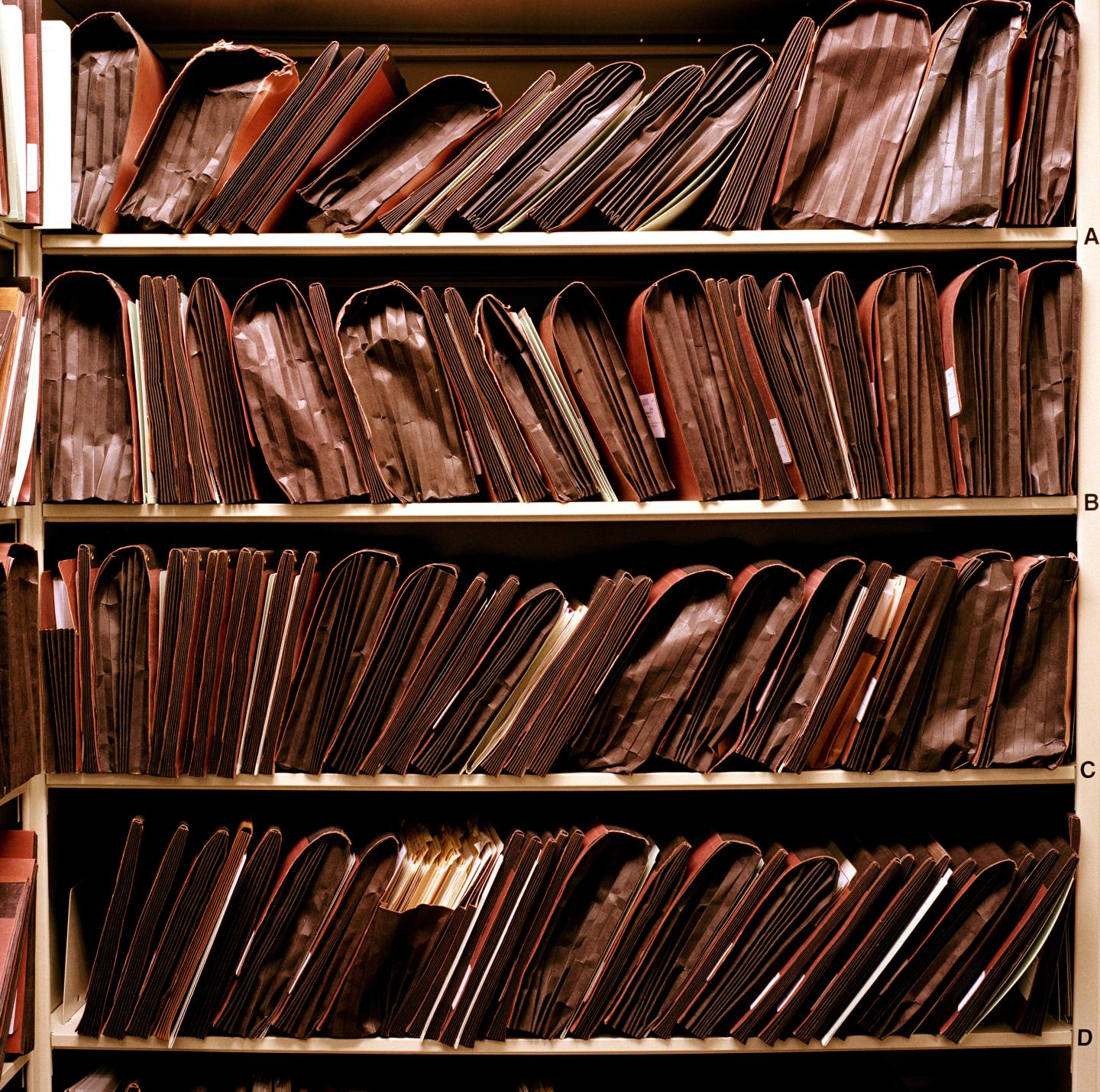
Folders on shelves in filing room, close-upPhotograph by Myriam Babin — Getty Images
Google source logo
Add Fortune on Google for similar content.

For your Sunday reading pleasure, The Minneapolis Post offers a wonderful in-depth history of the rise and fall of the Internet Gopher, an internet protocol that briefly ruled before the ascent of the World Wide Web. It was Gopher, which organized content as a series of browsable folders, that introduced hyperlinks, bookmarking, and even the term “surf the internet.”

Get Data Sheet, Fortune’s technology newsletter.

Gopher was developed starting in 1991 by a team at the University of Minnesota-Twin Cities, led by Mark McCahill. This was not some Internet Skunk Works tasked with dreaming about the future—the same team handled a huge swath of the University’s computing needs, including answering support calls. Gopher was largely developed in their off time—and often, against resistance from higher-ups.

McCahill tells the Post that the ethos behind Gopher was “putting computers in the hands of everyday people.” But the powers-that-be at the University of Minnesota were still defending the mainframe server model, and Gopher’s decentralized model was an affront to that. After a contentious meeting, the team was told to stop work on the project.

They kept working anyway, putting in a series of 36-hour coding sessions. Gopher was released in April of 1991, and the first server was set up on a Mac SE/30 PC.

The format took off. Hundreds of Gopher servers popped up, Al Gore visited the team, and an annual conference attracted heavy hitters like the World Bank and Microsoft.

For more on the history and evolution of tech, watch our video:

But it didn’t last. One of the early hurdles was an attempt to fund further development through licensing fees, which users took as an affront. And the Web quickly caught up, as faster modem speeds and better browsers made it more appealing than the text-based Gopher. Web traffic was greater than Gopher traffic by the Spring of 1994. McCahill’s team was diverted to an emergency university project in 1995, effectively killing Gopher for good.

But there are still Gopher servers out there, and for some users, they have a major appeal—the protocol isn’t ad-friendly, and can’t track your browsing habits. That could make the venerable format ripe for a resurgence.

About the Author
By David Z. Morris
See full bioRight Arrow Button Icon
Google source logo
Add Fortune on Google for similar content.

Latest in Tech


Most Popular

Fortune Secondary Logo
Rankings
  • 100 Best Companies
  • Fortune 500
  • Global 500
  • Fortune 500 Europe
  • Most Powerful Women
  • World's Most Admired Companies
  • See All Rankings
  • Lists Calendar
Sections
  • Finance
  • Fortune Crypto
  • Features
  • Leadership
  • Health
  • Commentary
  • Success
  • Retail
  • Mpw
  • Tech
  • Lifestyle
  • CEO Initiative
  • Asia
  • Politics
  • Conferences
  • Europe
  • Newsletters
  • Personal Finance
  • Environment
  • Magazine
  • Education
Customer Support
  • Frequently Asked Questions
  • Customer Service Portal
  • Privacy Policy
  • Terms Of Use
  • Single Issues For Purchase
  • International Print
Commercial Services
  • Advertising
  • Fortune Brand Studio
  • Fortune Analytics
  • Fortune Conferences
  • Business Development
  • Group Subscriptions
About Us
  • About Us
  • Press Center
  • Work At Fortune
  • Terms And Conditions
  • Site Map
  • About Us
  • Press Center
  • Work At Fortune
  • Terms And Conditions
  • Site Map
  • Facebook icon
  • Twitter icon
  • LinkedIn icon
  • Instagram icon
  • TikTok icon
  • YouTube icon

    Latest in Tech


    Most Popular

    © 2026 Fortune Media IP Limited. All Rights Reserved. Use of this site constitutes acceptance of our Terms of Use and Privacy Policy | CA Notice at Collection and Privacy Notice | Do Not Sell/Share My Personal Information
    FORTUNE is a trademark of Fortune Media IP Limited, registered in the U.S. and other countries. FORTUNE may receive compensation for some links to products and services on this website. Offers may be subject to change without notice.