• Home
  • Latest
  • Fortune 500
  • Finance
  • Tech
  • Leadership
  • Lifestyle
  • Rankings
  • Multimedia

Trendingnow

1

Ed Sheeran asked Patriots owner Robert Kraft for $2 million aid donation after Macklemore was dropped from his tour for pro-Palestine comments

2

Meet Warren Buffett's son Howard, a former sheriff, war photographer, and now, Berkshire's new chairman

3

Anthropic billionaire cofounder Jack Clark studied literature, not code—and says liberal arts degrees will win in the AI age

1

Ed Sheeran asked Patriots owner Robert Kraft for $2 million aid donation after Macklemore was dropped from his tour for pro-Palestine comments

2

Meet Warren Buffett's son Howard, a former sheriff, war photographer, and now, Berkshire's new chairman

3

Anthropic billionaire cofounder Jack Clark studied literature, not code—and says liberal arts degrees will win in the AI age
LeadershipFederal Reserve

Former Top Yellen Advisor Says Regional Feds Should Be Public

By
Reuters
Reuters
Down Arrow Button Icon
By
Reuters
Reuters
Down Arrow Button Icon
April 12, 2016, 4:14 AM ET
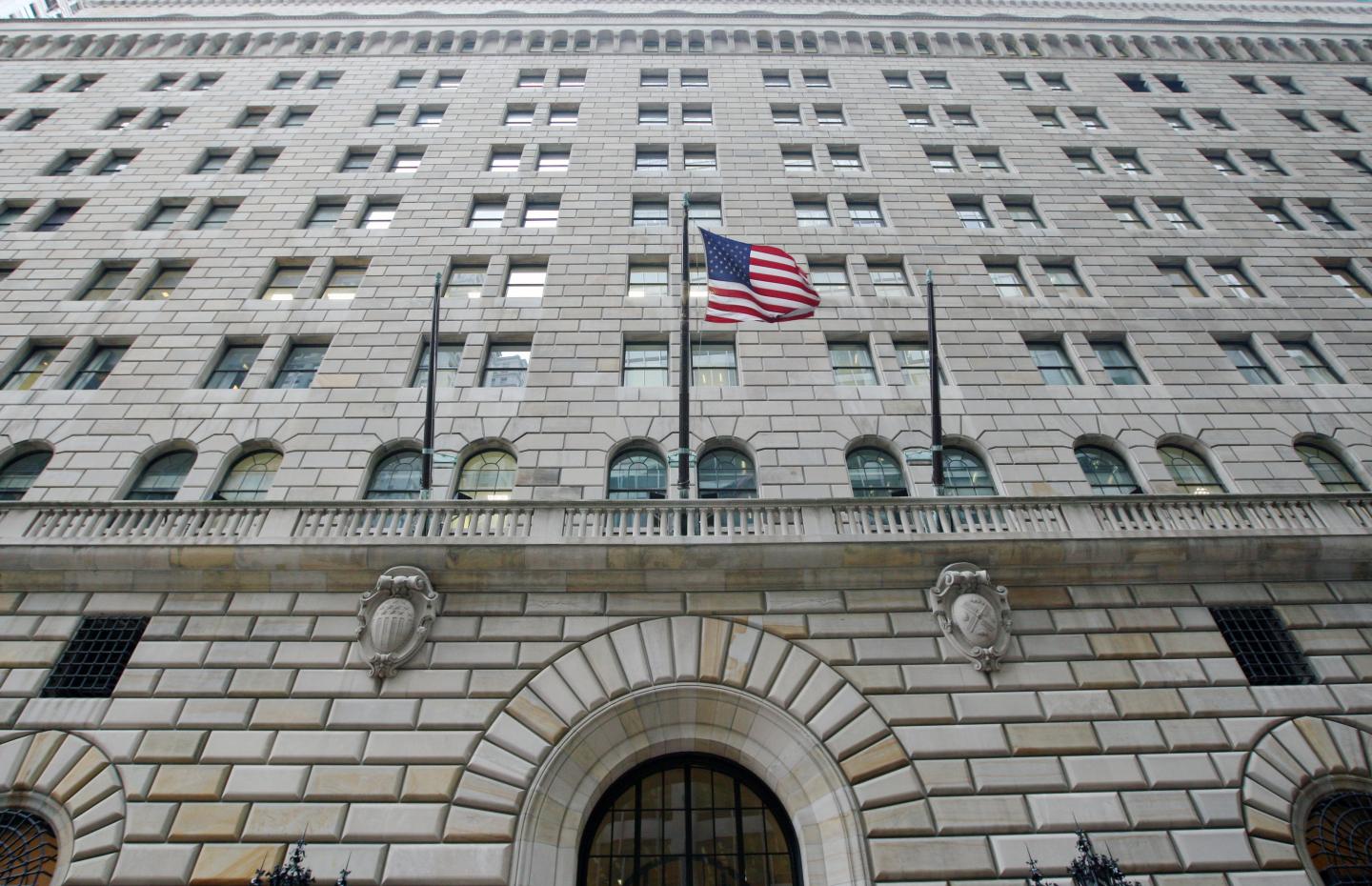
The U.S. flag hangs on the facade of the Federal Reserve Ban
UNITED STATES - DECEMBER 15: The U.S. flag hangs on the facade of the Federal Reserve Bank of New York headquarters in New York, U.S., on Monday, Dec. 15, 2008. The Federal Reserve Bank of New York hired executive search firm Korn/Ferry International to help find a replacement for its bank president Timothy Geithner. (Photo by Daniel Acker/Bloomberg via Getty Images)Photograph by Daniel Acker—Bloomberg via Getty Images
Google source logo
Add Fortune on Google for similar content.

A former top Federal Reserve policy advisor called Monday for the Fed’s 12 regional outposts to be made government entities, rather than owned, as they have been since their inception more than a century ago, by the banks they regulate.

Banks own shares in their regional Fed bank and appoint six of the nine members of the board, including three bank executives. While the Fed’s powerful Washington-based Board, including the Fed Chair, is a government entity, the regional Fed banks are not. The U.S. central bank is the world’s only major central bank that is not fully public.

Dartmouth College Professor Andrew Levin also called for seven-year term limits for all Fed policymakers, and stronger outside oversight of the U.S. central bank including annual reviews of monetary policy.

Policymakers often serve a decade or more before retiring, and the details of monetary policymaking have always been a closely guarded secret, with transcripts of meetings released only after a five-year interval.

Levin, who advised Fed Chair Janet Yellen when she was Fed vice chair, released the proposals via the Fed Up Coalition, a network of community organizations and labor unions calling for change to the U.S. central bank. It is unclear how they will be received by other Fed critics who have called for even more sweeping changes, or the institution itself, which has largely resisted reform proposals.


A Fed spokeswoman declined to comment on the proposals, as did representatives of several regional Fed banks, with St. Louis Fed President James Bullard saying he would need to review the proposals before discussing them.

Dallas Fed President Robert Kaplan said that while he is “very sensitive” to the issues the coalition has raised, bankers “haven’t influenced me, other than I’ve been able to get their insight as to what they’re seeing.” The banking industry, he added, “is a very critical industry for us and we regulate it, and it’s essential to business and the health of business in this district and the country.”

The Fed has come under increasing fire in recent months from both Democrats and Republicans for what they say is a lack of accountability and transparency, with lawmakers and presidential candidates calling for a wide range of limits on the Fed’s powers.

In response, some current and former Fed officials have begun to call for steps to placate the U.S. central bank’s harshest critics.

Levin on Monday also called for the process of appointing Fed bank presidents to be more transparent and to involve the public. Currently Fed bank presidents are chosen in a closed-door process run by each bank’s board and approved by the Washington-based Fed Board.

About the Author
By Reuters
See full bioRight Arrow Button Icon

Latest in Leadership


Most Popular

Fortune Secondary Logo
Rankings
  • 100 Best Companies
  • Fortune 500
  • Global 500
  • Fortune 500 Europe
  • Most Powerful Women
  • World's Most Admired Companies
  • See All Rankings
  • Lists Calendar
Sections
  • Finance
  • Fortune Crypto
  • Features
  • Leadership
  • Health
  • Commentary
  • Success
  • Retail
  • Mpw
  • Tech
  • Lifestyle
  • CEO Initiative
  • Asia
  • Politics
  • Conferences
  • Europe
  • Newsletters
  • Personal Finance
  • Environment
  • Magazine
  • Education
Customer Support
  • Frequently Asked Questions
  • Customer Service Portal
  • Privacy Policy
  • Terms Of Use
  • Single Issues For Purchase
  • International Print
Commercial Services
  • Advertising
  • Fortune Brand Studio
  • Fortune Analytics
  • Fortune Conferences
  • Business Development
  • Group Subscriptions
About Us
  • About Us
  • Press Center
  • Work At Fortune
  • Terms And Conditions
  • Site Map
  • About Us
  • Press Center
  • Work At Fortune
  • Terms And Conditions
  • Site Map
  • Facebook icon
  • Twitter icon
  • LinkedIn icon
  • Instagram icon
  • TikTok icon
  • YouTube icon

    Latest in Leadership


    Most Popular

    © 2026 Fortune Media IP Limited. All Rights Reserved. Use of this site constitutes acceptance of our Terms of Use and Privacy Policy | CA Notice at Collection and Privacy Notice | Do Not Sell/Share My Personal Information
    FORTUNE is a trademark of Fortune Media IP Limited, registered in the U.S. and other countries. FORTUNE may receive compensation for some links to products and services on this website. Offers may be subject to change without notice.