• Home
  • News
  • Fortune 500
  • Tech
  • Finance
  • Leadership
  • Lifestyle
  • Rankings
  • Multimedia
Commentary

Donald Trump, Your Anti-Trade Promises Make No Sense

By
Alan Wolff
Alan Wolff
and
Bethany Cianciolo
Bethany Cianciolo
Down Arrow Button Icon
By
Alan Wolff
Alan Wolff
and
Bethany Cianciolo
Bethany Cianciolo
Down Arrow Button Icon
March 15, 2016, 9:00 PM ET
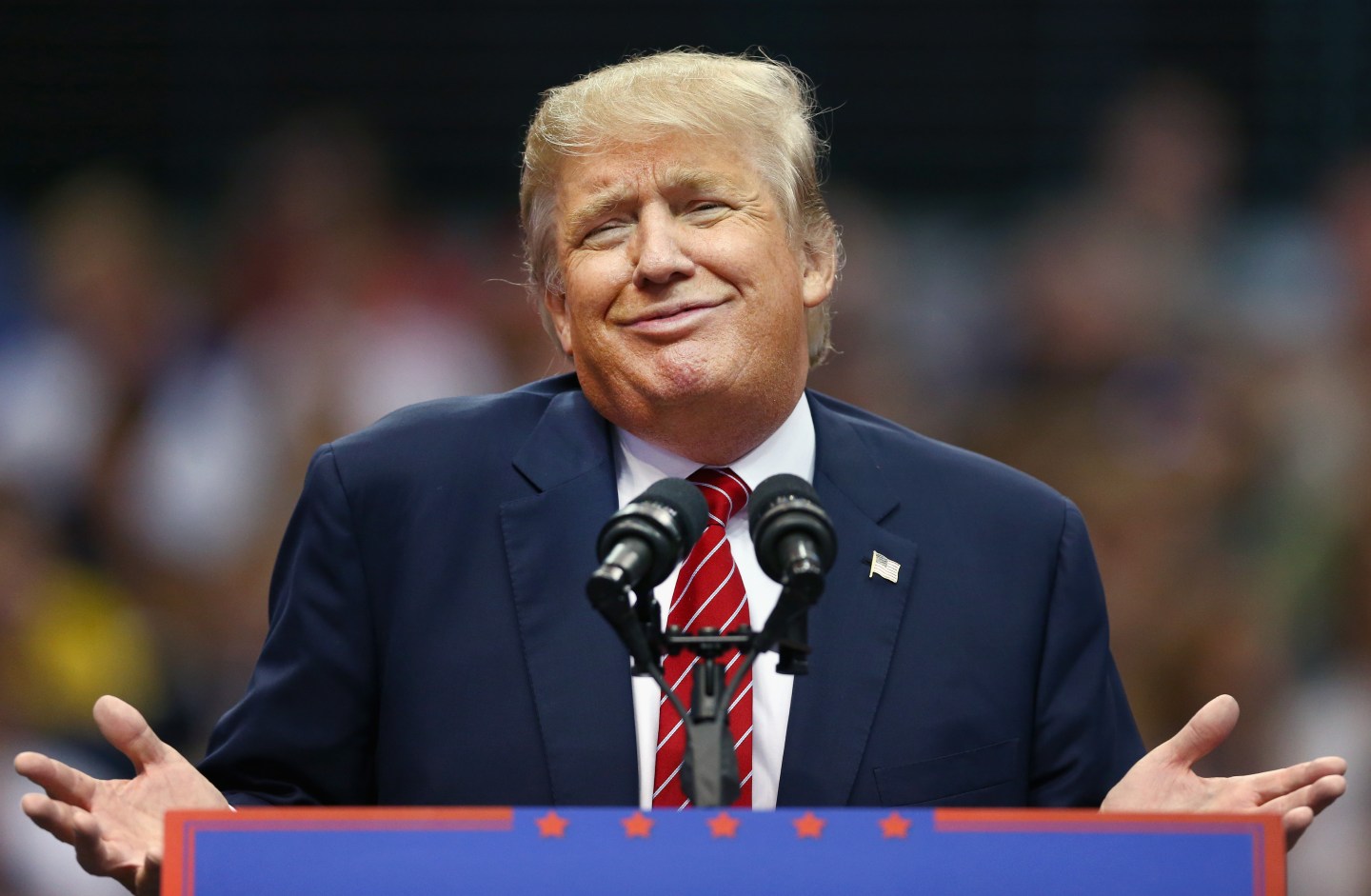
Donald Trump Holds Campaign Rally In Dallas
DALLAS, TX - SEPTEMBER 14: Republican presidential candidate Donald Trump speaks during a campaign rally at the American Airlines Center on September 14, 2015 in Dallas, Texas. More than 20,000 tickets have been distributed for the event. (Photo by Tom Pennington/Getty Images)Photograph by Tom Pennington—Getty Images

The ever quotable Donald Trump wrote yesterday in USA Today that the “[Trans-Pacific Partnership] is the biggest betrayal in a long line of betrayals where politicians have sold out U.S. workers.” But in making that statement, he’s failing to look at what’s really taking place in the U.S. economy—and where trade agreements fit into that picture.

Franklin Roosevelt began the long process of cutting tariffs in 1934 because they were strangling international trade, causing the Great Depression to sink the global economy even deeper. U.S. unemployment was at 25% back in the 1930s—not as high as the 42% Trump claims the present economy is at. Actual numbers at present: just under 5% (or just under 10% if including those who have part-time jobs). The 1930 tariff that Roosevelt and his secretary of state began reducing through reciprocal trade agreements averaged about 20%. Real U.S. unemployment, but for recessions, has been declining ever since the 1934 “President’s Trade Agreements Program” was put into place. Pursuant to trade agreements, U.S. tariffs have been lowered to today’s level of just over 1% for industrial goods, and the U.S economy has grown dramatically over this long period.

With income inequality high and growth in average wages stagnant, disaffection needs a target, and Trump and Sanders supply one: trade agreements. But their claims ignore some pretty obvious alternative causes—a principal one being advances in technology with accompanying pressure on jobs. This process has been going on for a long time. There’s no need to go back to the industrial revolution when power looms displaced cottage weavers in England, or when digital switches replaced most telephone operators for making phone calls a century ago. Just look around today. The American people are taking pictures mostly with smart phones—not cameras—and before that cameras stopped using film. There went two industries—cameras and film. The iPod eliminated a lot of workers producing CDs and CD players, and video streaming is eliminating much of the demand for DVDs and DVD players. Internet sales eliminate order clerks and physical stores. All of these changes create other kinds of jobs, but there is dislocation in every transition.

No presidential candidate is going to tell millennials to give up social media, nor will he or she tell their parents to give up large, flat-screen TVs. True, a lot of these products are imported, made possible by digitally supported global commerce, advanced logistics, and by huge container ships and modernized ports (which also reduced the need for as many dockworkers, and required high skill levels for the new jobs). But no candidate has suggested that the Panama Canal ought not to have been widened to accommodate the super-sized ships.

Technology and trade do have substantial effects on employment, both negative and positive, and these forces really are irreversible without imposing unacceptable costs on the economy and all Americans. So politicians attack trade agreements instead. This is just wrong-headed.

Today’s trade agreements are mostly about putting into place better rules for foreign trade and clearly serve America’s best interests. The behavior of state-owned enterprises that compete with privately owned companies will be subject to new disciplines. Forced localization for data storage—a fundamental need of today’s business—will be forbidden. Regulations are not to be discriminatory against our exported products, and are to be published. Small and medium enterprises are to get access to global markets, and they account for most of current and future U.S. jobs. Yes, the past practice of currency manipulation is not made actionable, but at least it is addressed if it occurs in the future. America is not better off under the status quo.

And it is true that under the TPP, there are some residual high U.S. tariffs being cut, but these are very few, and they are anomalies. The prime example: A 25% tariff on light trucks—imposed 50 years ago to retaliate against Europe for its protection against U.S poultry exports—is going be reduced over a very long period.

American trade does face problems abroad. The cure, to the extent possible, is to be found in the current generation of new trade agreements, which aim to make foreign markets as open as our own. These agreements need to be ratified—not discarded—in favor of protectionist policies that have never worked.

Alan Wm. Wolff is Chairman of the National Foreign Trade Council (NFTC) and a senior counsel practicing international trade law with the global law firm, Dentons.


About the Authors
By Alan Wolff
See full bioRight Arrow Button Icon
By Bethany Cianciolo
See full bioRight Arrow Button Icon

Latest in Commentary

Alex Amouyel is the President and CEO of Newman’s Own Foundation
Commentaryphilanthropy
Following in Paul Newman and Yvon Chouinard’s footsteps: There are more ways for leaders to give it away in ‘the Great Boomer Fire Sale’ than ever
By Alex AmouyelDecember 7, 2025
16 hours ago
Amit Walia
CommentaryM&A
Why the timing was right for Salesforce’s $8 billion acquisition of Informatica — and for the opportunities ahead
By Amit WaliaDecember 6, 2025
2 days ago
Steve Milton is the CEO of Chain, a culinary-led pop-culture experience company founded by B.J. Novak and backed by Studio Ramsay Global.
CommentaryFood and drink
Affordability isn’t enough. Fast-casual restaurants need a fandom-first approach
By Steve MiltonDecember 5, 2025
3 days ago
Paul Atkins
CommentaryCorporate Governance
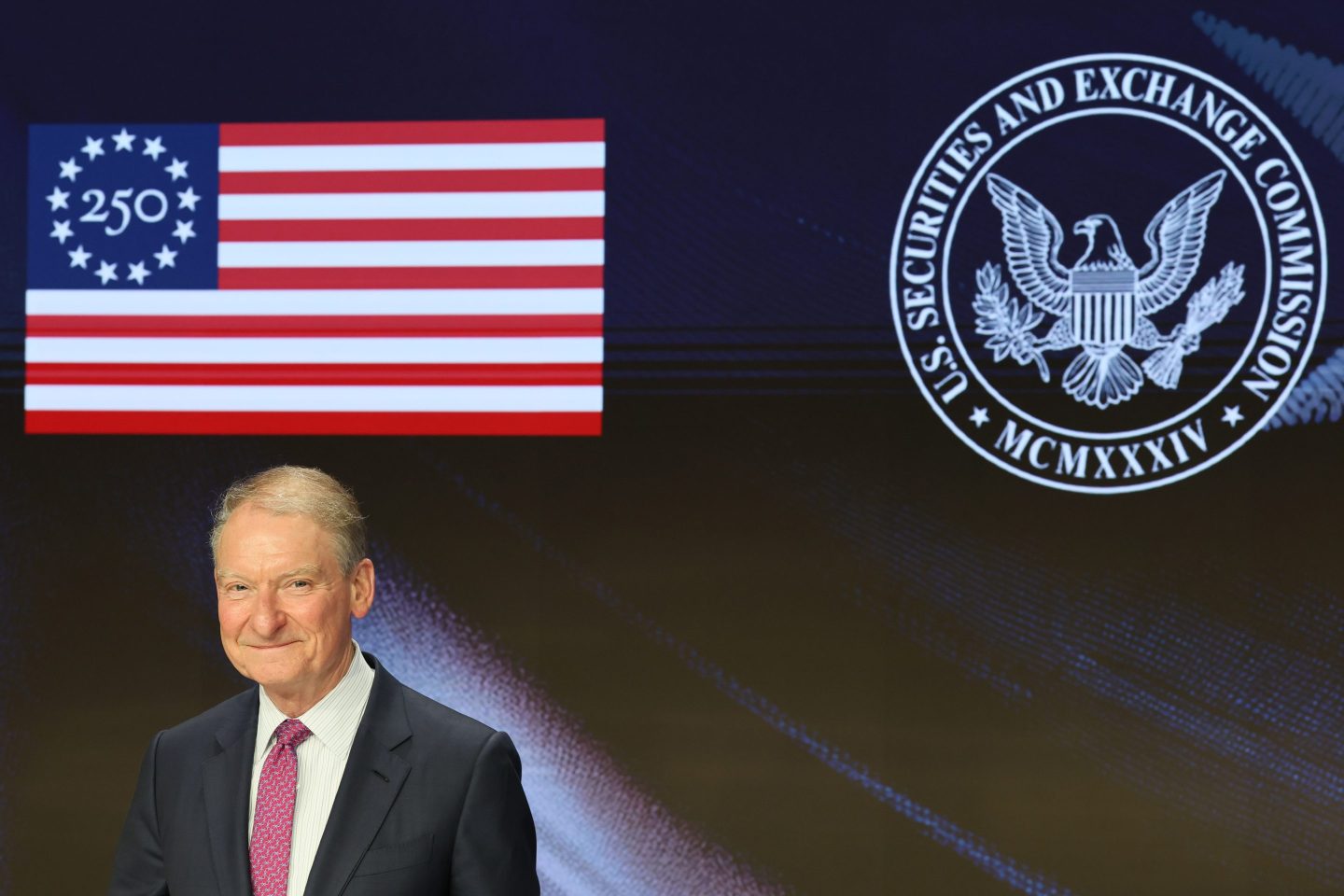
Turning public companies into private companies: the SEC’s retreat from transparency and accountability
By Andrew BeharDecember 5, 2025
3 days ago
Matt Rogers
CommentaryInfrastructure
I built the first iPhone with Steve Jobs. The AI industry is at risk of repeating an early smartphone mistake
By Matt RogersDecember 4, 2025
4 days ago
Jerome Powell
CommentaryFederal Reserve
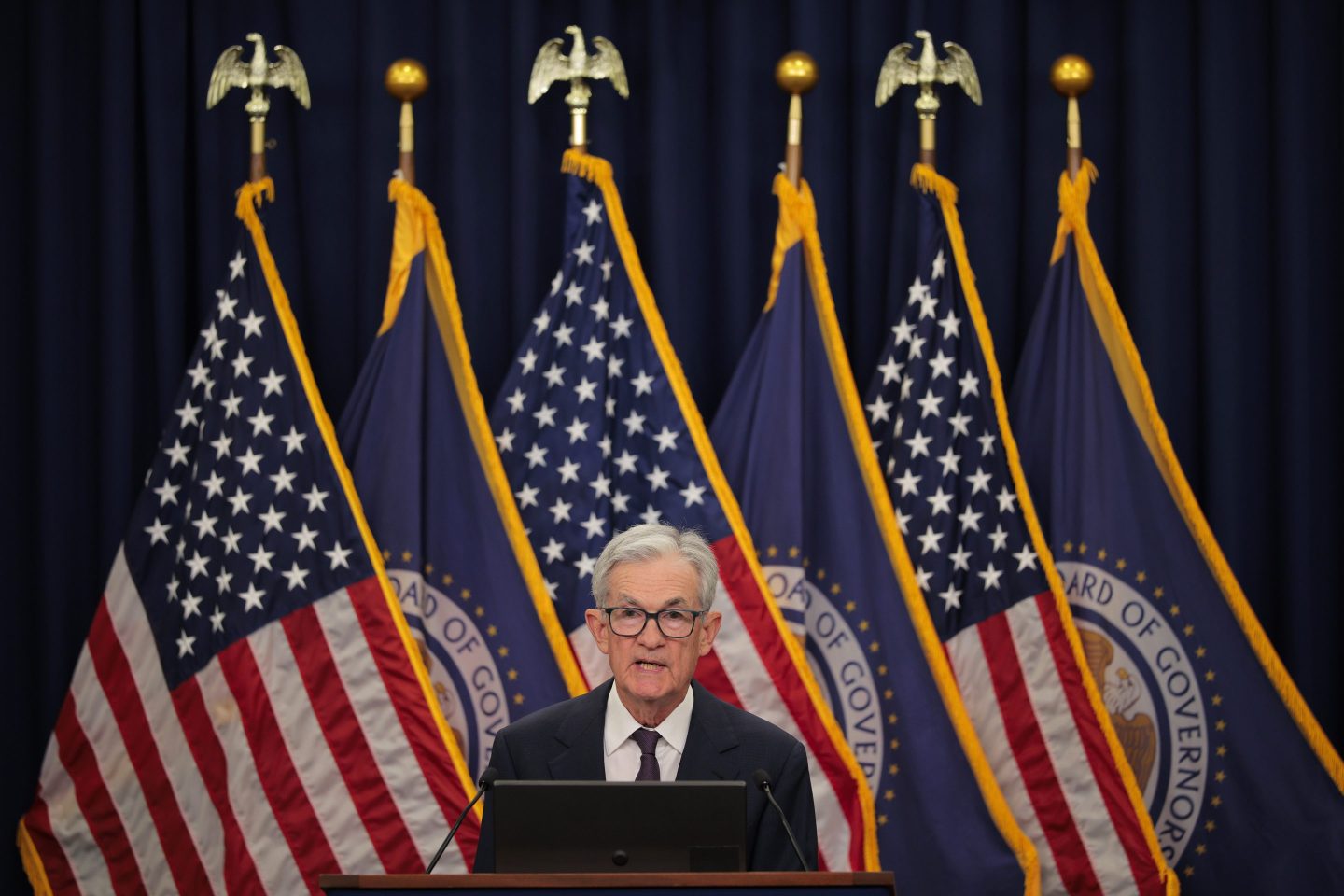
Fed officials like the mystique of being seen as financial technocrats, but it’s time to demystify the central bank
By Alexander William SalterDecember 4, 2025
4 days ago

Most Popular

placeholder alt text
Real Estate
The 'Great Housing Reset' is coming: Income growth will outpace home-price growth in 2026, Redfin forecasts
By Nino PaoliDecember 6, 2025
2 days ago
placeholder alt text
AI
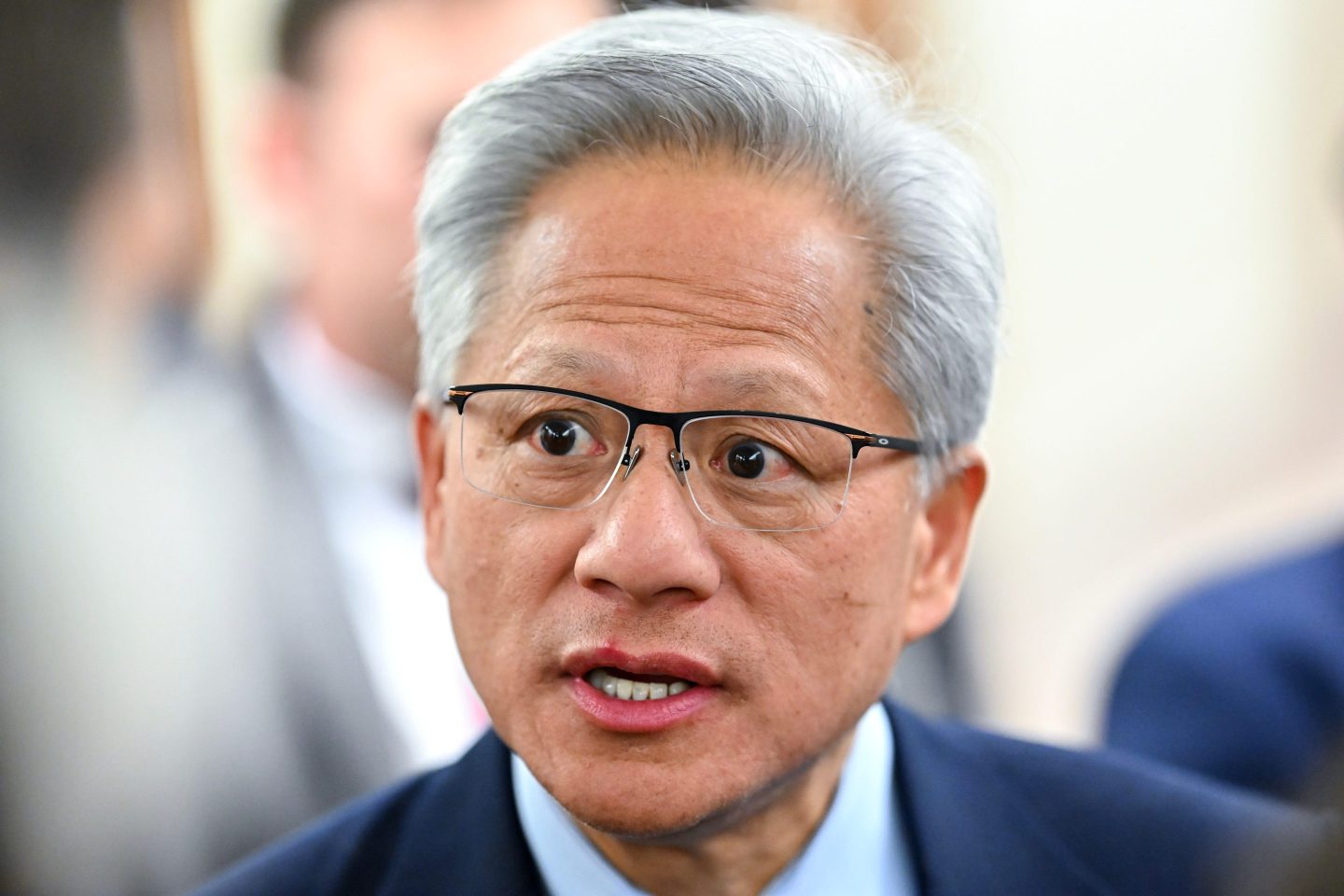
Nvidia CEO says data centers take about 3 years to construct in the U.S., while in China 'they can build a hospital in a weekend'
By Nino PaoliDecember 6, 2025
1 day ago
placeholder alt text
Economy
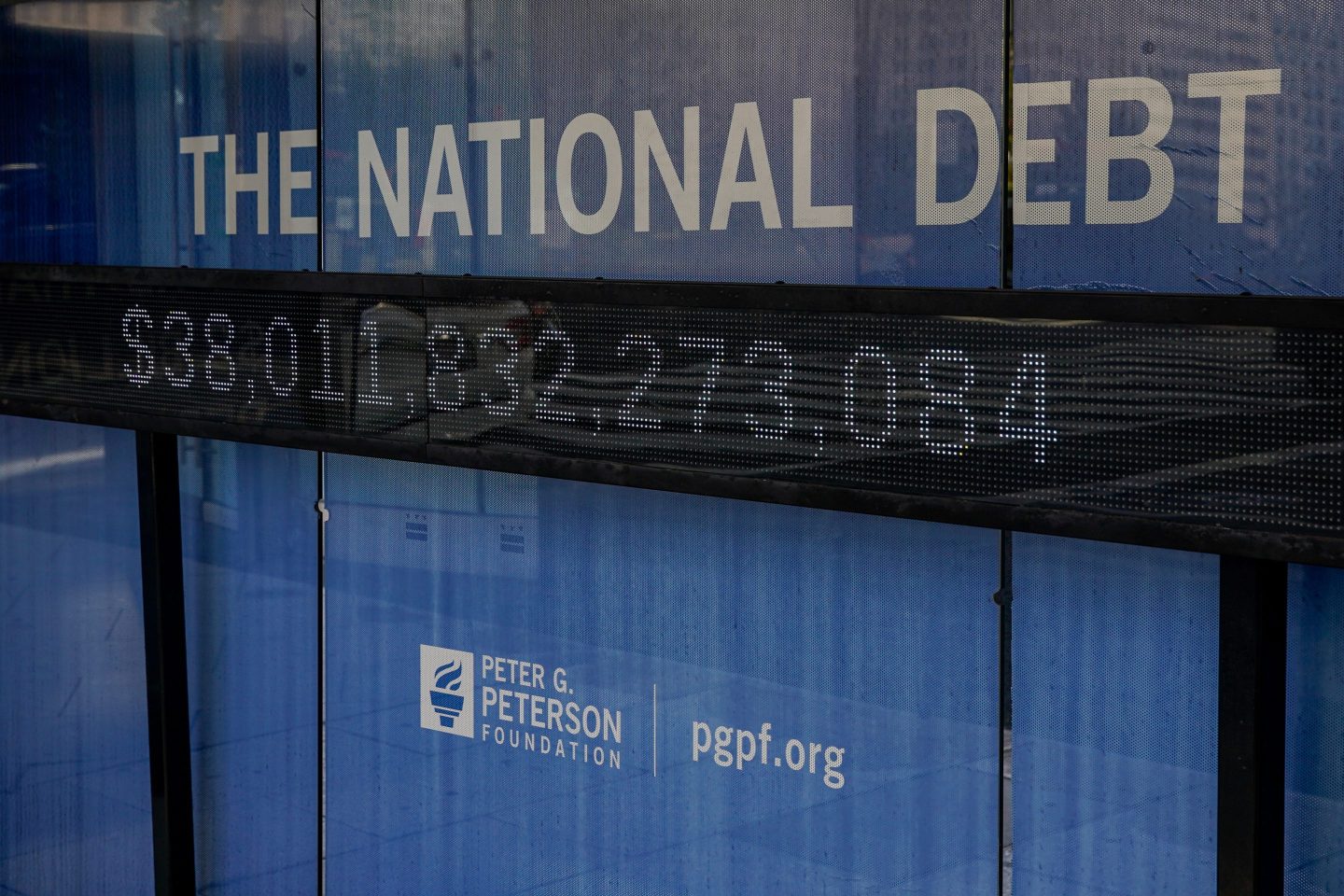
The most likely solution to the U.S. debt crisis is severe austerity triggered by a fiscal calamity, former White House economic adviser says
By Jason MaDecember 6, 2025
1 day ago
placeholder alt text
Big Tech
Mark Zuckerberg rebranded Facebook for the metaverse. Four years and $70 billion in losses later, he’s moving on
By Eva RoytburgDecember 5, 2025
2 days ago
placeholder alt text
Economy
JPMorgan CEO Jamie Dimon says Europe has a 'real problem’
By Katherine Chiglinsky and BloombergDecember 6, 2025
1 day ago
placeholder alt text
Uncategorized
Transforming customer support through intelligent AI operations
By Lauren ChomiukNovember 26, 2025
11 days ago
Rankings
  • 100 Best Companies
  • Fortune 500
  • Global 500
  • Fortune 500 Europe
  • Most Powerful Women
  • Future 50
  • World’s Most Admired Companies
  • See All Rankings
Sections
  • Finance
  • Leadership
  • Success
  • Tech
  • Asia
  • Europe
  • Environment
  • Fortune Crypto
  • Health
  • Retail
  • Lifestyle
  • Politics
  • Newsletters
  • Magazine
  • Features
  • Commentary
  • Mpw
  • CEO Initiative
  • Conferences
  • Personal Finance
  • Education
Customer Support
  • Frequently Asked Questions
  • Customer Service Portal
  • Privacy Policy
  • Terms Of Use
  • Single Issues For Purchase
  • International Print
Commercial Services
  • Advertising
  • Fortune Brand Studio
  • Fortune Analytics
  • Fortune Conferences
  • Business Development
About Us
  • About Us
  • Editorial Calendar
  • Press Center
  • Work At Fortune
  • Diversity And Inclusion
  • Terms And Conditions
  • Site Map

© 2025 Fortune Media IP Limited. All Rights Reserved. Use of this site constitutes acceptance of our Terms of Use and Privacy Policy | CA Notice at Collection and Privacy Notice | Do Not Sell/Share My Personal Information
FORTUNE is a trademark of Fortune Media IP Limited, registered in the U.S. and other countries. FORTUNE may receive compensation for some links to products and services on this website. Offers may be subject to change without notice.