• Home
  • News
  • Fortune 500
  • Tech
  • Finance
  • Leadership
  • Lifestyle
  • Rankings
  • Multimedia
Finance

Indian Companies Want to Sell U.S. Customers More Drugs

By
Laura Lorenzetti
Laura Lorenzetti
Down Arrow Button Icon
By
Laura Lorenzetti
Laura Lorenzetti
Down Arrow Button Icon
February 25, 2016, 12:55 PM ET
Exclusive Look At Pharmaceuticals Manufacturing Inside Lupin Ltd. Facility, India's Third-Largest Drugmaker
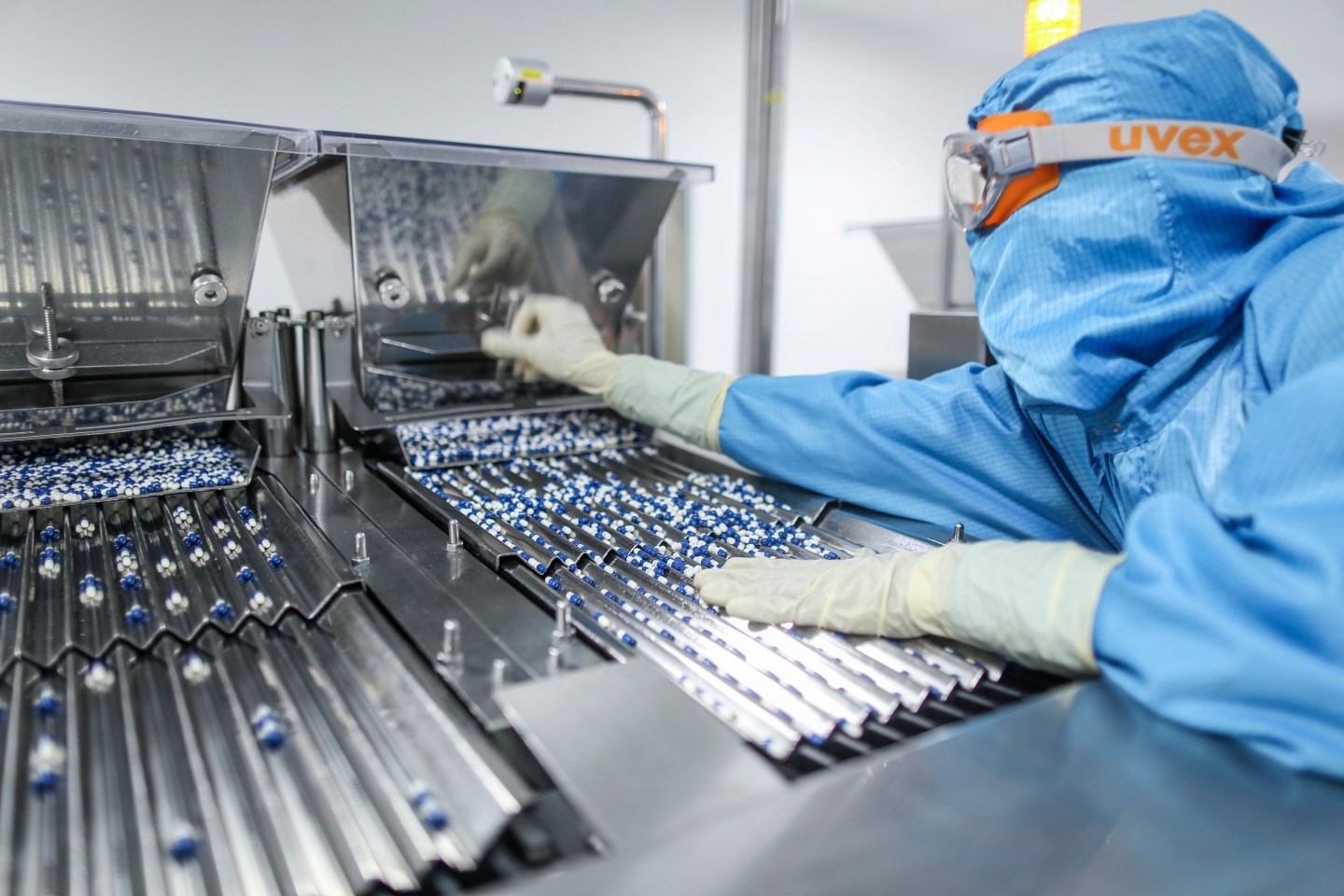
An employee operates machinery to arrange Duloxetine delayed-release capsules for packaging inside the packaging unit at the Lupin Ltd. pharmaceutical plant in Salcette, Goa, India, on Friday, Feb. 7, 2014. Lupin, founded by billionaire Desh Bandhu Gupta, expects to gain share in the U.S. amid increased regulatory oversight and curbs on competitors including Ranbaxy Laboratories Ltd. Photographer: Dhiraj Singh/Bloomberg via Getty ImagesPhotograph by Dhiraj Singh — Bloomberg via Getty Images

Indian pharmaceutical companies have been trying to get a bigger share of the U.S. generic drug market.

Last year, Indian drugmakers paid $1.5 billion to buy U.S. companies, according to Dealogic data. The reason for the heavy investment is likely due to the growth in the U.S. generic drug market, which is expected to reach $71.9 billion by 2018, reported the Wall Street Journal.

The investment follows a period of heightened concerns over Indian drug manufacturing practices. Buying American assets gives these companies more reputable production facilities and also allows them to enter more sophisticated products like painkillers. U.S. regulations require that powerful opioids and other controlled substances be manufactured domestically. So, without a stateside factory, Indian drugmakers would essentially be shut out. So the easiest way in is to buy assets.

Indian generic pharmaceutical companies now account for 19% of the U.S. generics market, up from 13% in 2010, according to the WSJ. Even though labor costs are significantly lower in India, the advantage of higher profit margins in the U.S. makes the American market an attractive target, especially as generic competition has heated up in India.

The result is more Indian firms acquiring stateside drugmakers, including India’s Lupin Pharmaceuticals and Cipla shelling out $900 million and $550 million, respectively, for U.S. generics makers in the last year.

About the Author
By Laura Lorenzetti
See full bioRight Arrow Button Icon
Rankings
  • 100 Best Companies
  • Fortune 500
  • Global 500
  • Fortune 500 Europe
  • Most Powerful Women
  • Future 50
  • World’s Most Admired Companies
  • See All Rankings
Sections
  • Finance
  • Leadership
  • Success
  • Tech
  • Asia
  • Europe
  • Environment
  • Fortune Crypto
  • Health
  • Retail
  • Lifestyle
  • Politics
  • Newsletters
  • Magazine
  • Features
  • Commentary
  • Mpw
  • CEO Initiative
  • Conferences
  • Personal Finance
  • Education
Customer Support
  • Frequently Asked Questions
  • Customer Service Portal
  • Privacy Policy
  • Terms Of Use
  • Single Issues For Purchase
  • International Print
Commercial Services
  • Advertising
  • Fortune Brand Studio
  • Fortune Analytics
  • Fortune Conferences
  • Business Development
About Us
  • About Us
  • Editorial Calendar
  • Press Center
  • Work At Fortune
  • Diversity And Inclusion
  • Terms And Conditions
  • Site Map

© 2025 Fortune Media IP Limited. All Rights Reserved. Use of this site constitutes acceptance of our Terms of Use and Privacy Policy | CA Notice at Collection and Privacy Notice | Do Not Sell/Share My Personal Information
FORTUNE is a trademark of Fortune Media IP Limited, registered in the U.S. and other countries. FORTUNE may receive compensation for some links to products and services on this website. Offers may be subject to change without notice.