• Home
  • News
  • Fortune 500
  • Tech
  • Finance
  • Leadership
  • Lifestyle
  • Rankings
  • Multimedia
Leadership

What a President Donald Trump Would Mean for the American Economy

Geoff Colvin
By
Geoff Colvin
Geoff Colvin
Senior Editor-at-Large
Down Arrow Button Icon
Geoff Colvin
By
Geoff Colvin
Geoff Colvin
Senior Editor-at-Large
Down Arrow Button Icon
February 24, 2016, 12:00 PM ET
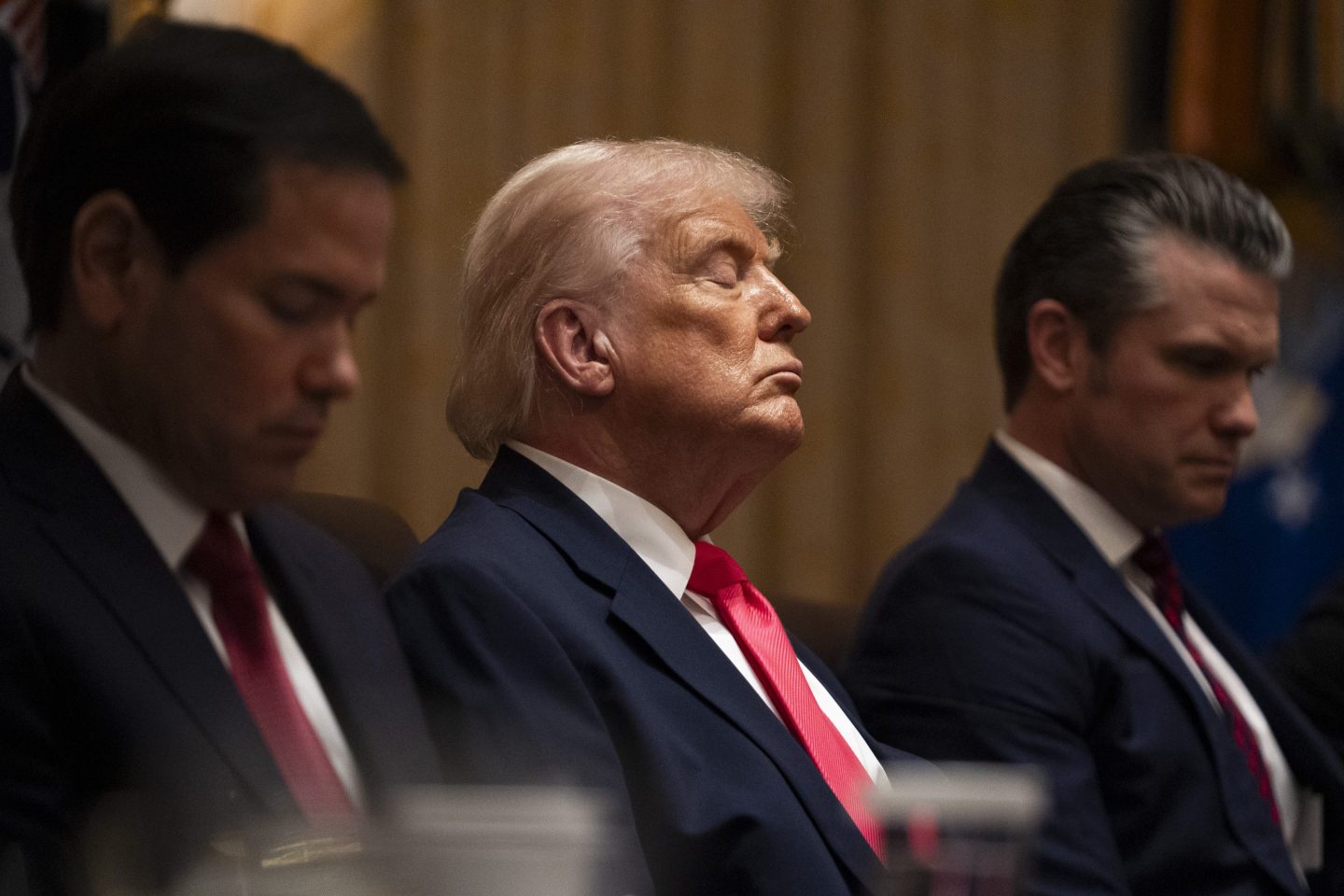
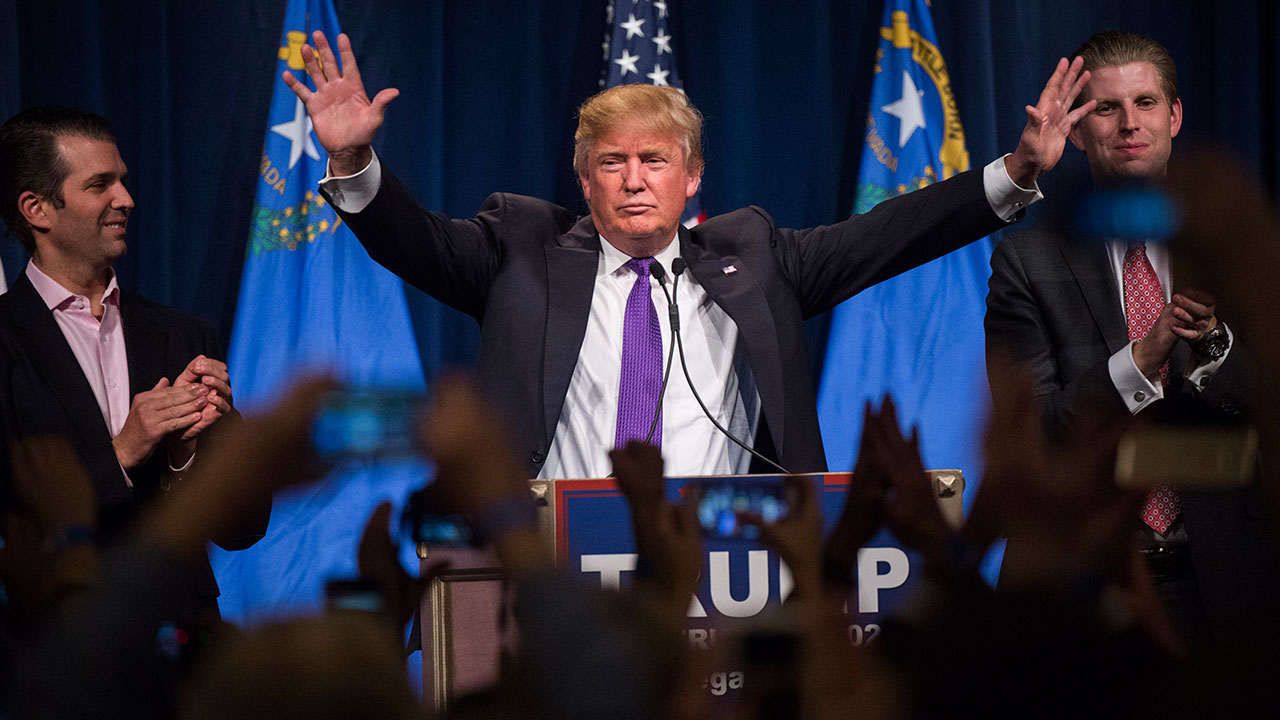
Photograph by Jabin Botsford/The Washington Post via Getty Images

I was talking with a group of farmers on Tuesday, and one of them asked me how I thought the U.S. economy would fare under a Trump presidency. I responded that it’s very difficult to say how anything or anyone would fare under a Trump presidency, since he has stated fewer clear policy positions than any other candidate, and even those have changed from time to time.

A larger point (which I didn’t go into) is that we Americans usually consider the economy the No. 1 issue in presidential elections, and we tend to judge candidates for the world’s most important leadership job on how we think they’d affect the economy. Yet the evidence of the past 70 years shows that presidents barely affect the economy at all.

That statement sounds extreme, and surely, you’re thinking, it can’t be true. Okay, let’s see how the economy has performed under all of America’s post-World War II presidents. We find that it has done much better under Democrats than Republicans. The most recent and comprehensive study, by Princeton’s Alan Blinder and Mark Watson, finds that the economy’s annual growth averaged 4.35% under Democrats and 2.54% under Republicans—an “astoundingly large” difference, they report.

Aha, you may say, Blinder worked in the Clinton White House and has often taken liberal positions on economic issues; maybe he put his thumb on the scale in doing the research. But no, a range of other researchers over the past several years have observed the same effect, and the evidence in Blinder and Watson’s paper is overwhelming.

Sign up for Power Sheet, Fortune’s daily morning newsletter on leaders and leadership.

So Democrats are better for the economy? Not necessarily. Even though the economy does better under Democratic presidents, it doesn’t follow that the president is the reason. In fact, Blinder and Watson conclude, “Democrats would no doubt like to attribute the large D-R [Democrat-Republican] growth gap to macroeconomic policy choices, but the data do not support such a claim.” Instead, they find, the difference arises mostly from “several variables that are mostly ‘good luck,’ with perhaps a touch of ‘good policy.’”

Other economists agree. Austan Goolsbee, former chairman of President Obama’s Council of Economic Advisers, has said, “I think the world vests too much power certainly in the president, probably in Washington in general, for its influence on the economy, because most all of the economy has nothing to do with the government.”

Bill Clinton liked to boast that America created far more jobs under Democratic presidents than under Republican ones, but even Democratic economists say no president deserves much credit (or blame) for changing job numbers.

Nonetheless, we voters will likely behave as usual, attributing the economy’s performance to the president and his party; voluminous research shows that the economy is a major factor in presidential election outcomes. And the candidates will certainly promise economic miracles; Trump, for example, says he’d be “the greatest jobs president that God ever created.” Let’s just take those promises for what they are: indicators, at best, of a candidate’s policy leanings, and very far from assurances of what a president would or could do.
About the Author
Geoff Colvin
By Geoff ColvinSenior Editor-at-Large
LinkedIn iconTwitter icon

Geoff Colvin is a senior editor-at-large at Fortune, covering leadership, globalization, wealth creation, the infotech revolution, and related issues.

See full bioRight Arrow Button Icon

Latest in Leadership

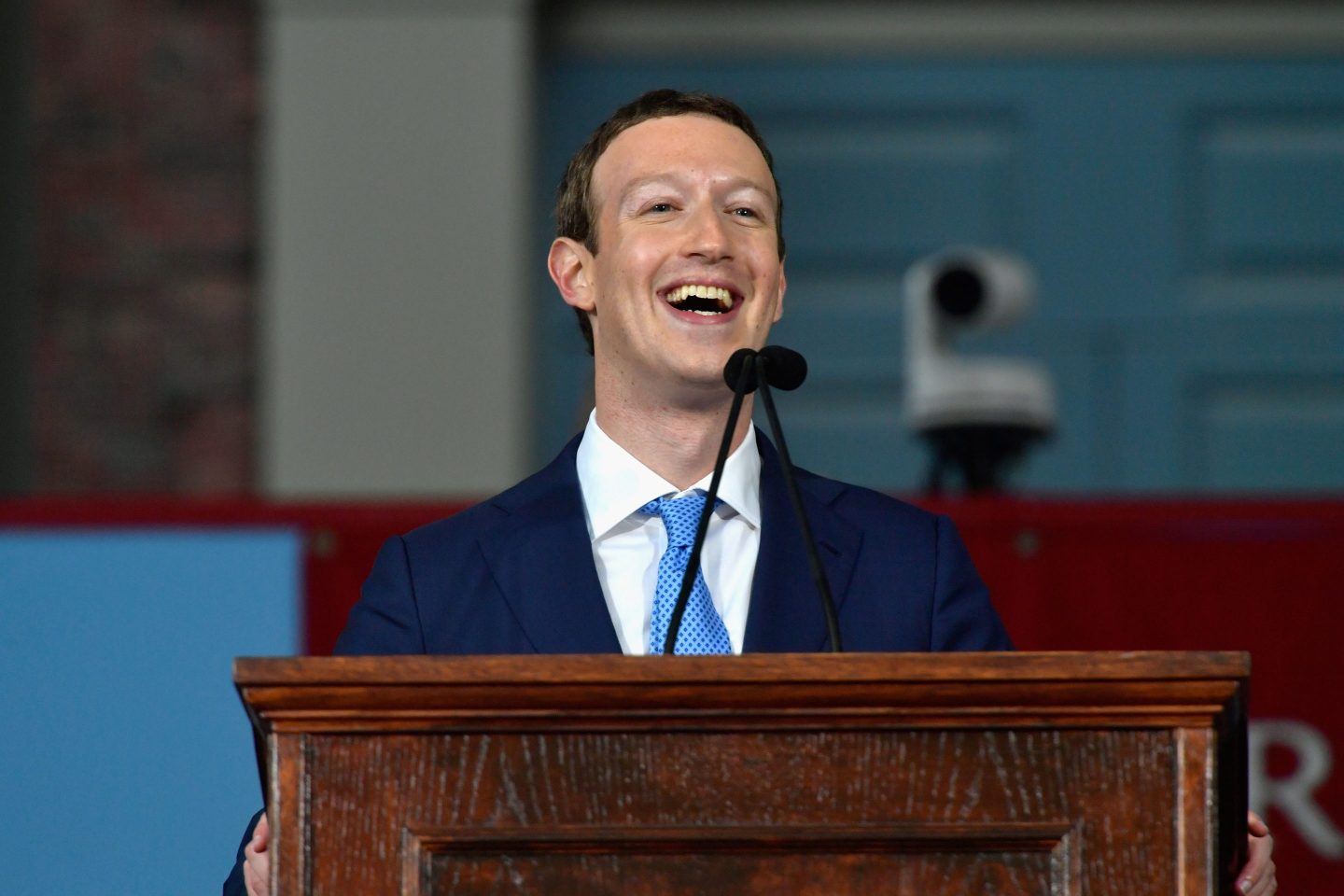
Mark Zuckerberg laughs during his 2017 Harvard commencement speech
SuccessMark Zuckerberg
Mark Zuckerberg says the ‘most important thing’ he built at Harvard was a prank website: ‘Without Facemash I wouldn’t have met Priscilla’
By Dave SmithDecember 6, 2025
1 hour ago
C-SuiteFortune 500 Power Moves
Fortune 500 Power Moves: Which executives gained and lost power this week
By Fortune EditorsDecember 5, 2025
18 hours ago
Construction workers are getting a salary bump for working on data center projects during the AI boom.
AIU.S. economy
Construction workers are earning up to 30% more and some are nabbing six-figure salaries in the data center boom
By Nino PaoliDecember 5, 2025
18 hours ago
Young family stressed over finances
SuccessWealth
People making six-figure salaries used to be considered rich—now households earning nearly $200K a year aren’t considered upper-class in some states
By Emma BurleighDecember 5, 2025
18 hours ago
Reed Hastings
SuccessCareers
Netflix cofounder started his career selling vacuums door-to-door before college—now, his $440 billion streaming giant is buying Warner Bros. and HBO
By Preston ForeDecember 5, 2025
19 hours ago
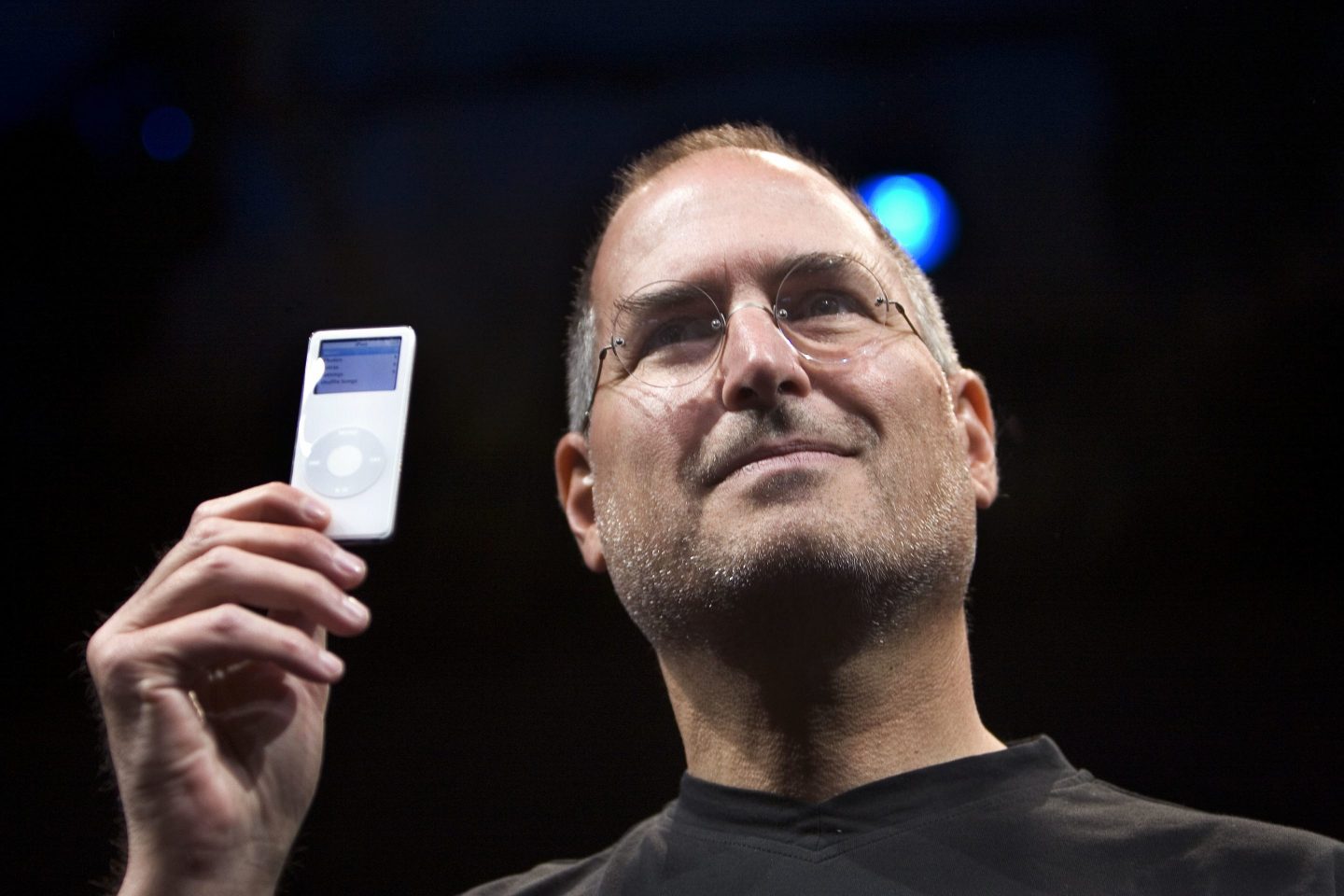
Steve Jobs holds up the first iPod Nano
Big TechApple
Apple is experiencing its biggest leadership shake-up since Steve Jobs died, with over half a dozen key executives headed for the exits
By Dave SmithDecember 5, 2025
20 hours ago

Most Popular

placeholder alt text
Economy
Two months into the new fiscal year and the U.S. government is already spending more than $10 billion a week servicing national debt
By Eleanor PringleDecember 4, 2025
2 days ago
placeholder alt text
Success
‘Godfather of AI’ says Bill Gates and Elon Musk are right about the future of work—but he predicts mass unemployment is on its way
By Preston ForeDecember 4, 2025
2 days ago
placeholder alt text
Success
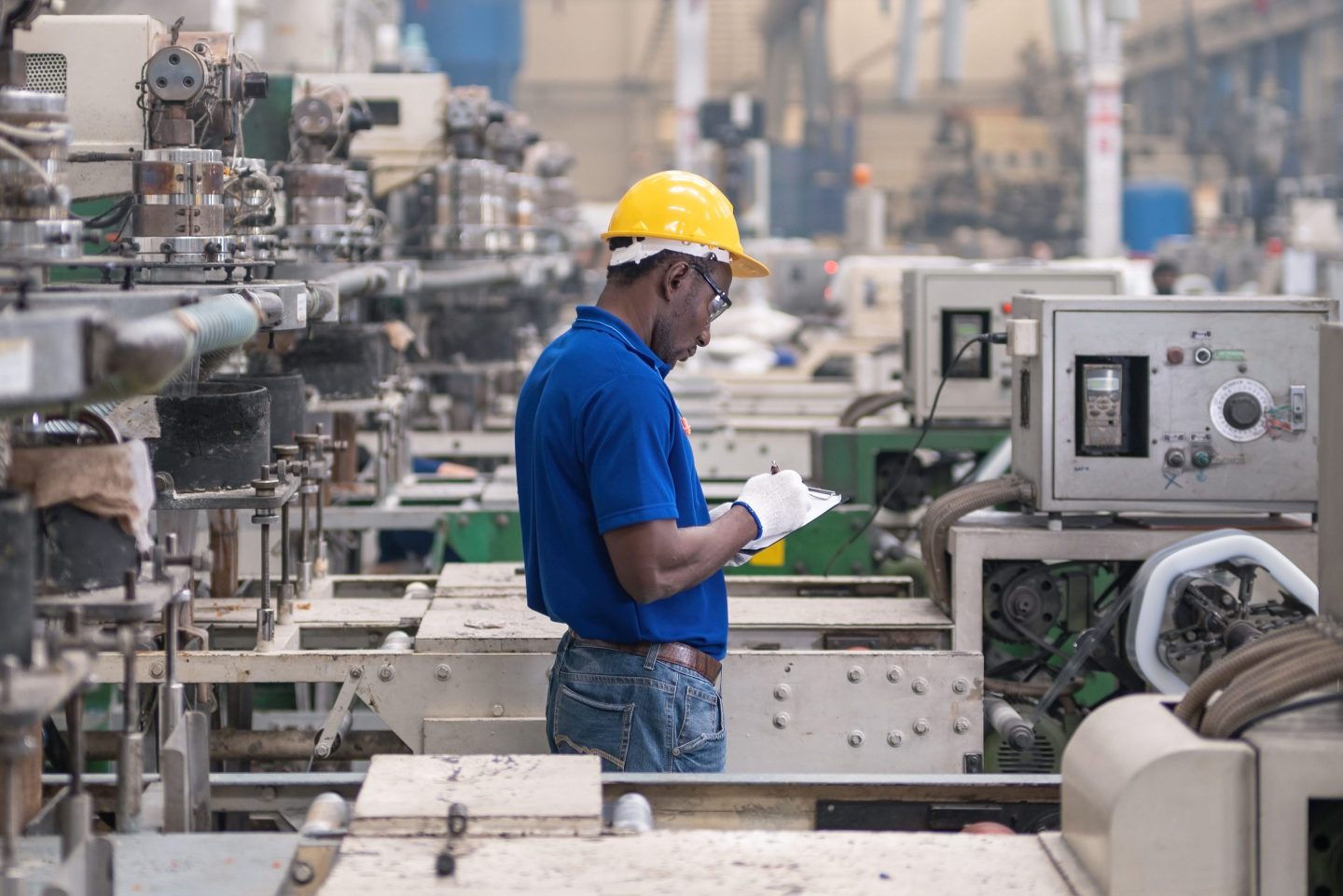
Nearly 4 million new manufacturing jobs are coming to America as boomers retire—but it's the one trade job Gen Z doesn't want
By Emma BurleighDecember 4, 2025
2 days ago
placeholder alt text
Success
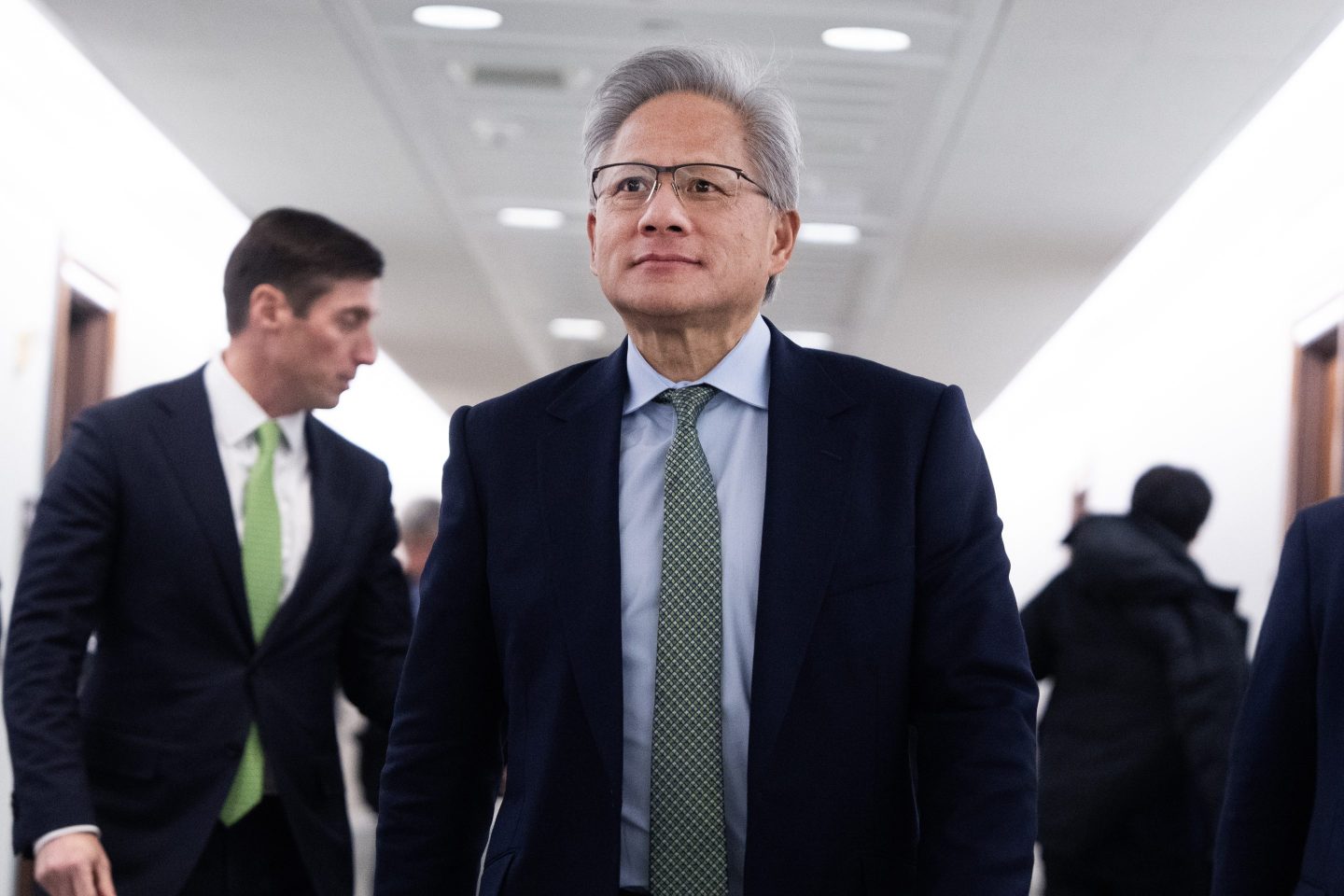
Nvidia CEO Jensen Huang admits he works 7 days a week, including holidays, in a constant 'state of anxiety' out of fear of going bankrupt
By Jessica CoacciDecember 4, 2025
2 days ago
placeholder alt text
Real Estate
‘There is no Mamdani effect’: Manhattan luxury home sales surge after mayoral election, undercutting predictions of doom and escape to Florida
By Sasha RogelbergDecember 4, 2025
2 days ago
placeholder alt text
Big Tech
Mark Zuckerberg rebranded Facebook for the metaverse. Four years and $70 billion in losses later, he’s moving on
By Eva RoytburgDecember 5, 2025
18 hours ago
Rankings
  • 100 Best Companies
  • Fortune 500
  • Global 500
  • Fortune 500 Europe
  • Most Powerful Women
  • Future 50
  • World’s Most Admired Companies
  • See All Rankings
Sections
  • Finance
  • Leadership
  • Success
  • Tech
  • Asia
  • Europe
  • Environment
  • Fortune Crypto
  • Health
  • Retail
  • Lifestyle
  • Politics
  • Newsletters
  • Magazine
  • Features
  • Commentary
  • Mpw
  • CEO Initiative
  • Conferences
  • Personal Finance
  • Education
Customer Support
  • Frequently Asked Questions
  • Customer Service Portal
  • Privacy Policy
  • Terms Of Use
  • Single Issues For Purchase
  • International Print
Commercial Services
  • Advertising
  • Fortune Brand Studio
  • Fortune Analytics
  • Fortune Conferences
  • Business Development
About Us
  • About Us
  • Editorial Calendar
  • Press Center
  • Work At Fortune
  • Diversity And Inclusion
  • Terms And Conditions
  • Site Map

© 2025 Fortune Media IP Limited. All Rights Reserved. Use of this site constitutes acceptance of our Terms of Use and Privacy Policy | CA Notice at Collection and Privacy Notice | Do Not Sell/Share My Personal Information
FORTUNE is a trademark of Fortune Media IP Limited, registered in the U.S. and other countries. FORTUNE may receive compensation for some links to products and services on this website. Offers may be subject to change without notice.