• Home
  • News
  • Fortune 500
  • Tech
  • Finance
  • Leadership
  • Lifestyle
  • Rankings
  • Multimedia
TechCybersecurity

How this CEO avoided getting conned in a wire transfer scam

Robert Hackett
By
Robert Hackett
Robert Hackett
Down Arrow Button Icon
Robert Hackett
By
Robert Hackett
Robert Hackett
Down Arrow Button Icon
October 13, 2015, 2:05 PM ET
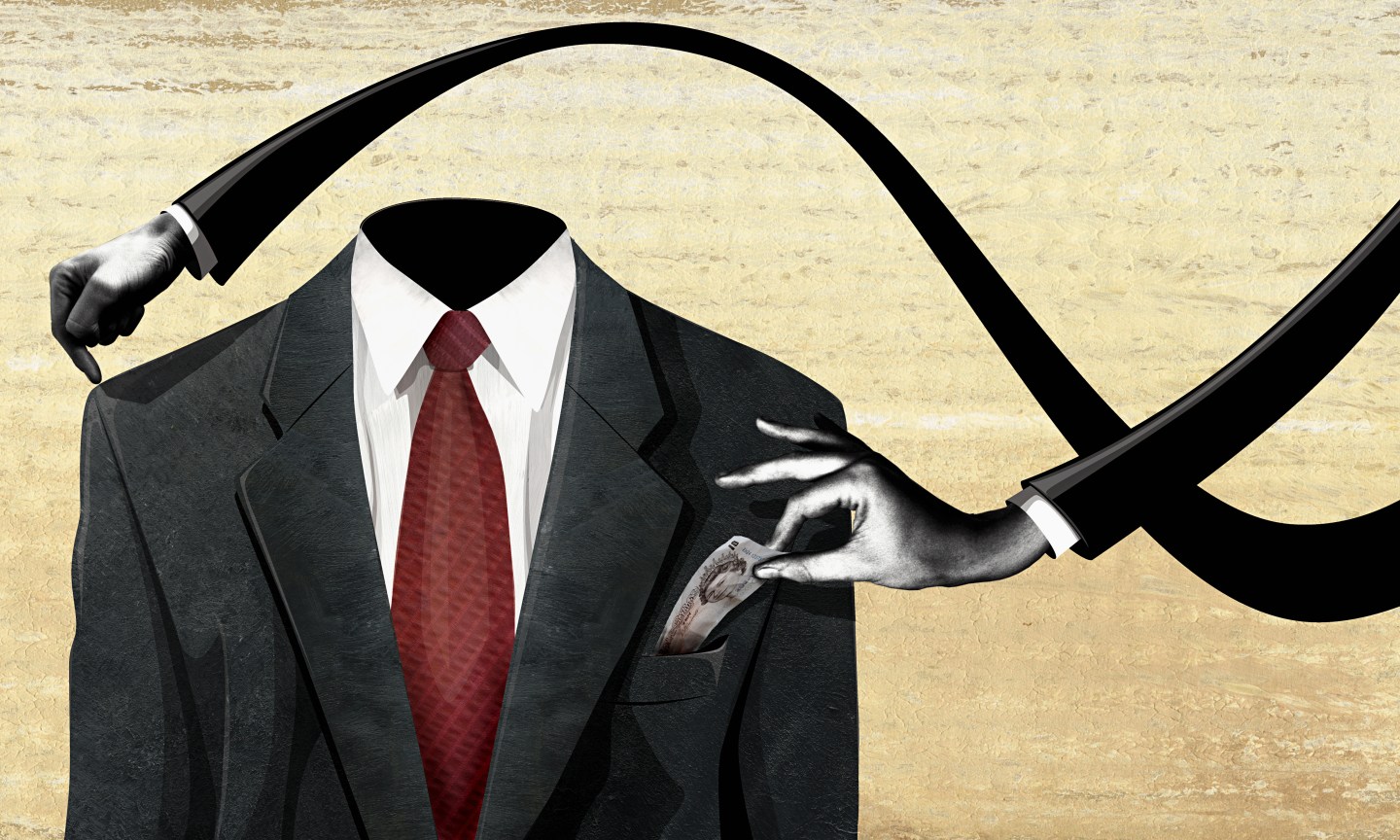
Arms taking money from businessman's pocket
Arms taking money from businessman's pocketPhotograph by Simon Brader—Getty Images/Ikon Images

Why rob a bank when you can dupe someone into doing it for you?

Lately, crooks have been fooling businesspeople into forking over their corporate funds this way. “CEO fraud” or “business email compromise,” as the scam is known, has become a popular trick: Send an email (from a hacked employee account or spoofed domain) pretending to be an executive, and con the recipient (preferably an unquestioning subordinate) into transferring some amount of money.

In the U.S. alone over the past two years, as much as $750 million has been lost to wire fraudsters, reports the Federal Bureau of Investigation.

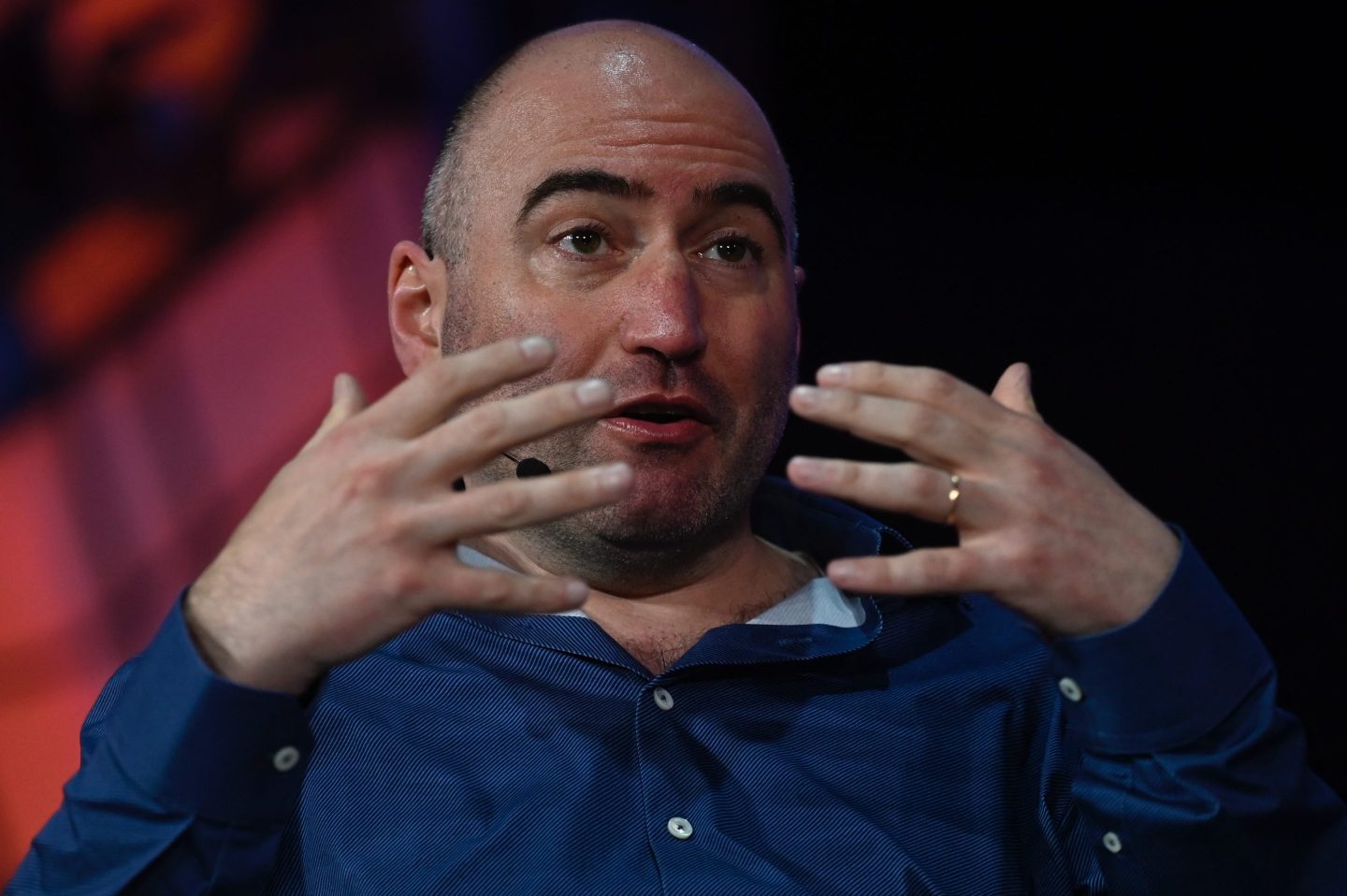
Tom Kemp, CEO of computer security firm Centrify, says his company is often targeted with these kinds of attacks. “I now regularly experience various forms of sophisticated attempts to get us to transfer money to crooks,” he writes in a blog post on his company’s website. “We are now getting one of these scam emails per week.”

The first attempt happened in Feb. 2014, he says, when his vice president of finance received a wire transfer request, apparently from the company’s chief financial officer. “Process a wire of $357,493.41 to the attached account information,” read the message, which contained a PDF attachment purporting to contain further instructions. “Let it be coded admin expense. Send me the confirmation when completed.”

“Thanks,” the message continued, ostensibly bearing a sign-off from Centrify CFO Timothy Steinkopf: “Tim.”

Below that, the email contained an apparently forwarded note, what might have seemed like an original request from Kemp. “Per our conversation, attached is the wiring instructions for the wire,” the note, allegedly authored by the CEO, said. “I’ll send the documentation later on. Let me know when done.”

The VP of finance, whose inbox had been targeted, looped in other people at the company for approval. When the request made its way to the real Kemp and Steinkopf, it became obvious that something fishy (well, phishy) was going on. “After squinting our eyes a few times, we immediately deduced that the email was sent from a look-alike domain called ‘centrilfy.com’ which looks a lot like ‘centrify.com,'” Kemp writes. So they called the FBI.

Meanwhile, the imposter became impatient. “Whats happening with the wire? I need to know,” a follow-up email read.

Kemp relished the irony: “It was somewhat amusing to have an attempted crime playing out while we were on hold with the FBI trying to report that crime.”

“That was the first of many attempts to scam us,” Kemp writes before detailing a handful of other examples, all drawn from personal experience this year. Common phrases in the fraudulent emails include “urgent payment,” “needs to go out today,” “need you to take care of,” “process,” “now.” The requests are typically short, informal, and pressing.

Kemp’s tips for avoiding wire traps? He’s got a few: Get approvals, cross check with accounting, use multi-factor authentication (a service his company offers, of course, as do rivals such as Duo, Okta, RSA, and Authy), and take domain names similar to the one used by your organization off the market by snatching them up. For example: the marketing or IT teams at Fortune.com might choose to buy “F0rtune.com,” where the “o” has been replaced by a zero.

By the way, dear reader: Your CFO asked me to tell you to wire money to my personal bank account. No rush, though—whenever you get a chance.

Subscribe to Data Sheet, Fortune’s daily newsletter on the business of technology.

For more on email cybersecurity, watch this video.

About the Author
Robert Hackett
By Robert Hackett
Instagram iconLinkedIn iconTwitter icon
See full bioRight Arrow Button Icon

Latest in Tech

InnovationBrainstorm Design
Procurement execs often don’t understand the value of good design, experts say
By Angelica AngDecember 8, 2025
10 minutes ago
Big TechStreaming
Trump warns Netflix-Warner deal may pose antitrust ‘problem’
By Hadriana Lowenkron, Se Young Lee and BloombergDecember 7, 2025
9 hours ago
Big TechOpenAI
OpenAI goes from stock market savior to burden as AI risks mount
By Ryan Vlastelica and BloombergDecember 7, 2025
9 hours ago
AIData centers
HP’s chief commercial officer predicts the future will include AI-powered PCs that don’t share data in the cloud
By Nicholas GordonDecember 7, 2025
11 hours ago
Future of WorkJamie Dimon
Jamie Dimon says even though AI will eliminate some jobs ‘maybe one day we’ll be working less hard but having wonderful lives’
By Jason MaDecember 7, 2025
15 hours ago
CryptoCryptocurrency
So much of crypto is not even real—but that’s starting to change
By Pete Najarian and Joe BruzzesiDecember 7, 2025
20 hours ago

Most Popular

placeholder alt text
Real Estate
The 'Great Housing Reset' is coming: Income growth will outpace home-price growth in 2026, Redfin forecasts
By Nino PaoliDecember 6, 2025
2 days ago
placeholder alt text
AI
Nvidia CEO says data centers take about 3 years to construct in the U.S., while in China 'they can build a hospital in a weekend'
By Nino PaoliDecember 6, 2025
2 days ago
placeholder alt text
Economy
The most likely solution to the U.S. debt crisis is severe austerity triggered by a fiscal calamity, former White House economic adviser says
By Jason MaDecember 6, 2025
1 day ago
placeholder alt text
Economy
JPMorgan CEO Jamie Dimon says Europe has a 'real problem’
By Katherine Chiglinsky and BloombergDecember 6, 2025
1 day ago
placeholder alt text
Politics
Supreme Court to reconsider a 90-year-old unanimous ruling that limits presidential power on removing heads of independent agencies
By Mark Sherman and The Associated PressDecember 7, 2025
17 hours ago
placeholder alt text
Big Tech
Mark Zuckerberg rebranded Facebook for the metaverse. Four years and $70 billion in losses later, he’s moving on
By Eva RoytburgDecember 5, 2025
3 days ago
Rankings
  • 100 Best Companies
  • Fortune 500
  • Global 500
  • Fortune 500 Europe
  • Most Powerful Women
  • Future 50
  • World’s Most Admired Companies
  • See All Rankings
Sections
  • Finance
  • Leadership
  • Success
  • Tech
  • Asia
  • Europe
  • Environment
  • Fortune Crypto
  • Health
  • Retail
  • Lifestyle
  • Politics
  • Newsletters
  • Magazine
  • Features
  • Commentary
  • Mpw
  • CEO Initiative
  • Conferences
  • Personal Finance
  • Education
Customer Support
  • Frequently Asked Questions
  • Customer Service Portal
  • Privacy Policy
  • Terms Of Use
  • Single Issues For Purchase
  • International Print
Commercial Services
  • Advertising
  • Fortune Brand Studio
  • Fortune Analytics
  • Fortune Conferences
  • Business Development
About Us
  • About Us
  • Editorial Calendar
  • Press Center
  • Work At Fortune
  • Diversity And Inclusion
  • Terms And Conditions
  • Site Map

© 2025 Fortune Media IP Limited. All Rights Reserved. Use of this site constitutes acceptance of our Terms of Use and Privacy Policy | CA Notice at Collection and Privacy Notice | Do Not Sell/Share My Personal Information
FORTUNE is a trademark of Fortune Media IP Limited, registered in the U.S. and other countries. FORTUNE may receive compensation for some links to products and services on this website. Offers may be subject to change without notice.