• Home
  • News
  • Fortune 500
  • Tech
  • Finance
  • Leadership
  • Lifestyle
  • Rankings
  • Multimedia
Retail

Why El Niño might make your latte cost more

By
Money
Money
and
Brad Tuttle
Brad Tuttle
Down Arrow Button Icon
By
Money
Money
and
Brad Tuttle
Brad Tuttle
Down Arrow Button Icon
September 3, 2015, 12:25 PM ET
477481251
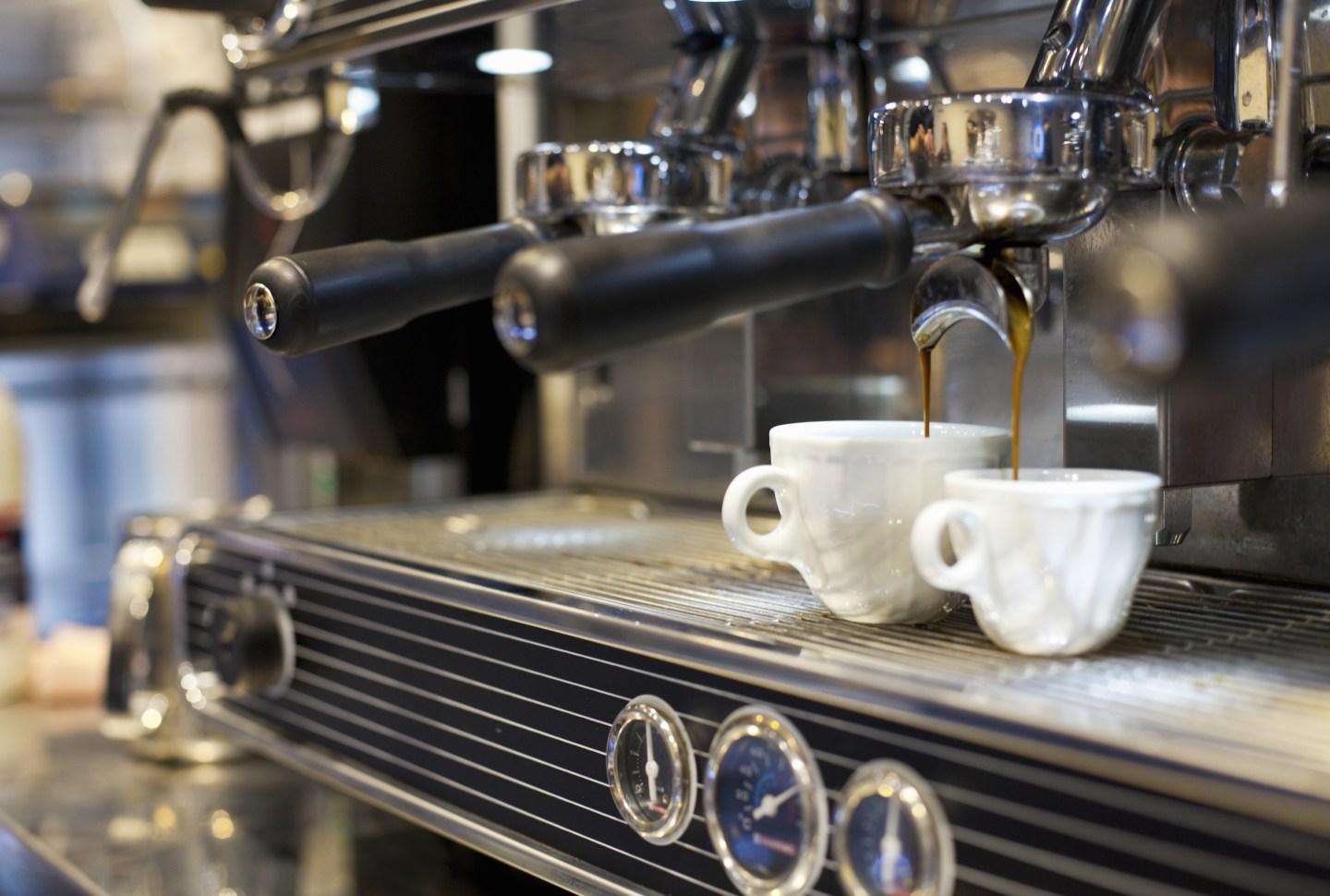
espresso machine pouring coffee into cupsPhotograph by Kathrin Ziegler — Getty Images

Meteorologists are raising their eyebrows at the El Niño currently underway in the tropical Pacific, saying it may be the strongest on record since the 1950s. But they’re not the only ones worried.

A Bloomberg Markets report Tuesday said that the news is also “making Starbucks nervous.”

That’s because El Niño, a weather event in which ocean surface temperatures in the equatorial Pacific warm and cause all sorts of extremes, is often associated with serious shifts in temperature and precipitation. This year, scientists are predicting that it will bring about torrential rainfall and severe flooding in eastern Africa, affecting the continent’s largest coffee exporter, Uganda, along with other important producers in the region.

Overly wet conditions may get in the way of coffee beans flowering, prevent the beans from drying adequately after the harvest, and make coffee crops more susceptible to fungal diseases, such as the Coffee Berry Disease, industry officials told the Mail & Guardian Africa.

Bloomberg reported that Starbucks, which has long imported some of its beans from the region, and as of Aug. 31st, sells “Sipi Falls” single-origin Arabica beans sourced from Uganda, is large enough and stocks its coffee far enough in advance that it should be insulated from severe price shocks in the near future. But other coffee importers may be less lucky.

Economists are predicting that coffee prices could rise by up to 107%, and that staples such as rice, chocolate, and soya will also be more expensive. These higher commodity prices could mean higher food for consumers. That’s especially bad news for developing countries who rely heavily on imported food. It’s not great for your grocery and coffee shop bills, either.

About the Authors
By Money
See full bioRight Arrow Button Icon
By Brad Tuttle
See full bioRight Arrow Button Icon
Rankings
  • 100 Best Companies
  • Fortune 500
  • Global 500
  • Fortune 500 Europe
  • Most Powerful Women
  • Future 50
  • World’s Most Admired Companies
  • See All Rankings
Sections
  • Finance
  • Leadership
  • Success
  • Tech
  • Asia
  • Europe
  • Environment
  • Fortune Crypto
  • Health
  • Retail
  • Lifestyle
  • Politics
  • Newsletters
  • Magazine
  • Features
  • Commentary
  • Mpw
  • CEO Initiative
  • Conferences
  • Personal Finance
  • Education
Customer Support
  • Frequently Asked Questions
  • Customer Service Portal
  • Privacy Policy
  • Terms Of Use
  • Single Issues For Purchase
  • International Print
Commercial Services
  • Advertising
  • Fortune Brand Studio
  • Fortune Analytics
  • Fortune Conferences
  • Business Development
About Us
  • About Us
  • Editorial Calendar
  • Press Center
  • Work At Fortune
  • Diversity And Inclusion
  • Terms And Conditions
  • Site Map

© 2025 Fortune Media IP Limited. All Rights Reserved. Use of this site constitutes acceptance of our Terms of Use and Privacy Policy | CA Notice at Collection and Privacy Notice | Do Not Sell/Share My Personal Information
FORTUNE is a trademark of Fortune Media IP Limited, registered in the U.S. and other countries. FORTUNE may receive compensation for some links to products and services on this website. Offers may be subject to change without notice.