• Home
  • Latest
  • Fortune 500
  • Finance
  • Tech
  • Leadership
  • Lifestyle
  • Rankings
  • Multimedia
Starbucks

Starbucks wants your phone as much as it wants to sell you coffee

By
John Kell
John Kell
Contributing Writer and author of CIO Intelligence
Down Arrow Button Icon
By
John Kell
John Kell
Contributing Writer and author of CIO Intelligence
Down Arrow Button Icon
July 24, 2015, 12:03 PM ET
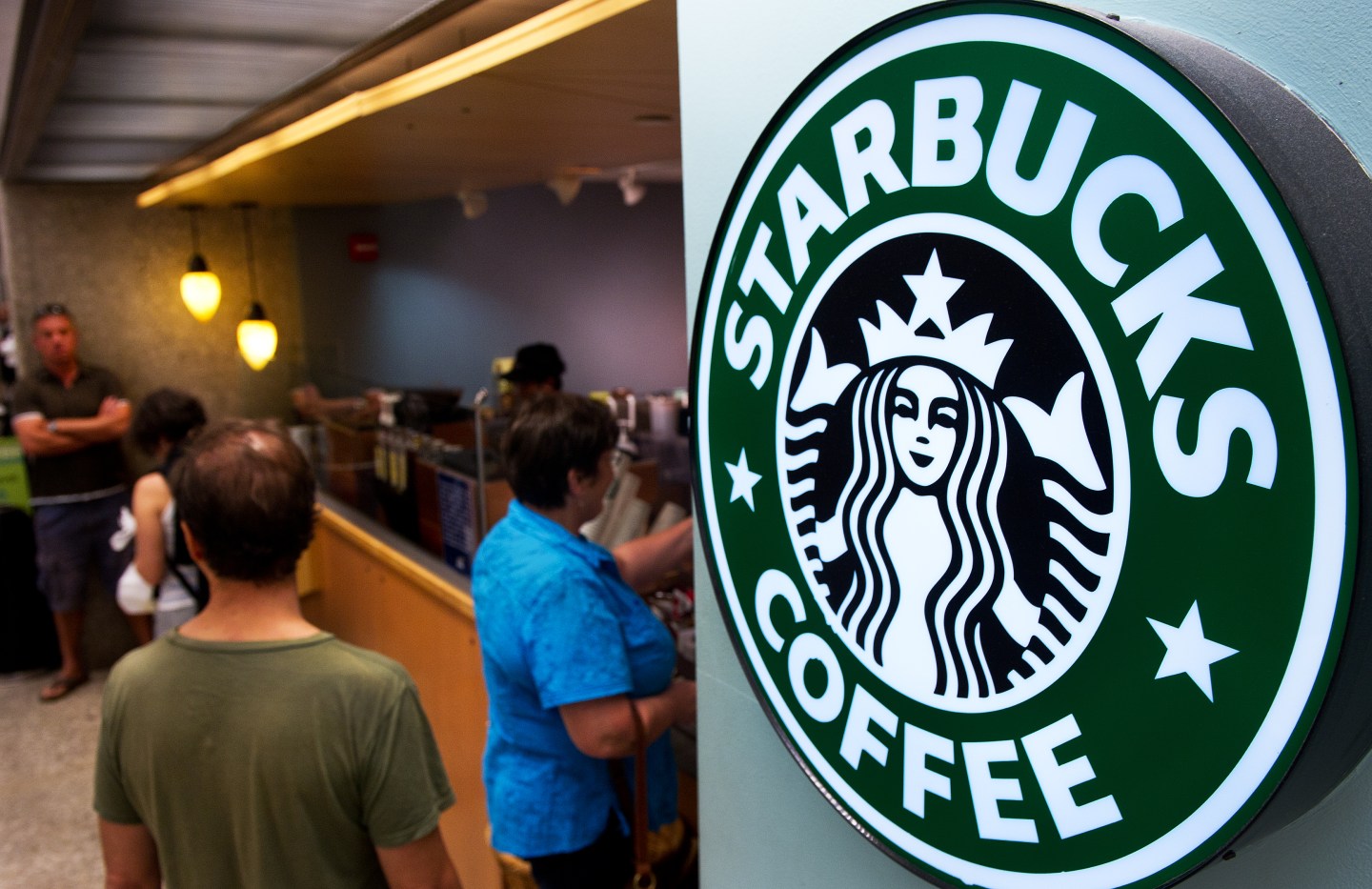
Customers queue for coffee at Starbucks
Customers queue for coffee at Starbucks Coffee inside the Dulles International Airport complex on August 30, 2011 in Dulles, Virginia, near Washington, DC. AFP Photo/Paul J. Richards (Photo credit should read PAUL J. RICHARDS/AFP/Getty Images)Photograph by Paul J. Richards — AFP/Getty Images

Starbucks’ mobile investments helped the coffee giant report venti-sized profits and sales.

Starbucks (SBUX) on Thursday reported a stellar fiscal third quarter report that sent the company’s shares to fresh all-time highs. Same-store sales were up 8% globally, bolstered by a 9% increase in the U.S. as traffic dramatically increased. All regions performed well, and for the upcoming fiscal 2014 Starbucks projected revenue will increase about 10% to 13% bolstered by new store openings and growth as existing locations.

But the coffee giant’s executives talked more about investments in mobile rather than discuss the latest coffee or tea brews.

That’s because Starbucks says investments in the mobile experience, including a growing loyalty card program and digital payment apps, are what’s helping power the company’s growth.

“Mobile order and pay is enabling us to serve more customers more quickly and efficiently and to significantly reduce attrition off the line,” Chairman and CEO Howard Schultz told analysts.

Starbucks tossed out a few key statistics to make its case for why investments in mobile, while costly, are a worthy expense. The “My Starbucks Rewards” loyalty program now has 10.4 million active members, up 28% from a year ago, and those shoppers now account for about 30% of business in North America. Mobile payments account for 20% of all in-store transactions in the U.S., more than double the figure Starbucks reported two years ago. The company has also signed up recent partnerships with The New York Times, music streaming service Spotify and ride-sharing startup Lyft in an attempt to win over even more coffee and tea lovers.

Schultz pointed to comments he made two years ago when he noted that traditional brick and mortar retailers needed to recognize that there was a shift in consumer behavior when it came to mobile. He said most competitors invested in digital advertising, but Starbucks has spent money on improving the in-store experience by adding mobile to the check out and even in limited markets, ordering.

This shouldn’t be a surprise, as Starbucks was always ahead of the curve. It introduced WiFi in its stores back in 2001, and at that time, even charged for the service (it is now free). The rationale was that if coffee lovers were using Starbucks restaurants for their Internet needs, they’d spend some money on drinks and food while spending time in Starbucks’ restaurants. Not all investments outside of the coffee experience paid off (the first WiFi provider went bankrupt and a music label shut down). But Starbucks should get some credit for thinking ahead of the pack.

“Mobile order & pay continues to be one of SBUX’s most exciting digital initiatives and is expanding nationwide by the holiday season this year,” said Wells Fargo analyst Bonnie Herzog in a research note. Herzog said even despite Starbucks’ investments for this fiscal year, most notably to support the company’s “digital ecosystem,” she believed the coffee company was poised “to deliver strong results through innovation and its vast international opportunity, setting the stage for further incremental growth in FY16 and beyond.”
[fortune-brightcove videoid=4367918822001]

About the Author
By John KellContributing Writer and author of CIO Intelligence

John Kell is a contributing writer for Fortune and author of Fortune’s CIO Intelligence newsletter.

See full bioRight Arrow Button Icon

Latest in Retail

millennial
CommentaryConsumer Spending
Meet the 2025 holiday white whale: the millennial dad spending $500+ per kid
By Phillip GoerickeDecember 12, 2025
1 day ago
McDonald
RetailRetail
Lululemon CEO Calvin McDonald to step down as quarterly profit dips 13%
By Anne D'Innocenzio and The Associated PressDecember 12, 2025
1 day ago
Sarandos
CommentaryAntitrust
Netflix, Warner, Paramount and antitrust: Entertainment megadeal’s outcome must follow the evidence, not politics or fear of integration
By Satya MararDecember 12, 2025
1 day ago
InvestingMarkets
Retail investors drive stocks to a pre-Christmas all-time high—and Wall Street sees a moment to sell
By Jim EdwardsDecember 12, 2025
1 day ago
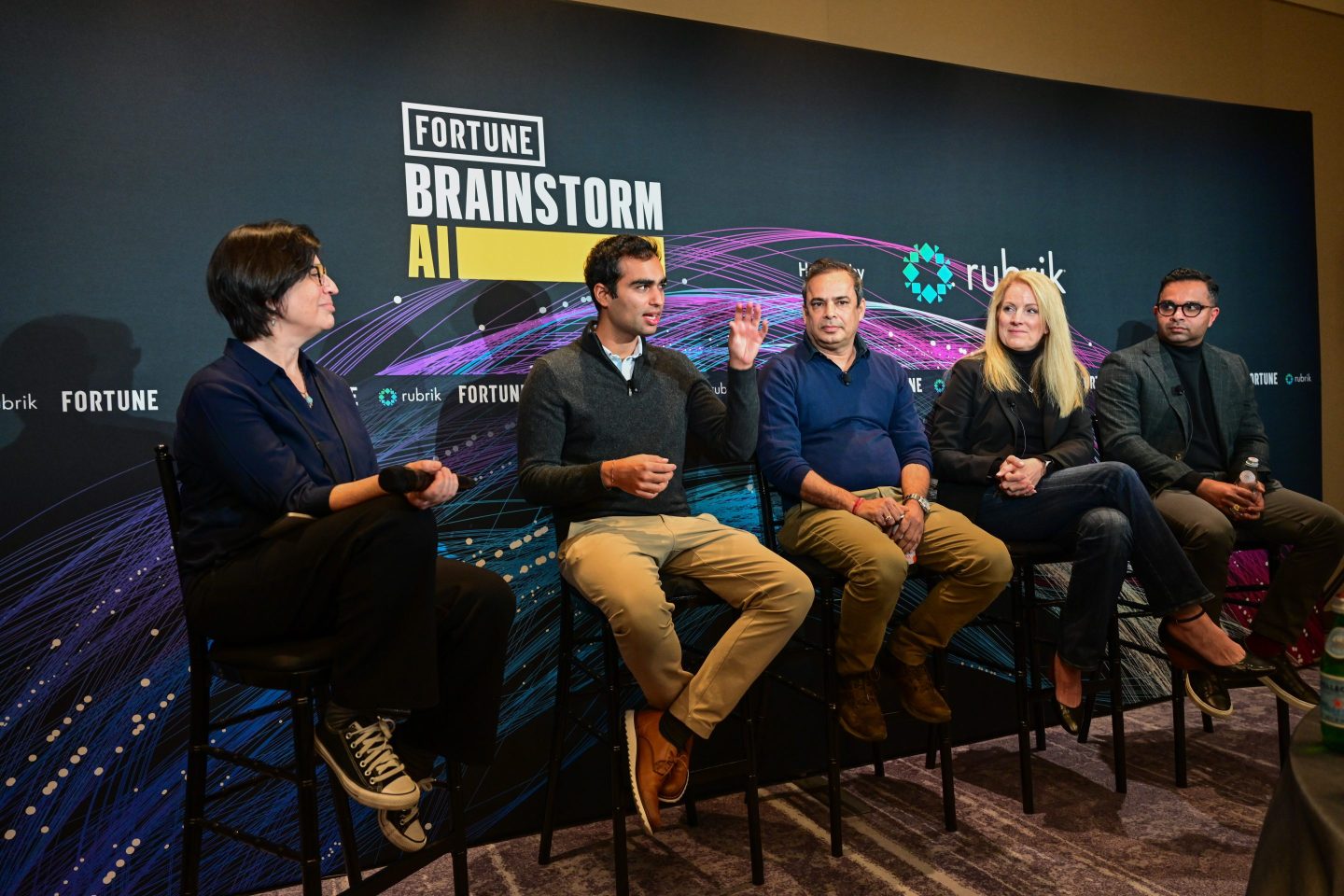
Five panelists seated; two women and five men.
AIBrainstorm AI
The race to deploy an AI workforce faces one important trust gap: What happens when an agent goes rogue?
By Amanda GerutDecember 11, 2025
2 days ago
Oreo
RetailFood and drink
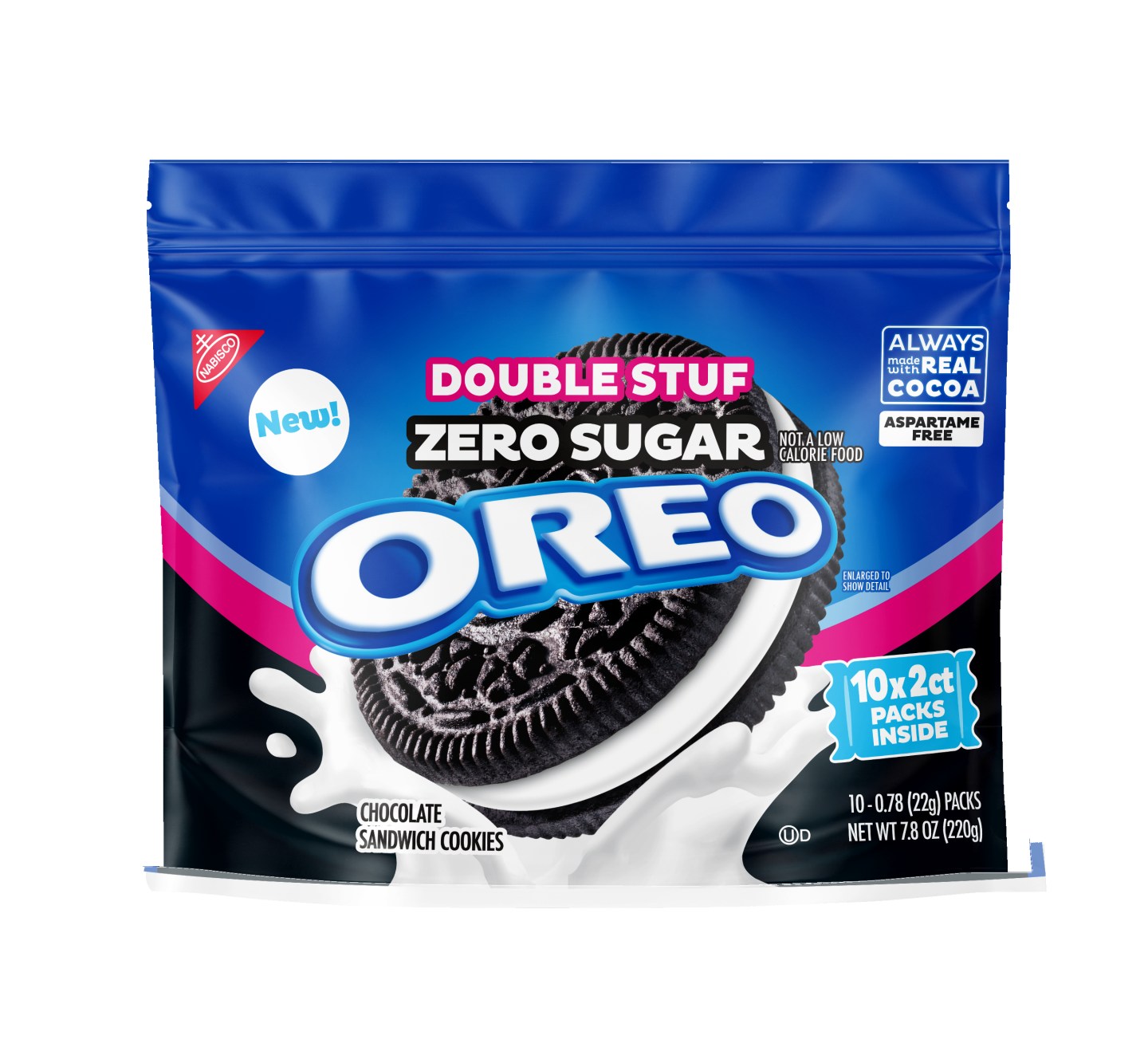
Zero-sugar Oreos headed to America for first time
By Dee-Ann Durbin and The Associated PressDecember 11, 2025
2 days ago

Most Popular

placeholder alt text
Economy
Tariffs are taxes and they were used to finance the federal government until the 1913 income tax. A top economist breaks it down
By Kent JonesDecember 12, 2025
2 days ago
placeholder alt text
Success
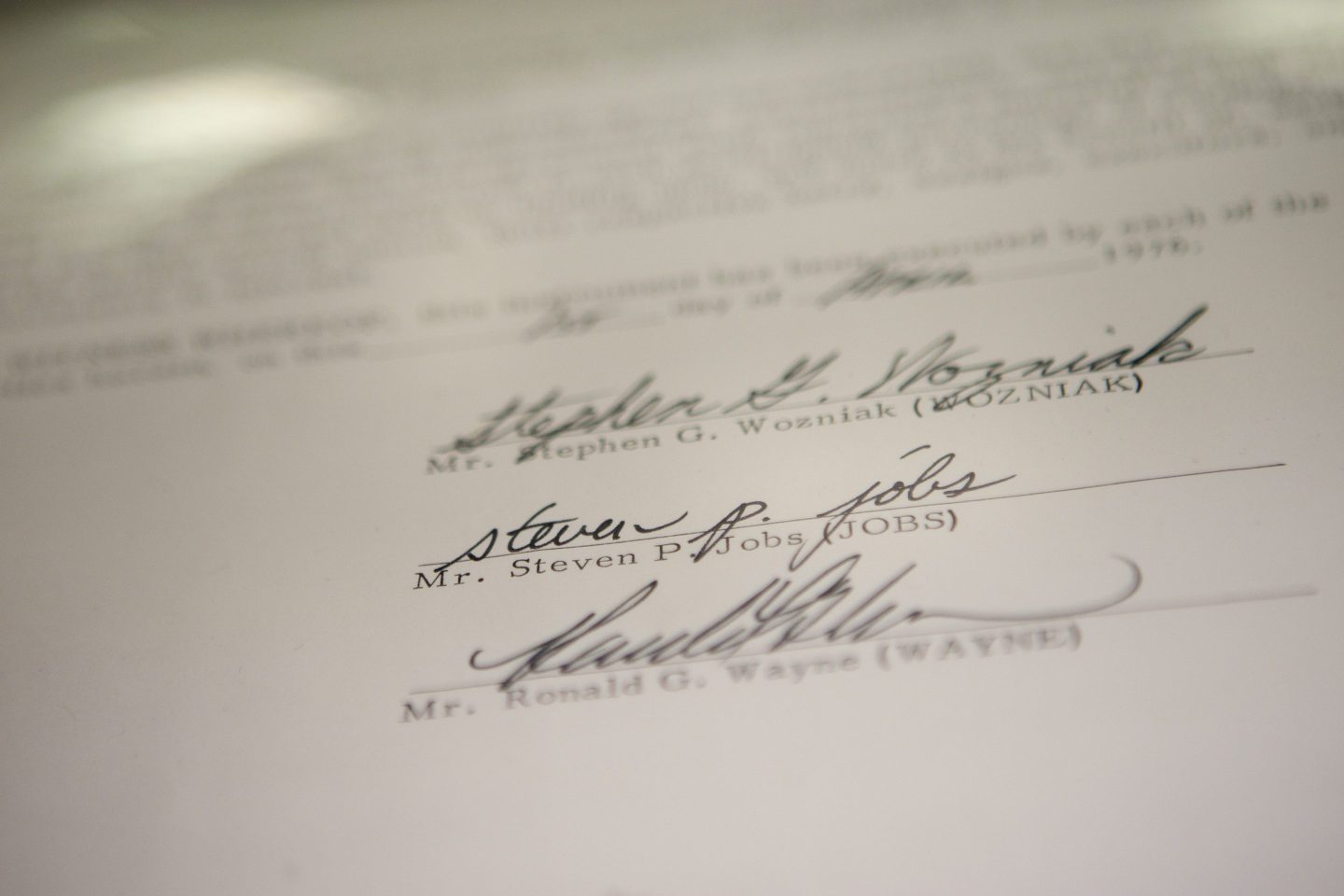
Apple cofounder Ronald Wayne sold his 10% stake for $800 in 1976—today it’d be worth up to $400 billion
By Preston ForeDecember 12, 2025
1 day ago
placeholder alt text
Success
40% of Stanford undergrads receive disability accommodations—but it’s become a college-wide phenomenon as Gen Z try to succeed in the current climate
By Preston ForeDecember 12, 2025
1 day ago
placeholder alt text
Economy
The Fed just ‘Trump-proofed’ itself with a unanimous move to preempt a potential leadership shake-up
By Jason MaDecember 12, 2025
1 day ago
placeholder alt text
Economy
For the first time since Trump’s tariff rollout, import tax revenue has fallen, threatening his lofty plans to slash the $38 trillion national debt
By Sasha RogelbergDecember 12, 2025
1 day ago
placeholder alt text
Success
Apple CEO Tim Cook out-earns the average American’s salary in just 7 hours—to put that into context, he could buy a new $439,000 home in just 2 days
By Emma BurleighDecember 12, 2025
1 day ago
Rankings
  • 100 Best Companies
  • Fortune 500
  • Global 500
  • Fortune 500 Europe
  • Most Powerful Women
  • Future 50
  • World’s Most Admired Companies
  • See All Rankings
Sections
  • Finance
  • Leadership
  • Success
  • Tech
  • Asia
  • Europe
  • Environment
  • Fortune Crypto
  • Health
  • Retail
  • Lifestyle
  • Politics
  • Newsletters
  • Magazine
  • Features
  • Commentary
  • Mpw
  • CEO Initiative
  • Conferences
  • Personal Finance
  • Education
Customer Support
  • Frequently Asked Questions
  • Customer Service Portal
  • Privacy Policy
  • Terms Of Use
  • Single Issues For Purchase
  • International Print
Commercial Services
  • Advertising
  • Fortune Brand Studio
  • Fortune Analytics
  • Fortune Conferences
  • Business Development
About Us
  • About Us
  • Editorial Calendar
  • Press Center
  • Work At Fortune
  • Diversity And Inclusion
  • Terms And Conditions
  • Site Map

© 2025 Fortune Media IP Limited. All Rights Reserved. Use of this site constitutes acceptance of our Terms of Use and Privacy Policy | CA Notice at Collection and Privacy Notice | Do Not Sell/Share My Personal Information
FORTUNE is a trademark of Fortune Media IP Limited, registered in the U.S. and other countries. FORTUNE may receive compensation for some links to products and services on this website. Offers may be subject to change without notice.