• Home
  • Latest
  • Fortune 500
  • Finance
  • Tech
  • Leadership
  • Lifestyle
  • Rankings
  • Multimedia

Trendingnow

1

The millennial generation has split, new Fed research shows: Those over 35 are edging toward boomer-style wealth, while everyone else falls behind

2

Scott Bessent casually says the U.S. has more than $1 trillion in gold—and that it doesn’t matter for the dollar

3

Mark Cuban says he has the solution to growing income inequality, and it's to reward every employee—from CEO to janitor—with company stock

1

The millennial generation has split, new Fed research shows: Those over 35 are edging toward boomer-style wealth, while everyone else falls behind

2

Scott Bessent casually says the U.S. has more than $1 trillion in gold—and that it doesn’t matter for the dollar

3

Mark Cuban says he has the solution to growing income inequality, and it's to reward every employee—from CEO to janitor—with company stock
LeadershipChina

How the U.S. should counter China’s economic power play

By
Minxin Pei
Minxin Pei
Down Arrow Button Icon
By
Minxin Pei
Minxin Pei
Down Arrow Button Icon
April 3, 2015, 6:00 AM ET
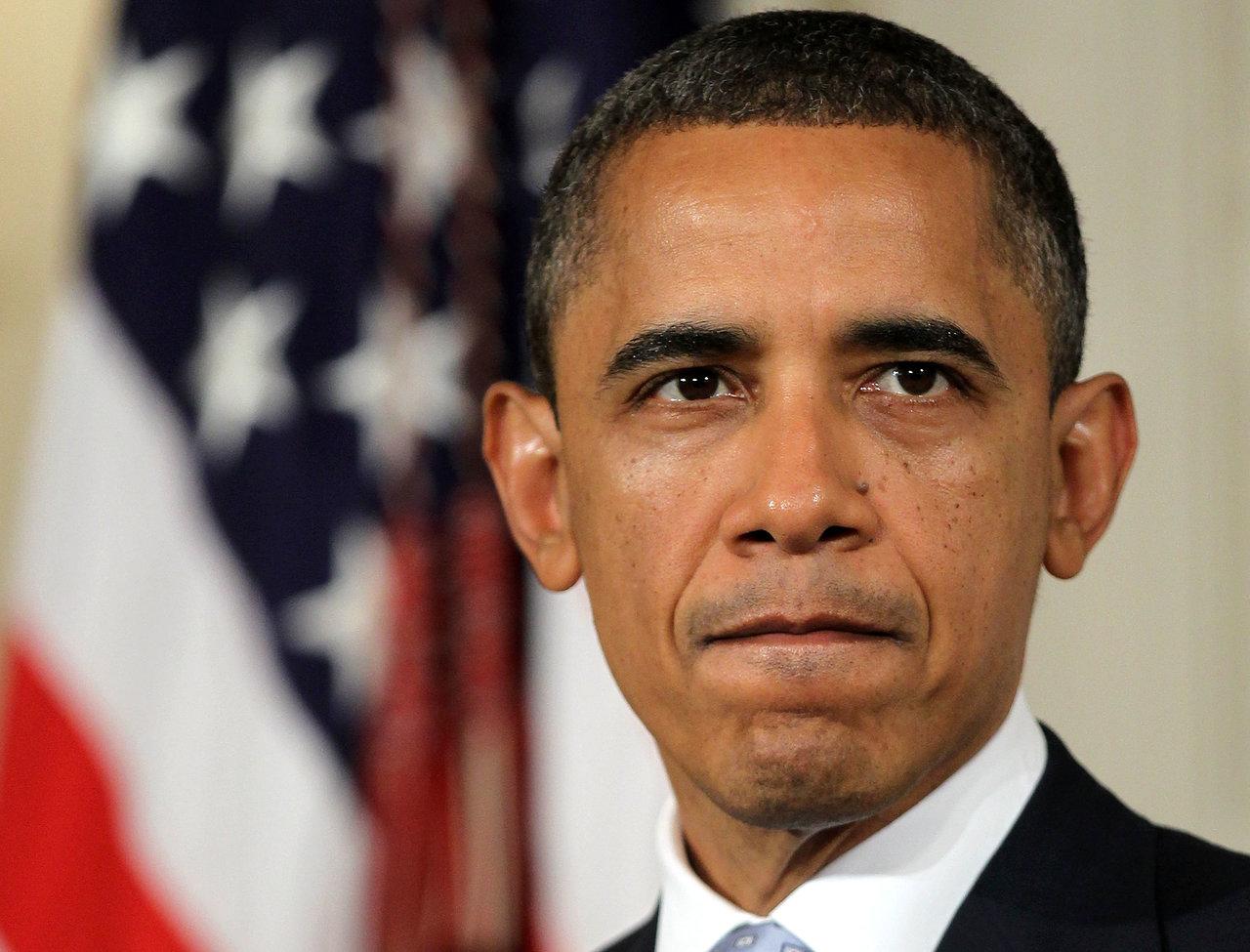
Photo courtesy: Alex Wong Getty Images
Add Fortune on Google for similar content.

In the last two weeks, China scored a rare but impressive diplomatic victory against the United States. In spite of Washington’s fierce opposition, most of its major allies – the United Kingdom, Germany, France, South Korea, and Australia – recently announced that they would join the Asia Infrastructure Investment Bank (AIIB), which was founded in 2014 under the auspices of Beijing.

To the Obama administration, this geopolitical setback obviously must sting. The AIIB, with up to $100 billion in registered capital, represents China’s effort to counter the financial clout of the World Bank and the Asian Development Bank, the two U.S.-led existing development banks. Although the allocation of voting shares among the AIIB member states has to be worked out, China is widely expected to exercise decisive influence. (To reassure the Europeans, Beijing has promised to forego its veto power).

Concerned that its allies, tempted by the commercial opportunities offered by the new bank, would get on China’s bandwagon and lend the AIIB much-needed credibility, the U.S. firmly urged them to stay away. Judging by their unseemly stampede for membership in the AIIB, it appears that Washington woefully underestimated the potency of China’s new money diplomacy.

Of course, the long-term prospects of the AIIB are uncertain. Infrastructural projects in developing countries are notoriously prone to corruption, cost overruns, and substandard construction quality. And in the end, the AIIB could well become another gigantic money pit.

But for now, it looks like the centerpiece of China’s new grand strategy – divide and weaken your rivals by appealing to their greed – has been vindicated.

Unlike Vladimir Putin’s Russia, which has attempted to use intimidation and force to expand its influence, China under President Xi Jinping has recently embraced what you might cynically call “greed-centered” diplomacy. As uber-capitalists, modern-day Chinese Communists shrewdly appreciate an elemental truth about human nature that Putin has utterly failed to grasp: fear unifies your opponents, but greed divides them.

The success of China’s greed-driven diplomacy stands in sharp contrast to the failure of Russia’s fear-based strategy. Putin’s war against Ukraine has unified Western countries, which have imposed punishing sanctions against Russia. Meanwhile, China’s greed-centered diplomacy has turned the U.S. against its long-time allies, sending the latter scurrying to Beijing to seek potentially lucrative deals.

If anything, Washington’s failure to stop the China-backed AIIB from getting off to a triumphant start is only the beginning of a new and long contest of geopolitical vision, national will, and financial resources. The AIIB is only part of Beijing’s project to establish a parallel global financial order that can compete for friends and influence with the post-WWII global financial system that the U.S. continues to dominate. Besides the AIIB, China has led the efforts to establish the New Development Bank (NDB), also known as the BRICS bank, which will compete with the World Bank. China has also committed $40 billion to the New Silk Road Fund, its financial vehicle that will invest in infrastructure in Asia as well.

One can hardly blame Chinese leaders for their conviction that money is more potent than bullets in delivering the geopolitical gains they cannot hope to gain through military competition with the U.S. They understand that the essence of capitalism is competitive greed. The dynamics of competitive greed, in practice, means that nations that miss a potentially profitable opportunity, such as the one created by the AIIB and other China-led efforts, will lose out to their competitors. All China needs to do is to exploit this dynamic to its advantage.

While China’s greed-centered realpolitik is clever, Washington can nevertheless muster countermeasures if it can get its act together.

China’s money diplomacy is taking place at a time when the U.S. is voluntarily ceding its traditional leadership role in global trade and finance. The two costly wars in Iraq and Afghanistan have drained American resources and limited Washington’s capacity to maintain its once-unchallenged global economic dominance. Partisan gridlock has further undermined American economic influence abroad. For example, the existence of the U.S. Ex-Im Bank, which provides export financing for American firms to gain global market share, is in peril because of Republican opposition. Democratic opposition to President Barack Obama’s proposed Transpacific Partnership (TPP), a new trade agreement designed to solidify U.S. influence in Asia, calls into doubt America’s commitment to free trade and global leadership.

So, as the Obama Administration licks its diplomatic wounds, it should rethink its approach to China’s sophisticated strategy. In plain language, greed is best countered with greed. In policy terms, President Obama and the Republican-controlled Congress should work together to pass free-trade agreements with Asia and Europe and increase American financial commitments to the international financial organizations it founded so that the U.S.-centered capitalist order is more attractive than the one China is trying to build.

Minxin Pei is the Tom and Margot Pritzker ’72 Professor of Government at Claremont McKenna College and a non-resident senior fellow of the German Marshall Fund of the United States

Watch more business news from Fortune:

About the Author
By Minxin Pei
See full bioRight Arrow Button Icon
Add Fortune on Google for similar content.

Latest in Leadership

Finance
Lorem ipsum dolor sit amet, consectetur adipiscing elit, sed do eiusmod tempor incididunt ut labore et dolore magna aliqua. Ut enim ad minim veniam
By Fortune Editors
October 20, 2025
Finance
Lorem ipsum dolor sit amet, consectetur adipiscing elit, sed do eiusmod tempor incididunt ut labore et dolore magna aliqua. Ut enim ad minim veniam
By Fortune Editors
October 20, 2025
Finance
Lorem ipsum dolor sit amet, consectetur adipiscing elit, sed do eiusmod tempor incididunt ut labore et dolore magna aliqua. Ut enim ad minim veniam
By Fortune Editors
October 20, 2025
Finance
Lorem ipsum dolor sit amet, consectetur adipiscing elit, sed do eiusmod tempor incididunt ut labore et dolore magna aliqua. Ut enim ad minim veniam
By Fortune Editors
October 20, 2025
Finance
Lorem ipsum dolor sit amet, consectetur adipiscing elit, sed do eiusmod tempor incididunt ut labore et dolore magna aliqua. Ut enim ad minim veniam
By Fortune Editors
October 20, 2025
Finance
Lorem ipsum dolor sit amet, consectetur adipiscing elit, sed do eiusmod tempor incididunt ut labore et dolore magna aliqua. Ut enim ad minim veniam
By Fortune Editors
October 20, 2025

Most Popular

Finance
Lorem ipsum dolor sit amet, consectetur adipiscing elit, sed do eiusmod tempor incididunt ut labore et dolore magna aliqua. Ut enim ad minim veniam
By Fortune Editors
October 20, 2025
Finance
Lorem ipsum dolor sit amet, consectetur adipiscing elit, sed do eiusmod tempor incididunt ut labore et dolore magna aliqua. Ut enim ad minim veniam
By Fortune Editors
October 20, 2025
Finance
Lorem ipsum dolor sit amet, consectetur adipiscing elit, sed do eiusmod tempor incididunt ut labore et dolore magna aliqua. Ut enim ad minim veniam
By Fortune Editors
October 20, 2025
Finance
Lorem ipsum dolor sit amet, consectetur adipiscing elit, sed do eiusmod tempor incididunt ut labore et dolore magna aliqua. Ut enim ad minim veniam
By Fortune Editors
October 20, 2025
Finance
Lorem ipsum dolor sit amet, consectetur adipiscing elit, sed do eiusmod tempor incididunt ut labore et dolore magna aliqua. Ut enim ad minim veniam
By Fortune Editors
October 20, 2025
Finance
Lorem ipsum dolor sit amet, consectetur adipiscing elit, sed do eiusmod tempor incididunt ut labore et dolore magna aliqua. Ut enim ad minim veniam
By Fortune Editors
October 20, 2025
Fortune Secondary Logo
Rankings
  • 100 Best Companies
  • Fortune 500
  • Global 500
  • Fortune 500 Europe
  • Most Powerful Women
  • World's Most Admired Companies
  • See All Rankings
  • Lists Calendar
Sections
  • Finance
  • Fortune Crypto
  • Features
  • Leadership
  • Health
  • Commentary
  • Success
  • Retail
  • Mpw
  • Tech
  • Lifestyle
  • CEO Initiative
  • Asia
  • Politics
  • Conferences
  • Europe
  • Newsletters
  • Personal Finance
  • Environment
  • Magazine
  • Education
Customer Support
  • Frequently Asked Questions
  • Customer Service Portal
  • Privacy Policy
  • Terms Of Use
  • Single Issues For Purchase
  • International Print
Commercial Services
  • Advertising
  • Fortune Brand Studio
  • Fortune Analytics
  • Fortune Conferences
  • Business Development
  • Group Subscriptions
About Us
  • About Us
  • Press Center
  • Work At Fortune
  • Terms And Conditions
  • Site Map
  • About Us
  • Press Center
  • Work At Fortune
  • Terms And Conditions
  • Site Map
  • Facebook icon
  • Twitter icon
  • LinkedIn icon
  • Instagram icon
  • TikTok icon
  • YouTube icon

Latest in Leadership

Alphabet’s SpaceX stake fuels a $98 billion gain, beating estimates
Big TechMarkets
Alphabet’s SpaceX stake fuels a $98 billion gain, beating estimates
By Barbara Ortutay and The Associated PressJuly 23, 2026
3 hours ago
Benjamin Franklin's experiment with the kite.
AIScience
The Trump administration is revamping the era of the ‘gentleman scientist.’ It’ll cost $200 billion
By Eva RoytburgJuly 23, 2026
4 hours ago
Amazon founder Jeff Bezos
SuccessBillionaires
Amazon’s Jeff Bezos could be the latest American billionaire to buy into European soccer clubs—he’s eyeing up a stake in Liverpool FC
By Emma BurleighJuly 23, 2026
4 hours ago
Sanae Takaichi
Successwork-life balance
Japan’s prime minister sleeps just ‘zero to three’ hours a night—even as Tokyo pushes a 4-day workweek to fight ‘death by overwork’
By Preston ForeJuly 23, 2026
4 hours ago
All hail London—whatever the U.K.’s new Prime Minister says 
EuropeLetter from London
All hail London—whatever the U.K.’s new Prime Minister says 
By Kamal AhmedJuly 23, 2026
6 hours ago
AI coding company Cursor, soon to be acquired by SpaceX, expands its CFO council
NewslettersCFO Daily
AI coding company Cursor, soon to be acquired by SpaceX, expands its CFO council
By Sheryl EstradaJuly 23, 2026
7 hours ago

Most Popular

The millennial generation has split, new Fed research shows: Those over 35 are edging toward boomer-style wealth, while everyone else falls behind
Real Estate
The millennial generation has split, new Fed research shows: Those over 35 are edging toward boomer-style wealth, while everyone else falls behind
By Nick LichtenbergJuly 22, 2026
1 day ago
Scott Bessent casually says the U.S. has more than $1 trillion in gold—and that it doesn’t matter for the dollar
Economy
Scott Bessent casually says the U.S. has more than $1 trillion in gold—and that it doesn’t matter for the dollar
By Sasha RogelbergJuly 22, 2026
1 day ago
Mark Cuban says he has the solution to growing income inequality, and it's to reward every employee—from CEO to janitor—with company stock
Success
Mark Cuban says he has the solution to growing income inequality, and it's to reward every employee—from CEO to janitor—with company stock
By Sasha RogelbergJuly 20, 2026
3 days ago
'The man who dies rich dies disgraced': The last time America had such wealth inequality, Andrew Carnegie knew he had to give it all away
Success
'The man who dies rich dies disgraced': The last time America had such wealth inequality, Andrew Carnegie knew he had to give it all away
By Nick LichtenbergJuly 22, 2026
1 day ago
Mathematicians grapple with a ‘very rapid and very unsettling change’ as AI cracks yet another century-old problem
AI
Mathematicians grapple with a ‘very rapid and very unsettling change’ as AI cracks yet another century-old problem
By Eva RoytburgJuly 21, 2026
2 days ago
Despite a $156 million contract, Knicks star Jalen Brunson still calls his parents for financial advice any time he makes a big purchase
Success
Despite a $156 million contract, Knicks star Jalen Brunson still calls his parents for financial advice any time he makes a big purchase
By Emma BurleighJuly 21, 2026
2 days ago

© 2026 Fortune Media IP Limited. All Rights Reserved. Use of this site constitutes acceptance of our Terms of Use and Privacy Policy | CA Notice at Collection and Privacy Notice | Do Not Sell/Share My Personal Information
FORTUNE is a trademark of Fortune Media IP Limited, registered in the U.S. and other countries. FORTUNE may receive compensation for some links to products and services on this website. Offers may be subject to change without notice.