• Home
  • News
  • Fortune 500
  • Tech
  • Finance
  • Leadership
  • Lifestyle
  • Rankings
  • Multimedia
LeadershipInequality

The biggest problem American business is facing in 2015

By
TIME
TIME
Down Arrow Button Icon
By
TIME
TIME
Down Arrow Button Icon
January 8, 2015, 9:00 AM ET
FAST FOOD PROTESTS
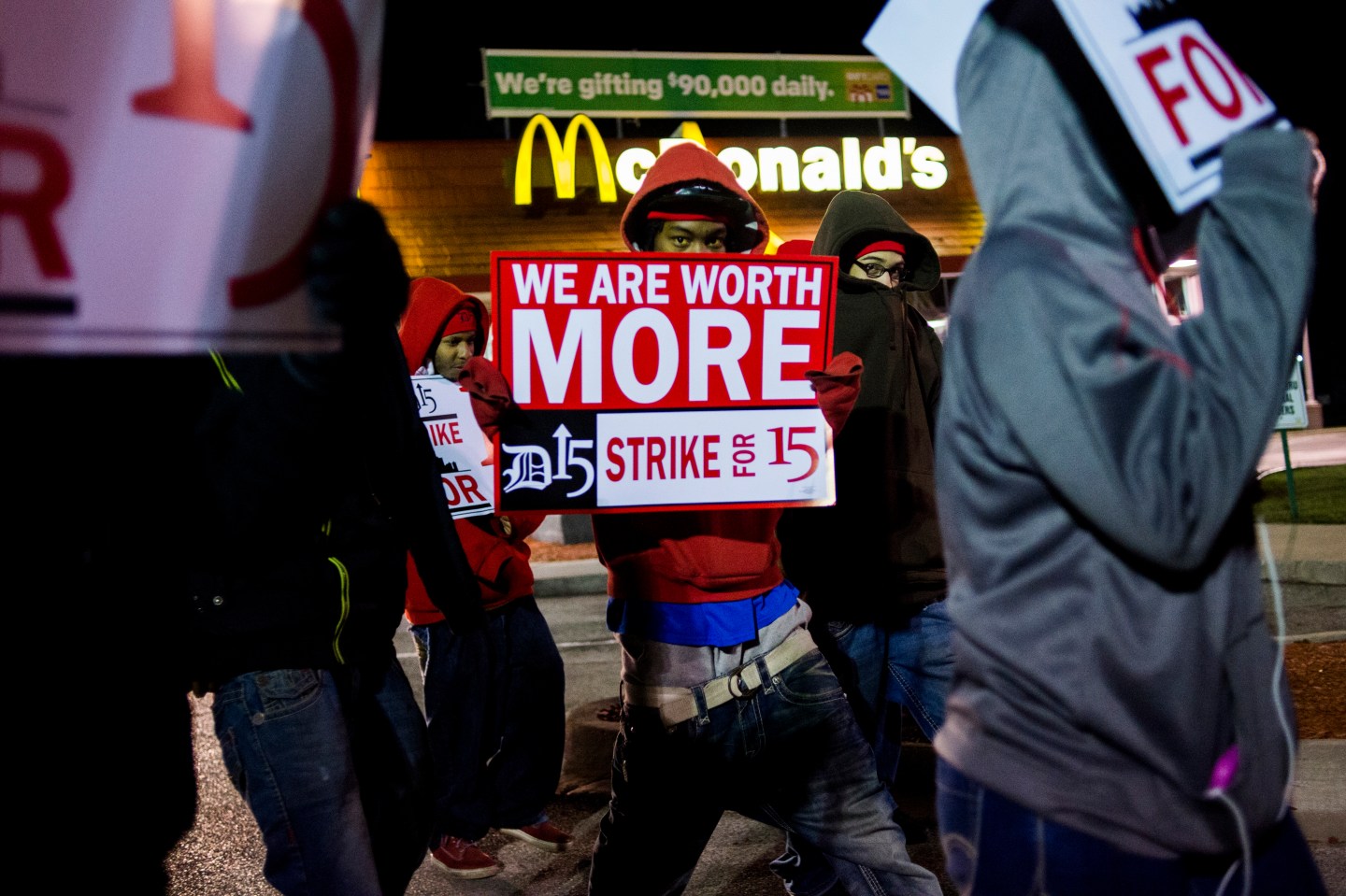
Nathaniel Loyd, 23, center, holds a sign during a demonstration for an increased minimum wage on Thursday, Dec. 4, 2014 at McDonald's in Mt. Morris Township, Mich. Activists, fast-food workers and others are calling for increasing the minimum wage to $15 per hour and allowing workers to form unions without corporate opposition, as part of nationwide demonstrations. (AP Photo/The Flint Journal, Jake May ) LOCAL TELEVISION OUT; LOCAL INTERNET OUTPhotograph by Jake May — MLive.com/AP

This post is in partnership with Time. The article below was originally published at Time.com.

By Sanjay Sanghoee, TIME

As 2015 progresses, an improving U.S. economy should buoy markets and provide hope for the business sector. However, before we pop the champagne, it is worth remembering that the past year has also been a turbulent one. Economic inequality continues to widen and worker strikes, once rare, are now increasing in frequency.

The reality is that despite gains in profitability and shareholder value, American businesses could experience a serious labor problem in the near future, and the sooner it is addressed it, the better.

Broadly speaking, there are three factors working against the U.S. right now. The first is an aging population, which not only threatens to burden the system with greater costs in terms of social benefits and pensions, but also a shortage of younger people to fill jobs. Exacerbating this is the fact that the working age population in the future, composed of millennials (and their successors) will require better work benefits, including flexible schedules, higher pay, and room for creativity, in order to feel motivated – a phenomenon that will make it more difficult for companies to secure and retain talent.

By contrast, China and India have vast untapped labor pools, and 65% of India’s population is currently 35 or under, ensuring a young and dynamic labor force for decades to come. This has historically benefited the U.S. through cheap labor, but that could change as these economies become stronger and wage levels rise in response. In addition, Chinese and Indian companies have themselves begun to compete aggressively in the global arena with the workforce behind them to support it, which could put their American counterparts at a disadvantage.

The combination of these factors and a growing perception amongst low and middle income workers of economic unfairness could lead to a crisis of worker availability and competitiveness for U.S. companies within the next few decades unless employers can reach a balance between profitability and compensation that will motivate workers. This is particularly important in the arenas of fast food and retail, which require a large labor force but where wage levels are typically low and a source of escalating friction between companies and their employees, but could effect other sectors as well.

Unfortunately, we keep looking towards the government for a solution, which is a mistake. In today’s hyper-partisan environment of Capitol Hill, compromise on a politically charged issue like wages on which Democrats and Republicans fundamentally disagree is nearly impossible. Moreover, the idea of taxing our way to economic equality, advanced by economists like Thomas Piketty and even Microsoft founder Bill Gates, is unrealistic. Even if it was politically feasible, additional taxation would do little to bridge the gap between employers and workers.

That can only be accomplished by a concerted effort to understand and address the needs of workers by companies themselves, and requires the participation of our most influential business leaders.

For too long, the debate over fair wages has remained stuck in the quagmire of ideology (on both sides), but what is really required is the recognition by the CEOs who run our major corporations of the direct link between worker compensation and the future profitability of their businesses. The reason this is so critical is that our biggest companies set wage levels in their sectors and so only through their participation can a true market-driven solution be found to this pressing problem.

Sanjay Sanghoee is a business commentator. He has worked at investment banks Lazard Freres and Dresdner Kleinwort Wasserstein, at hedge fund Ramius Capital, and has an MBA from Columbia Business School. Follow him on Twitter @sanghoee


About the Author
By TIME
See full bioRight Arrow Button Icon

Latest in Leadership

CryptoBinance
Binance has been proudly nomadic for years. A new announcement suggests it’s finally chosen a headquarters
By Ben WeissDecember 7, 2025
1 hour ago
Future of WorkJamie Dimon
Jamie Dimon says even though AI will eliminate some jobs ‘maybe one day we’ll be working less hard but having wonderful lives’
By Jason MaDecember 7, 2025
11 hours ago
business
C-Suitechief executive officer (CEO)
Inside the Fortune 500 CEO pressure cooker: surviving is harder than ever and requires an ‘odd combination’ of traits
By Nick LichtenbergDecember 7, 2025
15 hours ago
Alex Amouyel is the President and CEO of Newman’s Own Foundation
Commentaryphilanthropy
Following in Paul Newman and Yvon Chouinard’s footsteps: There are more ways for leaders to give it away in ‘the Great Boomer Fire Sale’ than ever
By Alex AmouyelDecember 7, 2025
16 hours ago
Hank Green sipping tea
SuccessPersonal Finance
Millionaire YouTuber Hank Green tells Gen Z to rethink their Tesla bets—and shares the portfolio changes he’s making to avoid AI-bubble fallout
By Preston ForeDecember 7, 2025
17 hours ago
MagazineWarren Buffett
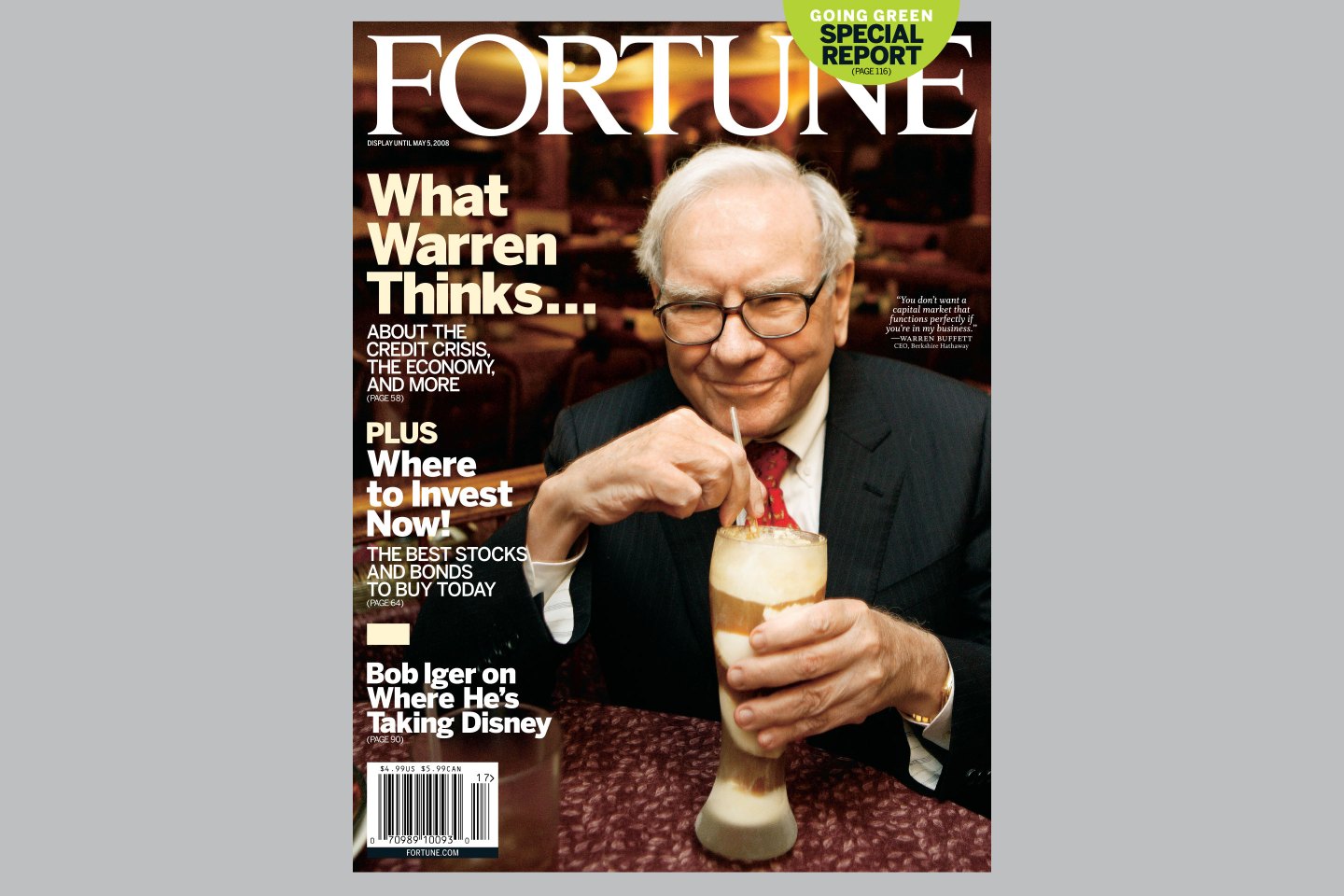
Warren Buffett: Business titan and cover star
By Indrani SenDecember 7, 2025
18 hours ago

Most Popular

placeholder alt text
Real Estate
The 'Great Housing Reset' is coming: Income growth will outpace home-price growth in 2026, Redfin forecasts
By Nino PaoliDecember 6, 2025
2 days ago
placeholder alt text
AI
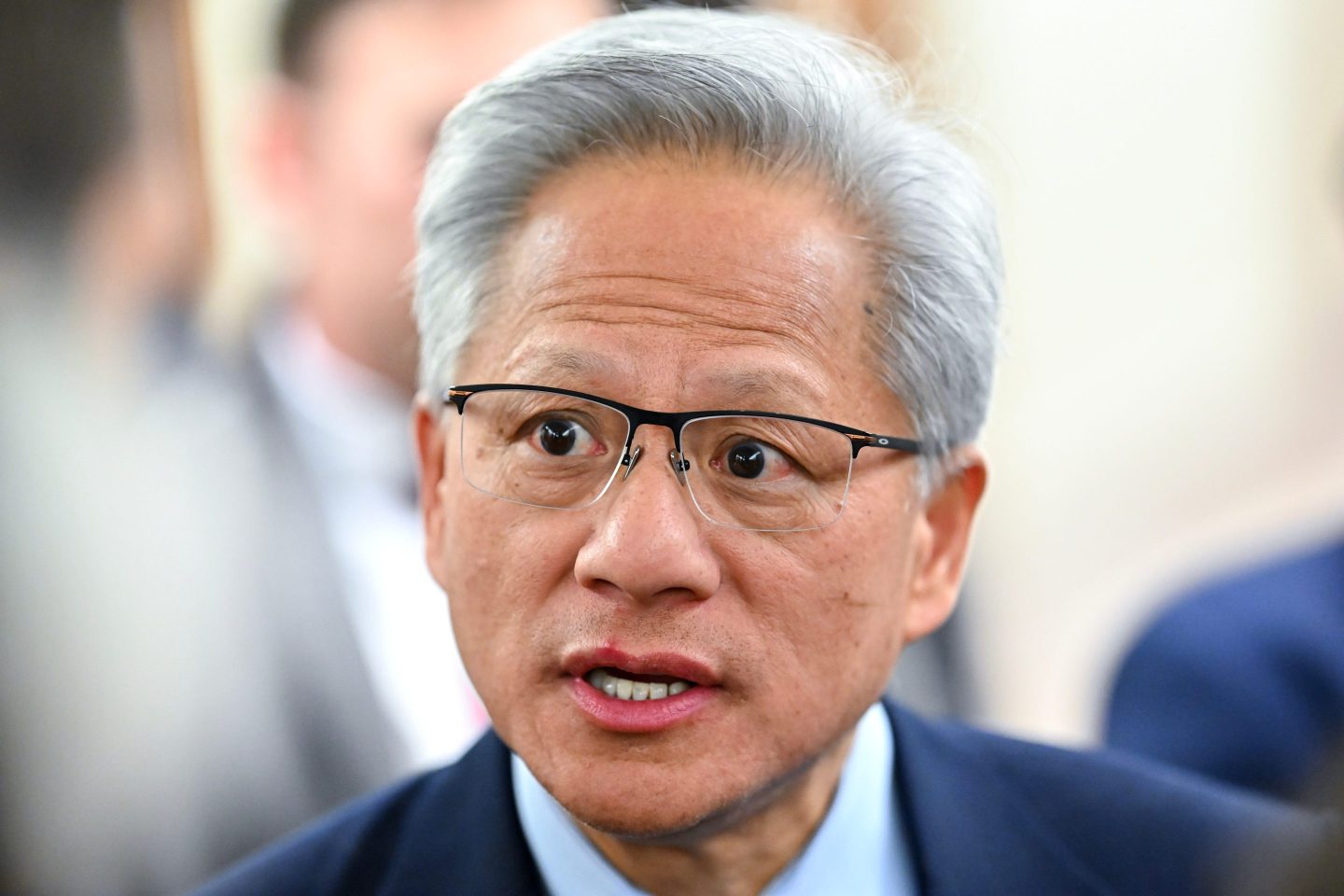
Nvidia CEO says data centers take about 3 years to construct in the U.S., while in China 'they can build a hospital in a weekend'
By Nino PaoliDecember 6, 2025
1 day ago
placeholder alt text
Economy
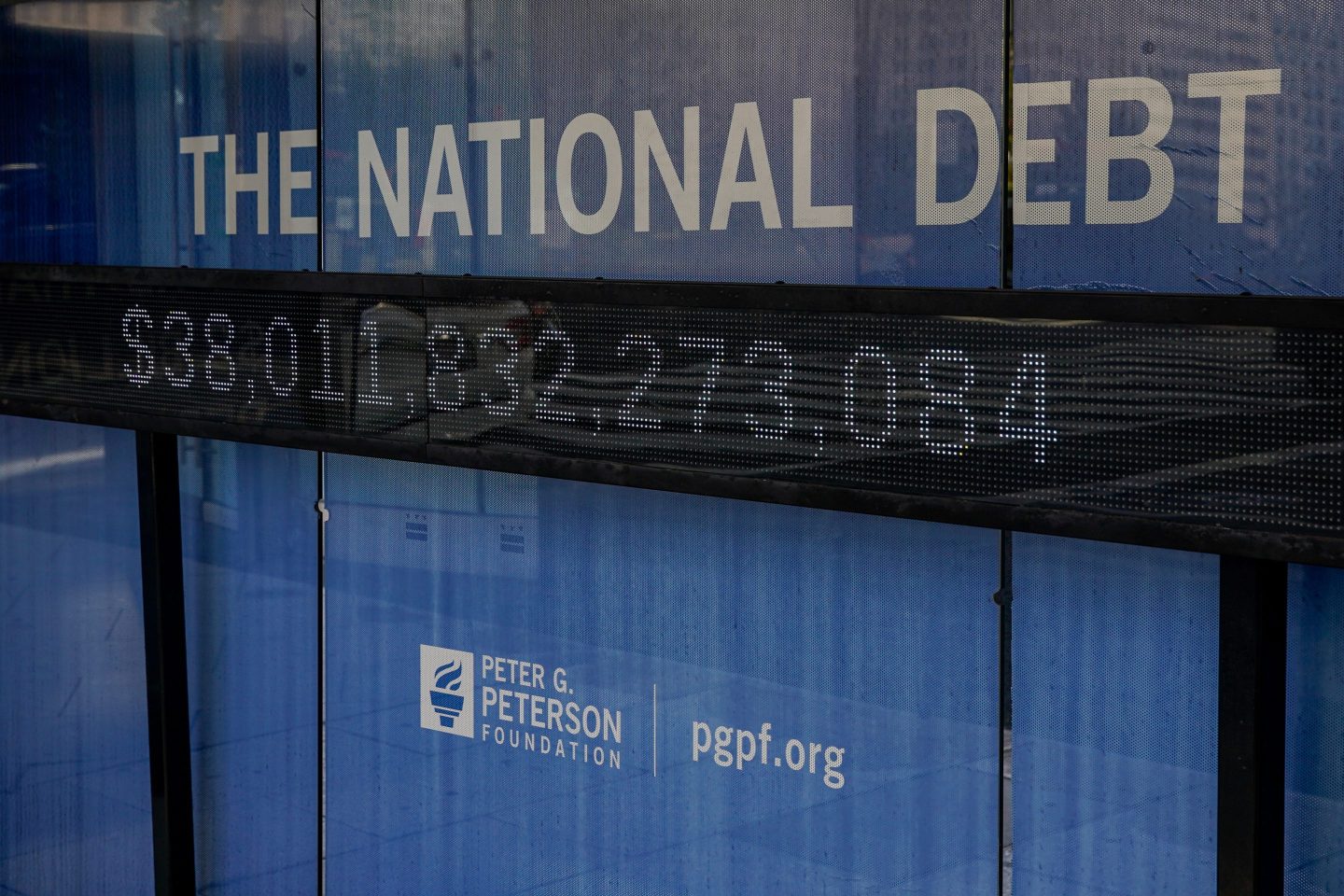
The most likely solution to the U.S. debt crisis is severe austerity triggered by a fiscal calamity, former White House economic adviser says
By Jason MaDecember 6, 2025
1 day ago
placeholder alt text
Big Tech
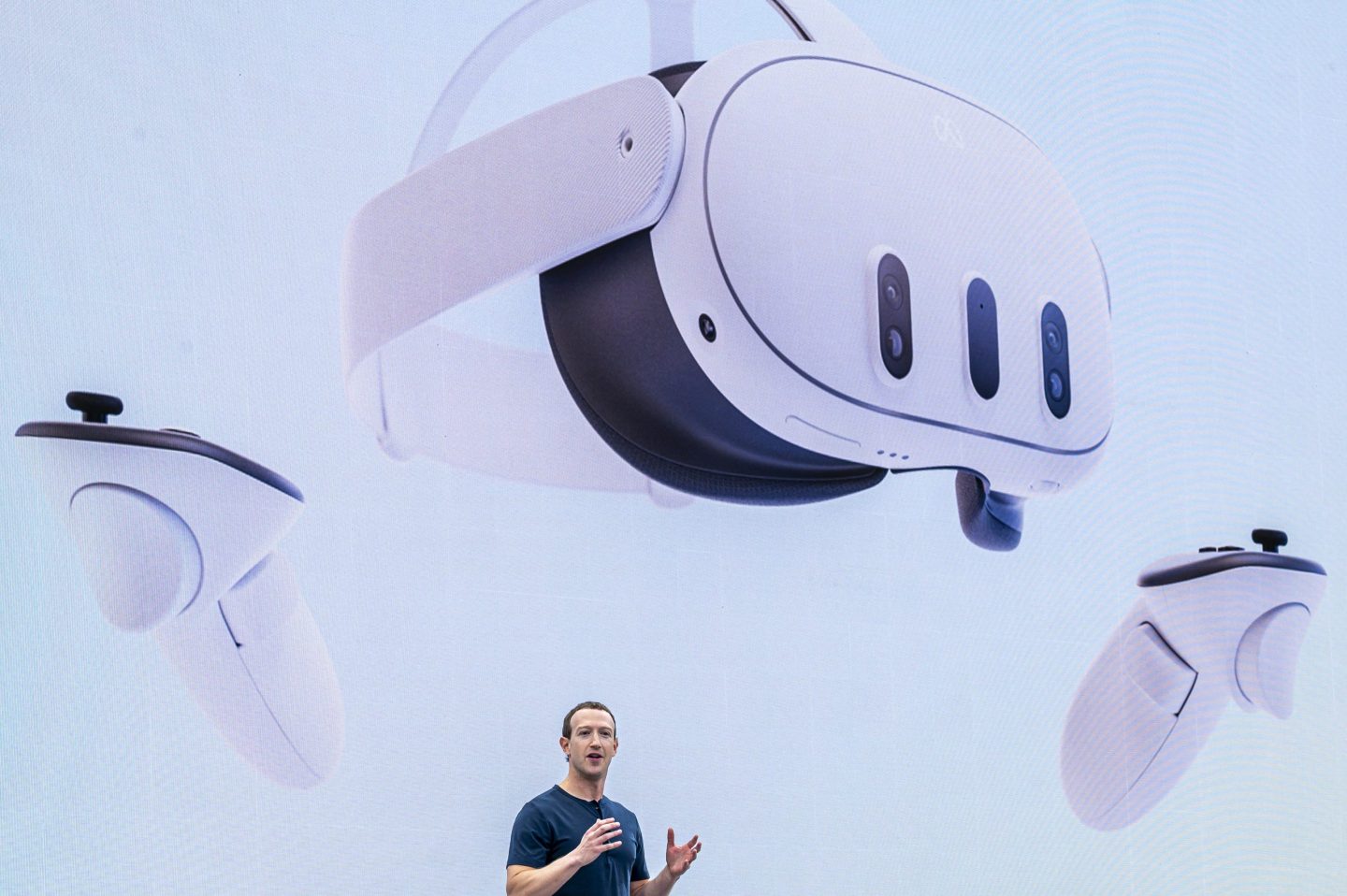
Mark Zuckerberg rebranded Facebook for the metaverse. Four years and $70 billion in losses later, he’s moving on
By Eva RoytburgDecember 5, 2025
2 days ago
placeholder alt text
Economy
JPMorgan CEO Jamie Dimon says Europe has a 'real problem’
By Katherine Chiglinsky and BloombergDecember 6, 2025
1 day ago
placeholder alt text
Uncategorized
Transforming customer support through intelligent AI operations
By Lauren ChomiukNovember 26, 2025
11 days ago
Rankings
  • 100 Best Companies
  • Fortune 500
  • Global 500
  • Fortune 500 Europe
  • Most Powerful Women
  • Future 50
  • World’s Most Admired Companies
  • See All Rankings
Sections
  • Finance
  • Leadership
  • Success
  • Tech
  • Asia
  • Europe
  • Environment
  • Fortune Crypto
  • Health
  • Retail
  • Lifestyle
  • Politics
  • Newsletters
  • Magazine
  • Features
  • Commentary
  • Mpw
  • CEO Initiative
  • Conferences
  • Personal Finance
  • Education
Customer Support
  • Frequently Asked Questions
  • Customer Service Portal
  • Privacy Policy
  • Terms Of Use
  • Single Issues For Purchase
  • International Print
Commercial Services
  • Advertising
  • Fortune Brand Studio
  • Fortune Analytics
  • Fortune Conferences
  • Business Development
About Us
  • About Us
  • Editorial Calendar
  • Press Center
  • Work At Fortune
  • Diversity And Inclusion
  • Terms And Conditions
  • Site Map

© 2025 Fortune Media IP Limited. All Rights Reserved. Use of this site constitutes acceptance of our Terms of Use and Privacy Policy | CA Notice at Collection and Privacy Notice | Do Not Sell/Share My Personal Information
FORTUNE is a trademark of Fortune Media IP Limited, registered in the U.S. and other countries. FORTUNE may receive compensation for some links to products and services on this website. Offers may be subject to change without notice.