• Home
  • Latest
  • Fortune 500
  • Finance
  • Tech
  • Leadership
  • Lifestyle
  • Rankings
  • Multimedia
LeadershipFortune Insiders

Sam Palmisano: How to become a truly global company

By
Sam Palmisano
Sam Palmisano
Down Arrow Button Icon
By
Sam Palmisano
Sam Palmisano
Down Arrow Button Icon
November 3, 2014, 8:00 AM ET
Photograph by De Agostini Picture Library — Getty Images

In 2011, as IBM was planning to commemorate its 100th anniversary, it struck me that there were dramatic parallels between the company’s transformation over 10 decades and the way in which the global economy had been transformed over the same period. Both had benefited from an expansion of economic growth, and an increase in living standards, that was without precedent in human history. This progress had been greatly enabled by the integration of global society, and through the power and prevalence of information technology.

Today, global economic integration presents enormous opportunity for the future of business and society. For business, buying and selling goods and services in a global market can lead to cost savings and increased revenue, but also the ability to draw on the talents and insights of a global workforce. Society can also benefit in a myriad of ways, from individuals realizing higher living standards to governments realizing new avenues for cooperation. And while many point to the risks of integration, the more pressing and more pragmatic questions are the following: How do we deal with the future? Do we embrace it? Or do we cling to the past?

These questions are particularly important for companies in the United States and throughout the world. They face new challenges as they navigate what is the first truly global era in human history – an era in which the volume and speed of information, people, products, services and ideas being circulated around the world is greater than ever before. Where quality services will be delivered via cloud-like platforms and consistency of shareholder returns will be mandatory. This new era calls for new business models, new corporate structures, new investor engagement and new thinking.

Fundamental to the global era, and uniquely suited to benefit from it, is what I call the globally integrated enterprise (GIE), which refers to companies that are truly global (as opposed to “multinational”) in their management and their operations. In this model, work is organized in fundamentally different ways. It calls for different skills and behaviors, more collaboration and transparency, more disciplined financial management, greater focus on a multiplicity of cultural differences, and less hierarchy.

As an example, decisions about where to locate operations are based on how to maximize value for customers, employees, and business partners. Instead of taking people to where the work is, you take work to where the people are. Thus, rather than maintaining separate supply chains in different markets, there is one supply chain, and it’s global — not just for products, but also services, capital, ideas, and intellectual property.

Similarly, human capital is thought of not in terms of countries and regions and business units, but rather how to manage and deploy it as one global asset. While CEO, I saw that IBM’s (IBM) future was going to be focused on innovation, which meant that rather than being capital-intensive, we were going to be human capital-intensive – delivering software and services. So it was even more important than in the past that we hired and retained the best people. But unlike earlier eras, it didn’t really matter where these people were or where they came from – we simply wanted them to excel in their work at IBM and we wanted to do what we could to help them excel.

In connection with our global workforce, we recognized the need to create a common culture that would ensure consistent values throughout the company, regardless of where our employees were working (that’s the “integrated” part of GIE). To that end, we conducted a company-wide survey – what we called a “ValuesJam” – that gave anyone working for IBM the opportunity to weigh in on what the company should stand for and how our employees should operate. That exercise culminated with an updated set of values that became the connective tissue for IBMers throughout the world.

For a company to become a GIE, its leaders must embrace a particular frame of mind – one that I worked to imbue in my colleagues while I was CEO of IBM. This frame of mind is focused on how to operate seamlessly as a single organic entity – by integrating internal operations horizontally and globally, collaborating with external partners, and operating at the best location in the world, to maximize value creation from a global point of view.

IBM is far from the only company that has adopted key GIE principles and practices. A number of companies, operating across a diverse set of countries and industries, have implemented measures that resemble those we adopted at IBM. They include Cemex (CX) of Mexico, a leading producer of cement and other building materials; Bharti Airtel of India, one of the world’s most dynamic cellular telephone providers; and Geely of China, which is making major inroads in the global car industry thanks to innovative products and management. The measures they’ve implemented are a byproduct of their own experiences, which led them to reach the same conclusions we did at IBM: that companies need to be global in order to stay competitive, but need to do so in ways that keep them close to their customers while also emphasizing values and principles that foster agility, innovation, and productivity.

The GIE, and the new global era for business, are at the center of my current work. My book, Re-Think: A Path to the Future, was published earlier this year. These areas represent the foundation of work being undertaken by the Center for Global Enterprise (CGE), which is a research organization I launched last year. Its work is being devoted to explaining the age in which we are living, while also documenting how a new management science is emerging, how leaders can apply it, and how all stakeholders should strive to maximize its benefits.

Sam Palmisano is the former chairman, president, and chief executive officer of IBM and currently serves as chairman of the Center for Global Enterprise.

About the Author
By Sam Palmisano
See full bioRight Arrow Button Icon

Latest in Leadership

Finance
Lorem ipsum dolor sit amet, consectetur adipiscing elit, sed do eiusmod tempor incididunt ut labore et dolore magna aliqua. Ut enim ad minim veniam
By Fortune Editors
October 20, 2025
Finance
Lorem ipsum dolor sit amet, consectetur adipiscing elit, sed do eiusmod tempor incididunt ut labore et dolore magna aliqua. Ut enim ad minim veniam
By Fortune Editors
October 20, 2025
Finance
Lorem ipsum dolor sit amet, consectetur adipiscing elit, sed do eiusmod tempor incididunt ut labore et dolore magna aliqua. Ut enim ad minim veniam
By Fortune Editors
October 20, 2025
Finance
Lorem ipsum dolor sit amet, consectetur adipiscing elit, sed do eiusmod tempor incididunt ut labore et dolore magna aliqua. Ut enim ad minim veniam
By Fortune Editors
October 20, 2025
Finance
Lorem ipsum dolor sit amet, consectetur adipiscing elit, sed do eiusmod tempor incididunt ut labore et dolore magna aliqua. Ut enim ad minim veniam
By Fortune Editors
October 20, 2025
Finance
Lorem ipsum dolor sit amet, consectetur adipiscing elit, sed do eiusmod tempor incididunt ut labore et dolore magna aliqua. Ut enim ad minim veniam
By Fortune Editors
October 20, 2025

Most Popular

Finance
Lorem ipsum dolor sit amet, consectetur adipiscing elit, sed do eiusmod tempor incididunt ut labore et dolore magna aliqua. Ut enim ad minim veniam
By Fortune Editors
October 20, 2025
Finance
Lorem ipsum dolor sit amet, consectetur adipiscing elit, sed do eiusmod tempor incididunt ut labore et dolore magna aliqua. Ut enim ad minim veniam
By Fortune Editors
October 20, 2025
Finance
Lorem ipsum dolor sit amet, consectetur adipiscing elit, sed do eiusmod tempor incididunt ut labore et dolore magna aliqua. Ut enim ad minim veniam
By Fortune Editors
October 20, 2025
Finance
Lorem ipsum dolor sit amet, consectetur adipiscing elit, sed do eiusmod tempor incididunt ut labore et dolore magna aliqua. Ut enim ad minim veniam
By Fortune Editors
October 20, 2025
Finance
Lorem ipsum dolor sit amet, consectetur adipiscing elit, sed do eiusmod tempor incididunt ut labore et dolore magna aliqua. Ut enim ad minim veniam
By Fortune Editors
October 20, 2025
Finance
Lorem ipsum dolor sit amet, consectetur adipiscing elit, sed do eiusmod tempor incididunt ut labore et dolore magna aliqua. Ut enim ad minim veniam
By Fortune Editors
October 20, 2025
Fortune Secondary Logo
Rankings
  • 100 Best Companies
  • Fortune 500
  • Global 500
  • Fortune 500 Europe
  • Most Powerful Women
  • World's Most Admired Companies
  • See All Rankings
  • Lists Calendar
Sections
  • Finance
  • Fortune Crypto
  • Features
  • Leadership
  • Health
  • Commentary
  • Success
  • Retail
  • Mpw
  • Tech
  • Lifestyle
  • CEO Initiative
  • Asia
  • Politics
  • Conferences
  • Europe
  • Newsletters
  • Personal Finance
  • Environment
  • Magazine
  • Education
Customer Support
  • Frequently Asked Questions
  • Customer Service Portal
  • Privacy Policy
  • Terms Of Use
  • Single Issues For Purchase
  • International Print
Commercial Services
  • Advertising
  • Fortune Brand Studio
  • Fortune Analytics
  • Fortune Conferences
  • Business Development
  • Group Subscriptions
About Us
  • About Us
  • Lists Calendar
  • Press Center
  • Work At Fortune
  • Terms And Conditions
  • Site Map
  • About Us
  • Lists Calendar
  • Press Center
  • Work At Fortune
  • Terms And Conditions
  • Site Map
  • Facebook icon
  • Twitter icon
  • LinkedIn icon
  • Instagram icon
  • Pinterest icon

Latest in Leadership

Upstart’s new millennial CEO, a Yale dropout, thinks AI can make every American 10% richer
NewslettersCEO Daily
Upstart’s new millennial CEO, a Yale dropout, thinks AI can make every American 10% richer
By Diane BradyApril 24, 2026
3 hours ago
robert isom
InvestingAirline industry
American Airlines CEO calls United merger ‘a non-starter’: ‘No way to view that as anything but anti-competitive’
By Jake AngeloApril 24, 2026
6 hours ago
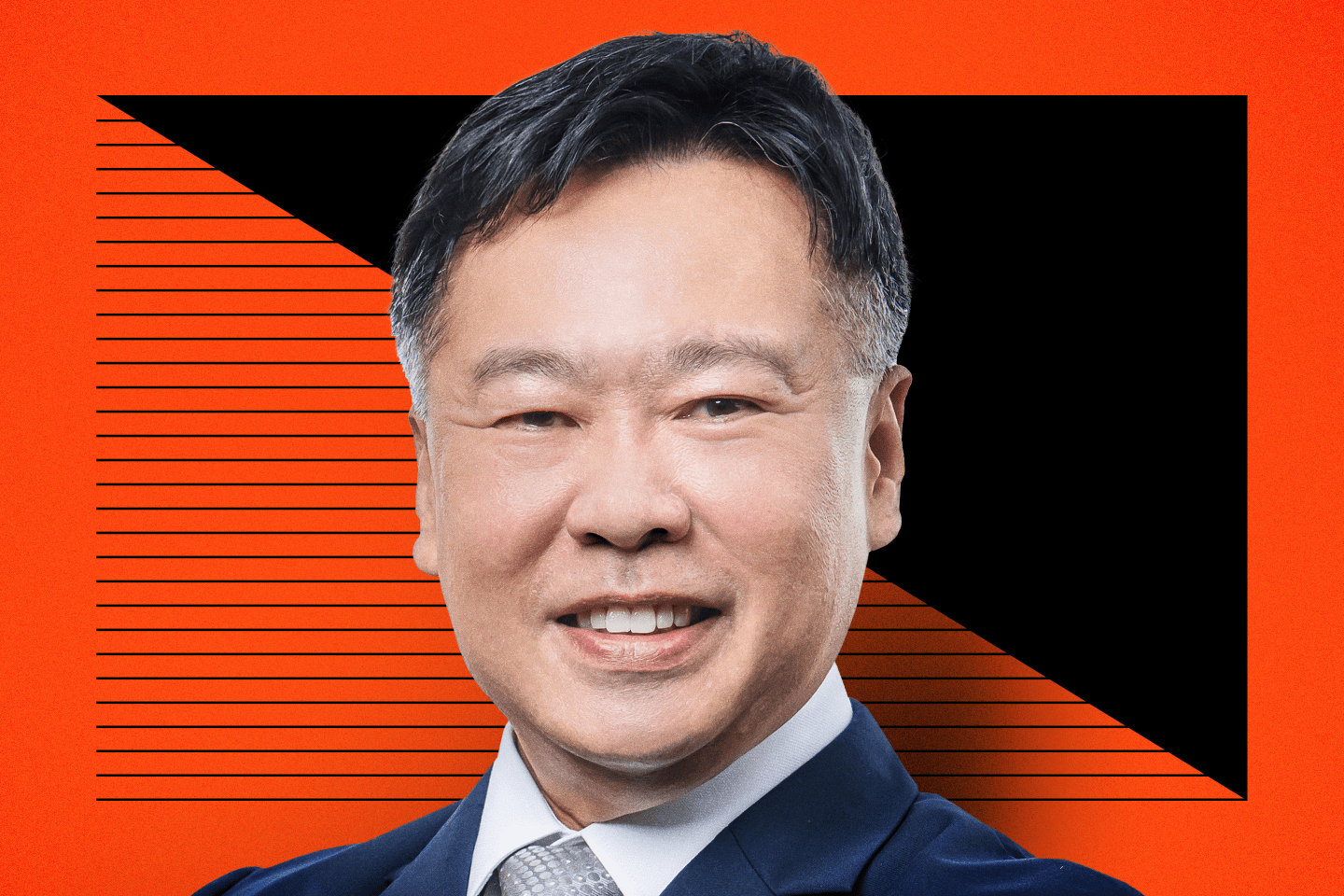
How Chris Ong helped Seatrium emerge from a messy merger between two shipyards to become a profitable offshore oil and wind giant
AsiaAsia Agenda
How Chris Ong helped Seatrium emerge from a messy merger between two shipyards to become a profitable offshore oil and wind giant
By Nicholas Gordon and Angelica AngApril 23, 2026
16 hours ago
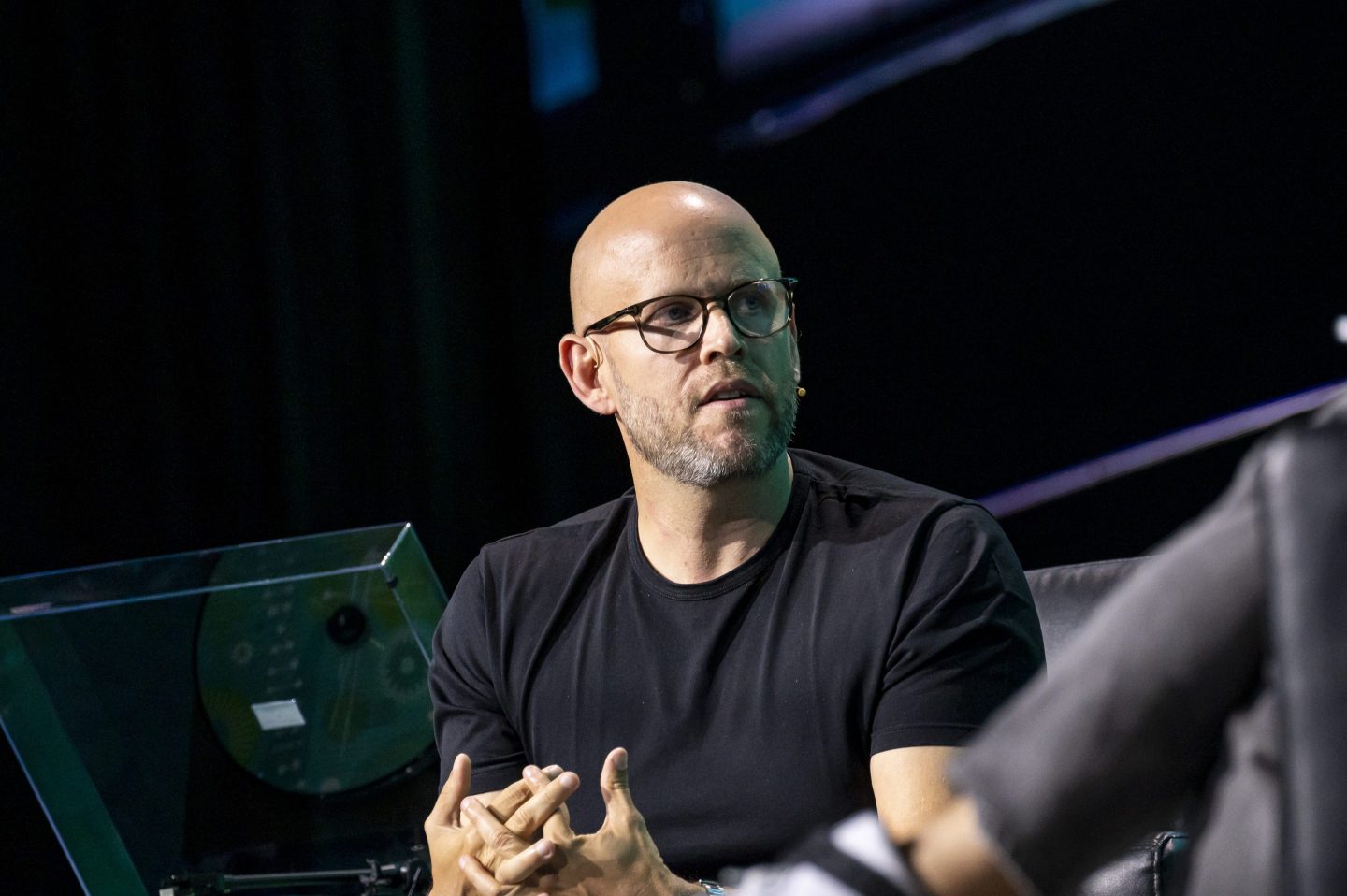
Spotify just turned 20. Here’s how founder Daniel Ek built it into a $100 billion music empire by being the ‘least powerful person’ at the company
Big TechSpotify
Spotify just turned 20. Here’s how founder Daniel Ek built it into a $100 billion music empire by being the ‘least powerful person’ at the company
By Marco Quiroz-GutierrezApril 23, 2026
16 hours ago
ken
Commentary250 Years of Innovation
The longevity revolution is here. Our systems still think we die at 65
By Ken DychtwaldApril 23, 2026
17 hours ago
anirudh
Conferencesdisruption
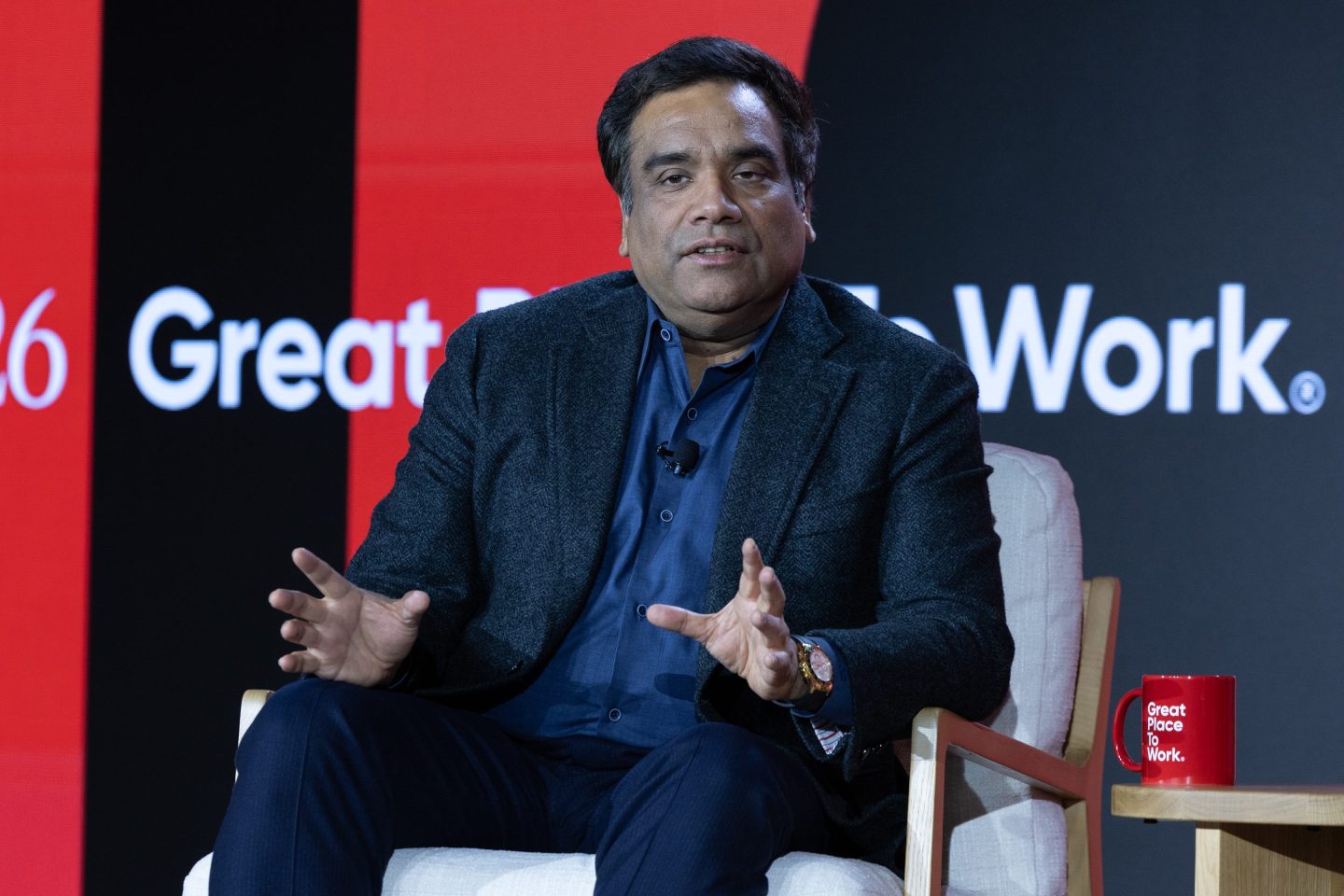
Cadence CEO on the AI boom and human nature: ‘there are more tools, but the human part is not different’
By Nick LichtenbergApril 23, 2026
17 hours ago

Most Popular

When interest on national debt overtook military spending, it triggered a limit where the U.S. may ‘cease to be a great power,’ warns Hoover historian
Economy
When interest on national debt overtook military spending, it triggered a limit where the U.S. may ‘cease to be a great power,’ warns Hoover historian
By Eleanor PringleApril 23, 2026
1 day ago
Despite nearing their 60s, nearly four in 10 Americans heading towards the end of their careers don’t even have a retirement account
Success
Despite nearing their 60s, nearly four in 10 Americans heading towards the end of their careers don’t even have a retirement account
By Emma BurleighApril 23, 2026
22 hours ago
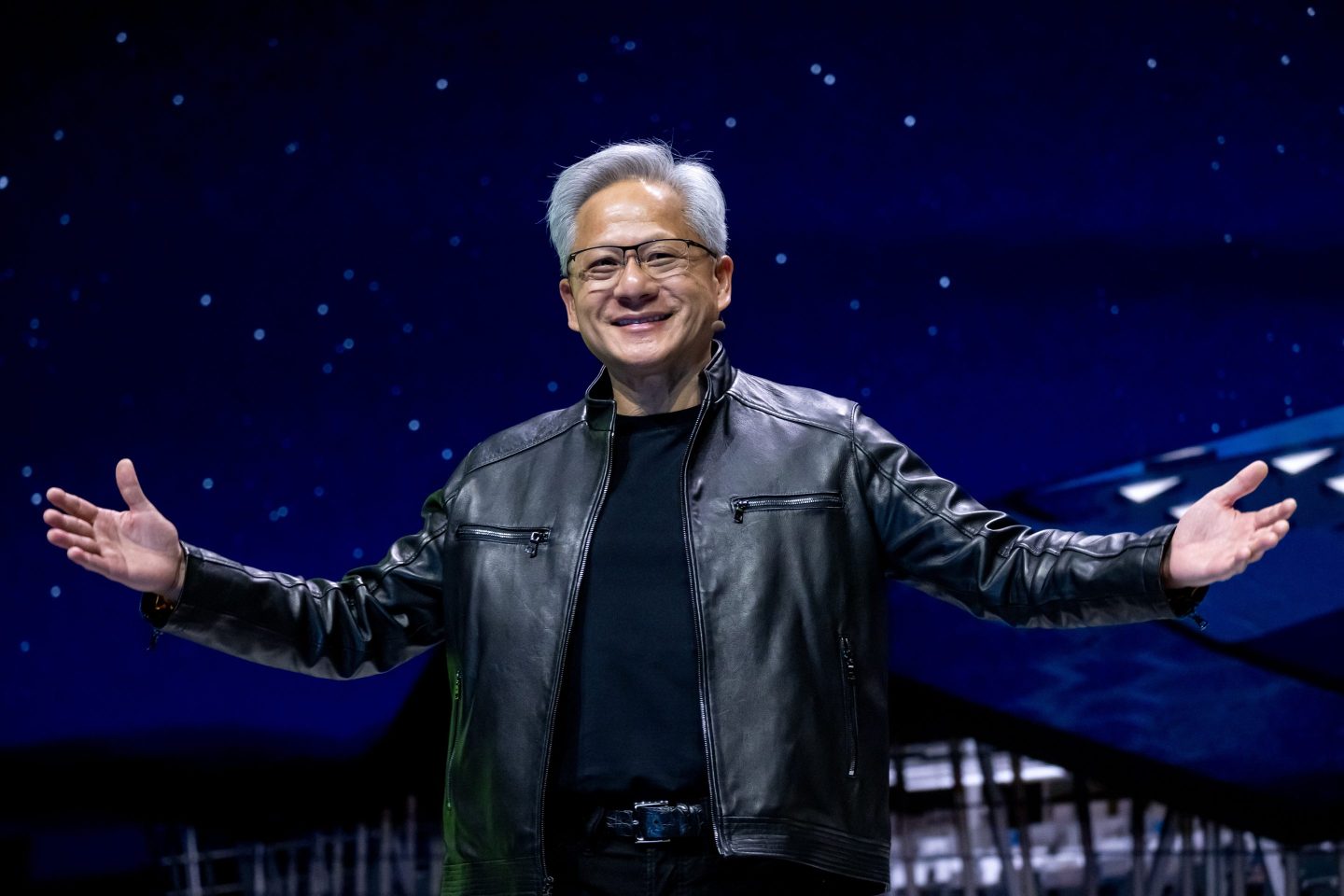
‘Don’t leave’: Jensen Huang challenges billionaire class as he insists ‘highest taxes in the world’ are OK with him
Big Tech
‘Don’t leave’: Jensen Huang challenges billionaire class as he insists ‘highest taxes in the world’ are OK with him
By Jacqueline MunisApril 23, 2026
16 hours ago
Cursor’s 25-year-old CEO is a former Google intern who just inked a $60 billion deal with SpaceX
AI
Cursor’s 25-year-old CEO is a former Google intern who just inked a $60 billion deal with SpaceX
By Marco Quiroz-GutierrezApril 22, 2026
2 days ago
Officials will flush 50,000 toilets to flood a Utah lake in order to generate electricity
Environment
Officials will flush 50,000 toilets to flood a Utah lake in order to generate electricity
By Mead Gruver, Dorany Pineda and The Associated PressApril 22, 2026
2 days ago
The Iran war is pushing Southeast Asia to debate the once unthinkable: Whether ships will need to pay to transit the Strait of Malacca
Economy
The Iran war is pushing Southeast Asia to debate the once unthinkable: Whether ships will need to pay to transit the Strait of Malacca
By Angelica AngApril 23, 2026
1 day ago

© 2026 Fortune Media IP Limited. All Rights Reserved. Use of this site constitutes acceptance of our Terms of Use and Privacy Policy | CA Notice at Collection and Privacy Notice | Do Not Sell/Share My Personal Information
FORTUNE is a trademark of Fortune Media IP Limited, registered in the U.S. and other countries. FORTUNE may receive compensation for some links to products and services on this website. Offers may be subject to change without notice.