• Home
  • Latest
  • Fortune 500
  • Finance
  • Tech
  • Leadership
  • Lifestyle
  • Rankings
  • Multimedia
Retail

Taxing drinks gives pols a sugar rush

By
Dan Mitchell
Dan Mitchell
Down Arrow Button Icon
By
Dan Mitchell
Dan Mitchell
Down Arrow Button Icon
July 25, 2014, 1:22 PM ET
154394355
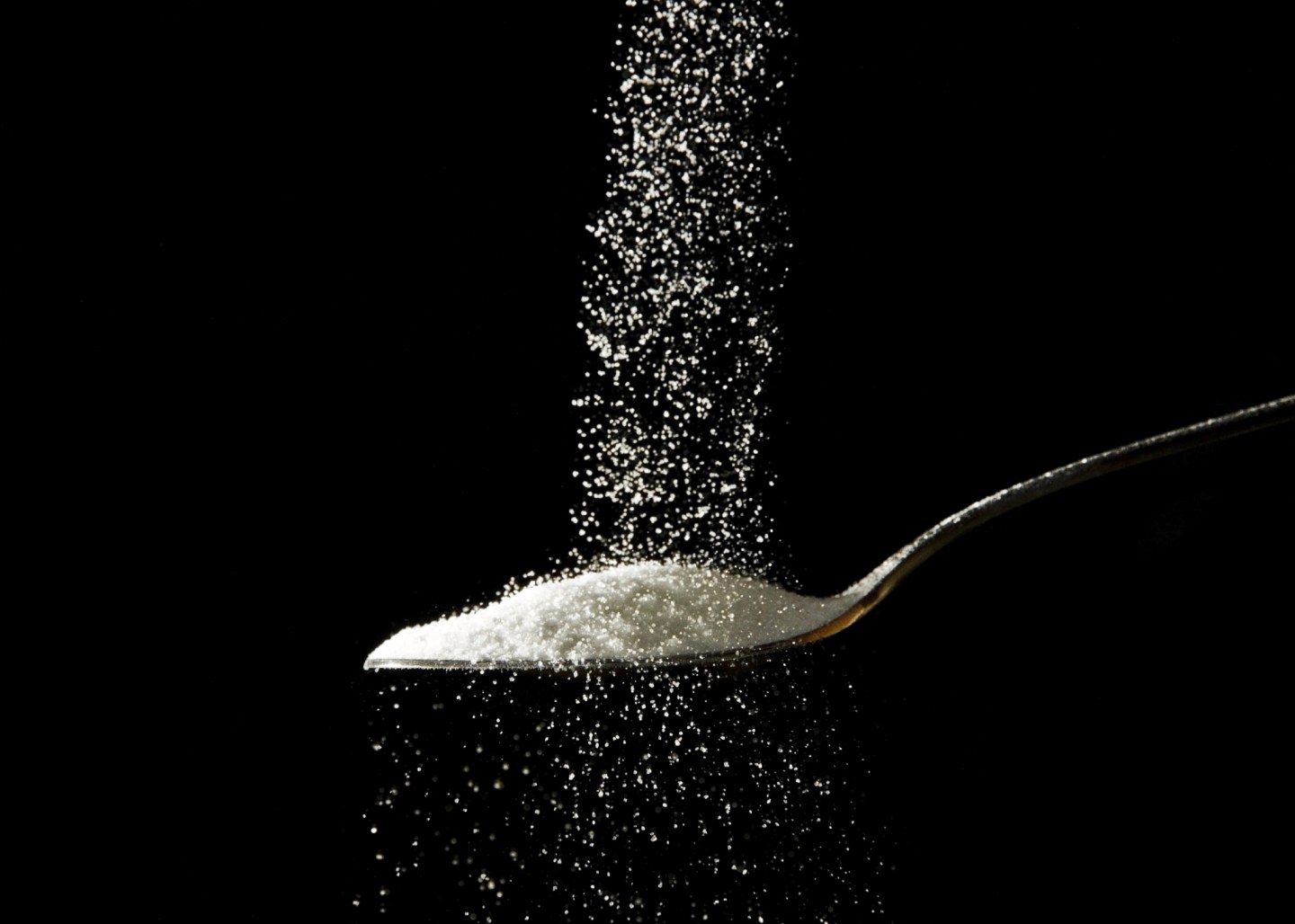
A Spoonful of SugarASColgan Photography—Getty Images/Flickr RF

It’s hard to cheer for the beverage and sugar lobbies, which engage in more dissembling than even many other corporate interest groups do. So some of us might naturally gravitate toward governments—like, most recently, the city of San Francisco—that want to slap heavy taxes on sugary soft drinks. After all, those governments are, at least ostensibly, looking out for our health, and sugar is terrible for us.

But that shouldn’t sway anyone. There have been studies coming to various conclusions about soda taxes, but the bottom line is that they aren’t fair and, for the most part, they don’t work.

At the same time, the arguments most often lodged against the taxes—that they increase the power of the “nanny state” and that they are regressive—aren’t persuasive, though there is some truth behind both claims. We have all kinds of so-called “sin taxes”: on booze, on tobacco, on tanning salons. The jury returned long ago on the question of whether we should tax bad behaviors to decrease the incidence of them. We have decided that, sometimes, we should.

And while we should always be careful before imposing taxes that land most heavily on the poor, it’s not logical to argue that because poor people happen to consume more of something than wealthier people do, we shouldn’t tax that consumption. If we have decided to tax a vice in order to discourage it, the implication is that we’re trying to help the people who engage in it the most, however much or little money they might make.

But any tax imposed should at least make sense from a policy perspective. On Tuesday, the San Francisco Board of Supervisors opted for insensibility when it voted to put a measure on the November ballot asking voters to decide whether to the issue to slap a tax of 2 cents per ounce on sugary beverages. The city’s economist, Ted Egan, issued a report that the tax would lower consumption by 31% and raise between $35 million and $52 million a year, which would be directed toward public-health programs and education.

The precision of the estimate of the drop in consumption is interesting when set against the loose range in the amount raised — the higher figure is 150% higher than the lower one. But let’s take Egan’s consumption estimate at face value. If people in San Francisco drink 31% less sugary soda, does it follow that they will become thinner and healthier? Probably not—and certainly not 31% thinner and healthier. That’s despite a raft of studies over the years purporting to prove that such taxes reduce obesity (though they usually don’t claim reductions as high as 31%—usually the claims are closer to half that).

Earlier this year, Jason Fletcher, a health economist at the University of Wisconsin, published the results of a study finding that such taxes might not have any effect at all on obesity rates. That’s because people who are denied sugar in one form are likely to simply switch to another source. Previous studies have assumed that didn’t happen, because they looked at household data rather than individual consumption patterns, Fletcher said at the time. His study, published in the journal Health Economics, found that “increases in soft drink tax rates do correlate to less soda consumption, but not a reduction in calorie intake.” The effect of soda taxes on obesity, the study concluded were “small in magnitude and not statistically significant.” In one group examined — people in Ohio, which has a statewide soda tax — obesity actually increased.

The results, Fletcher said, “suggest we need fundamental changes to policies that make large soda taxes a key element in the fight to reduce overall obesity rates.”

The logical next step would be to tax all foods containing sugars, which would at least be fair. Why should Gatorade be taxed more than a package of Ho-Hos? But nobody’s suggesting such a tax, of course.

None of this means much to politicians who think they can make hay out of the issue. In San Francisco, that often means displaying one’s progressive credentials. “In San Francisco, we set examples,” said David Chiu, president of the Board of Supervisors. Setting examples is too often the primary goal of lawmakers, especially in that particular city. It would be much more laudable for him to have said, “In San Francisco, we make sound, fact-driven public policy decisions.” But that wouldn’t stir up the electorate there, which is often so reflexively anti-corporate.


About the Author
By Dan Mitchell
See full bioRight Arrow Button Icon

Latest in Retail

Finance
Lorem ipsum dolor sit amet, consectetur adipiscing elit, sed do eiusmod tempor incididunt ut labore et dolore magna aliqua. Ut enim ad minim veniam
By Fortune Editors
October 20, 2025
Finance
Lorem ipsum dolor sit amet, consectetur adipiscing elit, sed do eiusmod tempor incididunt ut labore et dolore magna aliqua. Ut enim ad minim veniam
By Fortune Editors
October 20, 2025
Finance
Lorem ipsum dolor sit amet, consectetur adipiscing elit, sed do eiusmod tempor incididunt ut labore et dolore magna aliqua. Ut enim ad minim veniam
By Fortune Editors
October 20, 2025
Finance
Lorem ipsum dolor sit amet, consectetur adipiscing elit, sed do eiusmod tempor incididunt ut labore et dolore magna aliqua. Ut enim ad minim veniam
By Fortune Editors
October 20, 2025
Finance
Lorem ipsum dolor sit amet, consectetur adipiscing elit, sed do eiusmod tempor incididunt ut labore et dolore magna aliqua. Ut enim ad minim veniam
By Fortune Editors
October 20, 2025
Finance
Lorem ipsum dolor sit amet, consectetur adipiscing elit, sed do eiusmod tempor incididunt ut labore et dolore magna aliqua. Ut enim ad minim veniam
By Fortune Editors
October 20, 2025

Most Popular

Finance
Lorem ipsum dolor sit amet, consectetur adipiscing elit, sed do eiusmod tempor incididunt ut labore et dolore magna aliqua. Ut enim ad minim veniam
By Fortune Editors
October 20, 2025
Finance
Lorem ipsum dolor sit amet, consectetur adipiscing elit, sed do eiusmod tempor incididunt ut labore et dolore magna aliqua. Ut enim ad minim veniam
By Fortune Editors
October 20, 2025
Finance
Lorem ipsum dolor sit amet, consectetur adipiscing elit, sed do eiusmod tempor incididunt ut labore et dolore magna aliqua. Ut enim ad minim veniam
By Fortune Editors
October 20, 2025
Finance
Lorem ipsum dolor sit amet, consectetur adipiscing elit, sed do eiusmod tempor incididunt ut labore et dolore magna aliqua. Ut enim ad minim veniam
By Fortune Editors
October 20, 2025
Finance
Lorem ipsum dolor sit amet, consectetur adipiscing elit, sed do eiusmod tempor incididunt ut labore et dolore magna aliqua. Ut enim ad minim veniam
By Fortune Editors
October 20, 2025
Finance
Lorem ipsum dolor sit amet, consectetur adipiscing elit, sed do eiusmod tempor incididunt ut labore et dolore magna aliqua. Ut enim ad minim veniam
By Fortune Editors
October 20, 2025
Rankings
  • 100 Best Companies
  • Fortune 500
  • Global 500
  • Fortune 500 Europe
  • Most Powerful Women
  • Future 50
  • World’s Most Admired Companies
  • See All Rankings
Sections
  • Finance
  • Leadership
  • Success
  • Tech
  • Asia
  • Europe
  • Environment
  • Fortune Crypto
  • Health
  • Retail
  • Lifestyle
  • Politics
  • Newsletters
  • Magazine
  • Features
  • Commentary
  • Mpw
  • CEO Initiative
  • Conferences
  • Personal Finance
  • Education
Customer Support
  • Frequently Asked Questions
  • Customer Service Portal
  • Privacy Policy
  • Terms Of Use
  • Single Issues For Purchase
  • International Print
Commercial Services
  • Advertising
  • Fortune Brand Studio
  • Fortune Analytics
  • Fortune Conferences
  • Business Development
About Us
  • About Us
  • Editorial Calendar
  • Press Center
  • Work At Fortune
  • Diversity And Inclusion
  • Terms And Conditions
  • Site Map
  • Facebook icon
  • Twitter icon
  • LinkedIn icon
  • Instagram icon
  • Pinterest icon

Most Popular

placeholder alt text
Economy
Elon Musk warns the U.S. is '1,000% going to go bankrupt' unless AI and robotics save the economy from crushing debt
By Jason MaFebruary 7, 2026
1 day ago
placeholder alt text
Success
Even with $850 billion to his name, Elon Musk admits ‘money can’t buy happiness.’ But billionaire Mark Cuban says it’s not so simple
By Preston ForeFebruary 6, 2026
2 days ago
placeholder alt text
Success
Gen Z Patriots quarterback Drake Maye still drives a 2015 pickup truck even after it broke down on the highway—despite his $37 million contract
By Sasha RogelbergFebruary 7, 2026
2 days ago
placeholder alt text
Future of Work
Anthropic cofounder says studying the humanities will be 'more important than ever' and reveals what the AI company looks for when hiring
By Jason MaFebruary 7, 2026
1 day ago
placeholder alt text
AI
AI can make anyone rich: Mark Cuban says it could turn 'just one dude in a basement' into a trillionaire
By Sydney LakeFebruary 7, 2026
1 day ago
placeholder alt text
Real Estate
We may be looking at the housing affordability crisis all wrong. Higher earners are driving home prices, not lack of supply, researchers say
By Jason MaFebruary 7, 2026
22 hours ago

© 2026 Fortune Media IP Limited. All Rights Reserved. Use of this site constitutes acceptance of our Terms of Use and Privacy Policy | CA Notice at Collection and Privacy Notice | Do Not Sell/Share My Personal Information
FORTUNE is a trademark of Fortune Media IP Limited, registered in the U.S. and other countries. FORTUNE may receive compensation for some links to products and services on this website. Offers may be subject to change without notice.


Latest in Retail

RetailEurope
Trump’s Greenland crisis triggered a surge in apps designed to help shoppers boycott U.S. goods, though few American imports are on store shelves
By James Brooks and The Associated PressFebruary 8, 2026
7 hours ago
colorado
RetailGrocery
Grocery prices have surged 25% in Colorado since the pandemic with Kroger and Walmart sharing half the market. Enter Aldi
By Jack Buffington and The ConversationFebruary 8, 2026
10 hours ago
C-SuiteRetail
Meet the CEO taking Victoria’s Secret from ‘woke-washing’ to owning sexy again
By Emma HinchliffeFebruary 7, 2026
2 days ago
Arts & EntertainmentSuper Bowl
Many 2026 Super Bowl ads share a common theme, revealing a truth about America’s current mindset
By Mae Anderson and The Associated PressFebruary 6, 2026
2 days ago
super bowl
Arts & EntertainmentFood and drink
Your Super Bowl party can beat inflation, Wells Fargo says. Just double down on wings and guac and skip the beef
By Nick LichtenbergFebruary 6, 2026
2 days ago
A woman holds up a peace sign as she runs in the New York City Marathon.
RetailLuxury
Gen Z’s latest status symbol is running a marathon—and it’s terrible news for Gucci, Louis Vuitton, and Hermès
By Sasha RogelbergFebruary 6, 2026
3 days ago