
• Home
  • Latest
  • Fortune 500
  • Finance
  • Tech
  • Leadership
  • Lifestyle
  • Rankings
  • Multimedia
RetailAvon

The depths of Avon’s U.S. despair

Phil Wahba
By
Phil Wahba
Phil Wahba
Senior Writer
Down Arrow Button Icon
Phil Wahba
By
Phil Wahba
Phil Wahba
Senior Writer
Down Arrow Button Icon
July 18, 2014, 7:00 AM ET
Avon Products Ahead Of Earnings Figures
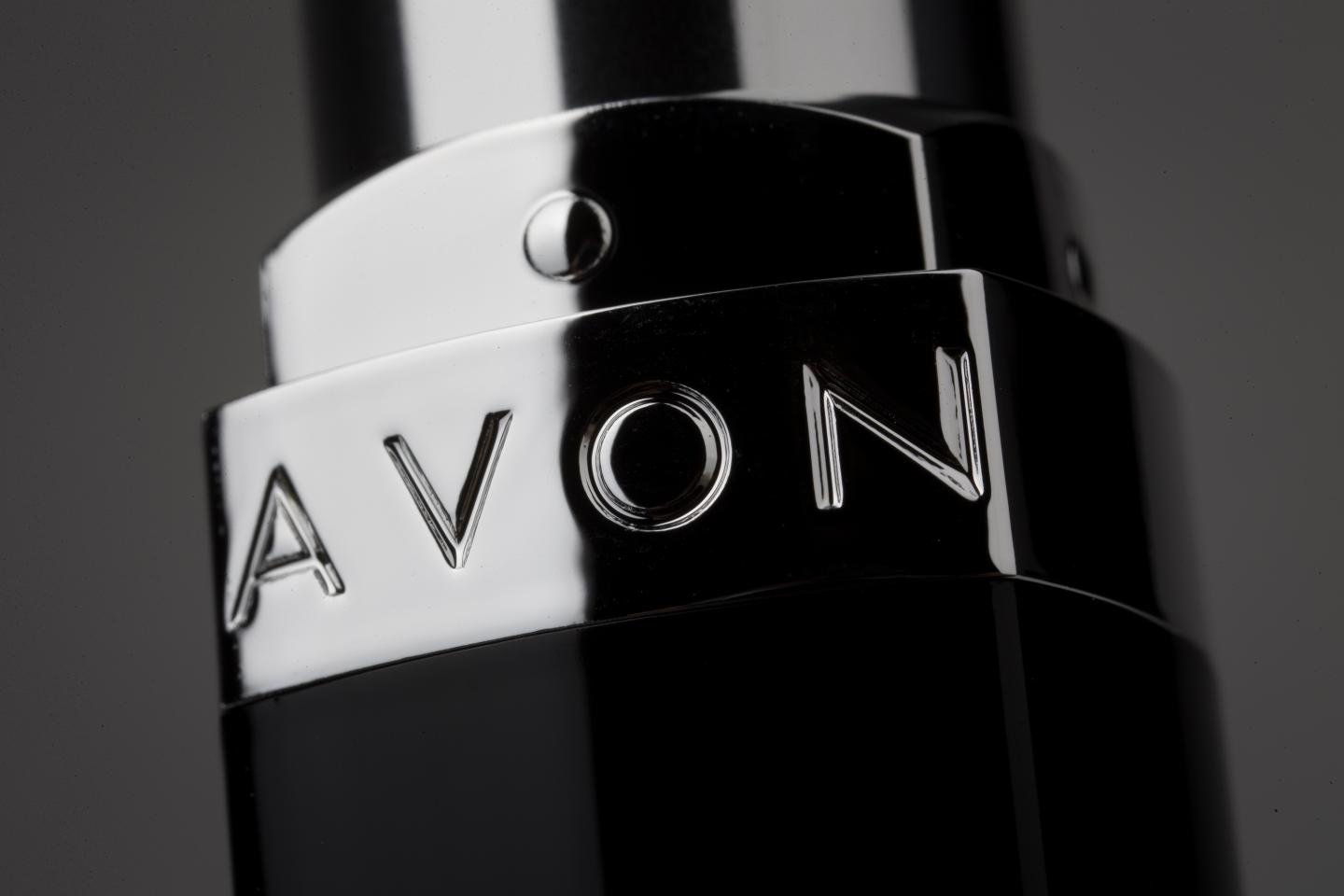
The Avon Products Inc. logo is seen on a lipstick arranged for a photograph in New York, U.S., on Tuesday, July 30, 2013. Avon Products Inc., the door-to-door cosmetics retailer, is scheduled to release earnings on Aug. 1. Photographer: Scott Eells/Bloomberg via Getty ImagesPhotograph by Scott Eells — Bloomberg/Getty Images

Avon Ladies used to be a fixture of U.S. pop culture, their ‘Ding Dong Avon Calling’ rallying cry part of the vernacular.

But the beauty products direct-seller’s salesforce has dwindled in size along with Avon’s (AVP) U.S. sales, which have been in a free fall for the last few years.

The 128-year-old beauty company, known for products such as Skin-So-Soft and ANEW skincare, has been hit by a triple whammy: the rise in sales of low-priced beauty products at mass-market chains such as Walgreen (WAG) and Dollar General (DG), the apparent obsolescence of its direct-selling model for beauty items, and ill-advised forays into fashion, jewelry and pricier skincare products that alienated many customers.

In 2004, Avon’s North American sales hit $2.6 billion. By 2013, they had fallen to $1.46 billion, despite the company’s efforts to steady the business in the last couple of years through steps such as improving reps’ cut of the action, and streamlining its product assortment to focus on lower-priced products. But the sales declines are only accelerating: in the first three months of 2014, North American revenue fell 21% and Wall Street analysts are not expecting any better when Avon reports second-quarter results in late July. Equities trading firm BTIG Research said last month it is assuming North American sales will fall 6% a year going forward.

Perhaps more worrisome for company, the Avon Ladies, its secret sauce, are dropping out in droves, the size of the salesforce dropping by a double-digit percentage in both 2012 and 2013 to about 300,000 now. (It was about 600,000 at its peak.) That makes it all the more difficult for a direct-seller reliant on “word-of-mouth” to make consumers aware of its products and for reps to make money, resulting in a vicious cycle of declining sales for Avon.

Avon CEO Sheri McCoy, who took the helm in 2012 to fix a cosmetics giant left in disarray by her predecessor Andrea Jung, has repeatedly said that because of Avon’s heritage, the fixing the U.S. business is her “No.1 priority”, and has pledged to return its second biggest market to profitability in 2015. She has dismissed calls for Avon to consider dropping out of the U.S. altogether, as it did in markets like Vietnam, South Korea and Ireland, so it could focus on more promising markets like Brazil, its biggest, Russia and Mexico.

In February, Avon’s then-new senior vice president for North America, Pablo Munoz, laid out the company’s plan to get back on its feet in its home market. That includes more marketing aimed specifically at Hispanics, who remain loyal Avon customers, and offering a smaller array of products to reduce production and printing costs. And in September, Avon will launch a new e-commerce site. But it is clear that even Avon doesn’t expect a quick fix to problems that have been years in the making: Avon last month fired 600 people in North America in its latest round of job cuts. These follow cost-cutting steps in recent years, such as closing a manufacturing facility in Ohio and two distribution facilities.

But there’s a growing sense on Wall Street that these latest efforts might be too little, too late, all the more since Avon’s previous “restructuring” attempts have all failed. Last year, it abandoned a pilot in Canada of a computer system it hoped to transfer to the U.S. to make interacting with reps, including taking orders and paying commissions, smoother. The computer system had the opposite effect and hurt sales.

“The world around Avon has changed- they can’t just do things the way they used to,” Ali Dibadj, an analyst with Sanford C. Bernstein & Co, told Fortune.

An Avon spokeswoman said that the U.S. is a strong market, with both the beauty sector and the direct selling industry growing. She said the company is working aggressively to improve its U.S. business, and specifically on initiatives to make the Representative experience in the U.S. even better.

Be that as it may, there are signs that direct selling is an antiquated way of hawking beauty products, even beyond Avon-specific issues: according to the Direct Selling Association, revenue across the industry from items sold in this manner rose 3% to $32.67 billion last year. But that growth came from categories such as wellness products like neutra-ceuticals and home goods. In contrast, sales of personal care products such as cosmetics have fallen each year since 2009. Even a successful company like Tupperware (TUP) has seen beauty product sales decline sharply since 2009, while sales of its namesake containers have soared.

One idea that occasionally surfaces among analysts is the viability of hooking up with a large retailer that would sell licensed Avon’s products, or perhaps use Avon to manufacture private label beauty products. But those models have their own complexities, such as managing supply for one big client. And besides, McCoy has repeatedly defended the viability of direct-selling and said the Avon Ladies are the heart and soul of Avon.

Still, with hundreds of millions of dollars in operating losses in North America in the last three years and counting, Avon can’t afford to stumble in the U.S. indefinitely.

When Avon reports on July 31, the first thing Wall Street analysts will look for is any improvement in the rate of decline in the number of North Americans representatives, since that will be the first gauge of whether Avon’s latest attempt to fix the U.S. market is taking hold by keeping more of the people it relies on to sell its products.

“What you want to see first and foremost is the number of reps stabilize,” said Morningstar analyst Erin Lash.


About the Author
Phil Wahba
By Phil WahbaSenior Writer
LinkedIn iconTwitter icon

Phil Wahba is a senior writer at Fortune primarily focused on leadership coverage, with a prior focus on retail.

See full bioRight Arrow Button Icon

Latest in Retail

Finance
Lorem ipsum dolor sit amet, consectetur adipiscing elit, sed do eiusmod tempor incididunt ut labore et dolore magna aliqua. Ut enim ad minim veniam
By Fortune Editors
October 20, 2025
Finance
Lorem ipsum dolor sit amet, consectetur adipiscing elit, sed do eiusmod tempor incididunt ut labore et dolore magna aliqua. Ut enim ad minim veniam
By Fortune Editors
October 20, 2025
Finance
Lorem ipsum dolor sit amet, consectetur adipiscing elit, sed do eiusmod tempor incididunt ut labore et dolore magna aliqua. Ut enim ad minim veniam
By Fortune Editors
October 20, 2025
Finance
Lorem ipsum dolor sit amet, consectetur adipiscing elit, sed do eiusmod tempor incididunt ut labore et dolore magna aliqua. Ut enim ad minim veniam
By Fortune Editors
October 20, 2025
Finance
Lorem ipsum dolor sit amet, consectetur adipiscing elit, sed do eiusmod tempor incididunt ut labore et dolore magna aliqua. Ut enim ad minim veniam
By Fortune Editors
October 20, 2025
Finance
Lorem ipsum dolor sit amet, consectetur adipiscing elit, sed do eiusmod tempor incididunt ut labore et dolore magna aliqua. Ut enim ad minim veniam
By Fortune Editors
October 20, 2025

Most Popular

Finance
Lorem ipsum dolor sit amet, consectetur adipiscing elit, sed do eiusmod tempor incididunt ut labore et dolore magna aliqua. Ut enim ad minim veniam
By Fortune Editors
October 20, 2025
Finance
Lorem ipsum dolor sit amet, consectetur adipiscing elit, sed do eiusmod tempor incididunt ut labore et dolore magna aliqua. Ut enim ad minim veniam
By Fortune Editors
October 20, 2025
Finance
Lorem ipsum dolor sit amet, consectetur adipiscing elit, sed do eiusmod tempor incididunt ut labore et dolore magna aliqua. Ut enim ad minim veniam
By Fortune Editors
October 20, 2025
Finance
Lorem ipsum dolor sit amet, consectetur adipiscing elit, sed do eiusmod tempor incididunt ut labore et dolore magna aliqua. Ut enim ad minim veniam
By Fortune Editors
October 20, 2025
Finance
Lorem ipsum dolor sit amet, consectetur adipiscing elit, sed do eiusmod tempor incididunt ut labore et dolore magna aliqua. Ut enim ad minim veniam
By Fortune Editors
October 20, 2025
Finance
Lorem ipsum dolor sit amet, consectetur adipiscing elit, sed do eiusmod tempor incididunt ut labore et dolore magna aliqua. Ut enim ad minim veniam
By Fortune Editors
October 20, 2025
Fortune Secondary Logo
Rankings
  • 100 Best Companies
  • Fortune 500
  • Global 500
  • Fortune 500 Europe
  • Most Powerful Women
  • World's Most Admired Companies
  • See All Rankings
  • Lists Calendar
Sections
  • Finance
  • Fortune Crypto
  • Features
  • Leadership
  • Health
  • Commentary
  • Success
  • Retail
  • Mpw
  • Tech
  • Lifestyle
  • CEO Initiative
  • Asia
  • Politics
  • Conferences
  • Europe
  • Newsletters
  • Personal Finance
  • Environment
  • Magazine
  • Education
Customer Support
  • Frequently Asked Questions
  • Customer Service Portal
  • Privacy Policy
  • Terms Of Use
  • Single Issues For Purchase
  • International Print
Commercial Services
  • Advertising
  • Fortune Brand Studio
  • Fortune Analytics
  • Fortune Conferences
  • Business Development
  • Group Subscriptions
About Us
  • About Us
  • Press Center
  • Work At Fortune
  • Terms And Conditions
  • Site Map
  • About Us
  • Press Center
  • Work At Fortune
  • Terms And Conditions
  • Site Map
  • Facebook icon
  • Twitter icon
  • LinkedIn icon
  • Instagram icon
  • Pinterest icon

Latest in Retail

Aerie built a $2 billion brand by rejecting Victoria’s Secret’s old playbook. Now it wants to win the AI backlash.
C-SuiteRetail
Aerie built a $2 billion brand by rejecting Victoria’s Secret’s old playbook. Now it wants to win the AI backlash.
By Phil WahbaApril 30, 2026
8 hours ago
Starbucks is winning customers back after investing $500 million in workers and stores
Workplace CultureFortune 500
Starbucks is winning customers back after investing $500 million in workers and stores
By Phil WahbaApril 29, 2026
23 hours ago
starbucks
Retailearnings
‘A little touch of luxury, it goes a long way’: Starbucks CEO sees the turn in the turnaround as human touch sings
By Nick LichtenbergApril 29, 2026
1 day ago
greer
CommentaryTariffs
No, tariffs are not strengthening the economy
By Alex DuranteApril 29, 2026
1 day ago
mormon
RetailMcDonald's
‘Our fans have an obsession with beverages’: McDonald’s jumps on ‘dirty soda’ trend from TikTok and ‘Secret Lives of Mormon Wives’
By Dee-Ann Durbin, Nick Lichtenberg and The Associated PressApril 28, 2026
2 days ago
Exclusive: Michael Boes talks being named the first-ever chief MAHA officer. ‘Nothing’s been off the table’
C-SuiteHealth
Exclusive: Michael Boes talks being named the first-ever chief MAHA officer. ‘Nothing’s been off the table’
By Catherina GioinoApril 24, 2026
6 days ago

Most Popular

Apple cofounder Ronald Wayne—whose stake would be worth up to $400 billion had he not sold it in 1976—says that at 91, he has no regrets
Success
Apple cofounder Ronald Wayne—whose stake would be worth up to $400 billion had he not sold it in 1976—says that at 91, he has no regrets
By Preston ForeApril 27, 2026
3 days ago
Jamie Dimon gets candid about national debt: ‘There will be a bond crisis, and then we’ll have to deal with it’
Economy
Jamie Dimon gets candid about national debt: ‘There will be a bond crisis, and then we’ll have to deal with it’
By Eleanor PringleApril 29, 2026
1 day ago
‘They left me no choice’: Powell isn’t going anywhere—blocking Trump from another Fed appointee
Banking
‘They left me no choice’: Powell isn’t going anywhere—blocking Trump from another Fed appointee
By Eva RoytburgApril 29, 2026
20 hours ago
‘The cost of compute is far beyond the costs of the employees’: Nvidia executive says right now AI is more expensive than paying human workers
AI
‘The cost of compute is far beyond the costs of the employees’: Nvidia executive says right now AI is more expensive than paying human workers
By Sasha RogelbergApril 28, 2026
2 days ago
‘Take the money and run’: Johns Hopkins economist Steve Hanke on why the UAE quit OPEC
Energy
‘Take the money and run’: Johns Hopkins economist Steve Hanke on why the UAE quit OPEC
By Shawn TullyApril 29, 2026
1 day ago
Google Cloud revenue is now 18% of Alphabet's business. Is this the beginning of the end of Google's search identity?
Big Tech
Google Cloud revenue is now 18% of Alphabet's business. Is this the beginning of the end of Google's search identity?
By Alexei OreskovicApril 29, 2026
14 hours ago

© 2026 Fortune Media IP Limited. All Rights Reserved. Use of this site constitutes acceptance of our Terms of Use and Privacy Policy | CA Notice at Collection and Privacy Notice | Do Not Sell/Share My Personal Information
FORTUNE is a trademark of Fortune Media IP Limited, registered in the U.S. and other countries. FORTUNE may receive compensation for some links to products and services on this website. Offers may be subject to change without notice.