• Home
  • Latest
  • Fortune 500
  • Finance
  • Tech
  • Leadership
  • Lifestyle
  • Rankings
  • Multimedia
FeaturesFBI

Does the FBI’s marijuana policy breed dishonest applicants?

By
Daniel Roberts
Daniel Roberts
Down Arrow Button Icon
By
Daniel Roberts
Daniel Roberts
Down Arrow Button Icon
May 28, 2014, 6:55 PM ET
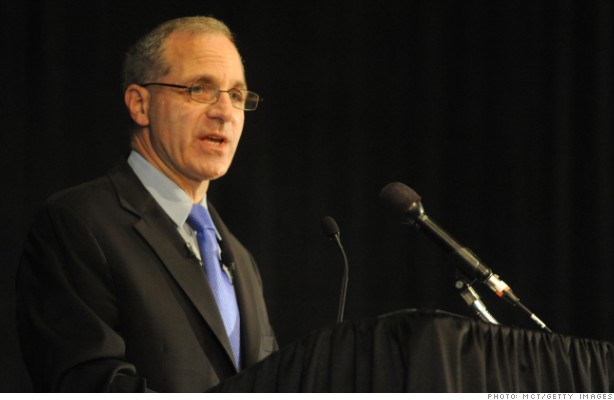
Louis Freeh addresses the media during a press conference at the Westin Hotel in Scranton, Pennsylvania, Thursday, July 12, 2012, where he released the findings of his investigation into the Penn State scandal. (Christopher Weddle/Centre Daily Times/MCT)
Louis Freeh addresses the media during a press conference at the Westin Hotel in Scranton, Pennsylvania, Thursday, July 12, 2012, where he released the findings of his investigation into the Penn State scandal. (Christopher Weddle/Centre Daily Times/MCT)Photo: Christopher Weddle/ Centre Daily Times/MCT/Getty

FORTUNE — As marijuana law continues to change and evolve, federal agencies are eventually going to have to adapt as well—and they know it.

Last week, FBI director James Comey—still relatively new to the directorship, having started in September—inadvertently created headlines with comments he made at the American Bar Association’s white-collar crime conference in Manhattan. At the event, Comey touched on the bureau’s hiring policy as it relates to marijuana. Congress authorized the agency to make as many as 2,000 new hires this year — many of those will likely be computer programmers. “I have to hire a great workforce to compete with those cyber criminals and some of those kids want to smoke weed on the way to the interview,” Comey lamented. He also acknowledged that the FBI is “grappling with the question right now” of altering its stringent marijuana policies, although at another event a few days later he added that he didn’t foresee any changes yet.

The current policy states that an applicant who has “used marijuana at all within the last three years” is “not eligible for employment with the FBI.”

And that’s even less strict than it once was. The three-year rule was initiated in 2007—the policy was once one of zero-tolerance, meaning any new agent that copped to having ever smoked marijuana, period, would not be hired. It is ironic, considering his reputation for unflinching morals and strict investigative findings, that it was former director Louis Freeh, now a private investigator, who first attempted to make the bureau’s marijuana policy a bit more lax.

MORE: Louis Freeh, private eye

In talks with Fortune for a July 2013 feature profile, Freeh, who was the third-longest serving FBI director until Robert Mueller served for 12 years, told a story from when he first took the job in September 1993. “We had a policy when I came on board that if you had ever smoked a single joint of marijuana, you couldn’t be an FBI agent. I changed that,” he said. “It created a little bit of controversy at the time.” He continued:

I said to our guys, ‘Look, I’m 42, most of you guys are 50, have you ever smoked marijuana?’ They said no, and I believed them. But I said, ‘These young men and women coming in today, they’ve all smoked a couple times. They all know our policy and they know that if they say they’ve ever smoked a joint, they’re out of the process. So they all lie.’ And they said, ‘We never really thought about it that way.’ So I asked, ‘Do we want our new agents’ first interaction with the Bureau to be a lie?’ So I changed the policy.

A lot of guys said, ‘This is wrong, boss, you can’t do it.’ I said, ‘My purpose is not to encourage people to smoke marijuana, but I don’t want people lying to us on their first application when they come in.’ So, if Louis smoked five joints in the past, never sold to anyone, as long as he discloses it, it’s okay. And that’s still the case and I think it’s gotten even more liberal.

Freeh’s idea (alarming to many of his colleagues at the time) to refrain from even asking applicants whether they had smoked marijuana was too radical to be adopted; today, the question is still asked. The only change made back in Freeh’s day was that mere past and very minor usage would not be an automatic bar to employment. Today, the grace period is three years. But Freeh had the foresight to know that, realistically, the FBI could not expect its applicants to have completely refrained, in their entire lives, from recreational marijuana usage. And his point is still well-taken under today’s three-year policy: Assuming that incoming agents know the specific policy, they’re still, in a sense, encouraged to lie. A potential FBI techie who just smoked a joint the day before is incentivized to claim he hasn’t smoked in three years.

MORE: Cybercrime is outwitting, outpacing security

At the ABA conference, current director Comey said that the FBI has, in many ways, “changed both our mindset and the way we do business.” If the bureau truly wants to adapt to the times, but more importantly wants to be able to recruit the best talent, it will need to make its policy even more liberal. Perhaps that will happen under Comey, but perhaps not, considering that only two days after the ABA conference, at an FBI oversight hearing, Comey clarified his comments and distanced himself from the implications behind them. “We have a three-year ban on marijuana. I did not say that I am going to change that ban,” he said.

Thus, the radical task of loosening the FBI’s marijuana policies could take many more years still, and could fall to the next FBI director.

About the Author
By Daniel Roberts
See full bioRight Arrow Button Icon

Latest in Features

FeaturesThe Boring Company
Two firefighters suffered chemical burns in a Boring Co. tunnel. Then the Nevada Governor’s office got involved, and the penalties disappeared
By Jessica Mathews and Leo SchwartzNovember 12, 2025
28 days ago
CoreWeave executives pose in front of the Nasdaq building on the day of the company's IPO.
AIData centers
Data-center operator CoreWeave is a stock-market darling. Bears see its finances as emblematic of an AI infrastructure bubble
By Jeremy Kahn and Leo SchwartzNovember 8, 2025
1 month ago
Libery Energy's hydraulic fracturing, or frac, spreads are increasingly electrified with natural gas power, a technology now translating to powering data centers.
Energy
AI’s insatiable need for power is driving an unexpected boom in oil-fracking company stocks 
By Jordan BlumOctober 23, 2025
2 months ago
Politics
Huge AI data centers are turning local elections into fights over the future of energy
By Sharon GoldmanOctober 22, 2025
2 months ago
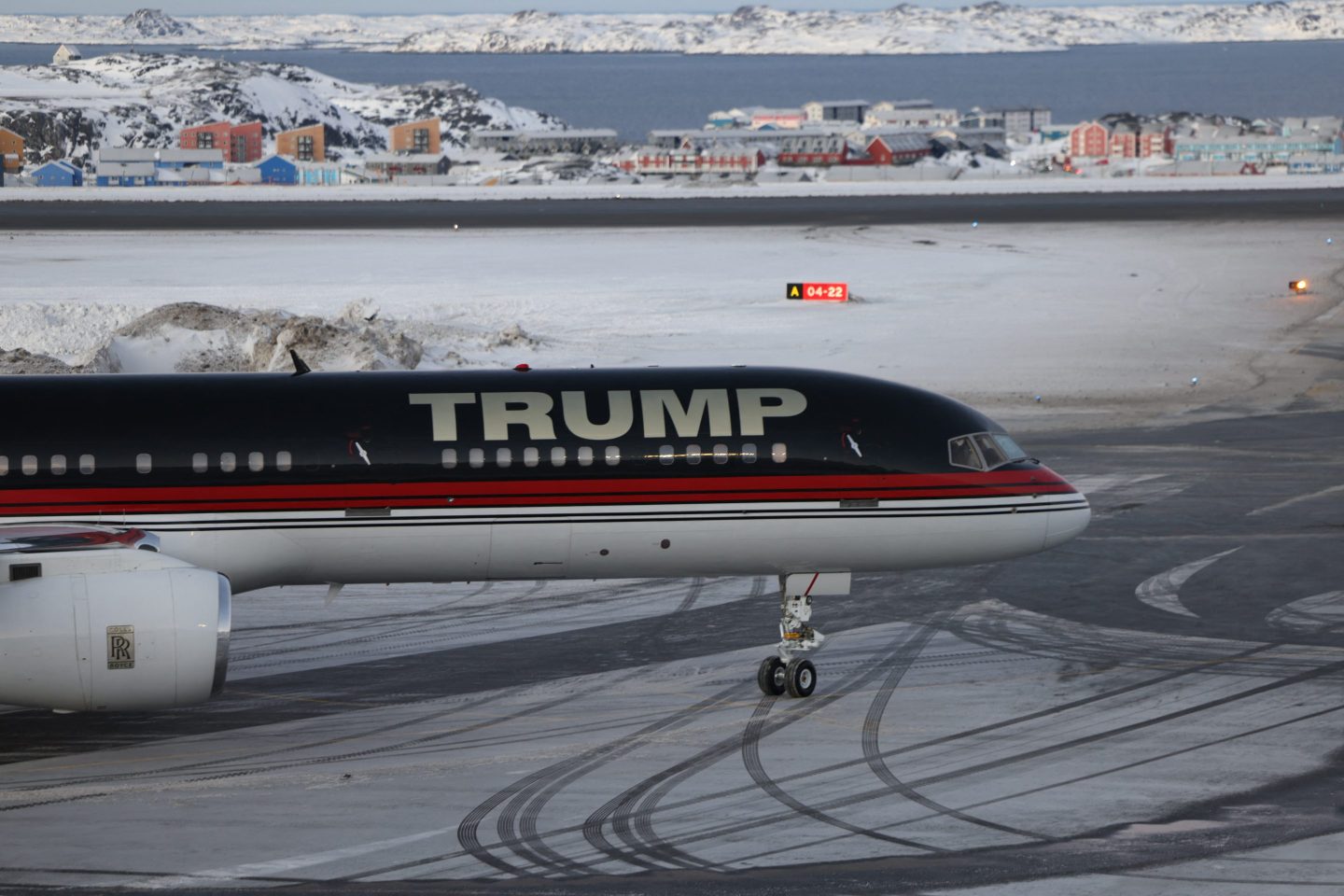
A plane carrying Donald Trump Jr. arrives in January in Nuuk, Greenland, where he is making a short private visit after his father, President Trump, suggested Washington annex the autonomous Danish territory.
EnergyGreenland
A Texas company plans to drill for oil in Greenland despite a climate change ban and Trump’s desire to annex the territory
By Jordan BlumOctober 22, 2025
2 months ago
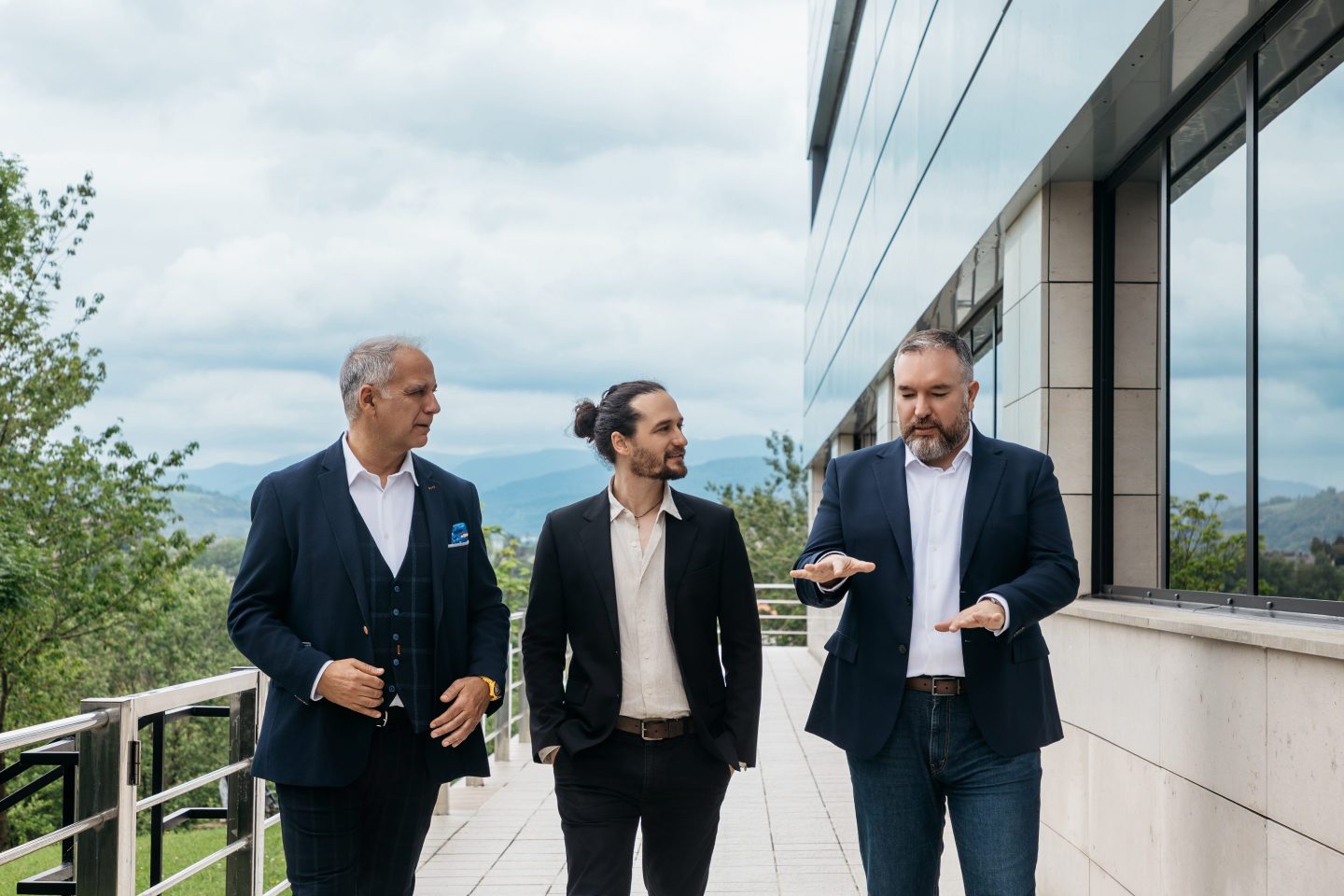
Three of the founders of Multiverse Computing.
AIChange the World
From WhatsApp friends to a $500 million–plus valuation: These founders argue their tiny AI models are better for customers and the planet
By Vivienne WaltOctober 9, 2025
2 months ago

Most Popular

placeholder alt text
Economy
‘Fodder for a recession’: Top economist Mark Zandi warns about so many Americans ‘already living on the financial edge’ in a K-shaped economy 
By Eva RoytburgDecember 9, 2025
16 hours ago
placeholder alt text
Success
When David Ellison was 13, his billionaire father Larry bought him a plane. He competed in air shows before leaving it to become a Hollywood executive
By Dave SmithDecember 9, 2025
1 day ago
placeholder alt text
Banking
Jamie Dimon taps Jeff Bezos, Michael Dell, and Ford CEO Jim Farley to advise JPMorgan's $1.5 trillion national security initiative
By Nino PaoliDecember 9, 2025
18 hours ago
placeholder alt text
Uncategorized
Transforming customer support through intelligent AI operations
By Lauren ChomiukNovember 26, 2025
14 days ago
placeholder alt text
Real Estate
The 'Great Housing Reset' is coming: Income growth will outpace home-price growth in 2026, Redfin forecasts
By Nino PaoliDecember 6, 2025
4 days ago
placeholder alt text
Success
Even the man behind ChatGPT, OpenAI CEO Sam Altman, is worried about the ‘rate of change that’s happening in the world right now’ thanks to AI
By Preston ForeDecember 9, 2025
21 hours ago
Rankings
  • 100 Best Companies
  • Fortune 500
  • Global 500
  • Fortune 500 Europe
  • Most Powerful Women
  • Future 50
  • World’s Most Admired Companies
  • See All Rankings
Sections
  • Finance
  • Leadership
  • Success
  • Tech
  • Asia
  • Europe
  • Environment
  • Fortune Crypto
  • Health
  • Retail
  • Lifestyle
  • Politics
  • Newsletters
  • Magazine
  • Features
  • Commentary
  • Mpw
  • CEO Initiative
  • Conferences
  • Personal Finance
  • Education
Customer Support
  • Frequently Asked Questions
  • Customer Service Portal
  • Privacy Policy
  • Terms Of Use
  • Single Issues For Purchase
  • International Print
Commercial Services
  • Advertising
  • Fortune Brand Studio
  • Fortune Analytics
  • Fortune Conferences
  • Business Development
About Us
  • About Us
  • Editorial Calendar
  • Press Center
  • Work At Fortune
  • Diversity And Inclusion
  • Terms And Conditions
  • Site Map

© 2025 Fortune Media IP Limited. All Rights Reserved. Use of this site constitutes acceptance of our Terms of Use and Privacy Policy | CA Notice at Collection and Privacy Notice | Do Not Sell/Share My Personal Information
FORTUNE is a trademark of Fortune Media IP Limited, registered in the U.S. and other countries. FORTUNE may receive compensation for some links to products and services on this website. Offers may be subject to change without notice.