The former U.S. biz school economist wants to revive his country. Is it a gold rush for Western companies?
By Vivienne Walt, contributor

FORTUNE — Hunkered down in the back of a car, Ali Tarhouni sucks on a cigarette and gazes out at Libya’s eastern city of Benghazi. It’s been just eight months since he ditched his job as a senior lecturer at the University of Washington’s business school and flew to his native country to join the revolution. Muammar Qaddafi is dead, and as Libya’s interim oil and finance minister he’s contemplating the daunting tasks ahead. Outside the window garbage is piled high, buildings are crumbling, street lights are out. And people are mobbing the car, screaming ecstatically, “Dr. Ali! Dr. Ali!” as if he were a rock star. “Look at this,” he tells me. “This is a wealthy country, yet you can smell the sewage everywhere. And people expect you have a magic wand to change things.”
Changing Libya — its poverty, its joblessness, or its lack of economic growth — will require more than magic. But change is crucial: It will determine whether this vast, oil-rich country becomes a democracy — and a stable market for global corporations — or slides into chaos.
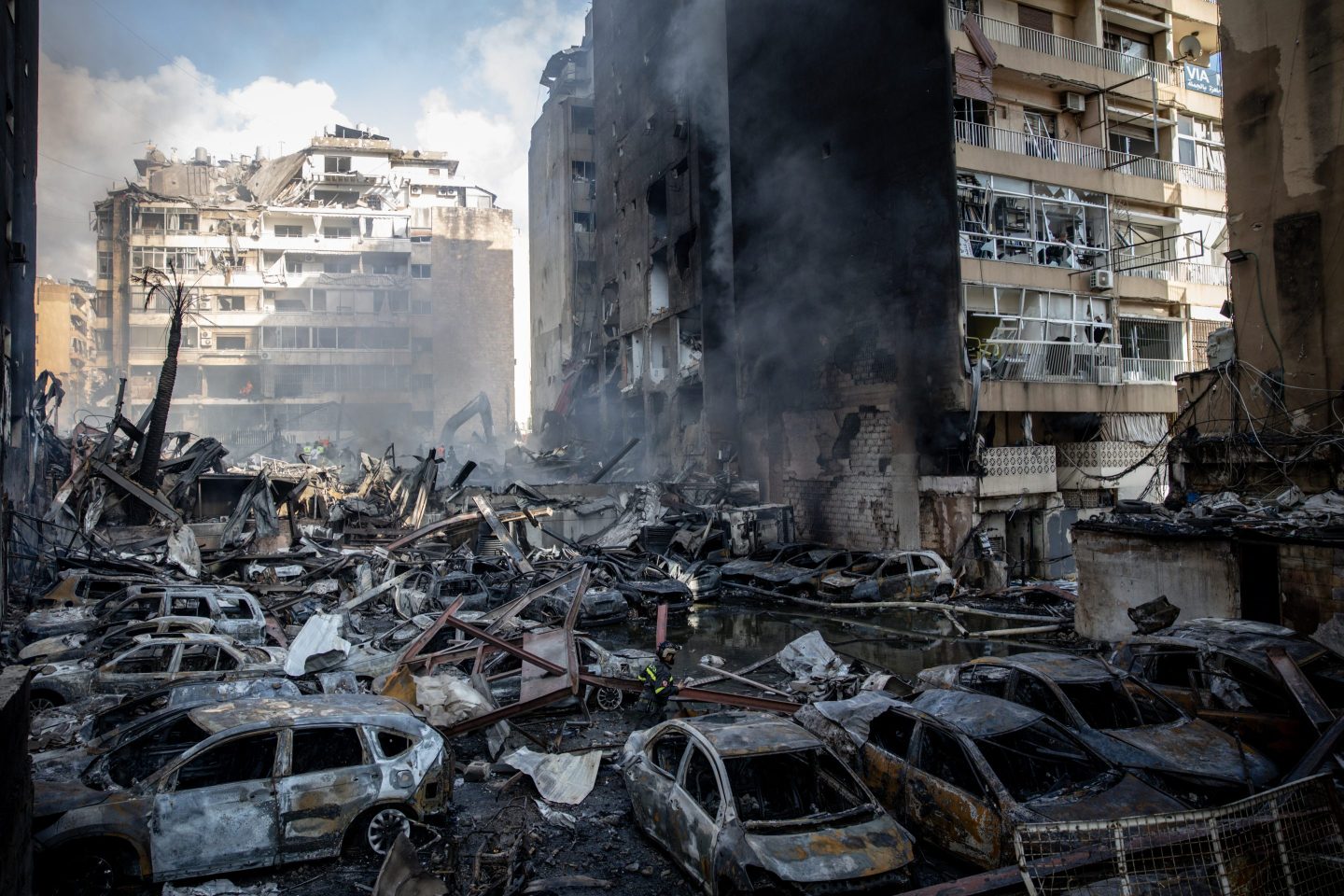
Right now both scenarios seem possible. At least 20,000 Libyans have been killed, many of them civilians. Neighborhoods stand shattered, from the oil refinery town of Zawiyah to the port cities of Misurata and Sirte, where rebels killed Qaddafi on Oct. 20.
Bad as the toll is, Qaddafi’s 42- year dictatorship left deeper scars. Repressive socialism stifled homegrown enterprises and drove countless smart Libyans, like Tarhouni, into exile. For years Qaddafi banned schools from teaching English, claiming it embodied Western evil; road signs are still Arabic-only. Unemployment exceeds 20%. Revenue collection is patchy. “I got an electricity bill about a year ago,” laughs Youssef Sawani, until February the director of the foundation of Qaddafi’s hugely powerful son Saif al-Islam, who was still on the run from rebel fighters in late October. “Why would I pay it? No one does.”
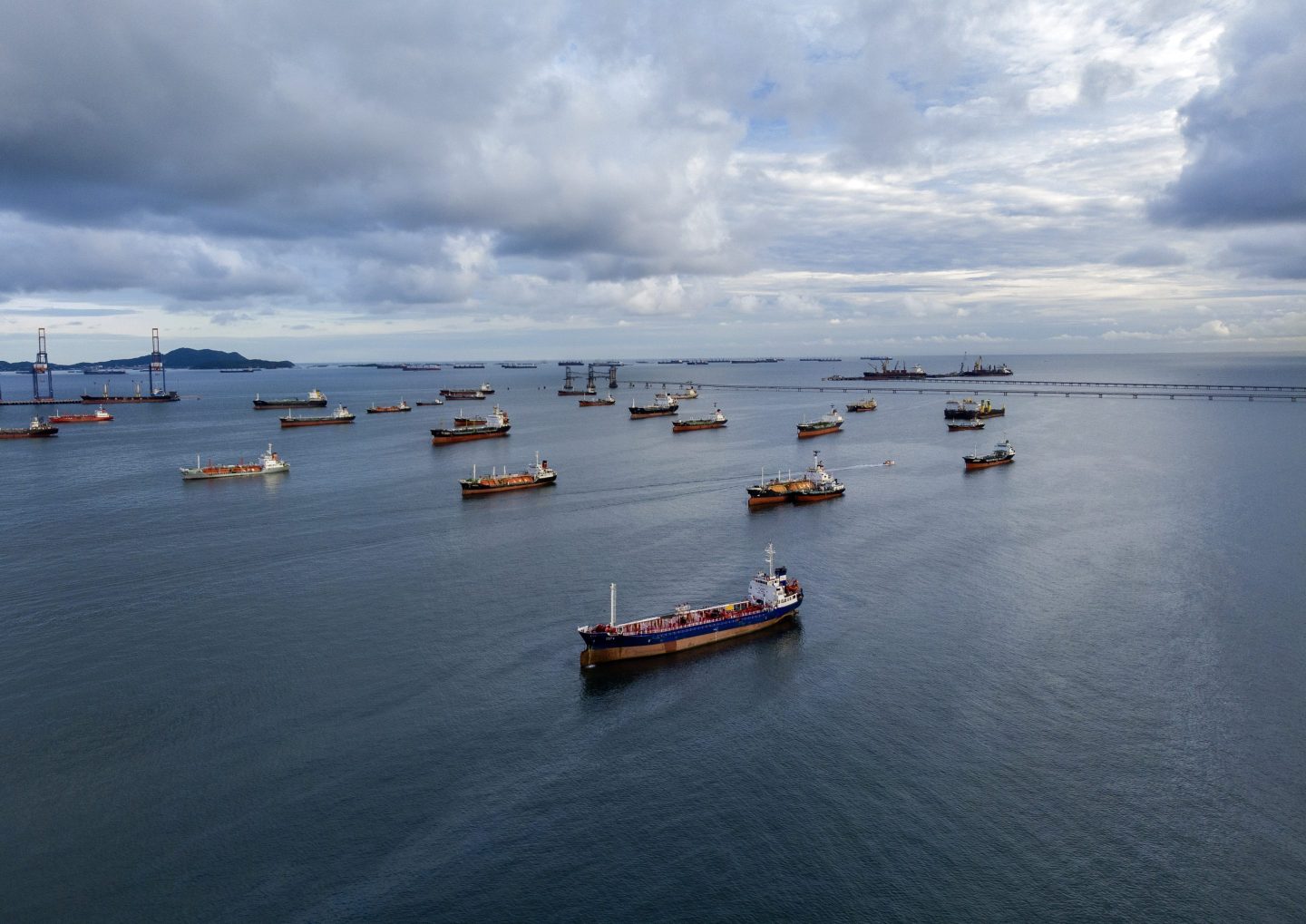
And yet Libya is awash in money. Its foreign-currency reserves are by some estimates about $250 billion — an astonishing sum for a nation of just 6.4 million people. It has Africa’s largest proven energy reserves, with more than 46.4 billion barrels of oil and about 1.49 trillion cubic meters of natural gas. Until the civil war halted oil production, Libya pumped about 1.6 million barrels a day (by comparison, the U.S. pumps about 9.7 million barrels daily); by late October it was sputtering back with about a third that volume.
It’s here in this giant terrain — three times the size of Texas — that Hunt Oil and BP (BP) made fortunes before Qaddafi nationalized their concessions in the 1970s. U.S. sanctions forced American oil majors out in 1986 in retaliation for Qaddafi’s involvement in terrorist activities; UN sanctions came in 1992, after the Libyan-sponsored bombing of a Pan Am jetliner in 1988. By late 2004, U.S. companies returned — a reward for Qaddafi’s abandoning weapons of mass destruction and compensating Lockerbie victims. For both sides there were fresh fortunes to be made. Marathon Oil (MRO), Occidental Petroleum (OXY), ConocoPhillips (COP), and others resumed operation, while Total (TOT), ENI (E), Respol, and other European companies continued their multibillion-dollar contracts. All elbowed for new deals, ignoring Qaddafi’s dictatorship and focusing instead on his son Saif’s grand reform promises.
When I first met Saif in Tripoli in late 2004, U.S. and European business representatives raced around the city trying to meet this London-educated would-be heir apparent. By my second visit in early 2010, Saif held huge sway over decisions about business, and a large U.S. business delegation was again in town. Notwithstanding this year’s grueling NATO campaign, the West’s courtship paid off. Two days before the revolt erupted, a J.W. Marriott (MAR) tower opened along Tripoli’s picturesque seafront. Nearby is a new Four Points Sheraton, complete with a marina; outside, the Qaddafis’ armored BMW and Mercedes-Benz sedans sit parked, abandoned during their flight from Tripoli. Cranes loom over Tripoli’s splashy half-built shopping malls, apartment complexes, and even a new People’s Congress Hall — a symbol of Qaddafi’s regime — designed by famed architect Zaha Hadid. “A small group got richer and richer, while the rest of us watched,” says Sami Zaptia, CEO of the Tripoli business consultancy knowlibya.net.
Scenes from Libya after Qaddafi
Ali Tarhouni was no friend of the regime. Originally from Benghazi, he was expelled from college for political activism and fled to the U.S. in 1973, at age 22. In retaliation, Qaddafi stripped him of his citizenship and sentenced him to death. Tarhouni earned a doctorate in economics from Michigan State University, settled in Seattle, and had four children, becoming a senior lecturer at UW’s Foster School of Business.
Then came the moment in February when the tumultuous Libyan revolution erupted. Tarhouni, now 60, sat glued to the television until he could no longer stand staying away. He emailed friends, explaining, “I need to go back to help as much as I can.”
Little did he imagine what that “help” would entail: a long, grinding war in which Libyan fighters waged lethal battles along the coast while NATO bombers pummeled the country from above. Tarhouni rose fast in the rebel leadership; he had kinetic energy and a broad smile, and he quickly won friends. Like many other Libyans who’d spent much of their lives abroad, he arrived back brimming with energy and ideas. Like those other émigrés from Ireland, Spain, Britain, Canada, and elsewhere who flew home for the revolution, the economist found himself suddenly thrust into outsize global history — an “exhausting, exhilarating time,” he says.
Amid the excitement are also ominous perils, which Tarhouni says are now his country’s most pressing worries. Well-armed rival brigades each claim primacy in toppling Qaddafi, raising the potential for fresh conflicts. And Qaddafi’s profligate weapons purchases have left Libya with mountains of unsecured armaments. But for now Tarhouni is relishing an extraordinary taste of victory. “Almost every hour you pack enough emotions for a lifetime,” he says.
The most intense emotion came when Tarhouni got word that Qaddafi was dead, captured in a sewage ditch and shot by rebels. A few hours later Tarhouni sped by convoy to the war-ravaged town of Misurata to formally identify the bloodied and beaten corpse of his tormenter on behalf of the rebel leaders. In the breakneck speed of their work, there was little time for the experience to hit home.
“For 40 years I’d wake up and go to sleep with him in my mind. And now he’s not here anymore,” Tarhouni tells me. “How does it feel? I have no idea. I need some quiet time.”
Good luck with that. Two days after Qaddafi’s death, Tarhouni is in Benghazi. I hitch a ride with him to the liberation ceremony, where the rebel’s National Transitional Council president formally declares the war over. Tarhouni remains uncertain about what role he’ll play in the new government. The new interim Prime Minister, Abdurrahim El Keeb, had yet to pick his cabinet by the end of October. It’s possible too that Tarhouni’s bigger role could come when Libya’s first post-Qaddafi elections are held, probably next summer. But some Libyans believe he is too much of an outsider, too American. He unwittingly refers to Libyans as “they” and says his American-style rapid multitasking is a sharp contrast to Libyans’ languorous discussions. “People are shocked at the way I do things,” he says.
But Tarhouni’s no-nonsense speediness, and that of other returnees, could be just what Libya needs as it recovers from dictatorship and bloodshed. Tarhouni envisions high-end tourism along the Mediterranean’s longest coastline — Libya has hundreds of miles of virgin beach — solar and wind energy projects in the mammoth Sahara; tight trade links to nearby Europe; and North Africa’s first financial services industry.
The rebels’ key backers, such as the Western NATO members and Qatar, are expected to win big contracts, say Libyan officials. As the rebels stormed through Sirte in October, a planeload of French business executives flew into Tripoli to glad-hand the victors, and smaller groups of German and British executives have since arrived to test the waters.
Still, Tarhouni says, it will be impossible to satisfy Libyans’ sky-high expectations with Qaddafi gone. As people crowd around the car, thrusting their hands through the window, he says, “People want to see change immediately. But long-term economic development requires patience. That’s my worry.” As he hops out he asks, “What’s the line from Gone With the Wind?” a film precious few Libyans know. “Tomorrow is another day,” he says, before being ushered by his bodyguards to the stage to finally hear his country declared free.
This article is from the November 21, 2011 issue of Fortune.