FORTUNE – It’s hard to pinpoint exactly what has continued to hamper the U.S. economy. Economists and the media have popularly adopted the term “The Great Recession” to describe all that’s gone wrong since the housing market collapsed several years ago, implying that Americans have just come out of a typical recession that, if anything, was only more severe.
Needless to say, the near implosion of the U.S. financial system was severe. But as Harvard University economist Kenneth Rogoff has pointed out, the recovery today is something that can only be called “The Great Contraction,” suggesting that the aftermath of a financial crisis does not look anything close to that of a typical recession.
“In a conventional recession, the resumption of growth implies a reasonably brisk return to normalcy,” Rogoff wrote earlier this month in Project Syndicate. “The economy not only regains its lost ground, but, within a year, it typically catches up to its rising long-run trend.”
The recession officially ended more than two years ago. And yet, during the first half of this year, the economy barely grew. With Federal Reserve Chairman Ben Bernanke acknowledging in his speech in Jackson Hole, Wyo., last week that the problems plaguing the marketplace are beyond the powers of the central bank, it becomes all the more important for Washington lawmakers to help reboot the economy.
Members of Congress might be scratching their heads over what to do next, but perhaps as a starting point, members should look at how this recovery is different from previous ones.
Long-term business investment: Since 1949, construction has been a major component driving economic recoveries. Not only does construction of new buildings and factories help make companies become more productive, but it also creates jobs for the overall economy as each order of concrete, for instance, demands workers to do everything from taking the order to delivering it from the warehouse to the building site.
But unlike the end of other recessions when business investment surged, companies today aren’t building many new factories or buying up much commercial real estate. Business investment has continued at a slow place, averaging 10.3% of GDP since the start of the latest recession – the lowest average for any business cycle since the 1970s, according to the Center for American Progress.
Given that S&P 500’s non-financial companies altogether hold more than $1.1 trillion in cash and short-term investments, it’s not as if America’s biggest companies don’t have the money to invest. So what’s to blame for the pullback in spending?
“It’s a question of why is it that we no longer in a recovery can fund long-term assets –basically 20 years or more – and the answer essentially is that there’s a huge element of uncertainty in this economy,” former Federal Reserve Chairman Alan Greenspan said in a recent interview with The Financial Times.
Greenspan has urged Washington lawmakers and policymakers to stand aside and let the economy heal on its own. However, the pains of slow growth and high unemployment might be too much for many to endure. What’s more, doing nothing would certainly be politically unpopular especially given the 2012 presidential election.
Government job loss: The private sector may have shed millions of jobs during the depths of the latest recession, but part of what has added to the persistent gloom of the economic recovery is the slash in government jobs. For instance in July, the private sector added 154,000 jobs but the bump was counteracted by the fact that the economy shed 37,000 public-sector jobs.
Government employment today is about 1.9% lower than it was at the start of the recovery, a fall of 430,000 jobs, according to a recent report by the Economic Policy Institute. By contrast, government employment rose by 1.1% or 232,000 jobs during the same stage of the recovery following the 2000 recession.
The stubborn woes of today’s government job market have been largely due to falling tax revenues while spending on unemployment and Medicaid has surged. State and local governments, unable to legally run deficits (unlike the federal government), have been dealing with glaring budget holes by slashing headcount at an unprecedented rate. And that likely will continue – not only at the state and local level, but also the federal level depending how a special congressional committee assigned to reduce America’s debt decides to find $1.5 trillion in savings.
Consumer spending: In the years leading up to the latest recession, households clearly overspent. They’ve since been working to improve their finances but we’re still a long way from the point where household debt levels fall where consumers feel comfortable spending more and saving less.
Consumption, which makes up roughly 70% of the U.S. economy, dropped off significantly during the depths of the recession and has continued to be slow through the economic recovery. But as the Federal Reserve Bank of New York recently noted, what has been unusual is the decline in spending on discretionary services like education, entertainment and meals at restaurants.
Spending on such luxuries partly drove the decline of real GDP during the latest recession. It is down nearly 7% — more than double the percentage decline seen in the early 1980s recession.
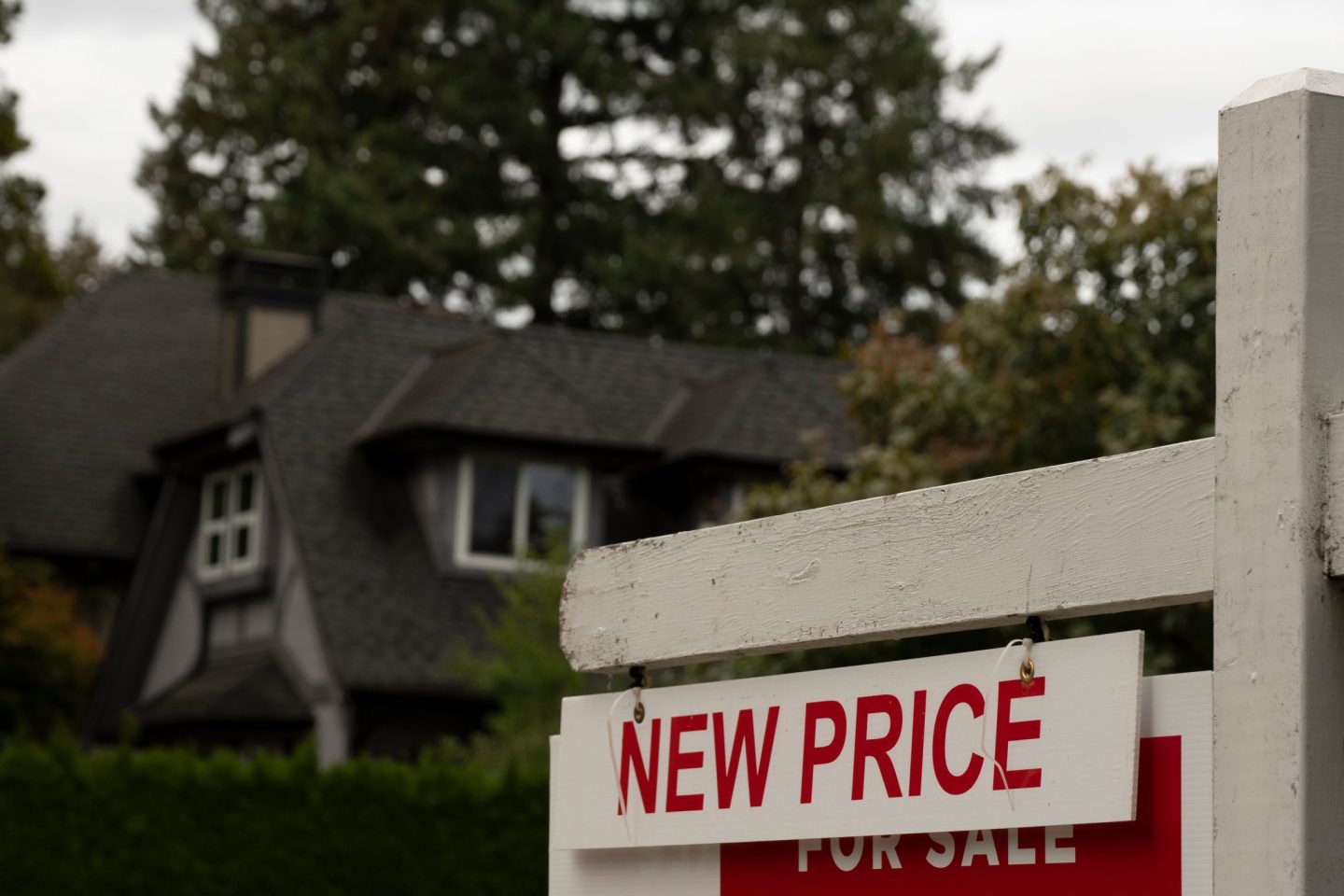
Housing: During most economic recoveries, the housing industry typically rebounded in a big way and helped drive overall growth.
Needless to say, this hasn’t played out this time. And it become less likely that it will, given expectations that home prices could fall further as an onslaught of foreclosures could eventually seep into the housing market already in excess.
This not only impacts home sales, but it also means consumers will spend less on furniture and appliances and other housing-related goods and services.
Bernanke, acknowledging that economic policies supporting strong economic growth in the long run are beyond powers of the central bank, has urged Washington lawmakers to adopt “good, proactive housing policies” to undo the depressed real estate market.