Keeping interest rates near zero doesn’t help much if people are too spooked to spend. A more radical solution may be in order.
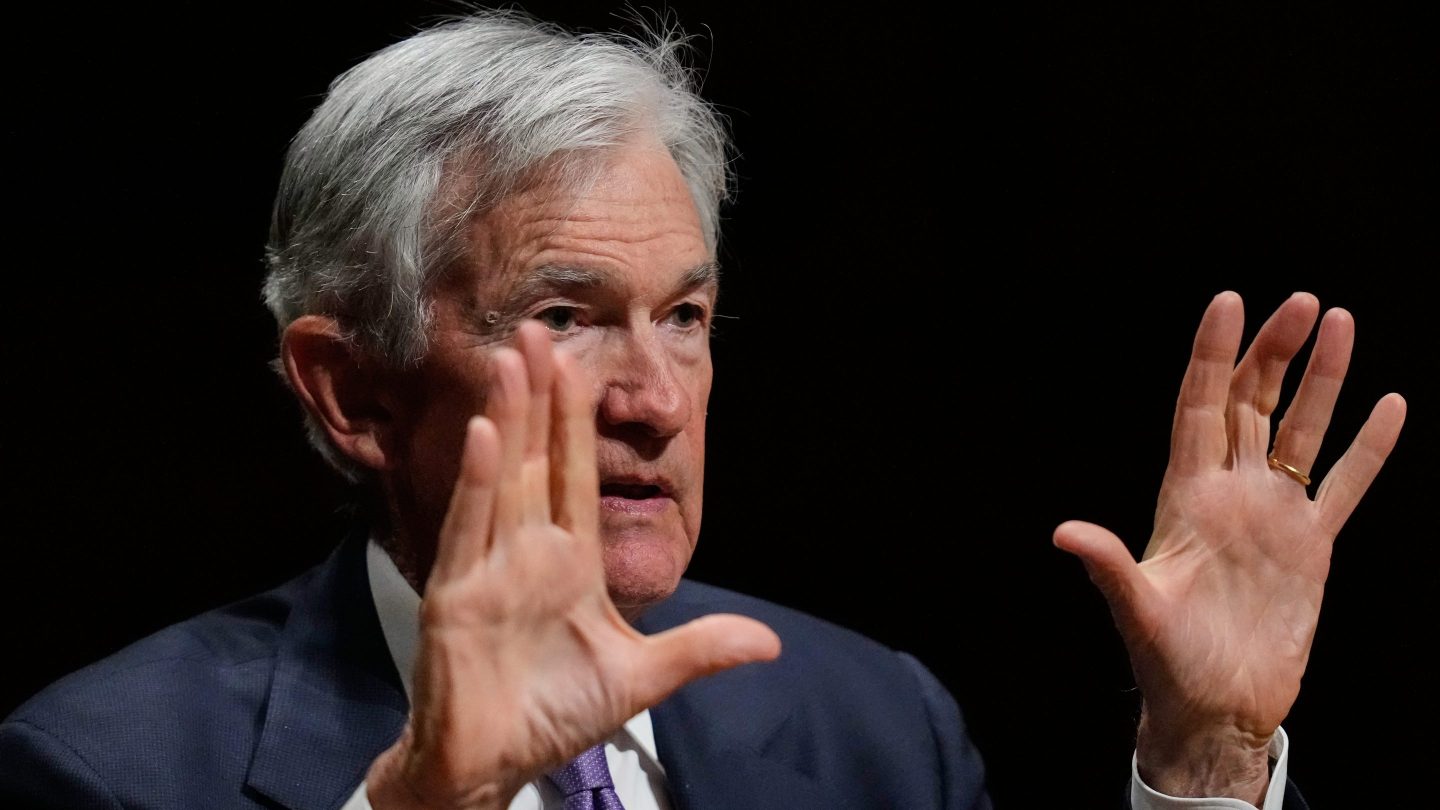
Can Ben Bernanke pull the U.S. economy out of its double dip? Some investors are betting he will. The Fed’s announcement that it intends to keep short-term rates close to zero until mid-2013 was widely interpreted as a signal that further action is on the way, as was Bernanke’s speech in Jackson Hole, Wyo. With an election year approaching, there is a lot of pressure on the Fed chairman. If the economy doesn’t rebound in the next month or two, he will surely overrule objections within the Federal Open Market Committee and launch a third program of quantitative easing — bond purchases financed by the creation of money.
But even if the Fed commits another trillion dollars or so to QE3, what difference will it make? Not enough, I fear. The country needs a sustained boost to demand, an end to the housing bust, and a resolution of the European debt crisis, none of which the Fed is in a position to deliver. While third-quarter growth appears to be picking up a bit — retail sales jumped in July — for the year as a whole we will be lucky if the economy expands by 2%, which is pretty pathetic for the third year of a “recovery.”
Quantitative easing is intended to bring down long-term interest rates that aren’t directly under the Fed’s control, such as rates on mortgages and Treasuries. But these are already at historic lows. In August yields on 10-year Treasury notes touched 2.15% and the yield on 30-year Treasuries fell below 3.6%. Even if QE3 brought long rates down a bit further, the impact would be modest. Money keeps getting cheaper, but rather than borrowing and spending, many businesses and individuals are still building up their savings. Many are nervous. In August, overall consumer sentiment dropped to its lowest level since 1980.
This looks like a modern version of the “liquidity trap” that John Maynard Keynes identified during the Great Depression. When people are too spooked to invest and spend, cutting interest rates doesn’t accomplish much, and another way to boost the economy is needed. The usual candidate is fiscal stimulus, but we no longer have one. With the drawing down of President Obama’s 2009 package and deep cuts at the state and local levels, fiscal policy is actually hurting the economy. According to Goldman Sachs, it will subtract about 1% from GDP growth in 2011.
Wait a minute, say the proponents of QE3. Quantitative easing doesn’t operate exclusively through lower interest rates. It also gins up the stock market and causes the dollar to fall in value. When Americans feel richer, they spend. When the dollar slides, foreigners buy more American-made goods. Up to a point, this is all true. During QE1 (December 2008 to March 2010) the S&P 500 rose by almost 80%; during QE2 (November 2010 to June 2011) the market jumped by close to 30%. Meanwhile, the trade-weighted value of the dollar slipped sharply, giving a boost to American exporters such as Microsoft (MSFT) and Caterpillar (CAT).
We could well see another bear market rally in stocks, but the scope for further devaluation of the dollar is limited. China and other developing countries are already furious about what they regard, with some justification, as a U.S. effort to export its unemployment problem. With Europe in crisis, who is going to shift money into euros? The U.S., despite its recent downgrade, looks like a lot safer place to park cash than France or Italy.
Absent a solution for the European crisis and a U-turn in fiscal policy, I struggle to be optimistic. Some economists are already arguing that Bernanke should go beyond QE3 and deliberately engineer higher inflation, which would gradually reduce the real (inflation-adjusted) value of debt. Theoretically, this is an attractive option. But would the FOMC members ever vote for such a policy? And even if they did, would it work in practice? I remain to be convinced. But if QE3 fails, the call for more radical measures will get louder.
–John Cassidy is a Fortune contributor and a New Yorker staff writer.
This article is from the September 5, 2011 issue of Fortune.