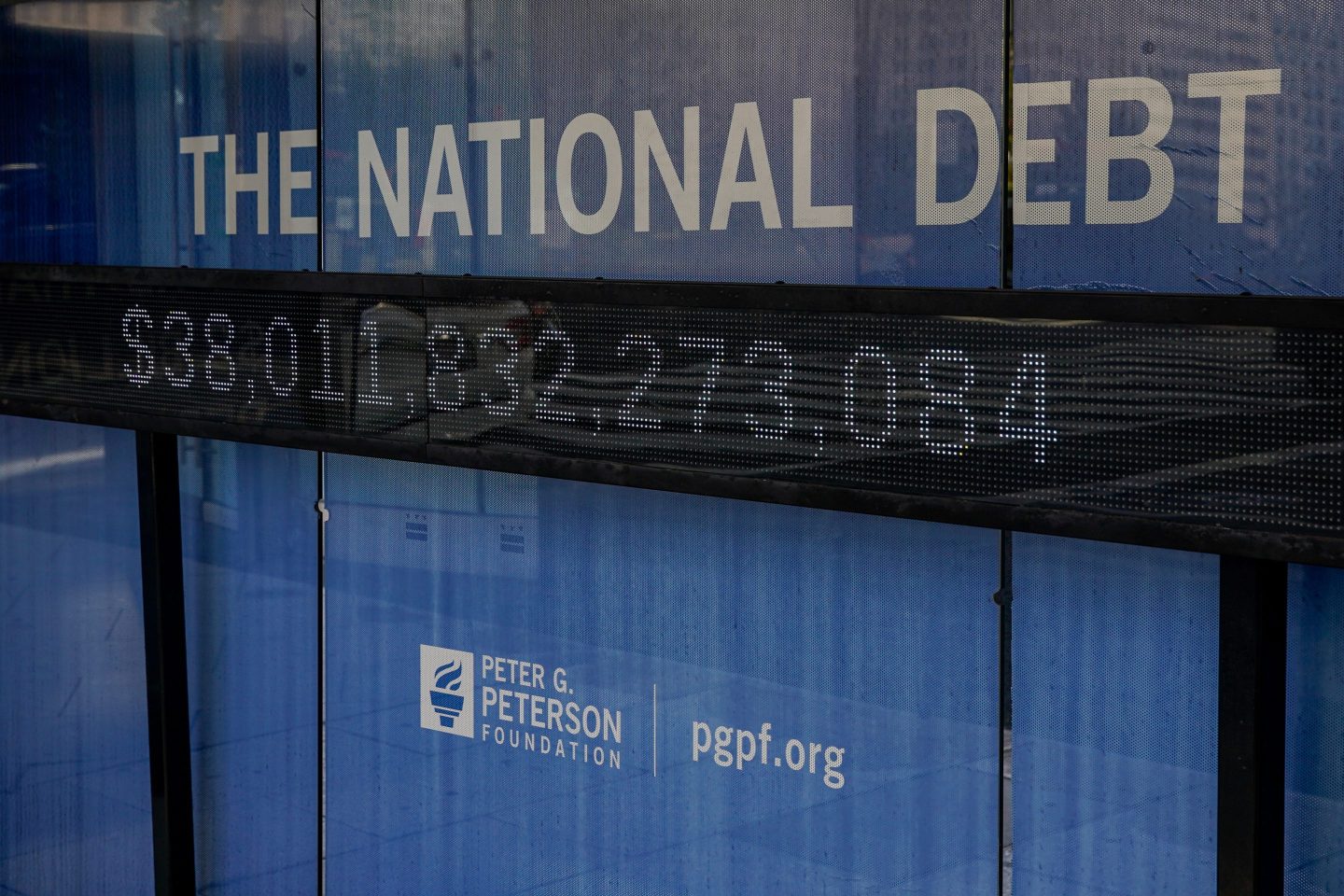
Some of America’s largest public pension systems are in crisis. And, no, I’m not talking about the trillions of dollars in unfunded liabilities.
Instead, this is about how new regulations are impeding management of those systems’ most lucrative assets. Some of the rules are in response to bribery scandals in states like California, New York, and New Mexico. But they threaten to make unstable financial situations even shakier (ok, I guess this sort of is about those unfunded liabilities).
Just last month, California’s largest public pension lost two senior investors who had helped manage around $22 billion of private equity assets for California’s largest public pension. Not because of below-market salaries, but because they felt handcuffed by the new rules. Others have executive recruiters on speed-dial.
So I’ve come up with a list of four reforms that public pensions should institute immediately. Otherwise, their money soon will be managed by newly minted MBAs whose institutional knowledge begins yesterday.
1. Stop fretting about the middlemen
The pension system crackdown came after a small number of placement agents—people who help private funds raise capital—were found to have traded political favors (or cash) to secure pension fund investments for their clients. The knee-jerk reaction in some states has been to either ban placement agents or to criminalize inadequate disclosure of their involvement.
This strategy is akin to baseball focusing on steroid dealers instead of on steroid use by its own players.
The placement agent scandals were enabled by pension systems turning a blind eye to how certain investments were made. Was a former pension board member acting as a placement agent and raising money for his former colleagues? Did those colleagues then put pressure on investment staff to approve the deal (or worse, overrule a staff recommendation against investing)?
Bribery is a two-way street, so pension systems should eliminate all nonpublic interaction between board members and investment staff. They also should enter all prospective investments into a database—including placement agent details—and create a step-by-step chronology of how the investment was introduced and vetted.
2. Fix compensation
The typical public-pension portfolio manager gets a salary, plus a bonus tied to the prior year’s performance. But some long-term asset classes do not lend themselves to one-year performance reviews. Private equity investments, for example, typically produce something called a J-curve, in which performance is flat or slightly negative for the first several years and then quickly curves up.
consequently many portfolio managers are credited for or discredited by the work of predecessors (since today’s returns can be the result of much older investments).
Public pensions should defer bonuses to such managers until more accurate data is available. Not only will that encourage smarter investing, but it could help lock up talent.
3. Commonsense travel and gift rules
We obviously don’t want pension investment staff receiving $7,000-a-night hotel suites from outside firms seeking business (yes, that happened). But we do want them to be able to do their job. Institute and enforce a $50 gift limit for items (golf balls, tote bags, etc.), but provide significant, supervisor-approved leeway for business-related meetings, meals, and travel.
For example, if portfolio managers are expected to work on laptops during 10-hour trips from Sacramento to London, it is counterproductive to make them sit in coach.
4. Let your people leave
Some states have begun pushing to prevent pension staffers from leaving to take jobs with firms that have received pension investments. Unfortunately, that could become a major impediment when recruiting new talent, particularly at large systems invested with hundreds of outside firms.
My solution: Prevent staffers from hiring on only at firms where they were responsible for the relationship. If it was someone else’s deal—something we’ll know from our database—then fly, fly away.
And exempt junior folks who do not have the authority to make decisions. Otherwise, it
looks a bit like indentured servitude.
—————————-
The best solution may be to spin out pension investment offices into quasi-private, independent organizations, kind of like what many top universities have done with their endowments. But that isn’t politically feasible.
My proposed reforms, on the other hand, can be adopted immediately without too much blowback. If public pensions wait much longer, they will only keep losing their best people. And even more money.