Is Ben Bernanke trying to export our problems to the rest of the world?
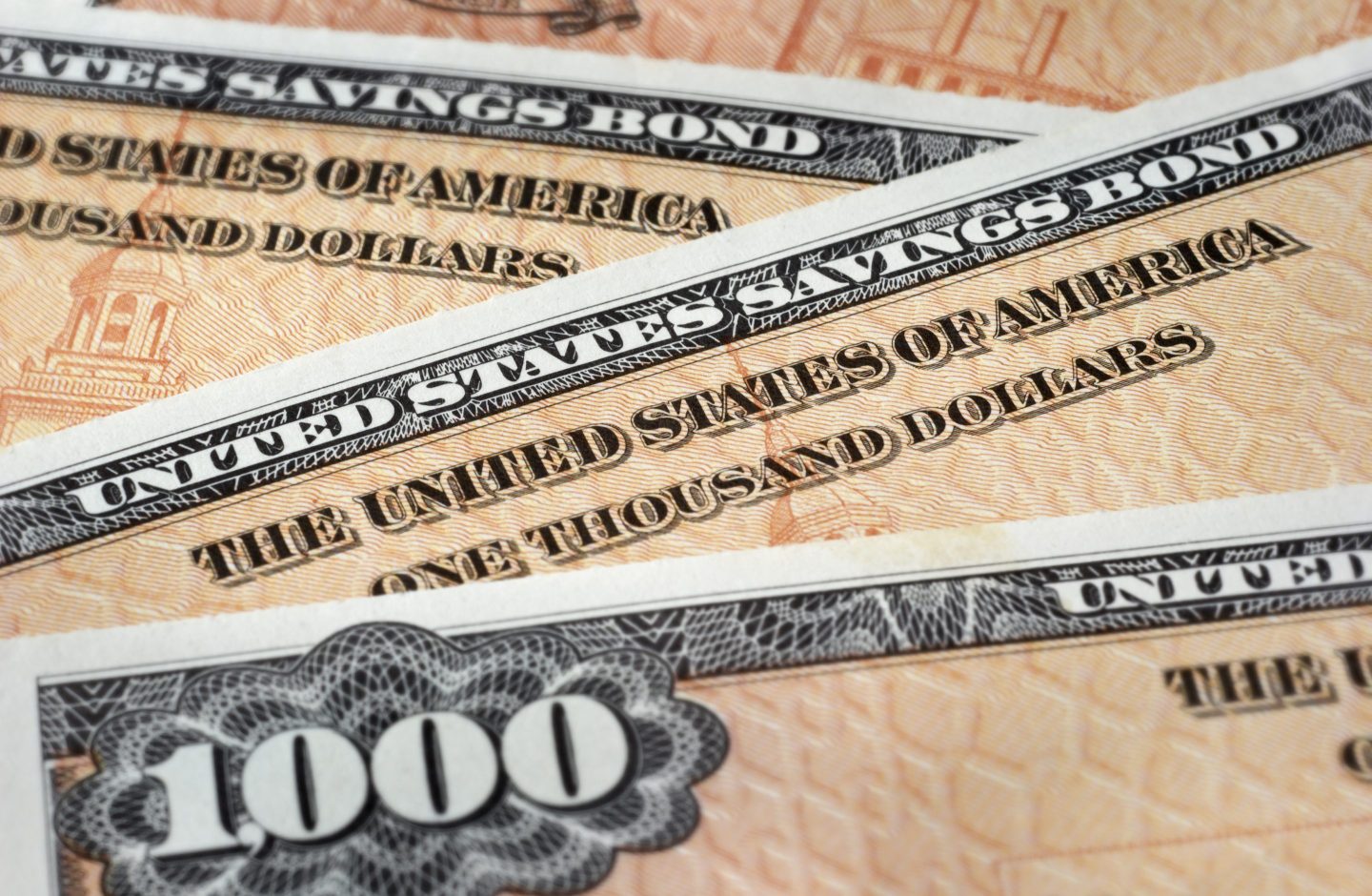
Bernanke says in a piece in Thursday’s Washington Post that the Fed decided to buy $600 billion worth of Treasury bonds over the next eight months in order to bring domestic interest rates down even further and boost asset prices. He hopes to start a “virtuous circle” of more spending, higher incomes and expanding profits, he says, that will support U.S. economic growth.

But while the United States has long been seen as the locomotive pulling the global economy behind it, a leading pundit says the Fed’s latest move isn’t likely to fire up the boilers in the U.S. What’s more, the latest round of asset purchases risks putting the world’s biggest economy on a collision course with other countries whose problems will only be exacerbated by QE2 outcomes such as a falling dollar.
Mohammed El-Erian, a top executive at giant bond investor Pimco, contends in a piece published in the Financial Times that quantitative easing will fail to restart domestic growth because it fails to address the real problems that are holding down U.S. employment and output.
Pimco has previously argued that the government needs to focus on making structural changes such as boosting investment in travel infrastructure, such as air and rail facilities, and focusing on building a sustainable energy industry. This, rather than expanding the monetary base, holds the key over time to creating good jobs.
“Liquidity injections and financial engineering are insufficient to deal with the challenges that the U.S. faces,” El-Erian writes. “Without meaningful structural reforms, part of the Fed’s liquidity injection will leak right out of the U.S. and result in yet another surge of capital flows to other countries.”
Naturally, other countries aren’t exactly head over heels in love with this idea. Weak recoveries in Japan and Europe are already buckling under the stress of appreciating local currencies, as the dollar’s decline steepens. Nor are they liking the idea of more dollars sloshing around the globe in places like India, China and Brazil, where inflation is already a threat and likely to become more so assuming Bernanke & Co. keep driving down the dollar. It was Brazil, you’ll recall, that got the “currency wars” ball rolling this fall.
And then there is the longer-term risk to the U.S. economy, which has gained so much through the years through the issuance of the world’s reserve currency and the operation of its deepest, most liquid financial makets. El-Erian contends that these advantages will inevitably erode over the years that Bernanke continues his expansive monetary efforts, perhaps culminating in the long prophesied crisis.
What does Bernanke say to these arguments? Sadly, we have no idea, because his piece in the Post is brief and focuses on just one critique of QE2 — that it will bring about an inflationary surge that the Fed will be powerless to stop.
Here’s Bernanke’s take on that argument.
“Although asset purchases are relatively unfamiliar as a tool of monetary policy, some concerns about this approach are overstated. Critics have, for example, worried that it will lead to excessive increases in the money supply and ultimately to significant increases in inflation,” he writes.
“Our earlier use of this policy approach had little effect on the amount of currency in circulation or on other broad measures of the money supply, such as bank deposits. Nor did it result in higher inflation. We have made all necessary preparations, and we are confident that we have the tools to unwind these policies at the appropriate time. The Fed is committed to both parts of its dual mandate and will take all measures necessary to keep inflation low and stable.”
But of course, the problem with that argument is that we find ourselves here, just eight months after the Fed stopped buying assets in QE1, discussing how we can speed up a recovery that is by the Fed’s own assessment “disappointingly slow.” So no, QE1 didn’t result in higher inflation — but neither did it help reduce unemployment.
As for El-Erian’s other points, those are probably just as much the province of Treasury Secretary Tim Geithner, who is after all the guy who has contended he invented the strong dollar policy. Right now, he and everyone else in Washington is crossing their fingers that Bernanke’s plan will create enough momentum at home to deflect the incoming brickbats from the rest of the world long enough for everyone to go back to business as usual.
But if it fails to do so, the weak recovery Bernanke is complaining about now is going to look like a picnic.