• Home
  • Latest
  • Fortune 500
  • Finance
  • Tech
  • Leadership
  • Lifestyle
  • Rankings
  • Multimedia
TechFortune 500

Facebook Just Built A 22,000-Square-Foot Hardware Research Lab

By
Jonathan Vanian
Jonathan Vanian
Down Arrow Button Icon
By
Jonathan Vanian
Jonathan Vanian
Down Arrow Button Icon
August 3, 2016, 11:00 AM ET
Facebook Hardware Lab
Facebook Hardware Lab.Facebook

Facebook may be primarily known as a software company whose social networking service is used by millions of people each day.

But increasingly, the company is working on newer projects that incorporate hardware components, like its Oculus Rift virtual reality headset business and solar-powered Aquila drone project that Facebook hopes will beam the Internet to remote regions of the world.

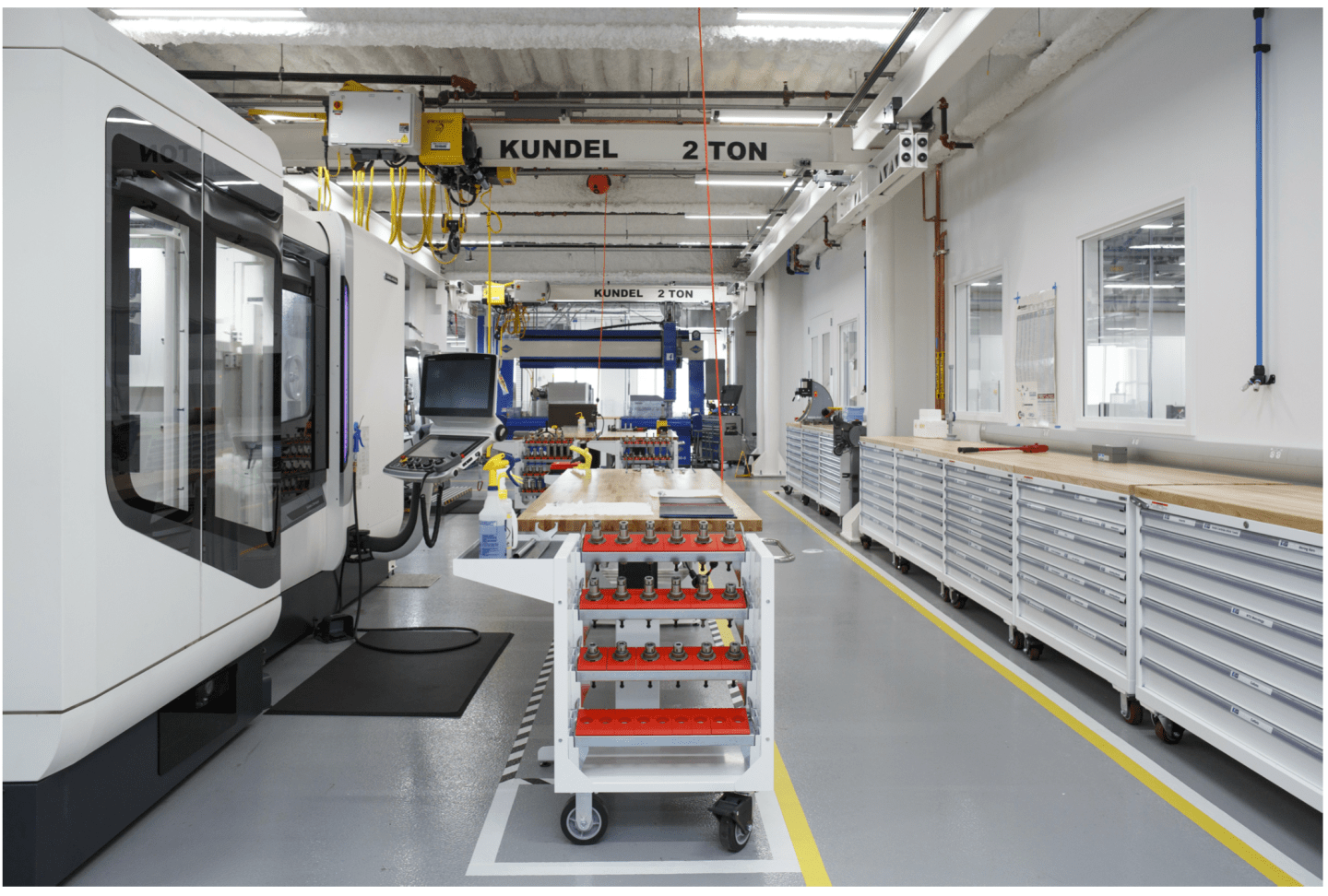
To help advance these hardware projects, as well as Facebook’s experimental data center initiatives, the social network has built a new 22,000-square-foot hardware lab at its headquarters in Menlo Park.

The facility is named Area 404, a tongue-in-cheek reference to the common error message people receive when they visit a website that can’t be found. Facebook’s hardware engineers wanted a big, new research lab where they can all work together—and now they’ve “found” it, so to speak.

Area 404 has been in development for 18 months, said Facebook mechanical and power manager Mikal Greaves during a Tuesday press event on the new lab. The construction of the lab began 9 months ago.

Get Data Sheet, Fortune’s technology newsletter.

The research lab is so new, there’s hardly any debris on the floors or near the heavy-duty drill presses at one of the lab’s offices, like one would find at a typical manufacturing facility. Facebook staff has only just started to use the lab in July, a company spokesperson said.

The goal for Area 404 is to serve as a sort of all-in-one laboratory where Facebook engineers from multiple business units, like its data center infrastructure team or Oculus Rift VR team, can congregate, share ideas, and work on projects together.

Facebook (FB) will occasionally shift different hardware engineers to other business units in an effort to “better share ideas,” said the company’s vice president of infrastructure foundation, Jason Taylor.

One prominent engineer, Taylor said, previously worked on one of Facebook’s data center projects, the Yosemite server chassis, and is now part of the Aquila drone project.

See also: Here’s Why Facebook Is So Desperate to Buy, Copy or Kill Snapchat

Facebook currently has a dedicated Oculus research lab in Seattle, a drone lab in the United Kingdom, a laser communications lab in Southern California, and several other research labs in Menlo Park, the company said in a blog post on the new lab.

The lab is equipped with several devices designed for engineers to both test their hardware designs and build the actual prototypes.

Facebook water jet. Photo by Jonathan Vanian
Jonathan Vanian

An electron microscope and an X-ray device called a CT scanner helps Facebook engineers determine what may have caused a computer motherboard or Oculus headset device to malfunction, explained Facebook’s head of engineering and infrastructure, Jay Parikh.

Instead of having to contact outside specialists or vendors to run tests on the failed devices that could take weeks or months to finish, Facebook can “use a heavy-duty MRI machine to see what went wrong,” in just hours or days, said Parikh.

The part of the lab dedicated to building prototypes contains several big machines, like a water jet device that shoots a high-pressure stream of water mixed with abrasive materials that can cut into granite, steel, and marble, said Facebook engineer Spencer Burns.

This water jet helped build the prototype of the outer shell that covers Facebook’s recently announced 360-degree camera, he added.

See also: Facebook Project to Bring Mobile Phones to Poorest Regions

Another machine, called a Computer Numerical Control (CNC) folder, lets engineers fold large sheets of metal into different shapes and arrangements, Burns said. This CNC folder was used to build some of the prototypes of the components that comprise Facebook’s custom servers, he explained.

Some of the other equipment in the lab includes a lathe, a milling machine, and fabric cutters—machinery so heavy that the ground it rests on is comprised of three feet of cement, and is supported by 100 pylons that were drilled 60 feet below the surface, Burns said.

Facebook hardware engineer Spencer Burns showing off some gear. (Photo by Jonathan Vanian)
Jonathan Vanian

An indoor, overhead crane attached to the ceiling of the lab helps engineers transport heavy materials to and from different machines.

Facebook did not say how much it spent for the machinery or how much it spent on the entire facility.

For more about Facebook, watch this Fortune video:

The social network says that it plans to use this lab for a variety of new hardware projects, but that it won’t be a large-scale manufacturing center.

Several of the data center designs Facebook contributes to its open-source hardware initiatives, like the Open Compute Foundation and Telco Infra Project, will be developed in the lab.

In these projects, Facebook and other member companies share data center hardware blueprints that they can use to build cheaper and more flexible data center gear than what’s commonly sold.


About the Author
By Jonathan Vanian
LinkedIn iconTwitter icon

Jonathan Vanian is a former Fortune reporter. He covered business technology, cybersecurity, artificial intelligence, data privacy, and other topics.

See full bioRight Arrow Button Icon

Latest in Tech

Sarandos
Arts & EntertainmentM&A
It’s a sequel, it’s a remake, it’s a reboot: Lawyers grow wistful for old corporate rumbles as Paramount, Netflix fight for Warner
By Nick LichtenbergDecember 13, 2025
5 hours ago
Oracle chairman of the board and chief technology officer Larry Ellison delivers a keynote address during the 2019 Oracle OpenWorld on September 16, 2019 in San Francisco, California.
AIOracle
Oracle’s collapsing stock shows the AI boom is running into two hard limits: physics and debt markets
By Eva RoytburgDecember 13, 2025
6 hours ago
robots
InnovationRobots
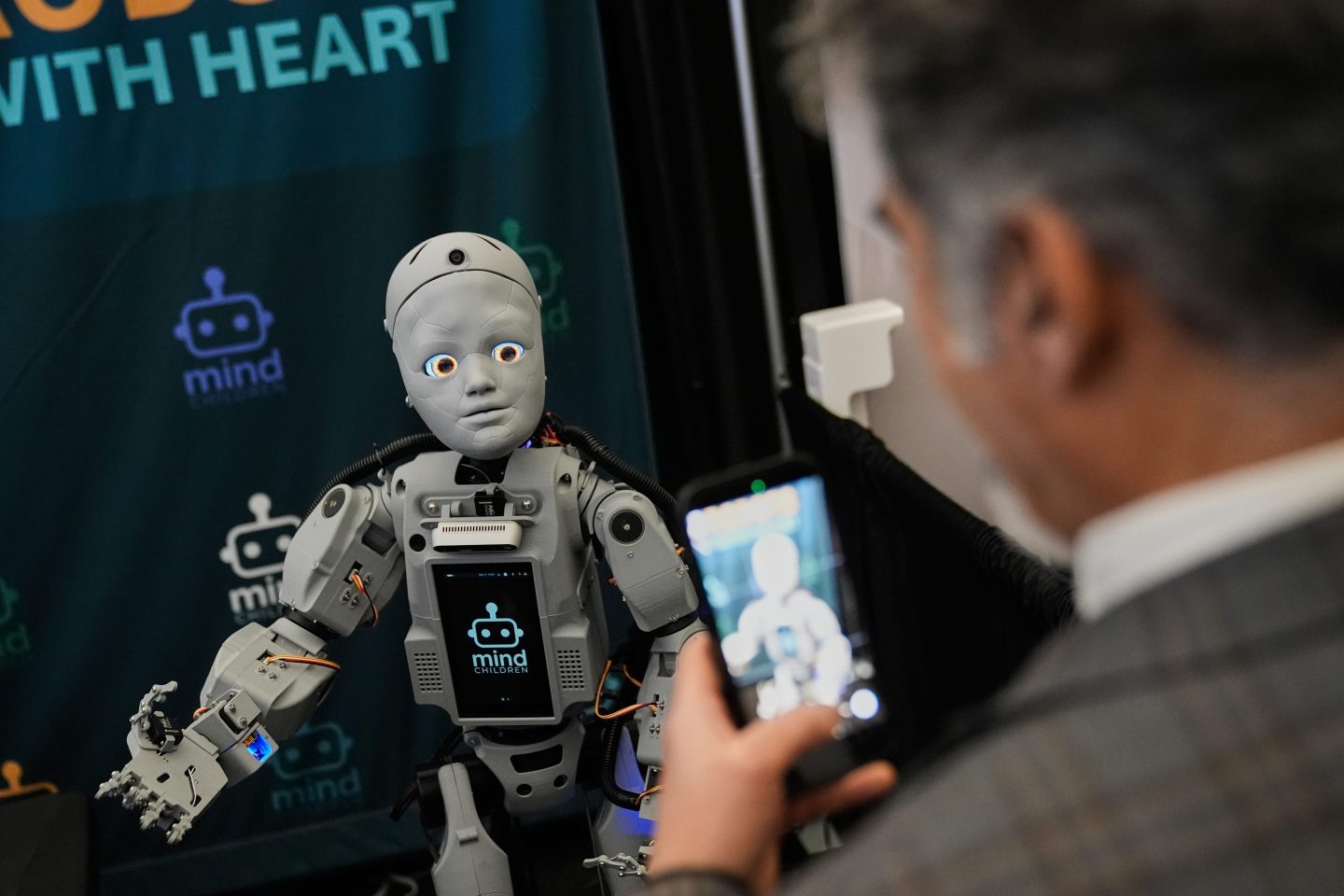
‘The question is really just how long it will take’: Over 2,000 gather at Humanoids Summit to meet the robots who may take their jobs someday
By Matt O'Brien and The Associated PressDecember 12, 2025
19 hours ago
Man about to go into police vehicle
CryptoCryptocurrency
Judge tells notorious crypto scammer ‘you have been bitten by the crypto bug’ in handing down 15 year sentence 
By Carlos GarciaDecember 12, 2025
20 hours ago
three men in suits, one gesturing
AIBrainstorm AI
The fastest athletes in the world can botch a baton pass if trust isn’t there—and the same is true of AI, Blackbaud exec says
By Amanda GerutDecember 12, 2025
20 hours ago
Brainstorm AI panel
AIBrainstorm AI
Creative workers won’t be replaced by AI—but their roles will change to become ‘directors’ managing AI agents, executives say
By Beatrice NolanDecember 12, 2025
20 hours ago

Most Popular

placeholder alt text
Economy
Tariffs are taxes and they were used to finance the federal government until the 1913 income tax. A top economist breaks it down
By Kent JonesDecember 12, 2025
1 day ago
placeholder alt text
Success
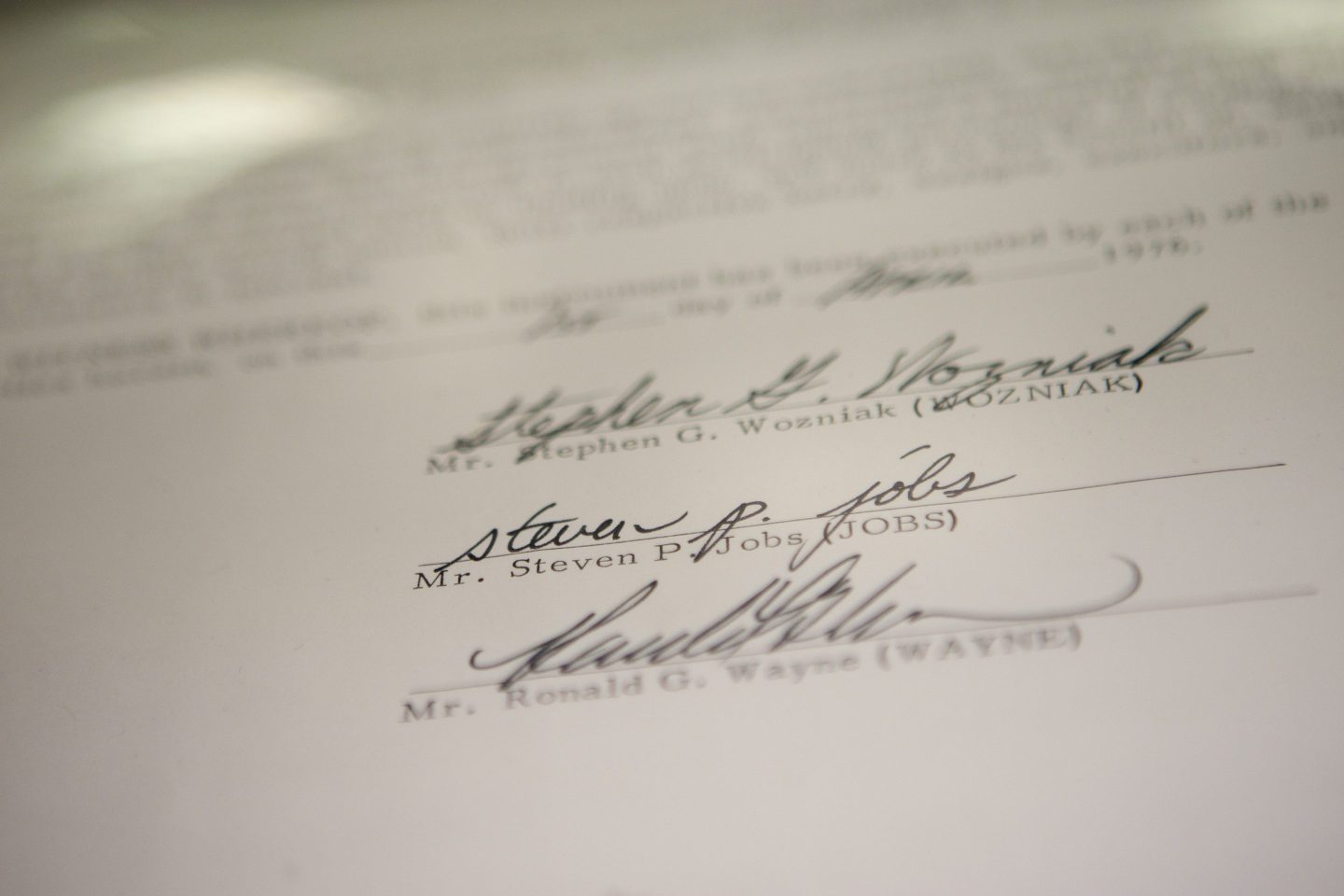
Apple cofounder Ronald Wayne sold his 10% stake for $800 in 1976—today it’d be worth up to $400 billion
By Preston ForeDecember 12, 2025
1 day ago
placeholder alt text
Success
40% of Stanford undergrads receive disability accommodations—but it’s become a college-wide phenomenon as Gen Z try to succeed in the current climate
By Preston ForeDecember 12, 2025
24 hours ago
placeholder alt text
Economy
For the first time since Trump’s tariff rollout, import tax revenue has fallen, threatening his lofty plans to slash the $38 trillion national debt
By Sasha RogelbergDecember 12, 2025
20 hours ago
placeholder alt text
Economy
The Fed just ‘Trump-proofed’ itself with a unanimous move to preempt a potential leadership shake-up
By Jason MaDecember 12, 2025
18 hours ago
placeholder alt text
Success
At 18, doctors gave him three hours to live. He played video games from his hospital bed—and now, he’s built a $10 million-a-year video game studio
By Preston ForeDecember 10, 2025
3 days ago
Rankings
  • 100 Best Companies
  • Fortune 500
  • Global 500
  • Fortune 500 Europe
  • Most Powerful Women
  • Future 50
  • World’s Most Admired Companies
  • See All Rankings
Sections
  • Finance
  • Leadership
  • Success
  • Tech
  • Asia
  • Europe
  • Environment
  • Fortune Crypto
  • Health
  • Retail
  • Lifestyle
  • Politics
  • Newsletters
  • Magazine
  • Features
  • Commentary
  • Mpw
  • CEO Initiative
  • Conferences
  • Personal Finance
  • Education
Customer Support
  • Frequently Asked Questions
  • Customer Service Portal
  • Privacy Policy
  • Terms Of Use
  • Single Issues For Purchase
  • International Print
Commercial Services
  • Advertising
  • Fortune Brand Studio
  • Fortune Analytics
  • Fortune Conferences
  • Business Development
About Us
  • About Us
  • Editorial Calendar
  • Press Center
  • Work At Fortune
  • Diversity And Inclusion
  • Terms And Conditions
  • Site Map

© 2025 Fortune Media IP Limited. All Rights Reserved. Use of this site constitutes acceptance of our Terms of Use and Privacy Policy | CA Notice at Collection and Privacy Notice | Do Not Sell/Share My Personal Information
FORTUNE is a trademark of Fortune Media IP Limited, registered in the U.S. and other countries. FORTUNE may receive compensation for some links to products and services on this website. Offers may be subject to change without notice.